


Article
Bulk Shipping Risks for Comfort Shoes: Avoiding Delays and Damage
Bulk footwear shipments can be delayed or damaged by poor carton design, moisture, incorrect container loading, documentation errors, and weak supplier coordination. Buyers can reduce these risks by validating packaging, planning transport conditions, securing cargo according to established guidance, checking shipping documents early, and agreeing on inspection and claims procedures. This guide covers practical controls for walking shoes, travel footwear, sandals, and other comfort-focused styles, with procurement checkpoints for importers and distributors.
2026-11-12
Best Men's Comfort Shoe Styles for Distributors and Retailers
A practical buying guide to selecting and merchandising men’s comfort footwear, including walking shoes, travel-ready styles, casual shoes and warm-weather sandals. Compare fit, construction, use cases, assortment planning and supplier evaluation criteria to reduce returns and build a balanced retail range.
2026-11-12
Men's Comfort Shoe Certifications and Test Reports Buyers Should Request
There is no single universal certification that proves a casual shoe is comfortable. Buyers should request model-specific test reports covering fit and construction risks, slip resistance where relevant, material and chemical compliance for target markets, and evidence of laboratory competence. Standards such as ISO 20344, ISO 20347, and ISO 13287 have defined scopes and should not be treated as blanket comfort approvals. A practical procurement review checks the exact style, materials, size range, test conditions, report date, and applicable market requirements before approving production.
2026-11-11
Quality Checks for Men's Comfort Shoes: Fit, Soles, and Durability
A practical B2B guide to evaluating fit, outsole performance, and durability in men's comfort shoes. It explains how to assess last dimensions, interior construction, traction, flexibility, and wear resistance; compare inspection methods with recognized test standards; and use consistent sampling and supplier documentation to reduce returns and protect product quality.
2026-11-11
Private-Label Comfort Shoes: Logo, Packaging, and Branding Options
A practical guide to building a private-label footwear program through fit-focused product selection, logo placement, packaging design, labeling, quality checks, and launch planning. It compares common branding methods, explains procurement trade-offs, and covers how a product range spanning walking, travel, everyday, and summer styles can support a consistent brand identity.
2026-11-10
OEM vs. ODM Men's Comfort Shoes: Costs, Control, and Timelines
Choosing between OEM and ODM production for men's comfort shoes depends on how much product control a brand needs, the investment it can support, and its launch deadline. OEM gives buyers more control over specifications and differentiation but typically requires more development work. ODM starts from a supplier’s existing design platform, which can shorten development while limiting exclusivity and design control. This guide compares cost drivers, decision rights, development stages, and supplier checks to help footwear buyers select a workable sourcing model.
2026-11-10
MOQ, Sample Fees, and Lead Times for Men's Comfort Shoe Orders
A practical procurement guide to minimum order quantities, sample charges, and production lead times for men's comfort shoes. Learn how materials, customization, tooling, size runs, approvals, and quality checks affect cost and scheduling, and how to request a comparable supplier quotation.
2026-11-09
Men's Comfort Shoe Materials: EVA, PU, and Memory Foam Compared
A practical B2B guide to comparing EVA, polyurethane (PU), and memory foam in men’s footwear. It explains cushioning, weight, durability, thermal behavior, cost, testing, and product-fit considerations so buyers can match material constructions to walking, travel, casual, and sandal applications.
2026-11-09
Reducing Sizing and Quality Risks in Bulk Comfort Shoe Orders
A practical procurement guide to reducing fit-related returns and product defects in bulk comfort footwear orders. It explains how to approve size specifications, validate fit across sizes, document materials and construction, set inspection criteria, and manage production changes before shipment.
2026-11-08
Choosing Wholesale Comfort Shoe Assortments for Retailers and Distributors
A practical guide to selecting wholesale comfort shoes for retail and distribution, covering customer segmentation, fit and construction, assortment balance, seasonal planning, supplier evaluation, quality checks, and inventory risk. It also explains how walking shoes, travel styles, mom and dad shoes, summer sandals, soft summer sandals, and casual beach sandals can serve distinct customer needs.
2026-11-07
Comfort Shoe Testing and Compliance Requirements for Importers
Importers of comfort footwear should treat comfort validation, product safety, chemical controls, labeling, and market-specific documentation as separate but connected parts of a release plan. No single test or certificate proves that every walking shoe, travel shoe, casual sandal, or other consumer footwear product is comfortable and compliant in every destination. Buyers should define intended use and markets, agree measurable acceptance criteria with suppliers, test representative production samples, and retain traceable reports and corrective-action records. Standards such as ASTM F2913 and ISO methods can inform test selection, while legal obligations depend on the destination and product category.
2026-11-07
Wholesale Comfort Shoe Quality Checks: Fit, Materials, and Wear
A practical procurement guide to evaluating comfort footwear for fit consistency, material quality, construction, and durability. Learn how to build a repeatable sample-checking process, compare laboratory evidence with wear trials, and reduce quality and return risks across walking shoes, travel footwear, casual shoes, and sandals.
2026-11-06
Private-Label Comfort Shoes: OEM, Logos, and Packaging Options
A practical guide to developing private-label comfort footwear, from OEM customization and logo placement to packaging, quality checks, and launch planning. Learn how to compare customization levels, prepare a clear product brief, protect brand assets, and select footwear styles that fit your target customers and sales channels.
2026-11-06
Sample-to-Bulk Lead Times for Wholesale Comfort Shoe Orders
A practical guide to planning comfort-footwear development and production timelines, from design brief and first prototype through revisions, bulk manufacturing, inspection, and shipping. It explains how materials, fit approval, order complexity, capacity, and import planning affect schedules, and provides an indicative planning table that is not a guaranteed industry benchmark.
2026-11-05
Wholesale Comfort Shoe Pricing: MOQ, Volume Breaks, and Hidden Costs
A practical procurement guide to comparing wholesale comfort shoe quotes, calculating landed cost, negotiating minimum order quantities and volume tiers, and identifying tooling, packaging, freight, duty, quality, and payment costs before purchase orders are approved.
2026-11-05
Shipping and Landed Costs When Importing Comfort Shoes
A practical guide for footwear importers to estimate freight, insurance, customs duties, brokerage, and delivery expenses; compare Incoterms; reduce landed-cost uncertainty; and plan shipments of walking shoes, travel footwear, casual shoes, and sandals.
2026-11-04
Comfort Shoe Market Trends Retail Buyers Should Watch
Retail buyers should watch five shifts in comfort footwear: comfort-led design moving into everyday fashion, demand for use-specific assortments, wider size and fit coverage, material and labeling transparency, and stronger product validation. Successful buying decisions connect each trend to customer use cases, measurable fit and wear tests, regional compliance, and replenishment economics. This guide compares key product segments, outlines supplier questions, and explains how an assortment spanning walking shoes, travel footwear, mom and dad styles, and warm-weather sandals can address varied retail needs.
2026-11-04
Avoiding Delays and Quality Issues in Comfort Shoe Sourcing
Comfort shoe sourcing delays and quality failures are best prevented through clear product specifications, early fit and material validation, milestone-based production planning, and documented inspections. Buyers should assess suppliers on evidence of process control, sample consistency, capacity planning, and transparent communication—not price alone. This guide covers practical controls for walking shoes, travel footwear, everyday shoes, and sandals, with a supplier evaluation framework that helps protect launch schedules and product performance.
2026-11-03
Wholesale Comfort Shoes for Distributors: Margins, Assortments, and Supply
A practical guide for footwear distributors evaluating wholesale comfort shoes, including landed-cost and margin calculations, assortment planning, supplier qualification, quality checks, and replenishment controls. It compares walking shoes, travel footwear, mom and dad shoes, and seasonal sandals while explaining how to manage fit-related returns, minimum order quantities, lead times, and market-specific import costs. The article also outlines a product-range approach covering walking shoes, travelling shoes, mom shoes, dad shoes, summer sandals, soft summer sandals, and casual beach sandals.
2026-11-03
Comfort Shoe Quality Checks: Testing, Inspections, and Compliance
A practical guide for footwear buyers to assess comfort-shoe quality through material verification, fit and durability testing, production inspections, and market-specific compliance checks. It explains how to build a risk-based quality plan, compare test methods, review supplier evidence, and evaluate walking shoes, travel footwear, everyday shoes, and sandals before approval.
2026-11-02
MOQ, Sample Costs, and Lead Times for Bulk Comfort Shoe Orders
A practical guide to planning bulk comfort footwear orders, covering minimum order quantities, sample and tooling costs, production timelines, quality checks, and supplier evaluation. Learn how to compare quotes, reduce avoidable delays, and plan orders for walking shoes, travel footwear, everyday shoes, and sandals.
2026-11-02
Comfort Shoe OEM and ODM: Customization Options for Growing Brands
A practical guide to building a differentiated comfort footwear range through OEM or ODM manufacturing. Learn how to customize fit, materials, cushioning, outsoles, styling, packaging, and quality controls for walking shoes, travel footwear, sandals, and other everyday categories while managing sampling, compliance, and commercial risk.
2026-11-01
How to Vet a Comfort Shoe Manufacturer for Consistent Quality
A practical guide for B2B buyers evaluating comfort shoe manufacturers. It explains how to verify quality systems, material controls, fit and wear testing, production consistency, compliance records, and supplier communication before placing or scaling an order.
2026-11-01
Comfort Shoe Brand vs. Private Label: Which Model Fits Your Business?
Established comfort-shoe brands offer buyers an existing identity, product story, and potential customer recognition, while private label gives businesses greater control over positioning, assortment, and product specifications. The right model depends on target customers, available investment, sourcing capabilities, time to market, and the level of differentiation required. This guide compares the two approaches and outlines practical steps for evaluating suppliers, product quality, compliance, and commercial fit.
2026-10-31
Recommended for you
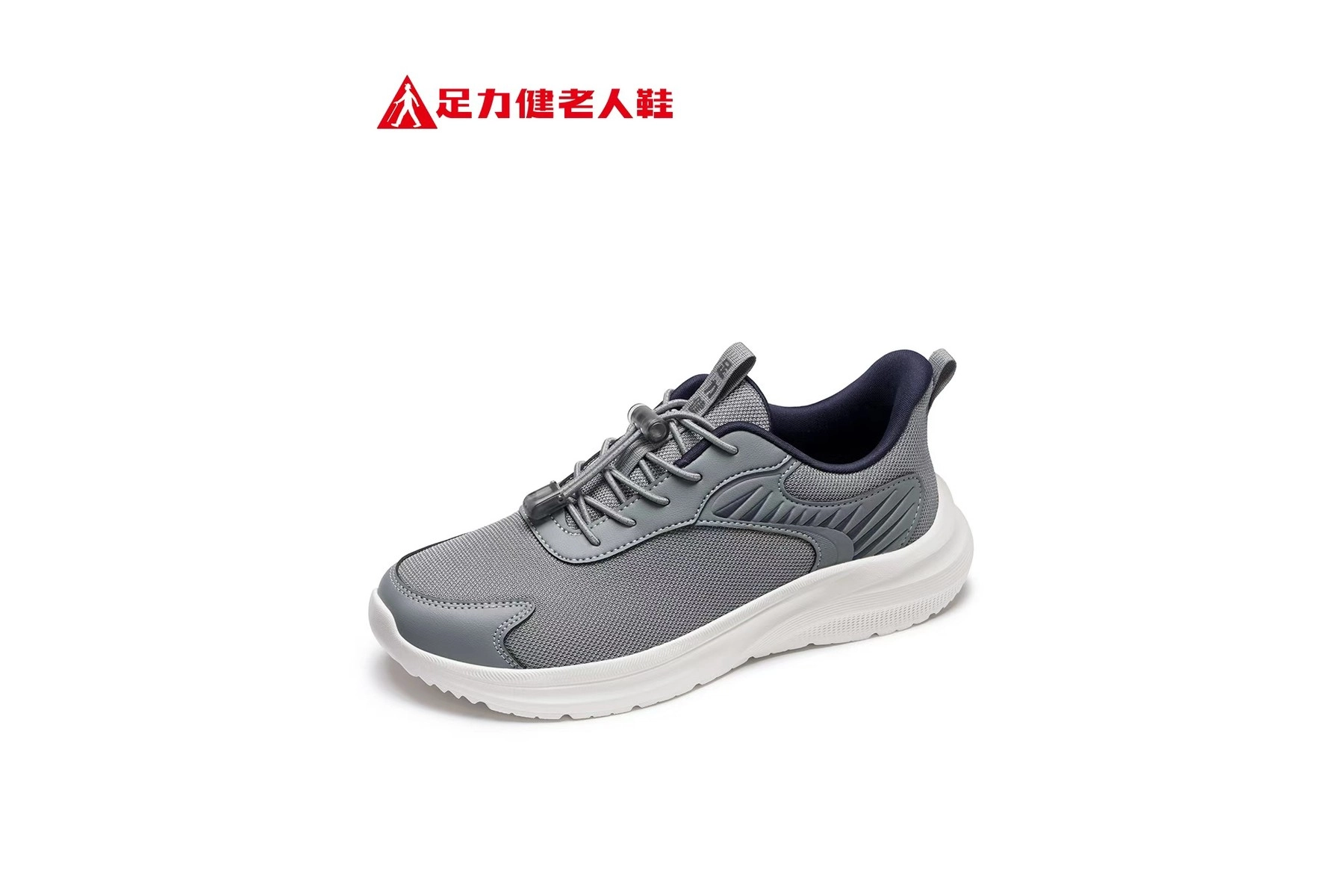
Brazil's Comfort Footwear Market: Filling Gaps Beside Orthopedic Lines
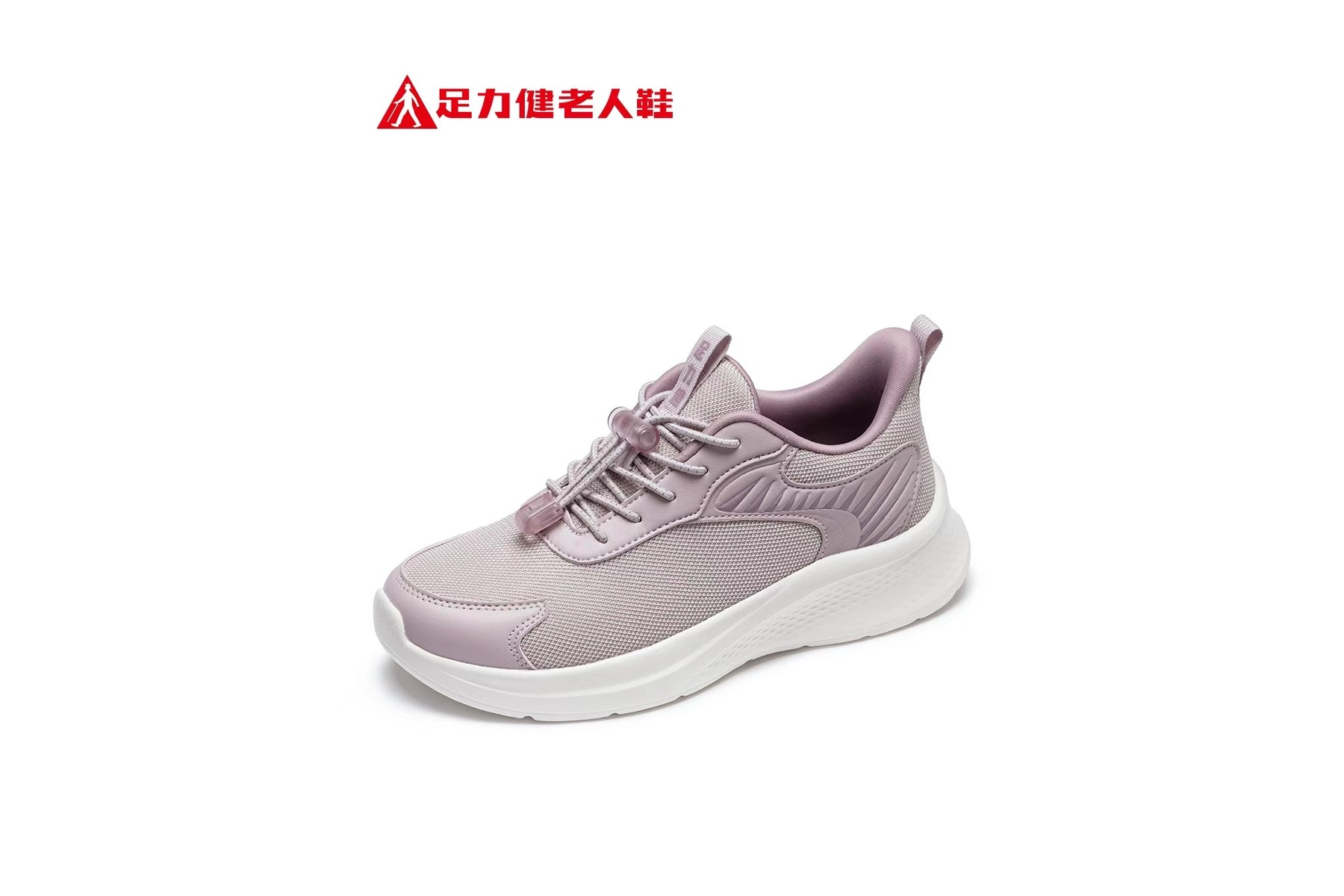
India's Comfort Footwear Market: Wide Fits and Regional Assortments
The U.S. Comfort Footwear Market: Importers and Wide-Fit Wholesalers

Store Conversion in Comfort Footwear: Rethinking the Fit Wall
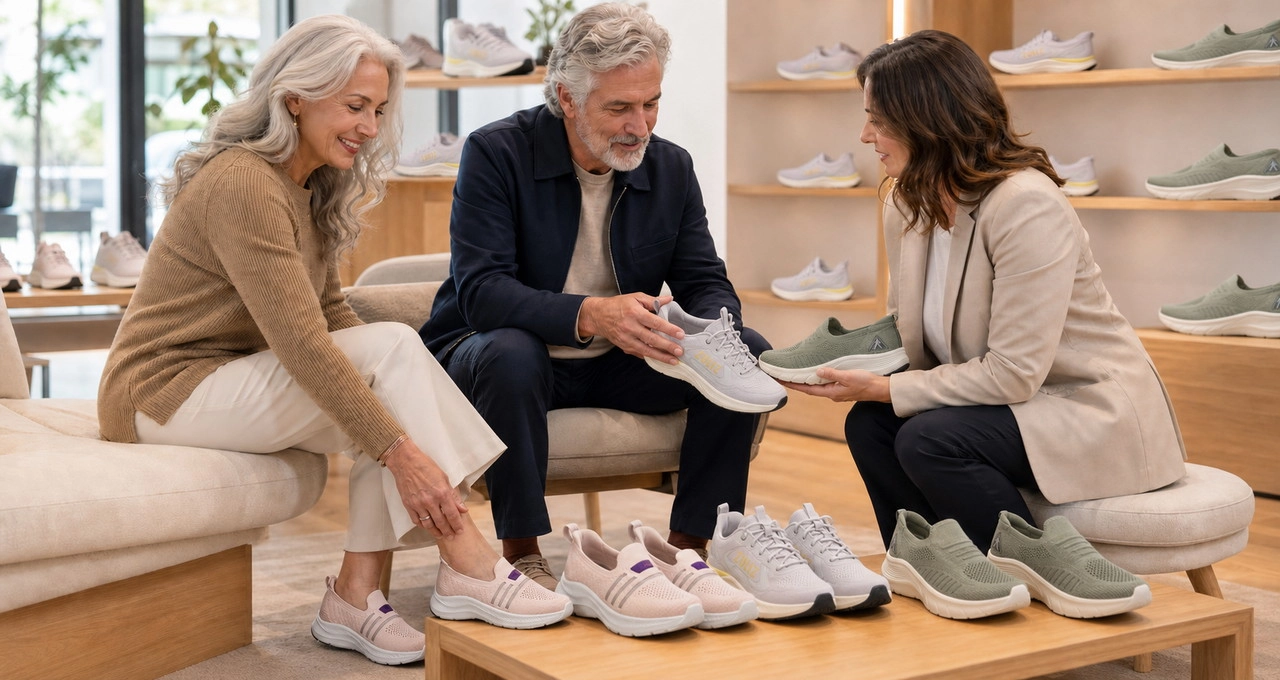
Comfort Footwear Is Outgrowing the Medical Aisle
Contact us

Ray.pang@zuliz.com

+86 155 1699 6565

5th Floor, Building 2, Courtyard 3, No. 521, Binhui North 1st Street, Tongzhou District, Beijing
Copyright © 2026 ZULIZ. All Rights Reserved. Designed by Gooeyun. Privacy Policy | Terms and Conditions | Sitemap
Facebook
YouTube
Instagram
Twitter