


Avoiding Stock Delays in Senior Shoes Franchise Imports

- Why Import Delays Hit Senior Footwear Franchises Harder Than Other Categories
- The Seasonal Demand Cycle Is Unforgiving
- Senior Shoe Specifications Require Precise Manufacturing Lead Times
- Customs Classification Errors Add Hidden Delays
- Building a Delay-Resistant Import Strategy for Your Senior Shoes Franchise
- Establish a Rolling Forecast and Commit to Minimum Order Cycles
- Vet Suppliers on Production Capacity, Not Just Price
- Use a Multi-Modal Logistics Plan With Pre-Agreed Contingencies
- Comparing Traditional Import Approaches vs. Optimized Franchise Import Systems
- How ZULIZ Supports Senior Shoes Franchise Partners With Supply Chain Reliability
- A Manufacturing Infrastructure Built for Scale and Consistency
- A Product Portfolio Engineered for Senior Retail Demand
- Franchise Support That Reduces Operational Uncertainty
- Frequently Asked Questions
Stock delays in senior shoes franchise imports are one of the most damaging operational risks a franchise operator can face. In my 15 years working across the senior footwear industry, I have watched otherwise well-planned franchise launches collapse under the weight of late shipments, customs holds, and production bottlenecks. The operators who consistently succeed are not the ones who simply find the cheapest supplier — they are the ones who build a procurement and logistics system that is structurally resistant to delay. If you are currently sourcing or planning to source senior shoes for a franchise operation, this article will give you the practical framework I use and recommend to avoid the stock disruptions that quietly kill margins and damage customer trust.
Why Import Delays Hit Senior Footwear Franchises Harder Than Other Categories
The Seasonal Demand Cycle Is Unforgiving
Senior footwear operates on a tighter seasonal rhythm than most people outside the industry realize. Products like summer sandals, soft summer sandals, and casual beach sandals have a selling window that can be as narrow as 10 to 14 weeks in many markets. When a shipment of summer sandals arrives three weeks late, you are not just losing three weeks of sales — you are potentially losing 30 to 40 percent of the entire season's revenue for that SKU. I have seen franchise partners in Southeast Asia and Europe absorb five-figure losses on a single delayed container because the sandal season was effectively over by the time customs cleared the goods. The senior consumer demographic compounds this problem further. Older shoppers are creatures of habit. They visit a store expecting to find the product they saw in your marketing materials. If the shelves are empty, they do not come back next week — they find another store and often stay there permanently.
Senior Shoe Specifications Require Precise Manufacturing Lead Times
Unlike generic fashion footwear, senior shoes are engineered around specific biomechanical requirements. According to research published by the National Institutes of Health on footwear and fall prevention in older adults, features such as wider toe boxes, low heel-to-toe drop, and non-slip outsoles are clinically relevant for senior mobility and safety. These are not cosmetic features you can substitute at the last minute. If your supplier runs out of a specific EVA compound for cushioning midsoles or cannot source the right width last for a roomier fit, they cannot simply swap in an alternative without compromising the product integrity. This means that production lead times for quality senior footwear are inherently longer and less flexible than for standard fashion shoes. Franchisees who do not account for this in their import calendar consistently run into delays.
Customs Classification Errors Add Hidden Delays
I have personally reviewed import documentation for franchise partners where the customs broker had misclassified orthopedic-adjacent senior walking shoes under the wrong HS code, triggering additional inspection requirements and holding shipments for up to 18 days. The World Customs Organization's Harmonized System has specific classifications for footwear with orthopedic features versus standard footwear, and the line between them is not always obvious to generalist brokers. Getting this right from the first shipment requires working with a customs agent who has direct experience in footwear imports, and ideally, receiving classification guidance from your supplier.
Building a Delay-Resistant Import Strategy for Your Senior Shoes Franchise
Establish a Rolling Forecast and Commit to Minimum Order Cycles
The single most effective structural change I recommend to any senior shoes franchise operator is moving from reactive ordering to rolling forecast purchasing. Instead of placing orders when stock runs low, you build a 12-month demand forecast broken into quarterly production windows. You commit to minimum order quantities per window, which gives your supplier the production scheduling certainty they need to prioritize your orders. In return, you gain predictable lead times and first-priority access to materials. This approach is standard practice among the most successful franchise networks I have worked with. It requires discipline and upfront capital planning, but it eliminates the single biggest cause of stock delays: late order placement. The Harvard Business School's research on supply chain resilience consistently identifies demand signal clarity as the primary driver of supplier performance reliability.
Vet Suppliers on Production Capacity, Not Just Price
When I evaluate a senior footwear supplier for franchise import purposes, I look at five things before price even enters the conversation: annual production capacity, raw material sourcing depth, quality control infrastructure, export documentation history, and warehouse buffer stock capability. A supplier with a large, integrated manufacturing base can absorb unexpected demand spikes and material shortages far more effectively than a smaller operation that outsources components. I also look for suppliers who have demonstrated experience serving multiple international markets simultaneously, because that track record tells me they understand export compliance, labeling requirements, and logistics coordination at scale. Suppliers who operate primarily for domestic markets often struggle with the documentation precision that international franchise imports require.
Use a Multi-Modal Logistics Plan With Pre-Agreed Contingencies
Every import plan I build for a franchise client includes a primary logistics route and at least one pre-negotiated contingency route. For senior footwear imports from China, the primary route is typically sea freight for bulk orders, with air freight reserved for emergency replenishment of high-velocity SKUs. The key word here is pre-negotiated. You do not want to be calling freight forwarders in a panic when a shipment is delayed — you want a standing agreement with a forwarder who already knows your product classifications, your destination port requirements, and your typical carton dimensions. I also strongly recommend building a 6-to-8-week safety stock buffer for your top-selling products, particularly walking shoes and traveling shoes, which tend to have consistent year-round demand in senior footwear retail.
Comparing Traditional Import Approaches vs. Optimized Franchise Import Systems
The table below summarizes the key operational differences I observe between franchise operators who experience chronic stock delays and those who have built delay-resistant import systems. These comparisons are drawn from my direct consulting experience across more than a dozen senior footwear franchise operations.
| Factor | Traditional Reactive Approach | Optimized Franchise Import System |
|---|---|---|
| Order Timing | Placed when stock runs low (6-8 weeks before need) | Rolling 12-month forecast with quarterly production commitments |
| Supplier Selection Criteria | Price-first, capacity assessed informally | Capacity, export history, and QC infrastructure assessed before price |
| Customs Documentation | Handled by generalist broker, HS codes assigned generically | Footwear-specialist broker, HS codes pre-verified with supplier |
| Logistics Planning | Single route, reactive contingency | Multi-modal primary + pre-negotiated contingency route |
| Safety Stock Policy | Minimal buffer, 1-2 weeks cover | 6-8 week buffer on top-velocity SKUs |
| Seasonal Product Management | Orders placed close to season start | Seasonal SKUs ordered 16-20 weeks before selling window opens |
| Supplier Communication | Transactional, order-by-order | Structured quarterly reviews, production visibility shared |
| Delay Frequency (typical) | 3-5 significant delays per year | 0-1 minor delays per year |
How ZULIZ Supports Senior Shoes Franchise Partners With Supply Chain Reliability
A Manufacturing Infrastructure Built for Scale and Consistency
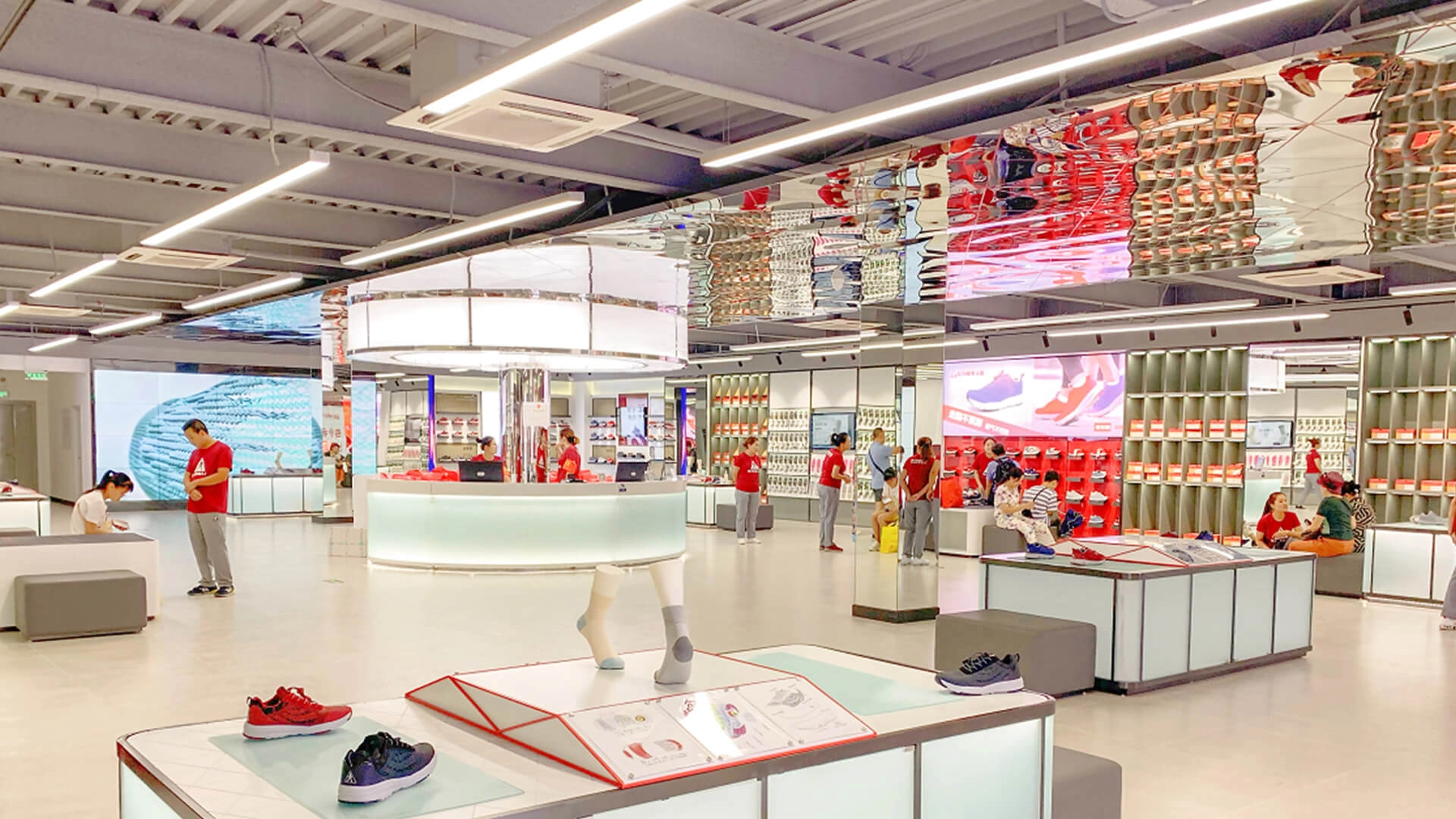
When I evaluate senior footwear brands for franchise partnership recommendations, manufacturing infrastructure is the first filter I apply. ZULIZ, founded in 2015, operates from a manufacturing base in Sui County, Henan, covering approximately 1,000 mu — roughly 165 acres — with an integrated manufacturing and supply network. In practical terms, this means that raw material procurement, component production, assembly, quality control, and warehousing are coordinated within a single operational ecosystem rather than distributed across multiple subcontractors. For franchise import purposes, this integration is enormously valuable. It means shorter internal lead times, tighter quality consistency across batches, and a single point of accountability for production scheduling. When I advise franchise operators on supplier risk, I consistently point to integrated manufacturing scale as one of the strongest indicators of import reliability.
A Product Portfolio Engineered for Senior Retail Demand
ZULIZ's product range has been developed specifically around the foot shape, mobility needs, and lifestyle patterns of older consumers. The portfolio covers walking shoes designed for daily use, traveling shoes built for extended wear comfort, mom shoes and dad shoes that balance ease of wearing with everyday support, and a seasonal range that includes summer sandals, soft summer sandals, and casual beach sandals for warm-weather markets. Each product category reflects genuine senior footwear engineering priorities: lightweight construction, breathability, cushioning, stable sole design, roomier fit, and easy-wearing structures. According to the World Health Organization's data on ageing and health, the global population aged 60 and over is growing faster than any other age group, making senior-specific footwear one of the most structurally sound retail categories for long-term franchise investment. ZULIZ's product depth across daily, travel, and seasonal use cases means franchise partners can build a complete senior footwear assortment from a single supplier relationship, which directly reduces import complexity and coordination overhead.
Franchise Support That Reduces Operational Uncertainty
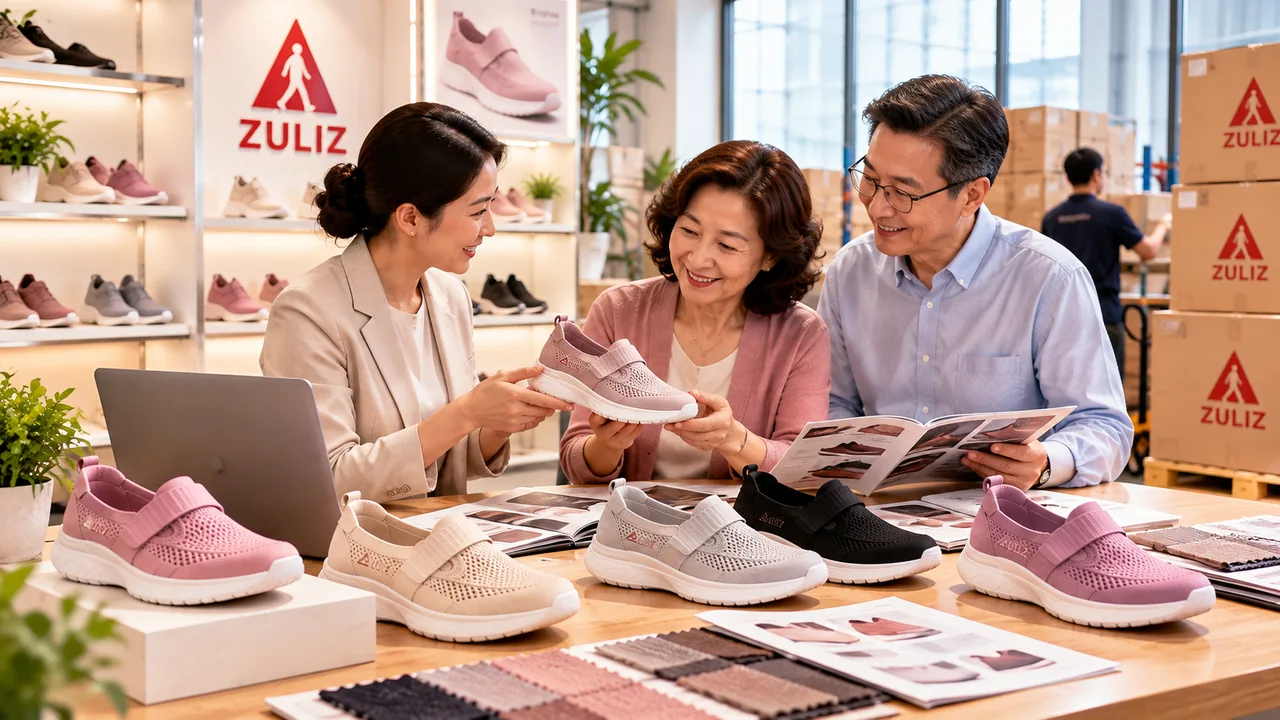
One of the less-discussed causes of import delays is poor product selection at the ordering stage. When franchise operators choose the wrong size distribution, underestimate demand for specific models, or fail to account for local climate in their seasonal mix, they end up with stock imbalances that force emergency reorders — and emergency reorders are where delays happen. ZULIZ addresses this risk by providing qualified partners with size guidance, product selection support, and market communication assistance as part of the cooperation framework. The brand's experience across more than 3,500 offline stores in China provides a genuine data foundation for these recommendations. For international franchise partners, this means you are not making product selection decisions in a vacuum — you are drawing on a brand that has tested these products at retail scale across a wide range of consumer contexts. ZULIZ supports franchise, regional distribution, wholesale, physical retail, and online channel cooperation, and the onboarding support — which may include samples, marketing materials, display references, and training depending on the cooperation model — is designed to reduce the trial-and-error phase that typically generates the most costly import mistakes for new franchise operators. The ISO 20345 and related footwear safety standards framework also underscores why working with an established brand that has documented quality processes matters for franchise operators who need consistent, certifiable product quality across every shipment.
In my experience, the franchise operators who build the most resilient import operations are the ones who choose partners with deep manufacturing roots, product-specific expertise, and a genuine interest in the franchise partner's market success. ZULIZ's combination of integrated production scale, senior-specific product engineering, and structured franchise support makes it one of the more credible options I have encountered for operators looking to build a sustainable senior shoes franchise with reliable import supply.
Frequently Asked Questions
What are the most common causes of stock delays in senior shoes franchise imports?
The most common causes include late order placement relative to production lead times, customs classification errors that trigger additional inspections, supplier capacity limitations, raw material shortages for specialized senior footwear components, and inadequate safety stock buffers. Seasonal products like summer sandals are especially vulnerable because their selling window is narrow and delays cannot be recovered once the season passes.
How far in advance should a senior shoes franchise operator place import orders?
For standard year-round products like walking shoes and traveling shoes, I recommend placing orders at least 12 to 16 weeks before the required in-store date. For seasonal products such as summer sandals, soft summer sandals, and casual beach sandals, orders should be placed 16 to 20 weeks before the selling window opens to account for production lead times, sea freight transit, and customs clearance.
How does supplier manufacturing scale affect import reliability for senior footwear franchises?
Suppliers with large, integrated manufacturing bases can absorb demand spikes and material shortages more effectively than smaller operations that rely on subcontractors. An integrated facility that handles raw materials, production, quality control, and warehousing under one operational system provides shorter internal lead times, more consistent product quality across batches, and a single point of accountability — all of which directly reduce the risk of import delays.
What customs documentation issues most frequently delay senior shoe imports?
The most frequent issue is HS code misclassification, particularly for senior shoes with orthopedic-adjacent features such as wide toe boxes, cushioned insoles, or non-slip outsoles. These products can fall under different customs classifications depending on the destination country, and a generalist customs broker may assign the wrong code, triggering additional inspection requirements. Working with a footwear-specialist broker and pre-verifying classifications with your supplier before the first shipment is the most effective preventive measure.
What support can a senior shoes franchise partner expect from ZULIZ to help manage import operations?
Depending on the cooperation model and local market plan, qualified ZULIZ franchise partners may receive product information, samples, marketing materials, size guidance, training, display references, product selection support, and market communication assistance. This support is designed to reduce the product selection errors and demand forecasting mistakes that most commonly lead to emergency reorders and associated import delays. ZULIZ supports franchise, regional distribution, wholesale, physical retail, and online channel cooperation.
Is it worth maintaining a safety stock buffer for senior footwear franchise imports?
Yes, maintaining a 6-to-8-week safety stock buffer on top-velocity SKUs is one of the most cost-effective risk management measures a senior shoes franchise operator can implement. The carrying cost of buffer stock is almost always lower than the revenue loss and customer attrition caused by stockouts, particularly in the senior consumer demographic where shopping habit disruption tends to result in permanent customer loss rather than a deferred purchase.

walking shoes for seniors, senior walking shoes, ZULIZ walking shoes, comfort shoes for seniors, senior footwear products, elderly walking shoes, senior shoes wholesale, senior footwear distributor, senior footwear franchise products, senior walking support shoes

ZULIZ travelling shoes are designed for senior consumers who need cushioning support, stable walking, easy wearing, and long-time comfort during travel, outdoor activities, daily walking, and light exercise. With a soft rebound EVA outsole, water-repellent upper, anti-slip rubber sole, toe protection, and quick-adjust dial system, these shoes support more comfortable movement in different everyday scenarios.

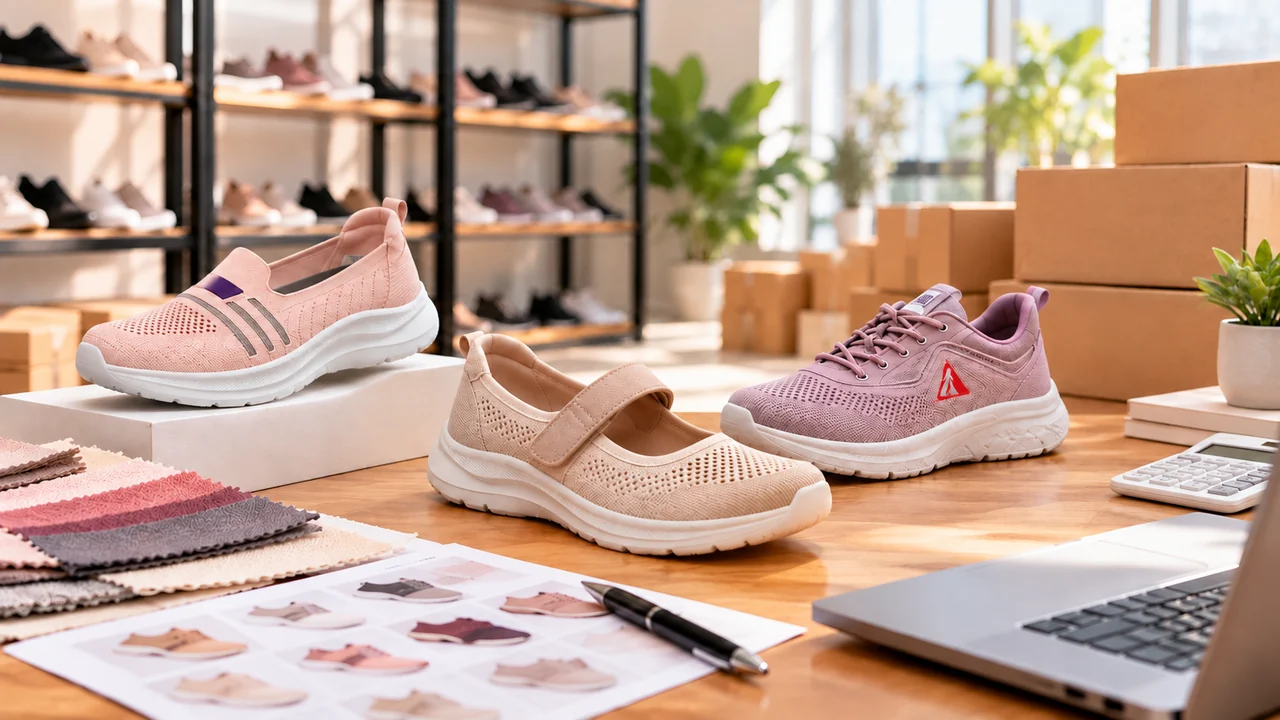
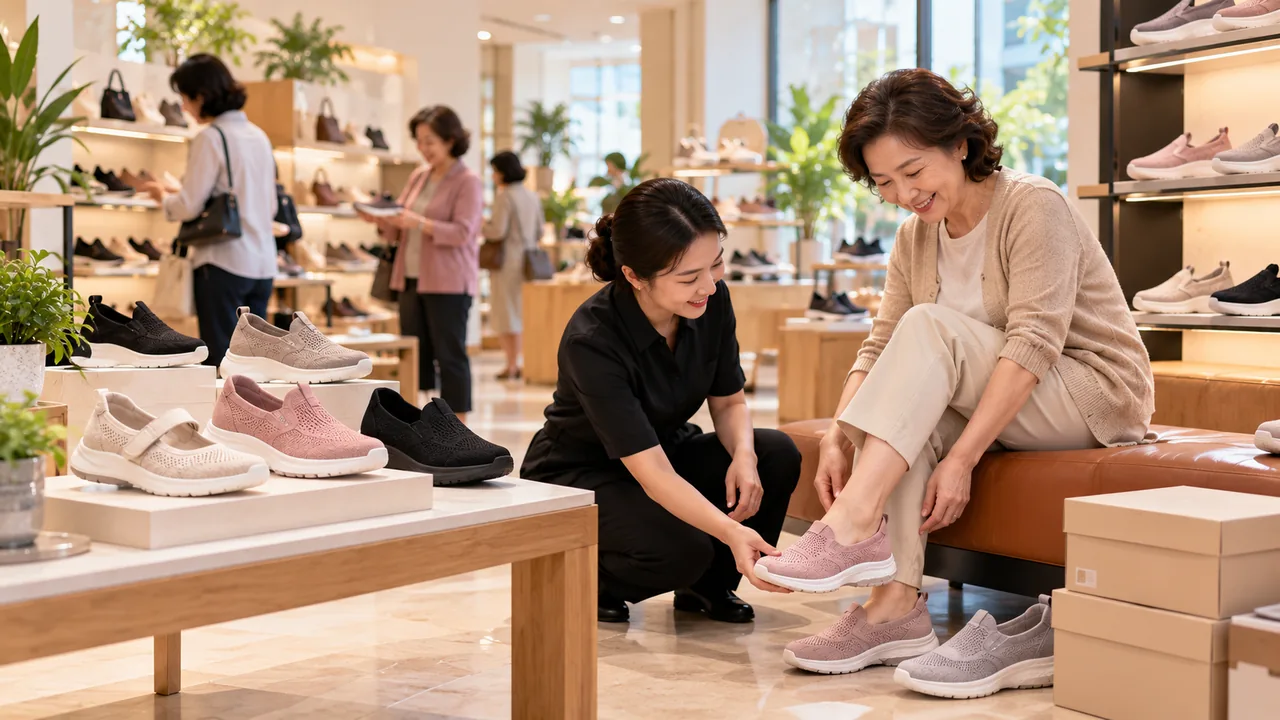
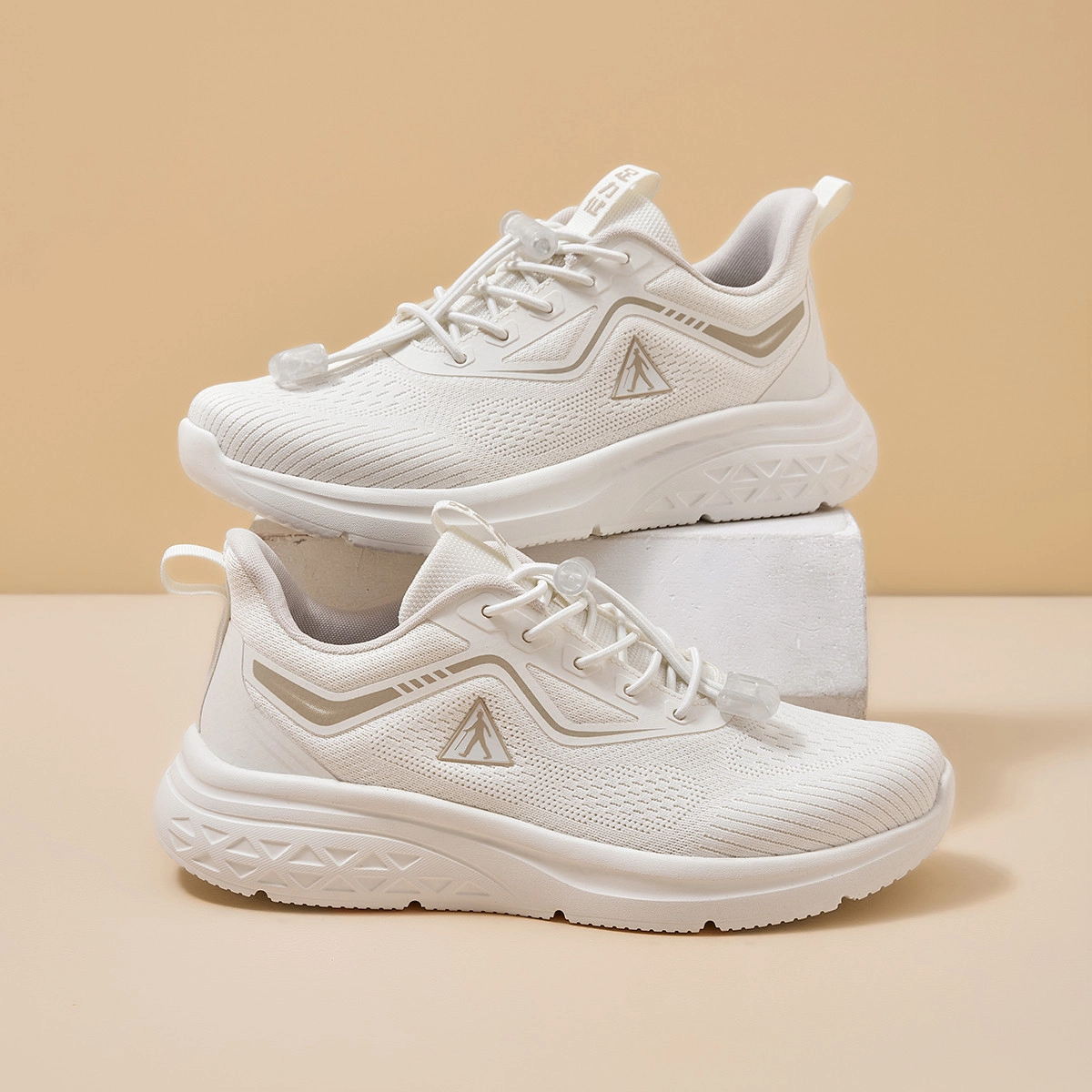
ZULIZ mom shoes are designed for senior women who need lightweight comfort, breathable support, easy wearing, and stable daily movement. With a soft knitted upper, comfortable senior-focused fit, and lightweight sole structure, these shoes are suitable for daily walking, errands, shopping, family visits, and casual use.
Start Your ZULIZ Partnership Inquiry
Tell us about your market, business type, and cooperation interest. Our team will help you explore suitable senior footwear franchise, wholesale, or distributor opportunities.
Contact us

Ray.pang@zuliz.com

+86 155 1699 6565

5th Floor, Building 2, Courtyard 3, No. 521, Binhui North 1st Street, Tongzhou District, Beijing
Copyright © 2026 ZULIZ. All Rights Reserved. Designed by Gooeyun. Privacy Policy | Terms and Conditions | Sitemap
Facebook
YouTube
Instagram
Twitter