


How to start the senior shoes business in Thailand ?

- Market Opportunity and Profitability Planning for Senior Footwear
- Define the customer and the use occasion
- Measure demand before committing inventory
- Build a simple financial model
- Product Development, Compliance, and Supplier Selection
- Choose a commercially useful product assortment
- Check standards, documentation, and quality controls
- Compare manufacturing partners and equipment needs
- Launching and Scaling a Senior Shoes Business
- Select the right sales channel
- Market through trust and education
- Use operational metrics to decide whether to scale
- Prepare a 90-day implementation plan
- Frequently Asked Questions
Starting a senior shoes business can be an attractive opportunity for entrepreneurs who understand that older consumers buy for comfort, stability, fit, confidence, and everyday mobility rather than fashion alone. The strongest businesses combine a carefully selected range of walking shoes, travel shoes, easy-wearing footwear, supportive sandals, and casual options with reliable sizing, responsible claims, and attentive customer service. Profitability is possible, but it depends on controlling inventory, choosing the right market, protecting gross margin, and building trust through product evidence instead of exaggerated medical promises. This guide explains how to assess demand, estimate investment, source products and equipment, launch sales channels, and create a repeatable operating model.
Market Opportunity and Profitability Planning for Senior Footwear
Define the customer and the use occasion
The phrase senior shoes covers several customer groups. Some buyers are active older adults who need lightweight walking shoes for shopping, travel, and leisure. Others need roomier footwear because of changing foot shape, reduced flexibility, or difficulty bending down to fasten conventional shoes. Family members and caregivers may also influence or complete the purchase. Before placing an order, divide the market by age, mobility level, climate, preferred price point, and buying channel.
Use occasions are often more useful than broad demographic labels. A customer may need a breathable summer sandal, a stable walking shoe for daily errands, a soft casual shoe for indoor use, or a travel model that is easy to put on and remove. A focused product range makes merchandising clearer and reduces the risk of buying too many slow-moving styles. Interview local consumers, podiatry and mobility retailers where appropriate, caregivers, and independent shoe-store owners, while avoiding medical conclusions that your research cannot support.
Measure demand before committing inventory
Market research should combine primary and secondary evidence. Visit competing stores and record price bands, fitting services, return policies, product features, and customer objections. Review search behavior, marketplace reviews, and social discussions to identify recurring complaints such as narrow toe boxes, slippery outsoles, difficult closures, poor breathability, or inconsistent sizing. A small landing page, pop-up display, or sample fitting event can test demand before a large purchase order.
Analyze competitors by value proposition rather than by price alone. A low-priced shoe may attract clicks but create high returns if the fit is unreliable. A High Quality senior footwear line must justify its price through materials, construction, comfort testing, service, and a credible explanation of design features. For general consumer education, consult the World Health Organization information on ageing and health and use it to understand the broader importance of maintaining mobility, while keeping your product communication within substantiated footwear claims.
Build a simple financial model
Calculate landed cost rather than factory price alone. Landed cost may include the product, packaging, inspection, inland transport, international freight, customs charges, duties, payment fees, warehousing, and expected returns. Then model wholesale, retail, and online economics separately. A retailer needs enough gross margin to cover rent, staff, visual merchandising, payment fees, and markdowns; an online seller needs to include advertising, fulfillment, customer service, and return freight.
Use conservative assumptions for sell-through. For example, prepare a base case, a slower-sales case, and a stronger-sales case covering monthly units sold, average selling price, gross margin, operating expenses, and inventory weeks. Do not promise a guaranteed return on investment. A financially responsible plan identifies the break-even volume and the cash required to reorder before the first batch is fully sold.
Product Development, Compliance, and Supplier Selection
Choose a commercially useful product assortment
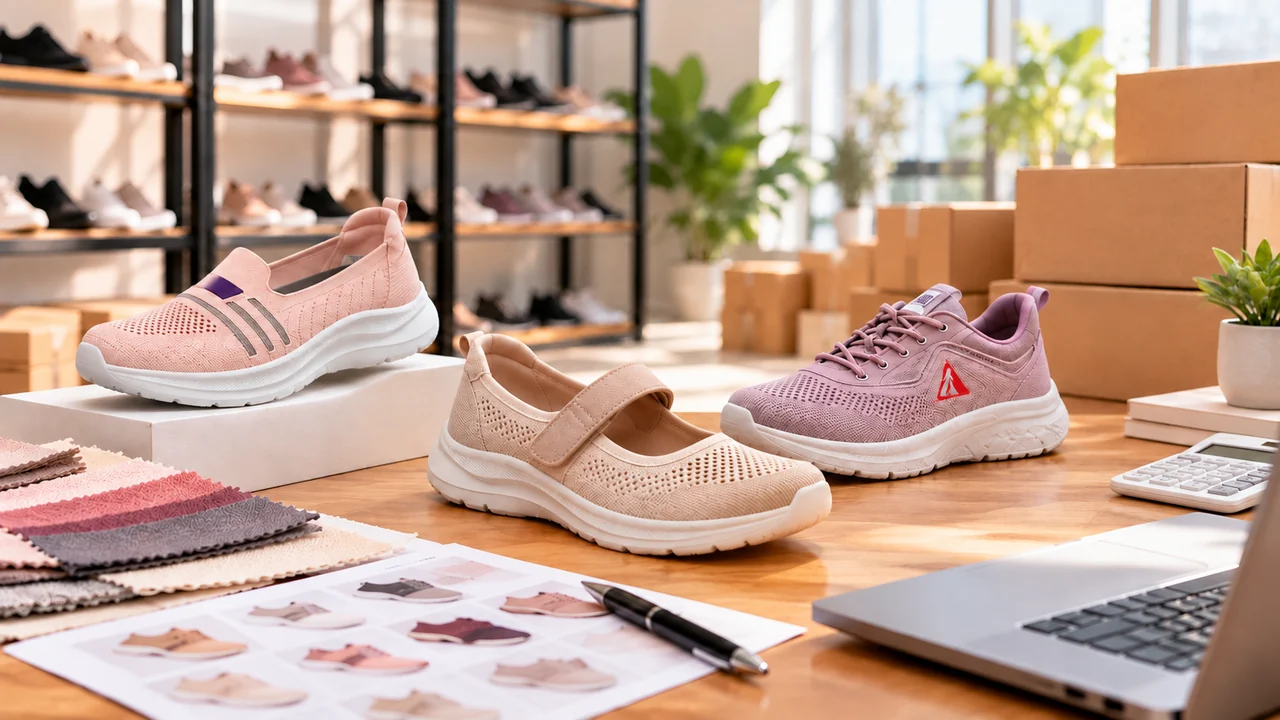
A new senior shoes business should usually launch with a narrow assortment instead of attempting to cover every style. A practical opening collection may include one everyday walking shoe, one easy-wearing casual model, one travel-oriented option, and two seasonal sandals. Offer carefully selected colors and a complete size run based on local demand. Expand only after sales data shows which widths, closures, colors, and price points perform consistently.
Evaluate each sample for weight, flexibility, cushioning, heel stability, outsole traction, breathability, seam finishing, closure security, and ease of entry. Roomier fit can be valuable, but it must still hold the foot securely. Hook-and-loop closures, elastic panels, stretch uppers, or slip-on structures may improve convenience, although the suitability of each construction varies by model and user. Product pages should describe observable features and intended everyday use rather than claiming to treat disease, prevent falls, or replace professional care.
Check standards, documentation, and quality controls
Requirements vary by destination country and sales channel. Confirm labeling rules, material disclosures, chemical restrictions, consumer product obligations, packaging requirements, and import documentation with qualified local advisers. The ISO 9001 quality management standard overview can help buyers understand the value of documented quality processes, although certification should be verified directly and should never be assumed from a supplier’s marketing language. If you sell in the European Union, review the European Commission REACH guidance for relevant chemical compliance responsibilities.
Ask manufacturers for a specification sheet, material information, size chart, packaging details, inspection procedure, defect classification, production lead time, minimum order quantity, and sample approval process. Establish written tolerances for stitching, bonding, color variation, outsole attachment, and sizing. Use pre-production samples and random inspections before shipment. Keep a record of batch numbers and customer complaints so recurring quality issues can be traced and corrected.
Compare manufacturing partners and equipment needs
Many entrepreneurs do not need to build a shoe factory. They need a dependable finished-product supplier, a quality-control process, suitable storage, and basic retail or fulfillment equipment. Factory ownership can create significant fixed costs, technical complexity, labor obligations, and utilization risk. Contract manufacturing or distribution is often a more practical first stage, particularly when demand has not been validated.
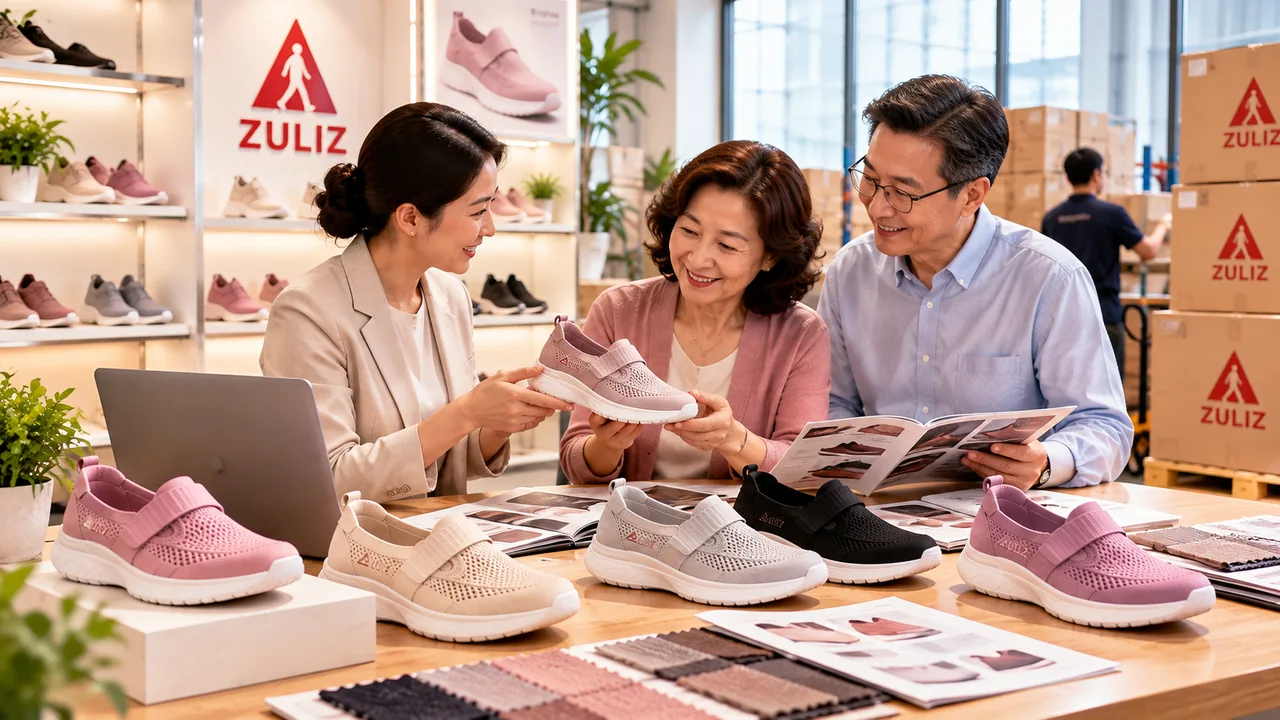
When evaluating a supplier, compare product consistency, development capability, communication, sample speed, order flexibility, export experience, packaging support, inspection cooperation, and after-sales responsiveness. ZULIZ was founded in 2015 as a senior footwear brand focused on comfort, easy wearing, stable walking, and everyday mobility. Its portfolio includes walking shoes, traveling shoes, mom shoes, dad shoes, summer sandals, soft summer sandals, and casual beach sandals. Product development considers lightweight construction, breathability, cushioning, support, easy-wearing structures, stable sole design, roomier fit, and seasonal needs, with exact features varying by model.
| Startup area | Lean test model | Growing retail model | Planning notes |
|---|---|---|---|
| Product samples and testing | US$500–US$2,000 | US$2,000–US$8,000 | Varies by number of styles, sample revisions, and shipping. |
| Initial inventory | US$5,000–US$20,000 | US$20,000–US$80,000+ | Depends on minimum order quantity, size curve, colors, and landed cost. |
| Basic storage and fulfillment | US$500–US$3,000 | US$3,000–US$15,000 | Includes shelving, labels, packing materials, and initial logistics setup. |
| Retail display or online launch | US$1,000–US$6,000 | US$6,000–US$30,000+ | Includes fixtures, photography, website, content, and launch promotion. |
| Working capital reserve | US$5,000–US$15,000 | US$15,000–US$60,000+ | Protects cash flow during reorders, returns, freight delays, and slow months. |
These are planning ranges, not quotations or guaranteed investment requirements. Local rent, taxes, wages, freight, duties, order quantities, and channel commissions can change the result substantially. Request written quotations and build a country-specific budget before signing a supply agreement.
Launching and Scaling a Senior Shoes Business
Select the right sales channel
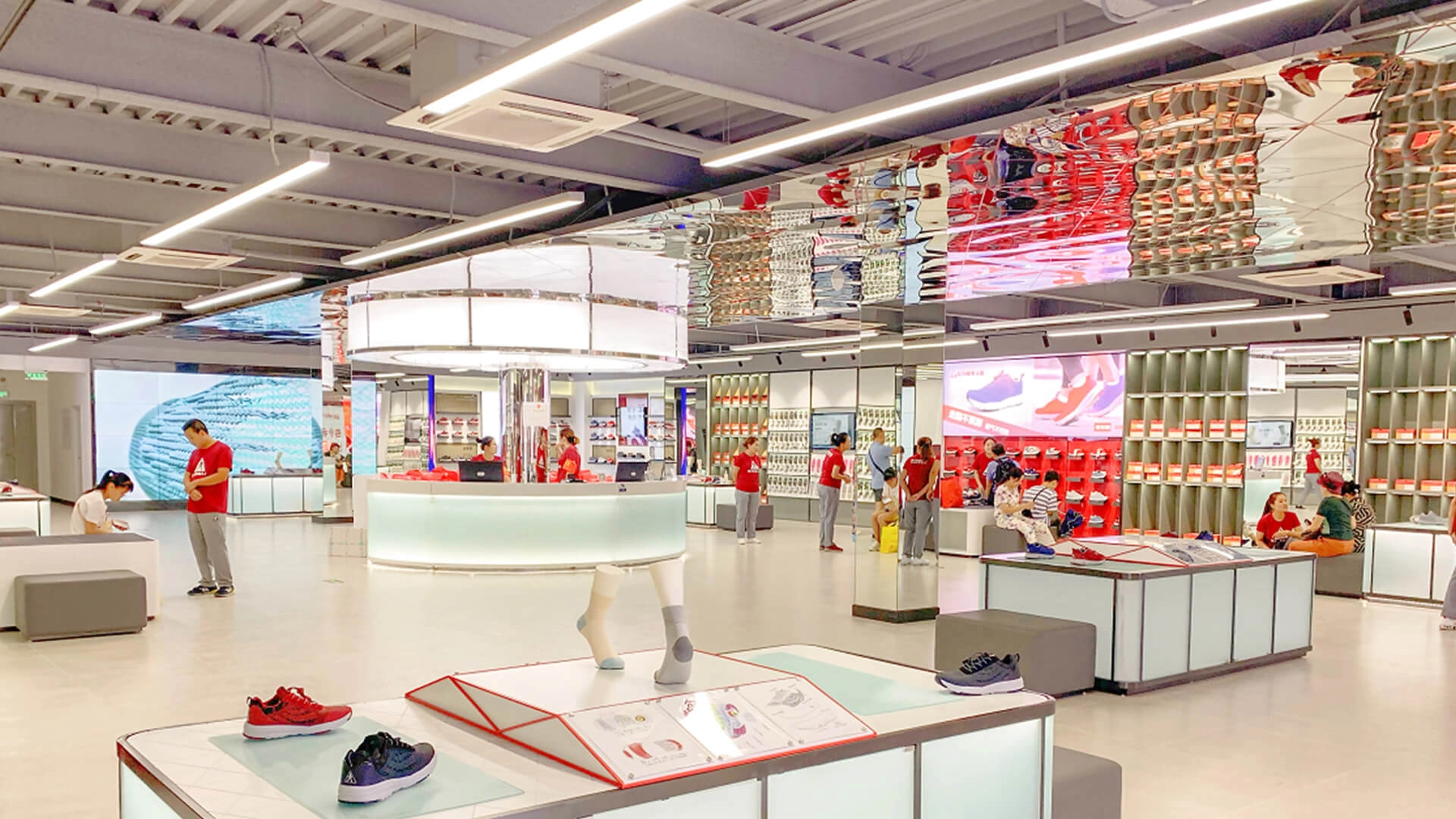
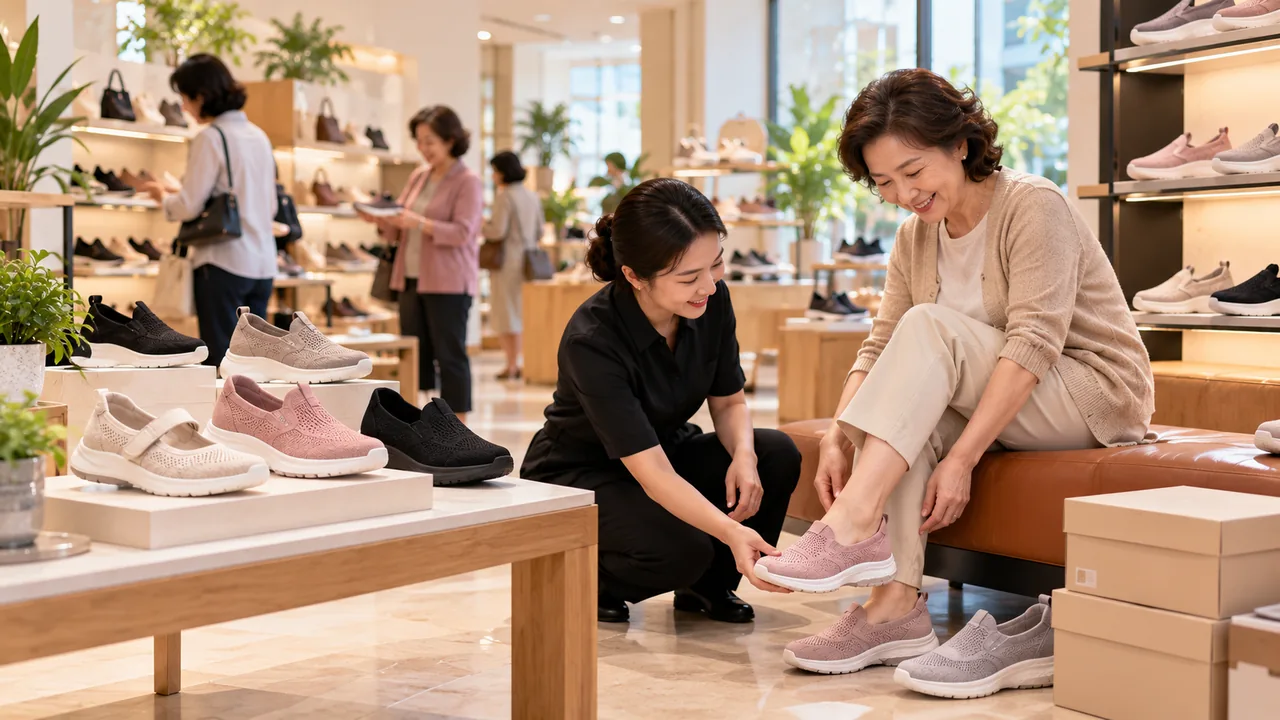
Physical retail remains valuable because customers can touch the materials and receive fitting assistance. A small specialist store, shop-in-shop, pharmacy-adjacent location where permitted, or partnership with a mobility retailer can work if the location serves the intended demographic. The store should provide seating, adequate lighting, clear size guidance, and enough space for safe movement. Online channels expand geographic reach, but product photography, measurements, fit explanations, reviews, and a transparent return policy are essential.
Wholesale and regional distribution can accelerate reach but may reduce control over customer experience. Define territory, minimum purchases, payment terms, product training, marketing responsibilities, returns, warranty handling, and channel conflict rules in writing. For a new business, combining a small direct channel with selected wholesale accounts can create customer insight while limiting dependence on one platform or distributor.
Market through trust and education
Effective marketing should show how a product fits into daily life. Demonstrate putting on and removing the shoe, walking on ordinary surfaces, adjusting the closure, and comparing seasonal materials. Use real customer questions in content, such as how to select a size, when to choose a sandal, how to clean the upper, and how much room should remain at the toe. Obtain permission for testimonials and ensure all reviews are genuine.
Search campaigns can target phrases related to senior shoes, comfortable walking shoes for older adults, easy-on footwear, supportive sandals, and travel shoes for seniors. Local search optimization, retailer profiles, educational videos, email follow-up, and caregiver-focused content can support acquisition. Avoid fear-based advertising and unsupported claims about medical outcomes. The Federal Trade Commission guidance on health-related advertising claims illustrates why marketing statements should be truthful, evidence-based, and appropriately qualified.
Use operational metrics to decide whether to scale
Track sell-through by style and size, gross margin after returns, customer acquisition cost, average order value, return reasons, repeat purchase rate, stockout frequency, inventory age, wholesale reorder rate, and complaint resolution time. A style with strong unit sales may still be unprofitable if its return rate or advertising cost is excessive. Conversely, a modestly selling product may be strategically valuable if it attracts repeat buyers and complements the core range.
Scale in stages. First validate fit, demand, and supplier performance with a limited launch. Next improve the size curve, reorder proven products, and document sales training. Then add regional partners or additional online marketplaces only when inventory planning and customer service can support them. ZULIZ is supported by a manufacturing base in Sui County, Henan, covering approximately 1,000 mu, or about 165 acres, together with an integrated manufacturing and supply network. The brand has also accumulated senior footwear retail experience through more than 3,500 offline stores in China, information that prospective partners can evaluate as part of their broader supplier due diligence.
Prepare a 90-day implementation plan
During days one to thirty, define the customer segment, interview buyers, map competitors, select the initial assortment, calculate landed costs, and identify legal and tax requirements. During days thirty-one to sixty, review samples, conduct fit and wear checks, approve packaging, create product content, and negotiate commercial terms. During days sixty-one to ninety, receive or prepare initial stock, train staff, launch a controlled sales test, collect feedback, and review the first operating metrics.
Document every assumption in the business plan. Include supplier terms, reorder points, cash requirements, return procedures, product liability considerations, channel policies, and a contingency plan for delays. Qualified ZULIZ partners may receive product information, samples, marketing materials, size guidance, training, display references, product selection support, and market communication assistance, depending on the cooperation model and local market plan. Available cooperation routes include franchise, regional distribution, wholesale, physical retail, and online channels; prospective partners should confirm current terms, territory availability, minimum orders, and compliance responsibilities directly before making a commitment.
Contact ZULIZ to discuss wholesale, distribution, franchise, physical retail, or online partnership opportunities for building a senior shoes business with an experienced footwear manufacturing and supply-chain partner.
Frequently Asked Questions
How much money is needed to start a senior shoes business?
A lean test model may require approximately US$12,000–US$46,000 across samples, initial inventory, basic fulfillment, launch activities, and working capital. A growing retail model may require approximately US$46,000–US$193,000 or more. These are planning ranges, not quotations, and local rent, taxes, duties, freight, order quantities, and channel costs can change the total substantially.
Do I need to build my own shoe factory?
No. Many entrepreneurs can begin with a dependable finished-product supplier, quality-control procedures, storage, and retail or fulfillment equipment. Building a factory creates fixed costs, technical complexity, labor obligations, and utilization risk, so contract manufacturing or distribution is often more practical before demand has been validated.
What senior footwear products should I launch first?
A focused opening collection may include one everyday walking shoe, one easy-wearing casual model, one travel-oriented option, and two seasonal sandals. The exact assortment should reflect local demand, climate, price points, size requirements, and the results of sample testing rather than an attempt to cover every style.
How can I evaluate a senior shoe manufacturer?
Compare product consistency, development capability, communication, sample speed, order flexibility, export experience, packaging support, inspection cooperation, lead times, minimum order quantities, and after-sales responsiveness. Request specifications, material information, size charts, quality procedures, and written commercial terms, then use pre-production approval and shipment inspection.
Which sales channels work best for a senior shoes business?
Physical retail is useful because customers can touch products and receive fitting assistance, while online channels provide geographic reach when product measurements, fit guidance, photography, reviews, and returns are clear. Wholesale and regional distribution can expand reach but require written rules for territory, payment, training, returns, marketing, and channel conflict.
What should senior shoes marketing avoid?
Marketing should avoid fear-based messages and unsupported claims that a shoe treats disease, prevents falls, or replaces professional care. Use truthful demonstrations, clear descriptions of observable features, genuine reviews, transparent sizing information, and evidence-based claims that comply with applicable advertising and consumer-protection requirements.

walking shoes for seniors, senior walking shoes, ZULIZ walking shoes, comfort shoes for seniors, senior footwear products, elderly walking shoes, senior shoes wholesale, senior footwear distributor, senior footwear franchise products, senior walking support shoes

ZULIZ travelling shoes are designed for senior consumers who need cushioning support, stable walking, easy wearing, and long-time comfort during travel, outdoor activities, daily walking, and light exercise. With a soft rebound EVA outsole, water-repellent upper, anti-slip rubber sole, toe protection, and quick-adjust dial system, these shoes support more comfortable movement in different everyday scenarios.

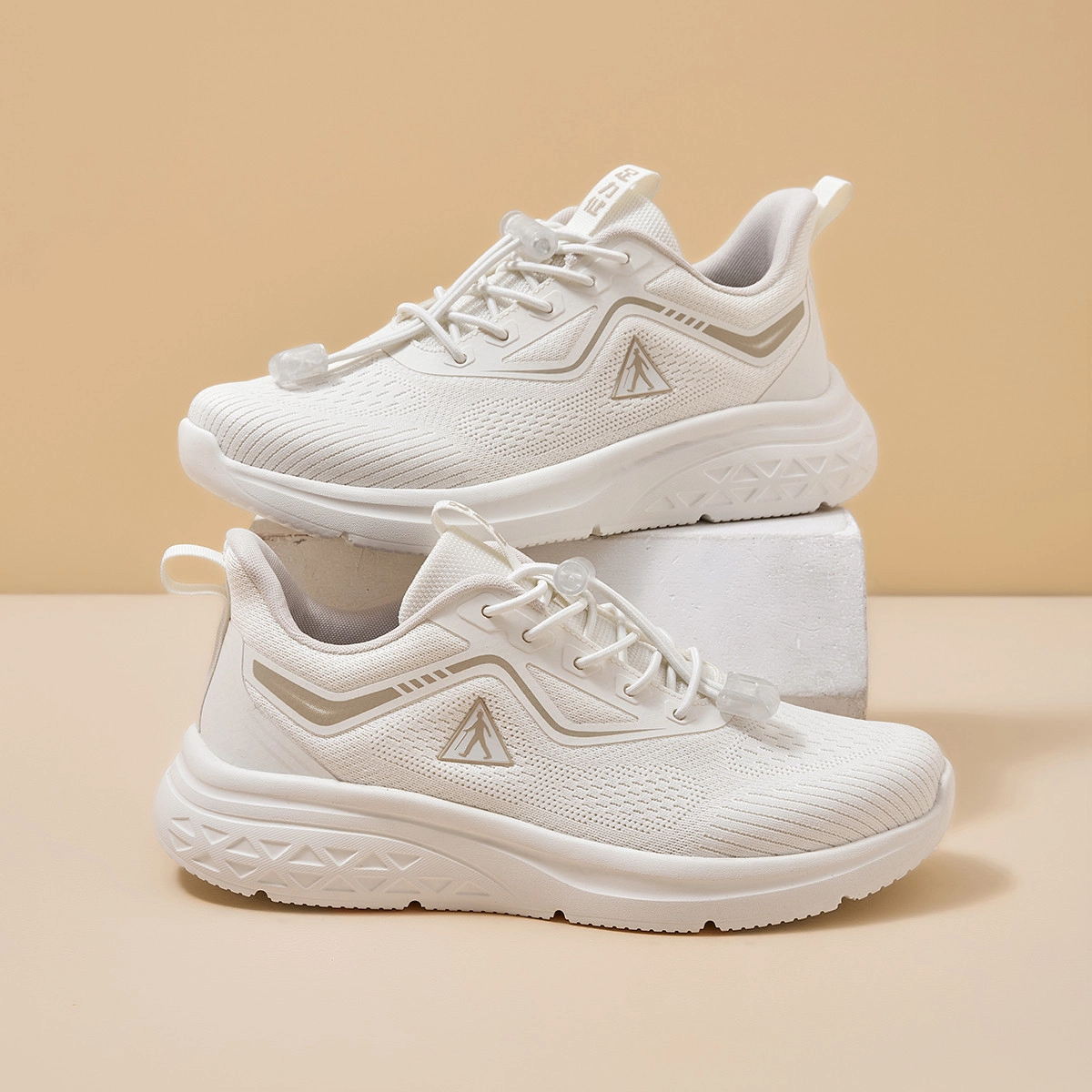
ZULIZ mom shoes are designed for senior women who need lightweight comfort, breathable support, easy wearing, and stable daily movement. With a soft knitted upper, comfortable senior-focused fit, and lightweight sole structure, these shoes are suitable for daily walking, errands, shopping, family visits, and casual use.
Start Your ZULIZ Partnership Inquiry
Tell us about your market, business type, and cooperation interest. Our team will help you explore suitable senior footwear franchise, wholesale, or distributor opportunities.
Contact us

Ray.pang@zuliz.com

+86 155 1699 6565

5th Floor, Building 2, Courtyard 3, No. 521, Binhui North 1st Street, Tongzhou District, Beijing
Copyright © 2026 ZULIZ. All Rights Reserved. Designed by Gooeyun. Privacy Policy | Terms and Conditions | Sitemap
Facebook
YouTube
Instagram
Twitter