


OEM Senior Shoes: Custom Logo, Packaging, and Private Label Options

- How Private-Label Footwear Programs Are Structured
- Choosing between stock customization and full OEM development
- Defining the performance brief for older consumers
- Building a procurement specification sheet
- Custom Logo, Packaging, and Brand-Control Decisions
- Logo application methods and approval controls
- Packaging that protects product and supports retail conversion
- Private-label economics and minimum order planning
- Quality Assurance and Launch Management for OEM Senior Footwear
- Inspection checkpoints from sample to shipment
- Documentation, compliance, and traceability
- Commercial launch readiness
- Why ZULIZ Is a Practical OEM and Distribution Partner
- Senior-focused product development and category coverage
- Manufacturing scale and market operating experience
- Cooperation support for international buyers
- Buyer checklist before placing a purchase order
- Frequently Asked Questions
OEM senior shoes programs give brand owners, retailers, importers, care operators, and regional wholesalers a practical way to build a differentiated footwear range for older consumers. Custom logo application, branded packaging, private-label development, size planning, material selection, and controlled production can turn a generic product into a market-ready offer. The strongest projects connect senior foot comfort with procurement discipline: a supplier must understand foot shape, easy wearing, balance, sole stability, packaging protection, quality inspection, labeling, and repeat-order economics. For a senior shoes distributor, the objective is not simply to place a logo on an existing upper; it is to create a reliable product system that older consumers can use confidently across walking, shopping, travel, leisure, and warm-weather activities.
How Private-Label Footwear Programs Are Structured
Choosing between stock customization and full OEM development
Most footwear projects fall into three practical models. Stock customization uses an existing style with limited changes such as a logo, colorway, insole print, outsole branding, or carton artwork. It normally offers the fastest route to market and reduces tooling risk. Semi-custom OEM adjusts materials, trims, closure systems, color combinations, fit details, or packaging while retaining a proven construction. Full private-label development creates a new design, technical specification, mold, artwork package, and approval process. This model provides stronger differentiation but requires more development time, higher minimum quantities, and stricter sample control.
Buyers should define the desired degree of customization before requesting quotations. A project brief should state target consumer age group, climate, use scenario, price band, sales channel, size range, expected annual volume, preferred upper materials, closure type, color direction, packaging requirements, and destination-market labeling. Without this information, quotations may appear comparable while covering different specifications, testing levels, or service scopes.
Defining the performance brief for older consumers
Senior footwear should be specified around use rather than decoration. A daily walking model may need a lightweight construction, breathable upper, cushioned footbed, stable outsole geometry, and a roomier fit. A travel style may prioritize low weight, flexible movement, secure fastening, and easy packing. Summer sandals require attention to ventilation, foot contact surfaces, strap comfort, outsole grip, and material performance in warm conditions. Easy-wearing structures such as hook-and-loop fastening, elastic panels, slip-on entry, adjustable openings, or pull tabs can be valuable, but each feature must be checked for security, durability, and appearance.
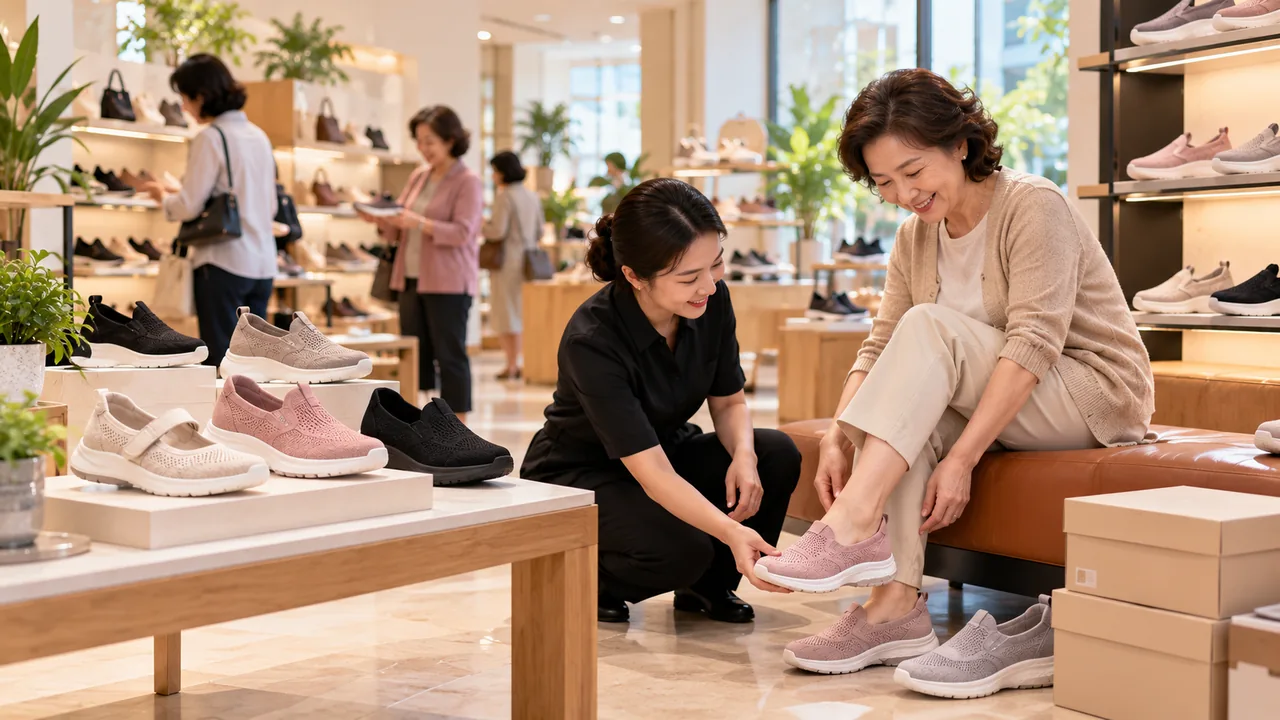
Fit development deserves a formal approval process. Older consumers may have wider forefeet, reduced flexibility, sensitive pressure areas, swelling, or different left and right foot dimensions. A responsible supplier should provide a size chart, last information where available, fitting samples, measurement guidance, and recommendations for local market grading. Buyers should assess toe room, instep volume, heel hold, collar pressure, insole removability, and walking stability rather than approving a sample solely from photographs.
Building a procurement specification sheet
A technical specification sheet converts commercial expectations into measurable production requirements. It should identify upper, lining, sockliner, outsole, adhesive, thread, hardware, logo method, color references, size range, unit weight target, carton dimensions, packing ratio, country-of-origin marking, and inspection criteria. It should also identify tolerances for dimensions, color variation, bonding, stitching, surface defects, odor, and packaging damage.
Product claims must remain accurate and supportable. Terms such as lightweight, breathable, cushioned, supportive, non-slip, or orthopedic can carry different commercial and regulatory implications depending on the market and evidence available. A supplier should distinguish general comfort positioning from medical claims and should provide test information when a buyer intends to make a specific performance statement. The ISO 20347 occupational footwear standard illustrates how footwear requirements can be organized through defined performance characteristics, although ordinary consumer senior shoes may not fall within its scope.
Custom Logo, Packaging, and Brand-Control Decisions
Logo application methods and approval controls
Logo execution affects appearance, durability, minimum order quantity, and unit cost. Common options include woven labels, printed labels, heat-transfer marks, embroidery, debossed or embossed components, molded outsole logos, metal badges, zipper pulls, branded insoles, and printed tissue paper. The suitable method depends on the location, material, washing or abrasion exposure, logo size, color count, and desired brand expression.
Artwork should be supplied in editable vector format with approved color references and clear dimensions. The buyer should request a logo strike-off, digital rendering, or physical placement sample before bulk production. Approval should cover position, scale, thread or ink color, edge definition, contrast, and orientation on left and right shoes. A golden sample or sealed reference sample then becomes the visual benchmark for mass production. This simple control reduces disputes caused by memory, screen-color differences, or informal messaging.
Packaging that protects product and supports retail conversion
Private-label packaging has two jobs: protect the footwear through international handling and communicate product value at the point of sale. A basic shoe box may be appropriate for wholesale cartons, while a retail program may require a stronger box, tissue paper, size sticker, barcode label, care instructions, product card, hangtag, and reusable storage feature. For e-commerce, packaging must also tolerate parcel distribution and prevent upper deformation, sole scuffing, moisture exposure, and crushing.
Packaging development should consider carton compression, pallet efficiency, moisture control, print consistency, and local recycling requirements. Buyers should confirm whether packaging materials, inks, adhesives, and labels meet destination-market rules. Trademark ownership and permitted brand use should also be documented; the World Intellectual Property Organization trademark guidance provides useful background for protecting brand identifiers across markets. A supplier should not print private-label materials until artwork, legal marks, language versions, barcodes, and quantities have been formally approved.
Private-label economics and minimum order planning
Cost is influenced by more than the factory price. Buyers should calculate development fees, mold or tooling charges, logo setup, packaging plates, sample freight, testing, inspection, customs documentation, warehousing, payment terms, and inventory carrying cost. A low unit quotation can become uneconomical if the project requires multiple colorways, fragmented size runs, expensive cartons, or excessive packaging components.
Minimum order quantity should be assessed against realistic sell-through. A regional launch may require fewer units per style but a broader assortment, while a national retailer may accept larger volume in fewer core models. A balanced range often includes one or two dependable walking silhouettes, a travel-oriented option, everyday mom shoes or dad shoes, and seasonal sandals. Buyers should request a clear breakdown of minimum quantities by style, color, size, and reorder condition.
| Program element | Stock customization | Semi-custom OEM | Full private label | Buyer priority |
|---|---|---|---|---|
| Development speed | Fastest | Moderate | Longest | Match timing to launch calendar |
| Design differentiation | Limited | Moderate | Highest | Define brand positioning early |
| Tooling exposure | Usually low | Low to moderate | Potentially high | Confirm ownership and reuse terms |
| Sampling requirement | Logo and color approval | Fit and material approval | Full technical validation | Use a signed reference sample |
| Minimum order pressure | Generally lower | Moderate | Generally higher | Model demand before committing |
| Brand control | Basic | Strong | Highest | Control artwork, labeling, and QC |
Quality Assurance and Launch Management for OEM Senior Footwear
Inspection checkpoints from sample to shipment
Quality should be controlled in stages rather than discovered after shipment. During development, the buyer should approve materials, colors, fit, construction, outsole pattern, logo execution, and packaging. During production, in-line checks can identify stitching errors, uneven bonding, component substitution, color deviation, and incorrect size markings before large quantities are completed. A final inspection should verify workmanship, dimensions, pair matching, labeling, carton quantities, and packing condition against an agreed inspection plan.
Inspection criteria should be expressed in measurable language. For example, the specification can define acceptable limits for open seams, glue overflow, scratches, stains, logo misalignment, outsole separation, surface wrinkles, and incorrect accessories. Sampling procedures may reference recognized quality-control practices, but the buyer and supplier should agree on the applicable sampling level, defect classification, and escalation process in advance. Product safety obligations remain dependent on the destination market and the materials used.
Documentation, compliance, and traceability
Importers should request documents relevant to the product and destination market, such as commercial invoices, packing lists, material declarations, test reports where applicable, labeling files, and country-of-origin information. Chemical restrictions, consumer-product laws, packaging rules, and trademark requirements vary by jurisdiction. The European Chemicals Agency REACH information is a useful reference for businesses placing products on the European market, particularly when reviewing restricted substances and supply-chain responsibilities.
Traceability is particularly valuable when a private-label range is sold through multiple channels. Style codes, batch references, outsole versions, material lots, inspection records, and carton markings help identify issues and support corrective action. Buyers should also clarify procedures for handling complaints, replacement parts, quality claims, late delivery, and approved changes. A written change-control process prevents an unapproved material or component substitution from entering repeat production.
Commercial launch readiness
A successful launch requires more than delivered cartons. The supplier should provide accurate product names, size guidance, feature descriptions, care information, images, and merchandising recommendations. Sales staff and online operators need clear explanations of fit, fastening, seasonal use, and model differences. Product content should avoid exaggerated claims and should match the physical product consistently across packaging, websites, catalogs, and distributor training materials.
Inventory planning should separate core replenishment models from seasonal or experimental items. Walking shoes and everyday casual styles may support continuous demand, while summer sandals and soft summer sandals may need earlier booking and climate-specific allocation. A review after the first selling cycle should examine return reasons, size exchanges, customer comments, defect rates, sell-through, gross margin, and reorder speed. These findings can improve the next production run more effectively than adding unnecessary new styles.
Why ZULIZ Is a Practical OEM and Distribution Partner
Senior-focused product development and category coverage
ZULIZ was founded in 2015 as a senior footwear brand focused on comfort, easy wearing, stable walking, and everyday mobility for older consumers. Our product development is designed around daily walking, shopping, travel, leisure, warm-weather use, and other ordinary activities. Depending on the model, our engineering and product teams consider senior foot shapes, lightweight construction, breathability, cushioning, support, easy-wearing structures, stable sole design, roomier fit, and seasonal requirements.
Our portfolio gives business buyers several category paths for building a balanced assortment. Walking shoes can address regular urban use and daily movement. Travelling shoes can support lightweight packing and longer periods of activity. Mom shoes and dad shoes provide familiar lifestyle positioning for family-oriented or comfort-led retail programs. Summer sandals, soft summer sandals, and casual beach sandals extend the range into warm-weather shopping, leisure, holidays, and relaxed outdoor use. Specific features vary by model, allowing buyers to select products according to climate, channel, price point, and customer profile.
Manufacturing scale and market operating experience
Our manufacturing support includes a base in Sui County, Henan, covering approximately 1,000 mu, or about 165 acres, together with an integrated manufacturing and supply network. This structure supports coordination across product development, material sourcing, production planning, quality management, packaging, and shipment preparation. For private-label projects, an integrated network can improve communication between commercial requirements and factory execution, especially when a program includes several categories or packaging formats.
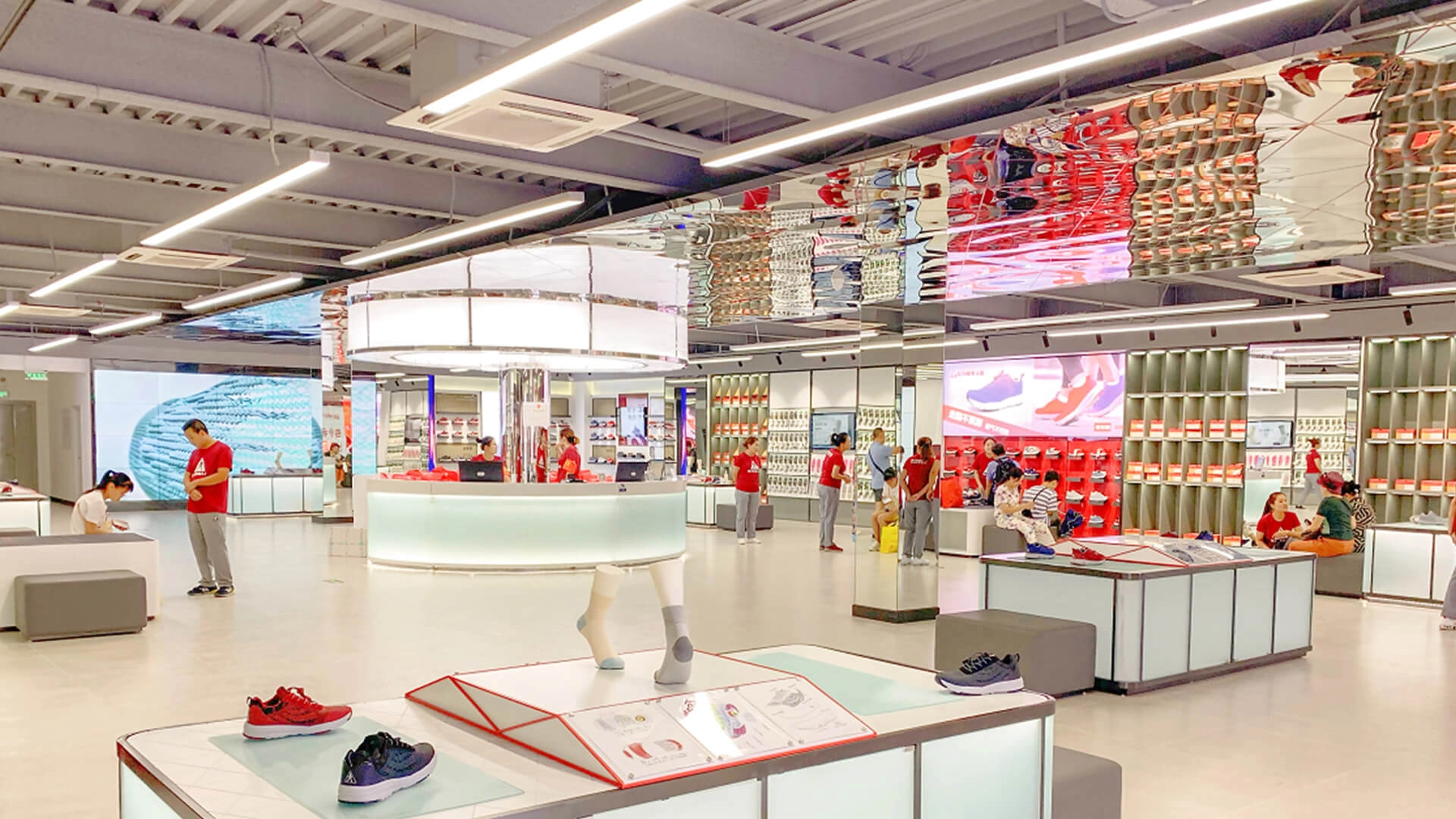
ZULIZ has also accumulated senior footwear retail experience through more than 3,500 offline stores in China. This market exposure helps inform product selection, display logic, size guidance, and communication for older consumers. Retail experience does not replace destination-market research, but it gives buyers a practical reference when evaluating assortment balance, feature communication, and the difference between a visually attractive style and a product that can support repeat sales.
Cooperation support for international buyers
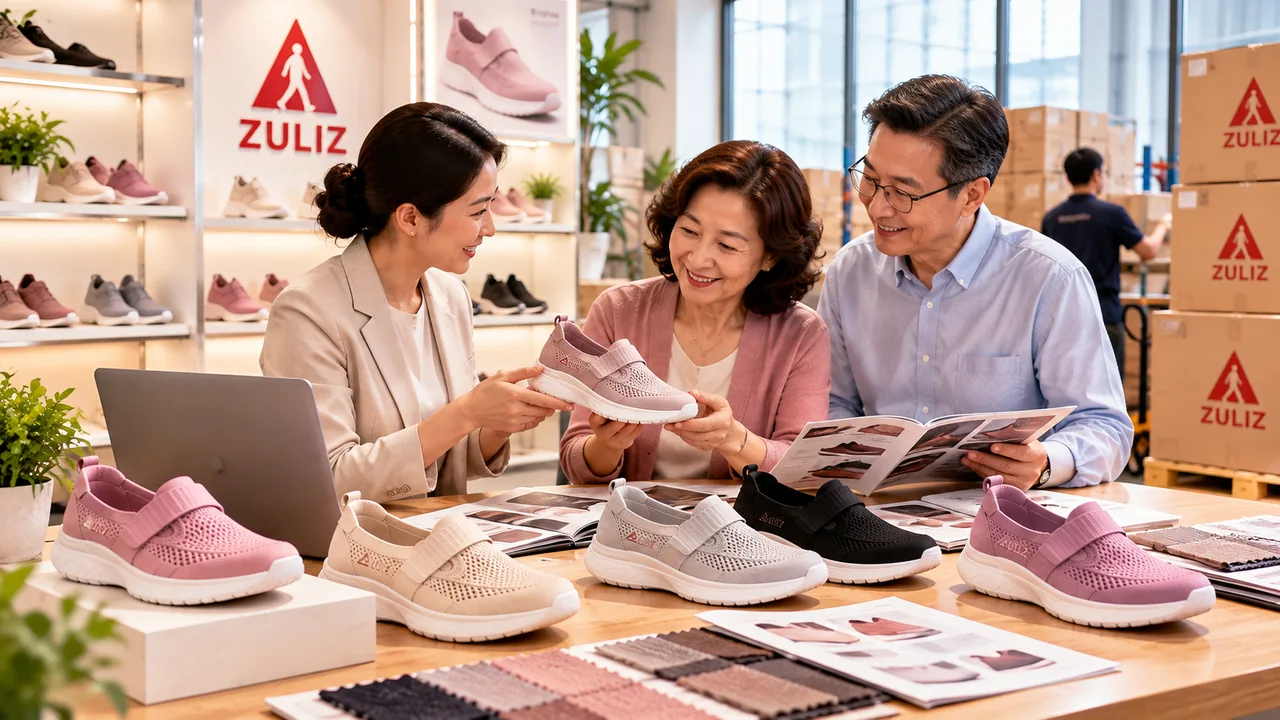
Depending on the cooperation model and local market plan, qualified partners may receive product information, samples, marketing materials, size guidance, training, display references, product selection support, and market communication assistance. Our cooperation options can support franchise, regional distribution, wholesale, physical retail, and online channel models. Brand owners can discuss private-label requirements, while channel operators can evaluate suitable ZULIZ products for their local customer base.
The recommended starting point is a structured product brief covering target market, consumer profile, sales channel, expected volume, preferred categories, logo requirements, packaging level, compliance needs, and launch timing. Our team can then help narrow the range, identify suitable walking shoes or sandals, organize samples, clarify customization boundaries, and establish approval checkpoints. This approach helps reduce avoidable development costs while preserving room for meaningful brand differentiation.
Buyer checklist before placing a purchase order
- Confirm the cooperation model, territory, channel rights, and forecast assumptions.
- Approve the technical specification, size chart, materials, colors, and closure structure.
- Review physical samples for fit, comfort, walking stability, finish, and logo placement.
- Approve packaging artwork, language, barcode, carton marks, and recycling information.
- Define inspection standards, defect categories, documentation, and change-control procedures.
- Confirm minimum order quantities, lead times, payment terms, reorder conditions, and claim handling.
- Prepare product content and sales training that accurately reflects each model’s features.
OEM senior footwear succeeds when product design, brand presentation, factory controls, and market execution are managed as one connected process. Buyers that establish measurable specifications and approve every critical stage are better positioned to protect customer trust, reduce returns, and build a repeatable category. For brands and distributors, the most valuable supplier is therefore not only a production source, but also a partner capable of translating senior mobility needs into consistent commercial products.
Contact ZULIZ to discuss custom logo, branded packaging, private-label development, or product selection across our senior footwear range.
Frequently Asked Questions
What is the difference between stock customization, semi-custom OEM, and full private label footwear?
Stock customization uses an existing style with limited changes such as a logo, colorway, insole print, outsole branding, or carton artwork. Semi-custom OEM adjusts materials, trims, closure systems, colors, fit details, or packaging while retaining a proven construction. Full private label development creates a new design, technical specification, mold, artwork package, and approval process.
What information should buyers include in an OEM senior footwear brief?
The brief should state the target consumer, climate, use scenario, price band, sales channel, size range, expected annual volume, preferred materials, closure type, color direction, packaging requirements, and destination-market labeling needs.
Which logo application methods are available for private-label shoes?
Common methods include woven labels, printed labels, heat-transfer marks, embroidery, debossed or embossed components, molded outsole logos, metal badges, zipper pulls, branded insoles, and printed tissue paper. The right method depends on material, location, abrasion exposure, logo size, colors, and order quantity.
How can buyers control quality during OEM shoe production?
Quality should be checked during development, production, and final inspection. Buyers should approve materials, colors, fit, construction, outsole pattern, logo execution, and packaging, then use in-line checks and final inspections to verify workmanship, dimensions, pair matching, labeling, carton quantities, and packing condition.
What senior footwear categories can ZULIZ support?
ZULIZ offers walking shoes, travelling shoes, mom shoes, dad shoes, summer sandals, soft summer sandals, and casual beach sandals. Product features vary by model and may include lightweight comfort, breathability, cushioning, support, easy-wearing structures, stable sole design, roomier fit, and seasonal suitability.
What support may qualified ZULIZ business partners receive?
Depending on the cooperation model and local market plan, qualified partners may receive product information, samples, marketing materials, size guidance, training, display references, product selection support, and market communication assistance. Cooperation can support franchise, regional distribution, wholesale, physical retail, and online channels.

walking shoes for seniors, senior walking shoes, ZULIZ walking shoes, comfort shoes for seniors, senior footwear products, elderly walking shoes, senior shoes wholesale, senior footwear distributor, senior footwear franchise products, senior walking support shoes

ZULIZ travelling shoes are designed for senior consumers who need cushioning support, stable walking, easy wearing, and long-time comfort during travel, outdoor activities, daily walking, and light exercise. With a soft rebound EVA outsole, water-repellent upper, anti-slip rubber sole, toe protection, and quick-adjust dial system, these shoes support more comfortable movement in different everyday scenarios.

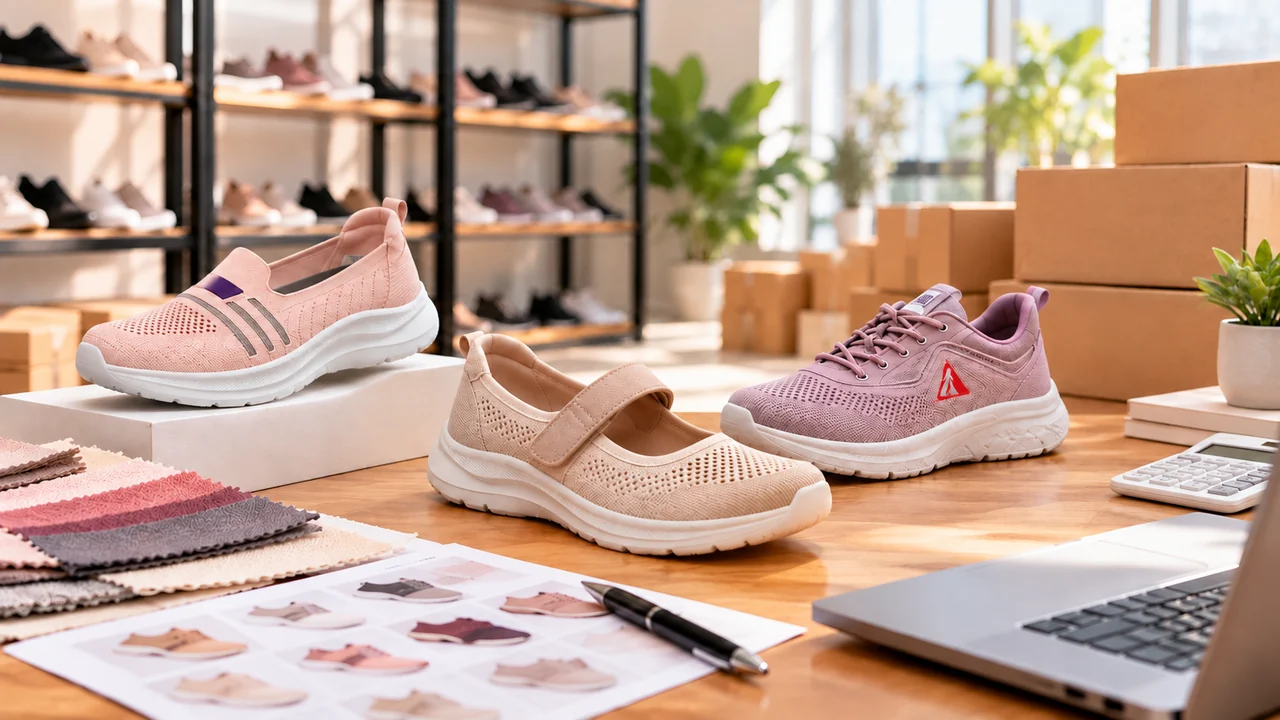
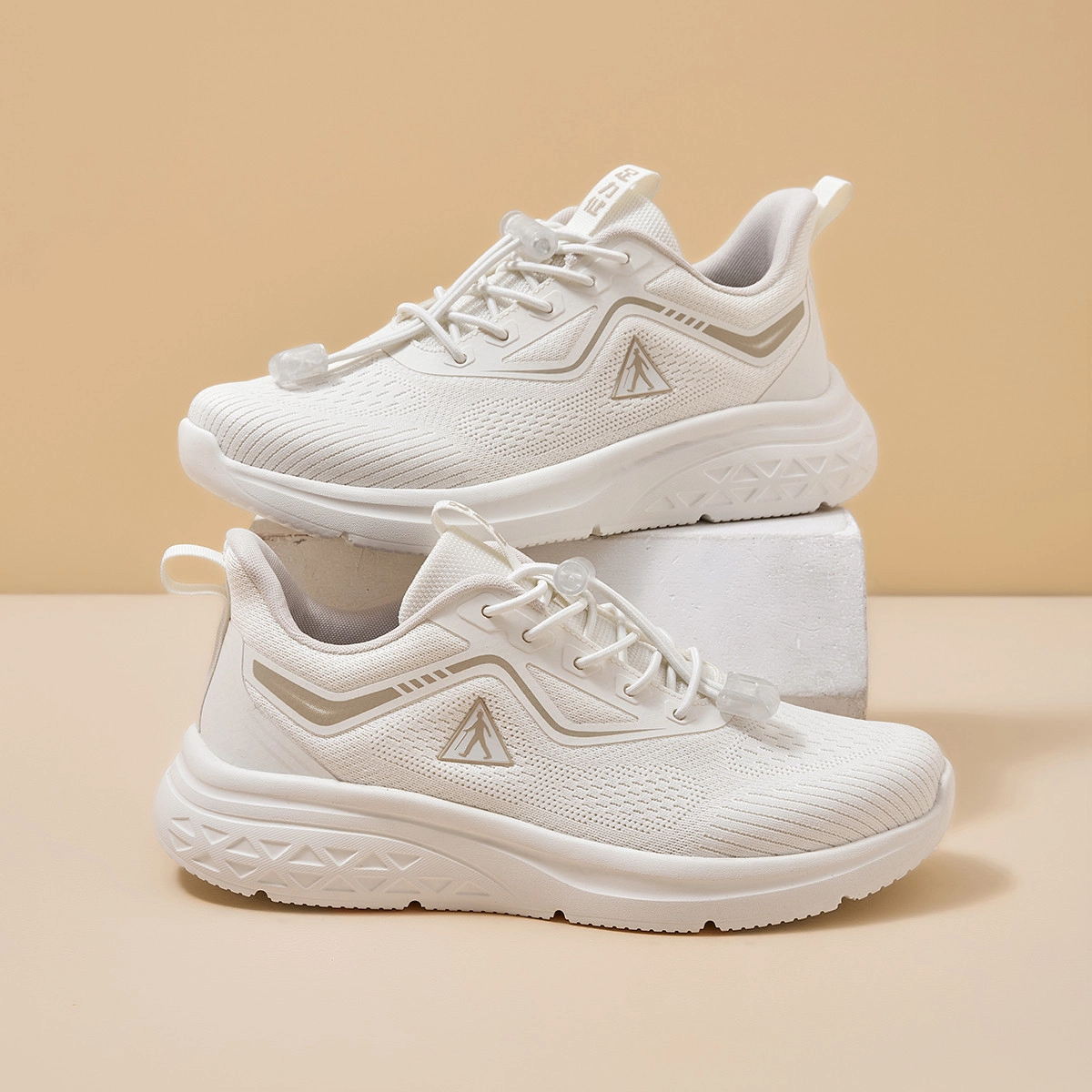
ZULIZ mom shoes are designed for senior women who need lightweight comfort, breathable support, easy wearing, and stable daily movement. With a soft knitted upper, comfortable senior-focused fit, and lightweight sole structure, these shoes are suitable for daily walking, errands, shopping, family visits, and casual use.
Start Your ZULIZ Partnership Inquiry
Tell us about your market, business type, and cooperation interest. Our team will help you explore suitable senior footwear franchise, wholesale, or distributor opportunities.
Contact us

Ray.pang@zuliz.com

+86 155 1699 6565

5th Floor, Building 2, Courtyard 3, No. 521, Binhui North 1st Street, Tongzhou District, Beijing
Copyright © 2026 ZULIZ. All Rights Reserved. Designed by Gooeyun. Privacy Policy | Terms and Conditions | Sitemap
Facebook
YouTube
Instagram
Twitter