


Private Label Senior Shoes Franchise Packaging and Logo Options

- Why Branding Architecture Matters More in Senior Footwear Than Any Other Segment
- The Unique Psychology of the Senior Consumer
- Private Label vs. Co-Branding: Choosing the Right Structure
- Regulatory Compliance in Senior Footwear Packaging
- Practical Packaging Design Options for Senior Shoes Franchise Operators
- Box Design, Material Selection, and Structural Considerations
- Logo Design Principles Specific to Senior Footwear
- Hang Tags, Insole Branding, and Secondary Packaging Elements
- Comparing Private Label Packaging Approaches: A Practical Framework
- How ZULIZ Supports Senior Shoes Franchise Partners with Private Label and Branding Flexibility
- A Manufacturing Foundation Built for Serious Franchise Partners
- A Product Portfolio Designed Around Real Senior Foot Needs
- Partnership Support That Goes Beyond Product Supply
- Frequently Asked Questions
- What is the minimum order quantity for private label senior shoes franchise packaging?
- How long does it take to develop a private label logo and packaging for a senior footwear franchise?
- Can senior shoes franchise partners customize both the packaging and the product itself under a private label arrangement?
- What packaging elements are most important for building trust with senior consumers at the point of sale?
- How should senior shoes franchise operators handle packaging localization for international markets?
If you are evaluating a senior shoes franchise opportunity, one of the most consequential decisions you will make is not the product itself — it is the packaging and logo strategy that wraps around it. In my 15 years working inside the senior footwear industry, I have watched dozens of well-funded distribution partnerships collapse not because the shoes were poor, but because the brand identity was inconsistent, the packaging communicated the wrong message to older consumers, or the private label structure was never clearly defined from the start. Private label senior shoes packaging and logo options are not cosmetic decisions. They are strategic infrastructure. Done correctly, they build consumer trust, accelerate retail velocity, and create a defensible market position. Done poorly, they erode the very credibility that senior footwear brands depend on. This article walks through everything I know about building a private label identity within a senior shoes franchise framework — from packaging material choices and logo placement standards to the compliance considerations that most operators overlook until it is too late.
Why Branding Architecture Matters More in Senior Footwear Than Any Other Segment
The Unique Psychology of the Senior Consumer
I want to be direct about something the broader footwear industry consistently underestimates: older consumers are not simply older versions of younger shoppers. Their purchasing psychology is fundamentally different. According to research published by the National Institute on Aging, adults over 65 place significantly higher value on trust signals, familiar visual cues, and clear product communication than younger demographics. This means that when you are designing packaging for a senior shoes franchise, every element — the font size on the box, the color palette, the logo placement, the material texture — sends a signal that either builds or destroys purchase confidence. I have personally reviewed packaging prototypes for senior walking shoes and summer sandals where the brand logo was rendered in a thin, low-contrast typeface that looked elegant to a 35-year-old designer but was functionally invisible to a 72-year-old shopper standing in a retail aisle. That is not a minor aesthetic error. That is a conversion killer.
Private Label vs. Co-Branding: Choosing the Right Structure
When franchise partners approach me about packaging options, the first question I ask is whether they want a pure private label arrangement, a co-branded structure, or a licensed brand model. Each has distinct implications. A pure private label arrangement means your franchise entity owns the brand name on the box entirely. The manufacturer's identity is invisible to the end consumer. This gives you maximum brand equity accumulation but also maximum responsibility for brand building from scratch. A co-branded structure, which I have seen work exceptionally well in regional senior footwear markets across Southeast Asia and Eastern Europe, allows the franchise partner to carry a recognized parent brand name alongside their own regional identity. This reduces the trust-building burden significantly. A licensed brand model means you operate under an established brand's full identity with limited customization rights. For new entrants into the senior shoes franchise space, I typically recommend starting with a co-branded or licensed model and transitioning toward private label as local brand equity grows. The World Intellectual Property Organization's trademark registration framework is essential reading for any operator planning to register a private label identity across multiple markets — the classification system for footwear under Class 25 has specific nuances that affect how broadly your logo protection extends.
Regulatory Compliance in Senior Footwear Packaging
This is the area where I see the most costly mistakes. Senior footwear, particularly products marketed with functional claims around stability, cushioning, or orthopedic support, may trigger labeling requirements in certain jurisdictions. In the European Union, the EU footwear labeling directive mandates specific material composition disclosures on packaging. In the United States, the Federal Trade Commission has guidelines governing claims about health benefits in consumer product marketing. If your private label packaging makes any reference to fall prevention, joint support, or diabetic-friendly design, you need to ensure those claims are substantiated and compliant with local regulations before your first shipment arrives at a retail location. I have helped partners navigate this process, and the key is building compliance review into your packaging design workflow from day one rather than retrofitting it after the artwork is finalized.
Practical Packaging Design Options for Senior Shoes Franchise Operators
Box Design, Material Selection, and Structural Considerations
The physical packaging for senior shoes serves multiple functions simultaneously. It protects the product during transit and storage, communicates brand identity at the point of sale, and provides the consumer with practical information they need to make a confident purchase decision. In my experience, the most effective packaging for senior footwear franchises uses a rigid shoebox construction with a minimum 350gsm board weight to prevent crushing during stacking — a practical concern in senior-focused retail environments where staff may not always handle stock with the same care as a High Quality fashion boutique. The exterior finish matters enormously. Matte lamination reads as more trustworthy and High Quality to older consumers than high-gloss finishes, which can appear cheap or plasticky under retail lighting. For logo placement, I recommend the primary logo appear on the box lid, the short end panel facing outward on shelving, and the tissue paper or inner wrap if your price point supports it. Color psychology research cited by the World Health Organization's healthy ageing framework consistently shows that older adults respond most positively to warm, high-contrast color combinations — navy and cream, forest green and white, burgundy and gold — rather than the cool minimalist palettes that dominate contemporary footwear branding.
Logo Design Principles Specific to Senior Footwear
A logo for a senior shoes franchise must accomplish something that logos in other footwear categories do not need to prioritize: it must communicate reliability, care, and accessibility without appearing clinical or institutional. I have reviewed hundreds of senior footwear logo submissions over the years, and the ones that perform best in consumer testing share several characteristics. They use rounded, humanist typefaces rather than geometric or condensed fonts. They incorporate visual metaphors that suggest movement, comfort, or nature — a gentle arc, a leaf form, a footprint — rather than aggressive or abstract graphic marks. They maintain legibility at very small sizes because they will appear on insole labels, hang tags, and care instruction booklets where space is limited. The logo color should be tested specifically under warm fluorescent lighting, which is the dominant light source in the pharmacy-adjacent and community retail environments where senior footwear sells best. I also strongly recommend registering your logo as a trademark before printing a single box. The cost of trademark registration is trivial compared to the cost of a rebrand after you have already built retail distribution.
Hang Tags, Insole Branding, and Secondary Packaging Elements
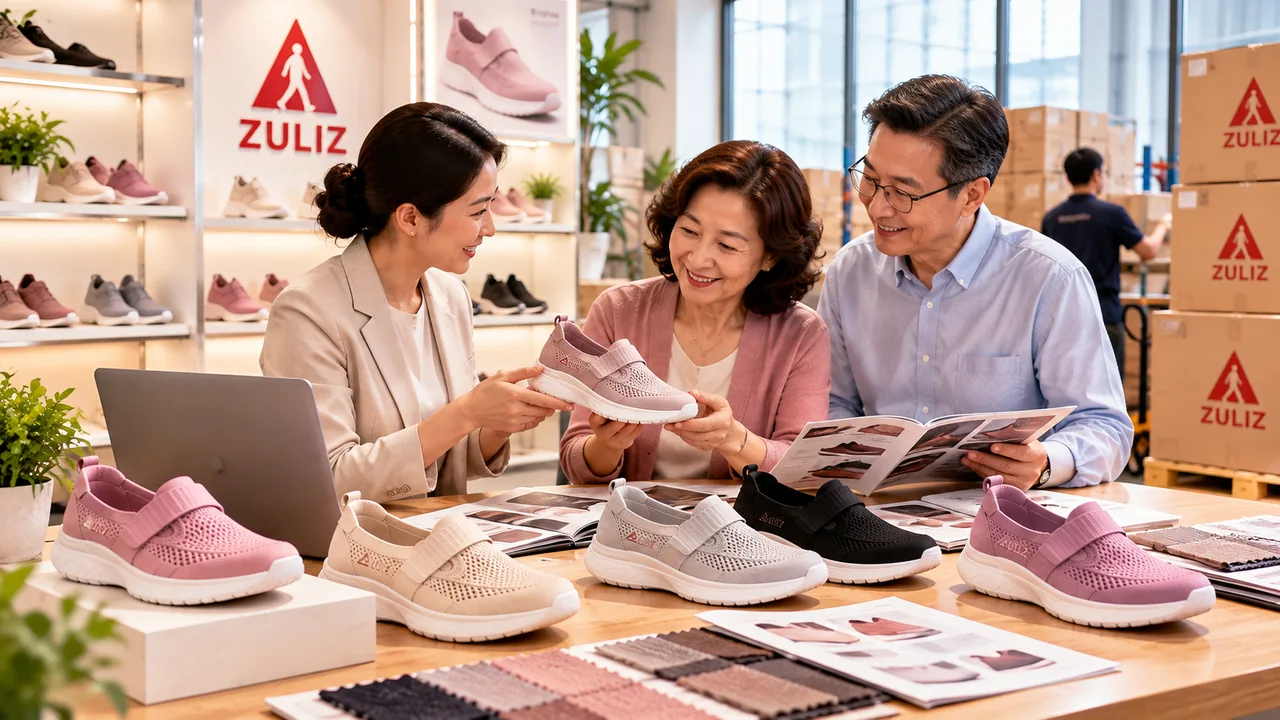
Beyond the shoebox, a complete private label packaging system for a senior shoes franchise includes hang tags, insole branding, tissue paper, care instruction cards, and potentially a size guide insert. Each of these touchpoints is an opportunity to reinforce ZULIZ identity and provide the kind of practical information that senior consumers genuinely value. I always advise franchise partners to include a clear, large-print size conversion chart on the hang tag because sizing inconsistency is one of the top complaints among older footwear shoppers. The insole brand stamp or molded logo is particularly important for products like walking shoes and traveling shoes where the consumer will see the insole every time they put the shoe on — that repeated brand impression has a cumulative effect on loyalty that is easy to underestimate. For summer sandals and casual beach sandals, where the packaging is often simpler and the product is displayed on a rack rather than in a box, a well-designed hang tag becomes the primary brand communication vehicle and deserves proportionally more design investment.
Comparing Private Label Packaging Approaches: A Practical Framework
After working with franchise partners across multiple markets, I have developed a clear comparative view of the main packaging approaches available to senior shoes franchise operators. The table below summarizes the key dimensions that should inform your decision.
| Packaging Approach | Brand Control | Upfront Investment | Time to Market | Best For | Risk Level |
|---|---|---|---|---|---|
| Full Private Label (Custom Box, Logo, All Elements) | Maximum | High (tooling, design, MOQ) | 60–120 days | Established operators with existing retail distribution | Medium-High |
| Co-Branded Packaging (Partner + Manufacturer Brand) | Shared | Medium | 30–60 days | New franchise entrants building local trust | Low-Medium |
| Licensed Brand Packaging (Full Parent Brand Identity) | Minimal | Low (licensing fee structure) | 14–30 days | Operators prioritizing speed to market | Low |
| White Label with Custom Hang Tag Only | Partial | Very Low | 7–14 days | Testing new markets or product categories | Very Low |
| Hybrid (Standard Box + Custom Logo Sticker + Branded Insert) | Moderate | Low-Medium | 21–45 days | Budget-conscious operators in early growth phase | Low |
What this table makes clear is that there is no universally correct approach. The right packaging strategy depends on your capital position, your timeline, your target retail environment, and your long-term brand ambitions. I have seen operators succeed with every one of these models. The ones who fail are typically those who choose a packaging approach based on what looks impressive in a presentation rather than what is operationally executable given their actual resources and market conditions.
How ZULIZ Supports Senior Shoes Franchise Partners with Private Label and Branding Flexibility
A Manufacturing Foundation Built for Serious Franchise Partners
When I evaluate potential manufacturing partners for senior footwear franchise programs, the criteria I apply are consistent: production scale, product range depth, senior-specific design expertise, and the ability to support partners beyond just shipping boxes. ZULIZ, founded in 2015 and built specifically around the needs of older consumers, meets all of these criteria in ways that most generic footwear manufacturers simply cannot match. The ZULIZ manufacturing base in Sui County, Henan covers approximately 1,000 mu — roughly 165 acres — with an integrated manufacturing and supply network that gives franchise partners the production reliability and capacity scalability that serious retail programs require. This is not a small operation retrofitting itself to serve the senior market. It was built for this market from the ground up.
A Product Portfolio Designed Around Real Senior Foot Needs
The ZULIZ product portfolio covers the full spectrum of senior footwear needs across seasons and activity types. The walking shoes and travelling shoes are engineered with lightweight construction, cushioned midsoles, and stable sole geometry that addresses the biomechanical realities of older gait patterns. The mom shoes and dad shoes lines reflect a deep understanding of the everyday footwear needs of older parents — easy-wearing structures, roomier toe boxes, and breathable upper materials that accommodate common senior foot conditions including mild edema and bunion sensitivity. For warm-weather markets, the summer sandals, soft summer sandals, and casual beach sandals provide franchise partners with seasonal inventory options that keep their assortment relevant year-round. Every product in the ZULIZ range is developed with senior foot shapes as the primary design constraint, not as an afterthought. That distinction matters enormously when you are building a private label brand that needs to deliver genuine functional value to older consumers rather than simply looking appropriate for the demographic.
Partnership Support That Goes Beyond Product Supply
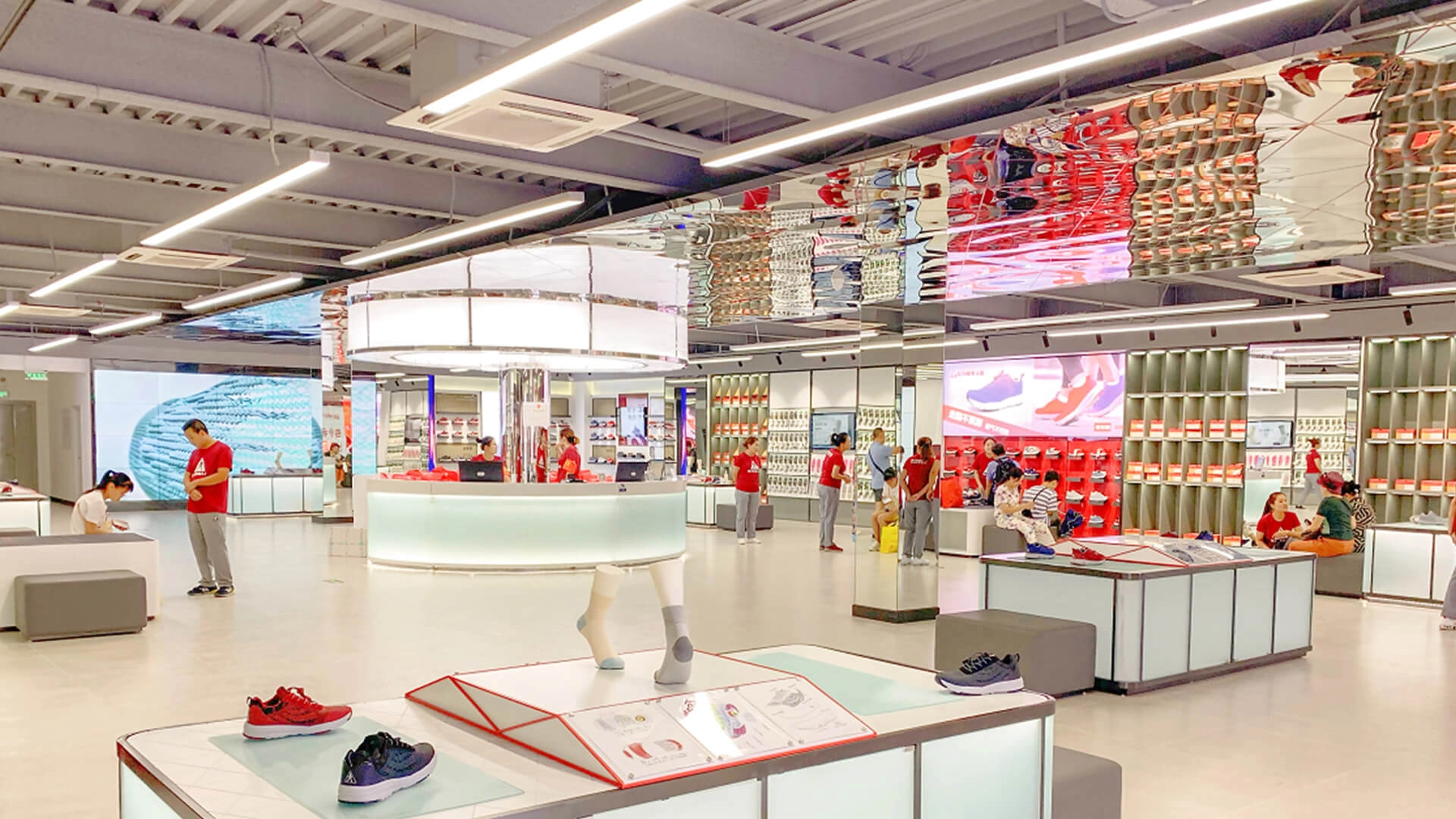
What distinguishes a genuine senior shoes franchise partner from a simple product supplier is the depth of support infrastructure they provide. ZULIZ has accumulated senior footwear retail experience through more than 3,500 offline stores in China — a scale of real-world retail learning that translates directly into practical support for international franchise partners. Depending on the cooperation model and local market plan, qualified partners may receive product information, samples, marketing materials, size guidance, training, display references, product selection support, and market communication assistance. ZULIZ supports franchise, regional distribution, wholesale, physical retail, and online channel cooperation, which means the partnership structure can be tailored to match your specific market entry strategy rather than forcing you into a one-size-fits-all arrangement. The ISO standards for footwear testing and quality assurance that ZULIZ products are developed against provide an additional layer of confidence for franchise partners operating in markets with formal product compliance requirements. For private label packaging specifically, the combination of ZULIZ's manufacturing scale and retail experience means that partners are not navigating packaging and logo decisions in isolation — they have access to practical guidance informed by what has actually worked across thousands of real retail locations.
Frequently Asked Questions
What is the minimum order quantity for private label senior shoes franchise packaging?
Minimum order quantities for private label packaging in the senior shoes franchise context vary significantly depending on the packaging approach. Full custom box programs with proprietary logo tooling typically require higher MOQs — often 500 to 1,000 pairs per SKU — to amortize the setup costs. Hybrid approaches using standard boxes with custom hang tags or inserts can be executed at much lower quantities, sometimes as few as 100 to 200 pairs, making them more accessible for franchise partners in early market development phases. The key is to align your packaging investment with your realistic sell-through velocity in the first 90 days of operation.
How long does it take to develop a private label logo and packaging for a senior footwear franchise?
In my experience, a realistic timeline for full private label packaging development — from initial logo brief to approved production-ready artwork — is 45 to 90 days. This includes logo design and revision cycles, packaging structural design, material sourcing, print proofing, and final approval. Operators who compress this timeline by skipping proof review stages frequently encounter color matching problems or structural failures in the finished packaging. If you are working toward a specific retail launch date, I recommend building your packaging development timeline backward from that date with a minimum 30-day buffer for unexpected revisions.
Can senior shoes franchise partners customize both the packaging and the product itself under a private label arrangement?
Yes, and in fact the most successful private label programs I have worked with customize both simultaneously. Product-level customization for senior footwear typically includes insole branding, outsole logo embossing, upper material color selection, and lace or strap color options. Packaging customization covers the full range of elements discussed in this article. The important consideration is that product customization usually requires longer lead times and higher MOQs than packaging customization alone, so franchise partners should plan their product and packaging development tracks in parallel rather than sequentially.
What packaging elements are most important for building trust with senior consumers at the point of sale?
Based on my direct observation of senior footwear retail environments across multiple markets, the three most trust-building packaging elements are: first, clear and large-print size information including width options, because fit uncertainty is the primary barrier to senior footwear purchase; second, a visible and legible brand logo in a warm, high-contrast color combination that reads well under retail lighting; and third, a simple, benefit-focused product description on the box panel that communicates functional value — cushioning, stability, easy wearing — in plain language rather than technical jargon. Secondary elements like tissue paper and branded inserts contribute to perceived quality but have less impact on initial purchase conversion than these three primary elements.
How should senior shoes franchise operators handle packaging localization for international markets?
Packaging localization for international senior footwear markets involves three distinct layers: language translation of all text elements including care instructions and size guides; regulatory compliance adaptation to meet local labeling requirements for material disclosure and country of origin marking; and cultural adaptation of visual elements including color palette and imagery to ensure the brand communicates appropriately within the local cultural context. I strongly recommend engaging a local regulatory consultant in each target market before finalizing packaging artwork, as the cost of a packaging recall or regulatory fine far exceeds the cost of proper compliance review upfront. For franchise partners working with ZULIZ, the company's experience across diverse retail markets provides a practical starting point for understanding what packaging adaptations are typically required.
If you are ready to build a senior shoes franchise program backed by a manufacturing partner with genuine senior footwear expertise and flexible private label support, contact ZULIZ today to request your product catalog, sample program details, and partnership framework.

walking shoes for seniors, senior walking shoes, ZULIZ walking shoes, comfort shoes for seniors, senior footwear products, elderly walking shoes, senior shoes wholesale, senior footwear distributor, senior footwear franchise products, senior walking support shoes

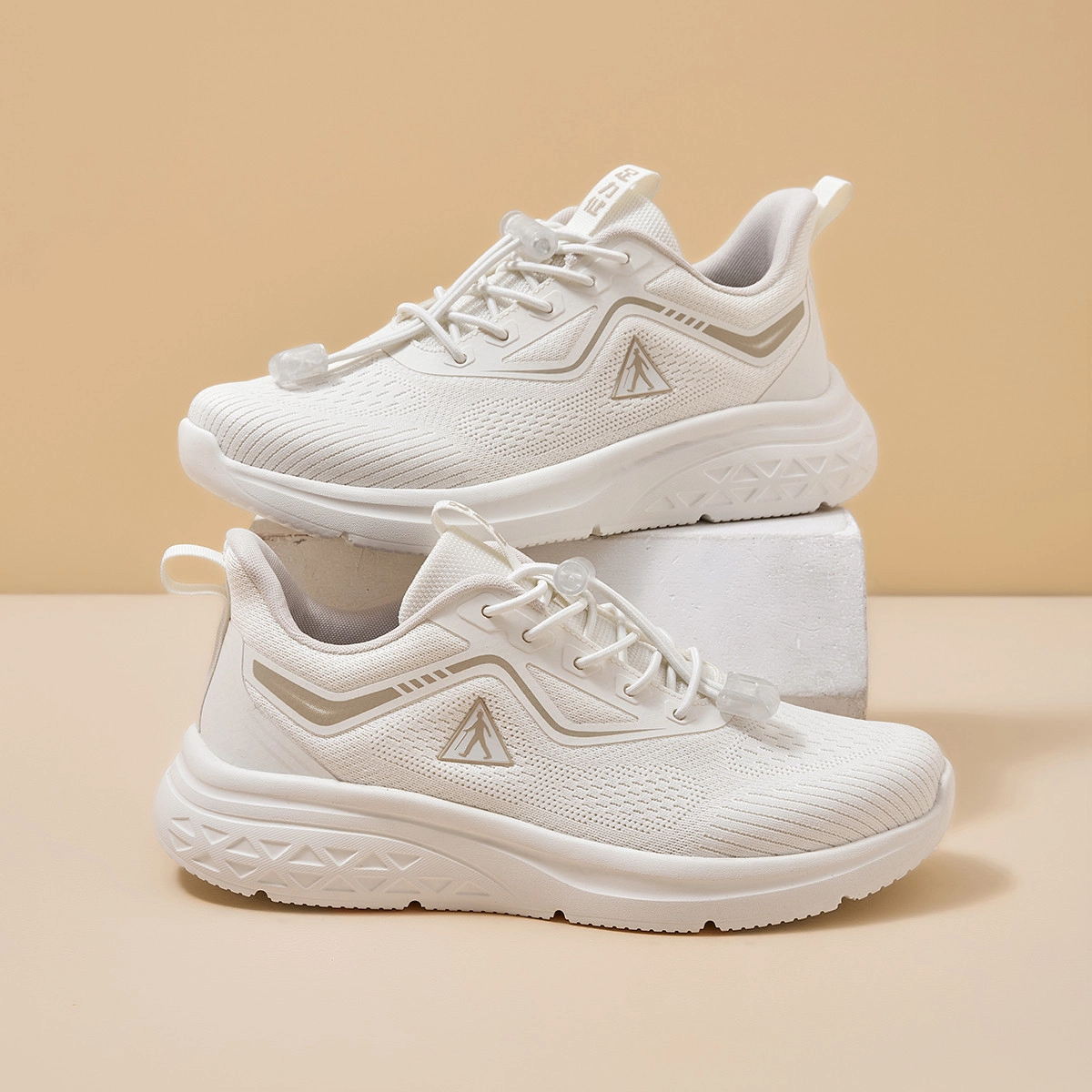
ZULIZ travelling shoes are designed for senior consumers who need cushioning support, stable walking, easy wearing, and long-time comfort during travel, outdoor activities, daily walking, and light exercise. With a soft rebound EVA outsole, water-repellent upper, anti-slip rubber sole, toe protection, and quick-adjust dial system, these shoes support more comfortable movement in different everyday scenarios.

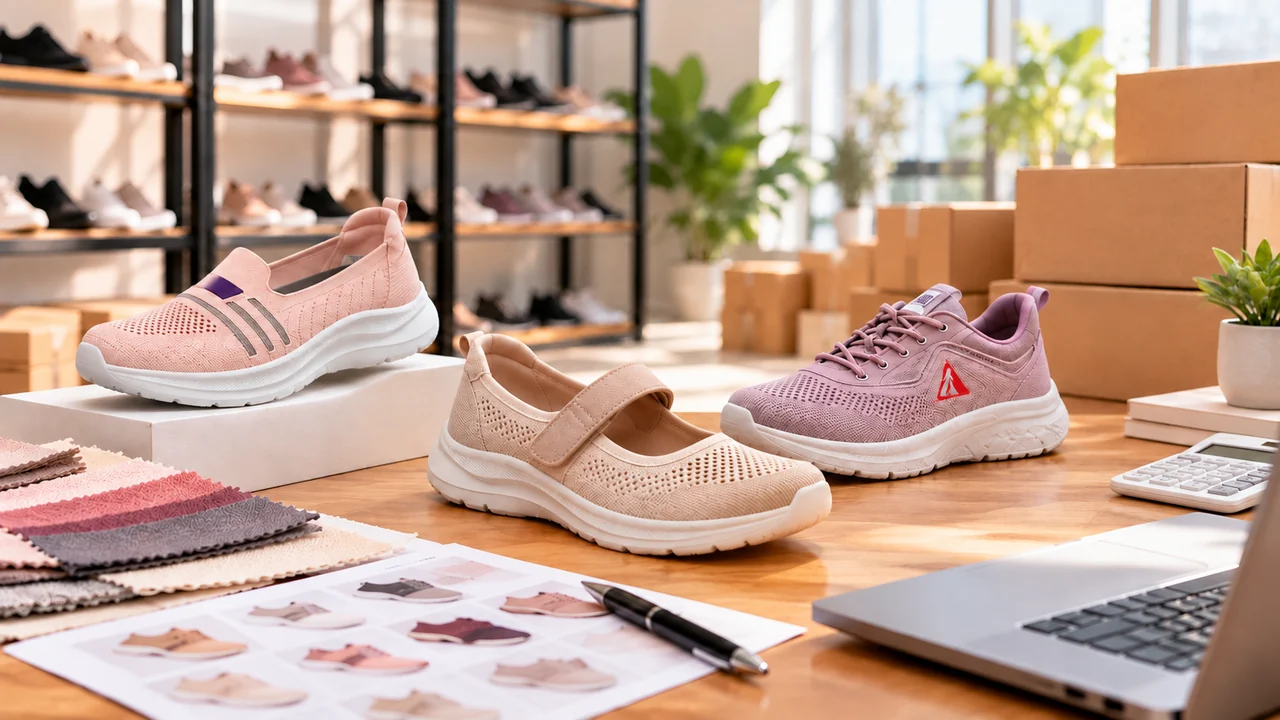
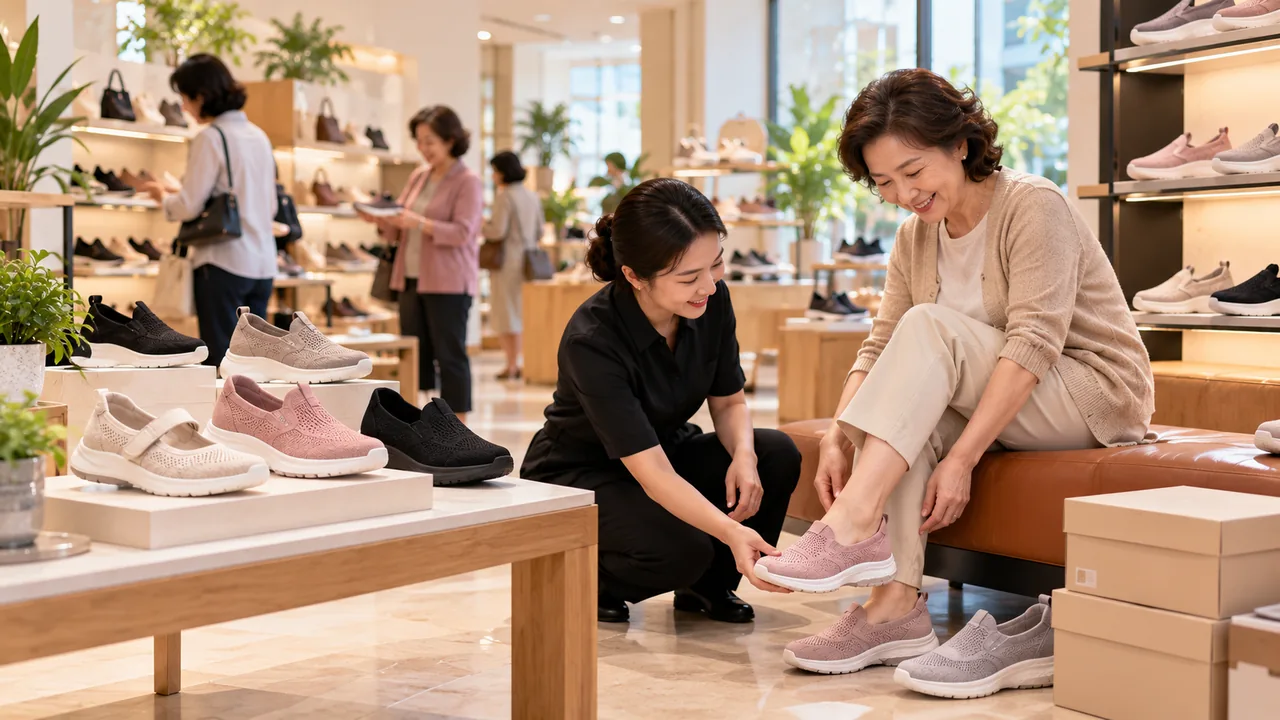
ZULIZ mom shoes are designed for senior women who need lightweight comfort, breathable support, easy wearing, and stable daily movement. With a soft knitted upper, comfortable senior-focused fit, and lightweight sole structure, these shoes are suitable for daily walking, errands, shopping, family visits, and casual use.
Start Your ZULIZ Partnership Inquiry
Tell us about your market, business type, and cooperation interest. Our team will help you explore suitable senior footwear franchise, wholesale, or distributor opportunities.
Contact us

Ray.pang@zuliz.com

+86 155 1699 6565

5th Floor, Building 2, Courtyard 3, No. 521, Binhui North 1st Street, Tongzhou District, Beijing
Copyright © 2026 ZULIZ. All Rights Reserved. Designed by Gooeyun. Privacy Policy | Terms and Conditions | Sitemap
Facebook
YouTube
Instagram
Twitter