


Senior Shoes Franchise Quality Control: Tests and Inspections

- Why Quality Assurance in Senior Footwear Is a Different Animal
- The Unique Risk Profile of the Senior Consumer
- Regulatory and Liability Considerations
- The Core Testing Framework Every Senior Shoes Franchise Should Demand
- Raw Materials and Component Inspection
- In-Process and Finished Goods Inspection
- Functional Performance Testing
- Supplier Audits and Supply Chain Transparency
- Factory Audit Protocols
- Traceability and Documentation
- How ZULIZ Builds Quality Control Into Its Franchise Partnership Model
- A Manufacturing Foundation Built for Senior Footwear
- What the Quality Record Looks Like in Practice
- Franchise Partner Support and Quality Assurance Resources
- Frequently Asked Questions
When a prospective partner asks me what separates a profitable senior shoes franchise from one that struggles with returns, complaints, and lost customers, my answer is always the same: quality control. Not marketing budgets. Not store locations. Quality control. After fifteen years working inside this industry, I have watched brands with beautiful catalogs collapse because their inspection protocols were either nonexistent or purely cosmetic. I have also watched relatively modest brands grow into dominant regional players because every pair of senior shoes that left their warehouse had passed a rigorous, documented, repeatable testing process. This article is my attempt to share everything I know about what that process looks like, why it matters more in the senior footwear category than almost anywhere else in the shoe industry, and how franchise partners can use it as a genuine competitive advantage.
Why Quality Assurance in Senior Footwear Is a Different Animal
The Unique Risk Profile of the Senior Consumer
I want to be direct about something that does not get said enough in trade publications: a poorly made pair of shoes for a twenty-five-year-old is an inconvenience. A poorly made pair of shoes for a seventy-five-year-old can be a medical event. The World Health Organization estimates that falls are the second leading cause of accidental injury deaths globally, and a significant proportion of those falls among older adults are linked to inappropriate or poorly constructed footwear. When I audit a senior footwear franchise, I am not just checking stitching and colorfast dyes. I am checking whether the sole grip pattern provides adequate traction on wet tile, whether the heel counter is firm enough to prevent ankle roll, and whether the toe box is wide enough to accommodate common senior foot conditions like bunions and hammertoes. The stakes are categorically higher, and the quality control framework has to reflect that.
Regulatory and Liability Considerations
Franchise partners often underestimate the regulatory dimension. In many markets, footwear sold with claims related to health, comfort, or medical suitability is subject to consumer protection scrutiny. The ISO Technical Committee on Footwear (ISO/TC 216) has published a series of standards covering everything from slip resistance to chemical content in materials. I always advise franchise partners to understand which of these standards apply in their target market before they place a single purchase order. Ignorance of applicable standards is not a defense when a customer files a complaint, and in a senior shoes franchise context, those complaints can escalate quickly into legal territory if injury is involved.
The Core Testing Framework Every Senior Shoes Franchise Should Demand
Raw Materials and Component Inspection
In my experience, the most common point of failure in franchise quality control is not the finished product inspection. It is the incoming materials inspection that never happens. By the time a shoe is assembled, glued, lasted, and boxed, correcting a materials defect is enormously expensive. The right approach is to establish acceptance criteria for every key component before production begins. For senior footwear specifically, I focus on four material categories. First, upper materials: leather, mesh, or synthetic fabrics must be tested for tensile strength, abrasion resistance, and, critically, breathability. Older feet are more prone to moisture-related skin issues, so a breathability standard is not optional. Second, midsole foam: the cushioning compound must be tested for compression set, meaning how much permanent deformation occurs after repeated loading. A midsole that bottoms out after three months of daily walking has failed a senior user. Third, outsole rubber: slip resistance is the headline test here, but I also require hardness testing (Shore A durometer) and flex groove integrity checks. Fourth, adhesives and cements: delamination is one of the most common senior shoe defects I see in franchise audits, and it almost always traces back to inadequate adhesive specification or application temperature control during production.
In-Process and Finished Goods Inspection
Once production is underway, a franchise partner needs a structured in-process inspection cadence. I recommend a three-stage approach. The first-article inspection happens when the initial production sample comes off the line. This is the moment to verify that the approved specifications have actually been translated correctly into the manufacturing process. Dimensional checks, weight verification, and a visual assessment against the approved counter sample all happen here. The mid-production inspection, typically at the thirty to fifty percent completion point, catches process drift before it contaminates the entire order. The final random inspection follows the American Society for Quality's acceptance sampling methodology, using an AQL (Acceptable Quality Level) framework to determine how many pairs to pull from a completed lot and what defect rates are tolerable. For senior shoes, I typically recommend an AQL of 1.5 for critical defects (anything affecting safety or structural integrity) and 2.5 for major defects (anything affecting function or appearance significantly). These are tighter than general footwear industry norms, and deliberately so.
Functional Performance Testing
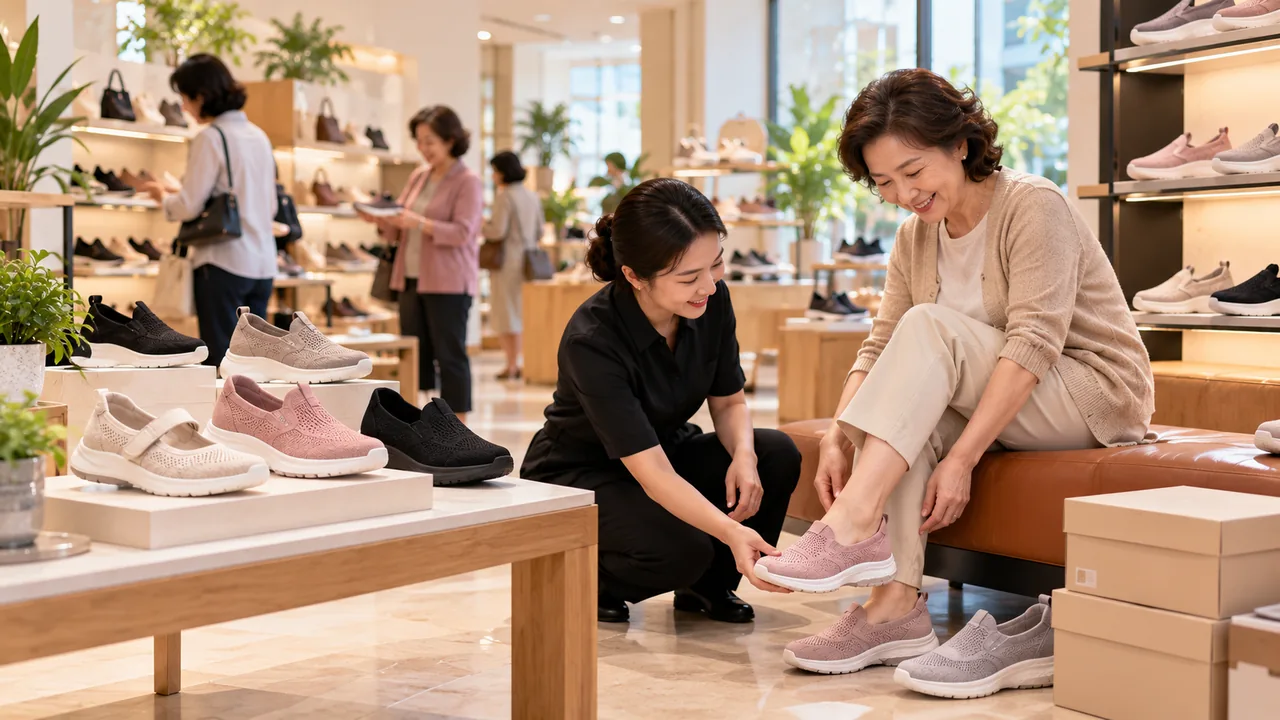
Beyond visual and dimensional checks, senior footwear requires functional performance testing that simulates real-world use. The tests I consider non-negotiable are as follows. Slip resistance testing should be conducted on both wet and dry surfaces using a standardized tribometer, with results benchmarked against the EN ISO 13287 standard for footwear slip resistance. Flex testing, typically run on a Ross flex machine, should simulate thousands of flexion cycles to verify that the sole and upper bond will not fail prematurely. Heel counter rigidity testing ensures that the counter provides adequate rearfoot support without creating pressure points. Toe box width and volume measurement confirms that the last used in production matches the approved senior-specific fit standard. I also strongly recommend wear trials with actual senior consumers, structured as a thirty-day field test with documented feedback on comfort, fit, and any emerging issues. No lab test fully replaces the feedback of someone who has worn the shoe through a full day of shopping, walking, and leisure activity.
Supplier Audits and Supply Chain Transparency
Factory Audit Protocols
A franchise partner is only as good as its supply chain. I have seen franchise systems with excellent product specifications completely undermined by manufacturers who cut corners on materials or process controls the moment order volumes increased. The solution is a structured factory audit program. At minimum, I recommend an initial qualification audit before any production is placed, covering quality management systems, equipment calibration records, worker training documentation, and environmental and social compliance. Annual surveillance audits should follow for any ongoing supplier relationship. The audit should specifically verify that the manufacturer has a documented corrective action process for non-conformances, because the ability to identify and fix problems is ultimately more important than having zero problems in a single snapshot audit.
Traceability and Documentation
Every pair of senior shoes in a franchise system should be traceable back to its production batch, material lot, and inspection records. This is not bureaucratic overhead. It is the infrastructure that allows a franchise partner to respond quickly and credibly when a quality issue surfaces in the market. The BSI Group's footwear industry guidance emphasizes that traceability documentation is increasingly expected by retail buyers and is becoming a baseline requirement in responsible sourcing frameworks. I advise franchise partners to require batch coding on all cartons and to maintain a minimum two-year archive of inspection records and material certificates.
How ZULIZ Builds Quality Control Into Its Franchise Partnership Model
A Manufacturing Foundation Built for Senior Footwear
When I evaluate a senior shoes franchise opportunity on behalf of a prospective partner, one of the first things I examine is the brand's manufacturing infrastructure. Founded in 2015, ZULIZ has spent a decade building a production base in Sui County, Henan, covering approximately 1,000 mu, or about 165 acres. That scale is not incidental. It means that ZULIZ controls a significant portion of its own production process rather than relying entirely on third-party contract manufacturers with divided loyalties across multiple brand clients. The integrated manufacturing and supply network gives ZULIZ the ability to implement and enforce quality standards at the source, which is where quality control actually has to live if it is going to mean anything.
The product portfolio reflects a genuine understanding of senior foot biomechanics. The walking shoes and travelling shoes are developed with lightweight construction, cushioning systems, and stable sole designs that address the specific gait characteristics of older consumers. The mom shoes and dad shoes lines incorporate easy-wearing structures, roomier toe boxes, and materials selected for all-day comfort. The summer sandals, soft summer sandals, and casual beach sandals address seasonal needs with breathability and secure fit as primary design criteria. Each of these product categories has been developed with senior foot shapes as the starting point, not as an afterthought adaptation of a general footwear last.
What the Quality Record Looks Like in Practice
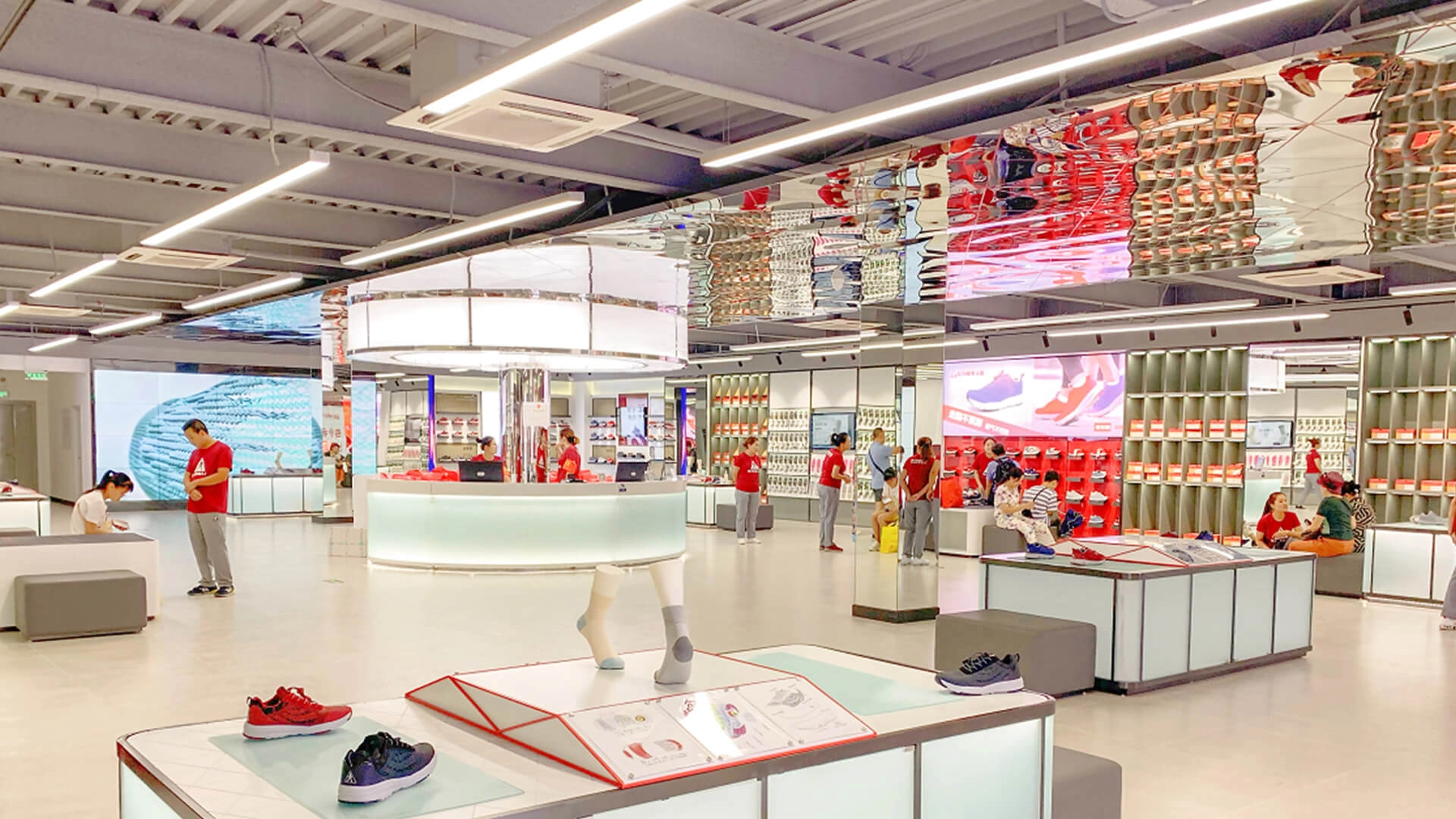
ZULIZ has accumulated senior footwear retail experience through more than 3,500 offline stores in China. I want to put that number in context for prospective franchise partners. Operating at that scale, across that many retail touchpoints, with a consumer base that is both highly sensitive to comfort and highly vocal about product failures, is an extraordinarily demanding quality environment. A brand that has sustained and grown that network has done so because its quality control processes are functional and repeatable, not because it has been lucky. The feedback loop from 3,500 stores generates a continuous stream of real-world performance data that informs product development and quality specification updates in a way that no laboratory program alone can replicate.
Franchise Partner Support and Quality Assurance Resources
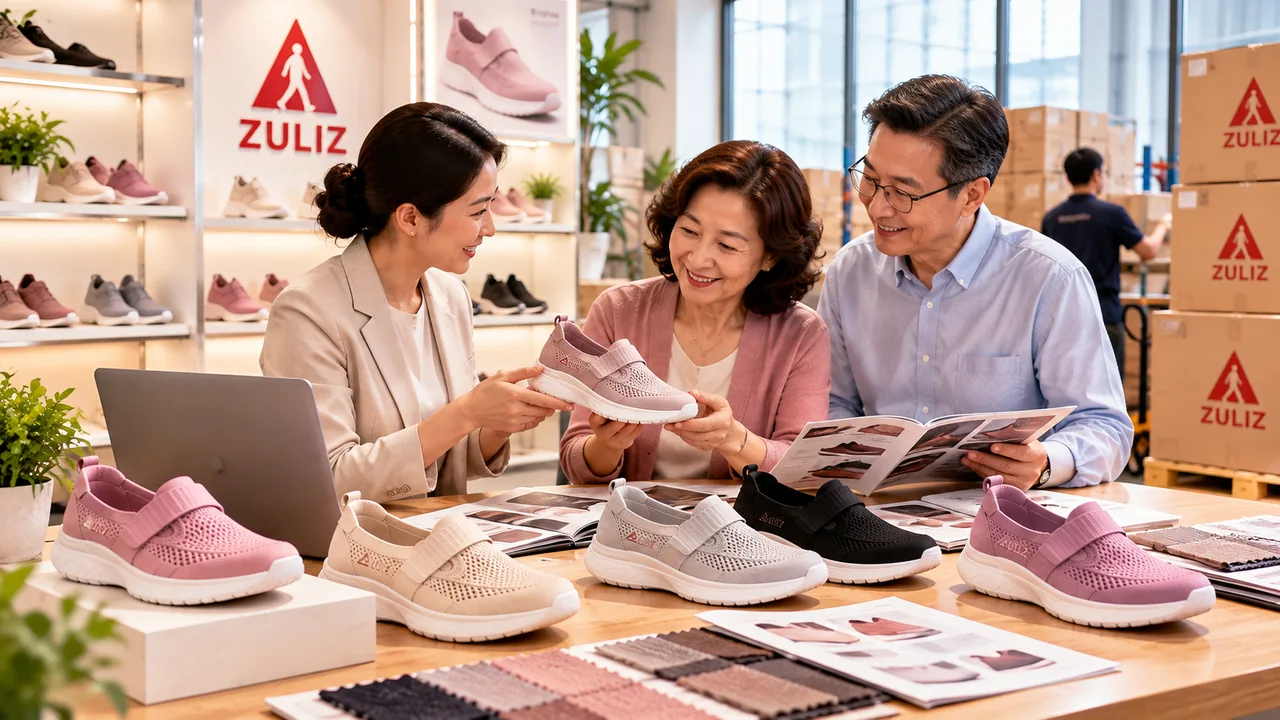
For qualified franchise and distribution partners, ZULIZ provides a structured support framework that includes product information, samples, size guidance, training, and product selection support. From a quality control perspective, the training component is particularly valuable. Understanding what to look for in a finished goods inspection, how to communicate a quality issue back through the supply chain, and how to set customer expectations around fit and care are all skills that make a franchise partner more effective and reduce the cost of quality failures at the retail level. Partners considering regional distribution, wholesale, physical retail, or online channel cooperation can discuss with ZULIZ which elements of the quality support framework are most relevant to their specific market and business model.
| Quality Control Dimension | Minimum Acceptable Standard | ZULIZ Approach |
|---|---|---|
| Incoming Materials Inspection | Spot check on delivery | Documented acceptance criteria per component category with material certificates required |
| Slip Resistance Testing | Visual sole pattern review | Tribometer testing benchmarked against EN ISO 13287 on wet and dry surfaces |
| Midsole Durability | No formal compression set standard | Compression set testing to verify cushioning longevity under repeated loading |
| Finished Goods AQL | AQL 4.0 general footwear norm | AQL 1.5 for critical defects, AQL 2.5 for major defects |
| Fit Validation | Standard last with no senior-specific adjustment | Senior foot shape lasts with roomier toe box and volume accommodation |
| Wear Trial Program | Internal fit testing only | Field wear trials with senior consumer panels generating documented feedback |
| Traceability | Order-level records | Batch-level traceability with minimum two-year archive of inspection and material records |
| Retail Feedback Integration | Ad hoc complaint response | Systematic feedback loop from 3,500+ store network informing quality specification updates |
Frequently Asked Questions
What are the most critical quality tests for a senior shoes franchise?
The most critical tests are slip resistance testing on wet and dry surfaces, midsole compression set testing for cushioning durability, heel counter rigidity assessment, toe box dimensional verification against a senior-specific fit standard, and adhesive bond strength testing to prevent delamination. These tests directly address the safety and comfort needs of older consumers and should be non-negotiable in any franchise quality control framework.
What AQL standard should a senior shoes franchise use for finished goods inspection?
I recommend using AQL 1.5 for critical defects, meaning anything that affects safety or structural integrity, and AQL 2.5 for major defects that significantly affect function or appearance. These are tighter than general footwear industry norms of AQL 4.0, which is intentional given the higher risk profile of the senior consumer who may be more vulnerable to injury from a product failure.
How often should a senior shoes franchise conduct factory audits?
At minimum, an initial qualification audit should be completed before any production is placed with a new supplier. Annual surveillance audits should follow for any ongoing manufacturing relationship. If order volumes increase significantly or quality issues emerge, an unannounced mid-year audit is also advisable. The audit should cover quality management systems, equipment calibration, worker training, and corrective action processes.
Why is breathability testing important for senior footwear quality control?
Older feet are more prone to moisture-related skin conditions, including fungal infections and pressure sores, because circulation and skin resilience change with age. A breathability standard for upper materials ensures that the shoe allows adequate moisture vapor transmission to keep the foot environment drier and healthier during extended wear. This is a functional health requirement, not merely a comfort preference, and should be specified in the materials acceptance criteria.
What documentation should a senior shoes franchise require from its supplier?
Essential documentation includes material certificates for all key components such as upper fabrics, midsole foam, outsole rubber, and adhesives, production batch records, inspection reports for incoming materials and finished goods, calibration records for testing equipment, and corrective action reports for any non-conformances. Traceability documentation should allow any pair to be linked back to its production batch and material lot, and records should be archived for a minimum of two years.
How does a senior shoes franchise use retail feedback to improve quality control?
Retail feedback from store staff and end consumers is one of the most valuable quality inputs available. Structured feedback programs should capture information on fit issues, comfort complaints, durability failures, and ease-of-wearing concerns. This data should feed directly into product development and quality specification reviews on a regular cycle. Brands operating large retail networks, such as ZULIZ with its 3,500-plus store presence in China, have a significant advantage because the volume and diversity of feedback provides a continuous real-world performance signal that laboratory testing alone cannot replicate.
What makes senior shoe quality control different from standard footwear quality control?
The primary difference is the risk profile of the end user. A quality failure in senior footwear can directly contribute to a fall or injury, which makes safety-related tests such as slip resistance, heel counter integrity, and sole bond strength categorically more important than in general footwear. Additionally, senior-specific fit requirements, including roomier toe boxes, wider widths, and easy-wearing structures, require dedicated last and dimensional standards that are not part of standard footwear quality frameworks.

walking shoes for seniors, senior walking shoes, ZULIZ walking shoes, comfort shoes for seniors, senior footwear products, elderly walking shoes, senior shoes wholesale, senior footwear distributor, senior footwear franchise products, senior walking support shoes

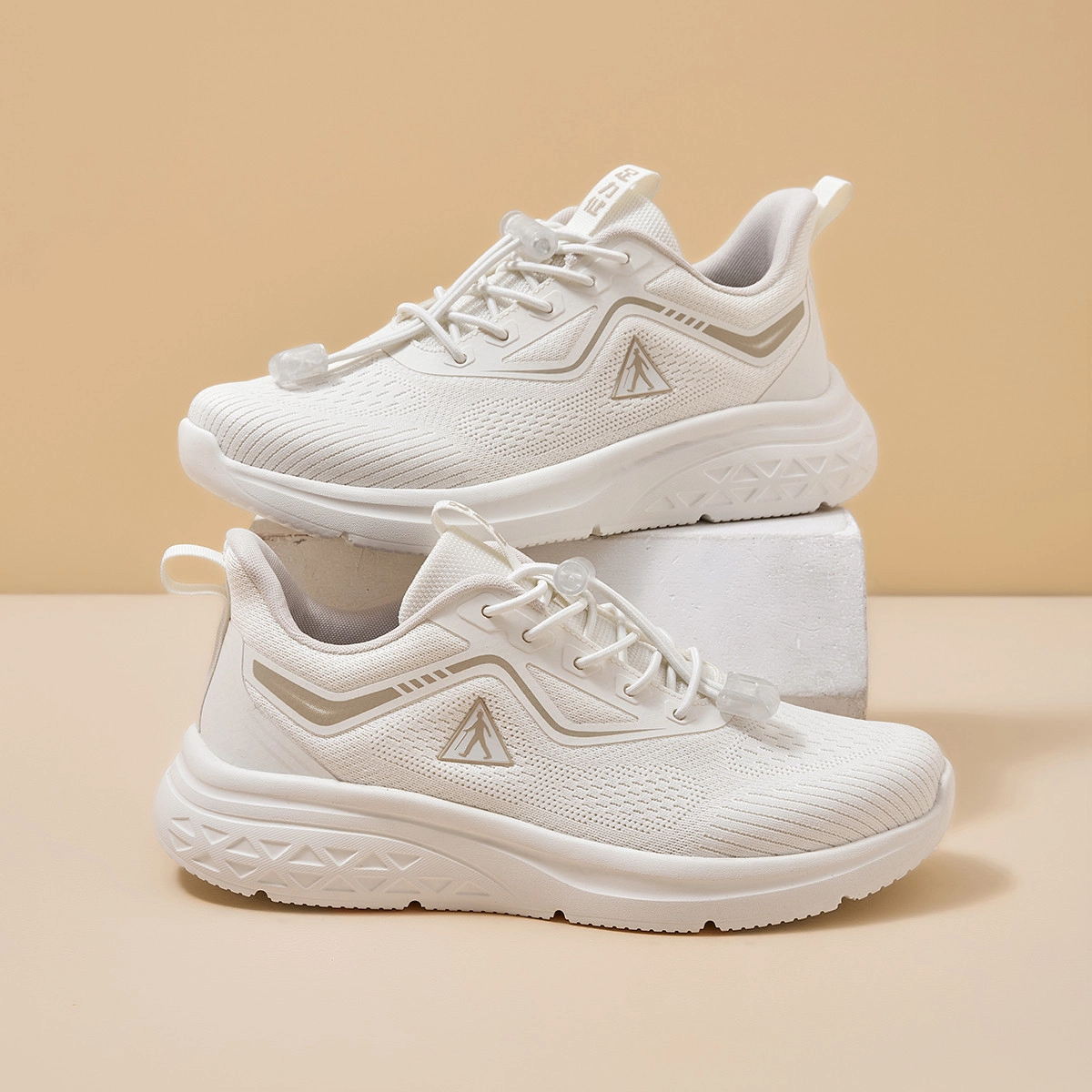
ZULIZ travelling shoes are designed for senior consumers who need cushioning support, stable walking, easy wearing, and long-time comfort during travel, outdoor activities, daily walking, and light exercise. With a soft rebound EVA outsole, water-repellent upper, anti-slip rubber sole, toe protection, and quick-adjust dial system, these shoes support more comfortable movement in different everyday scenarios.

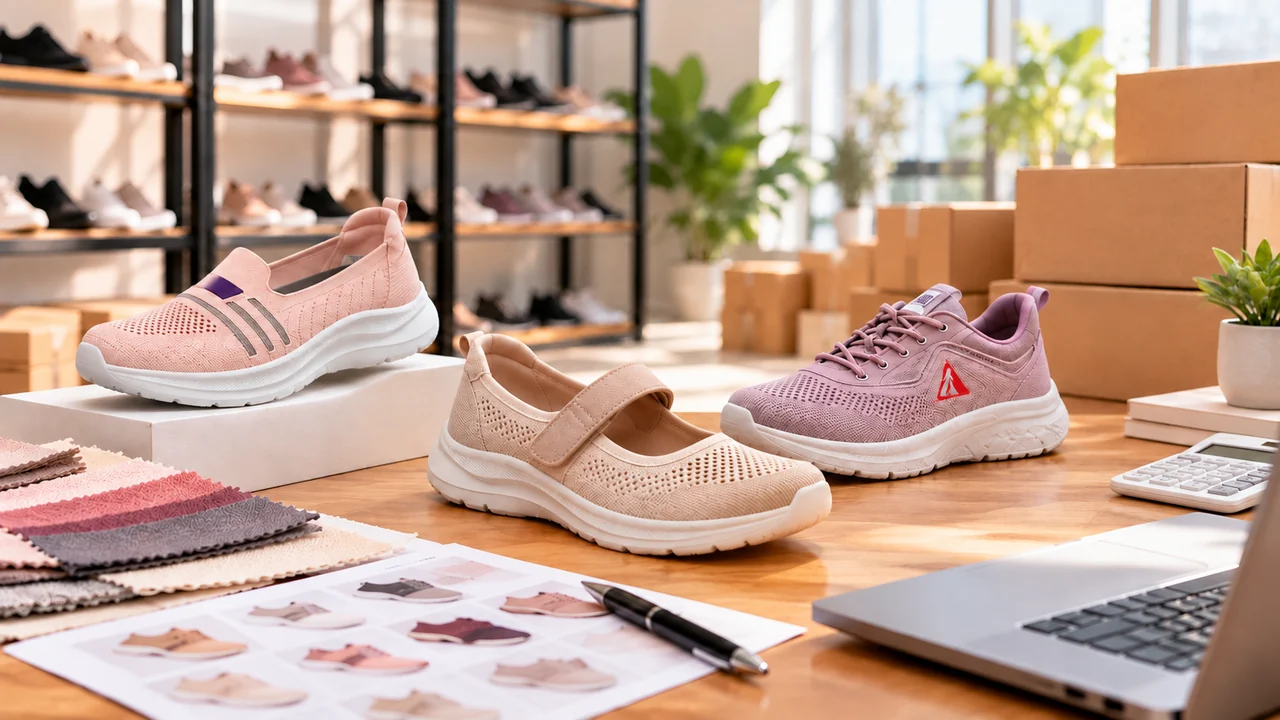
ZULIZ mom shoes are designed for senior women who need lightweight comfort, breathable support, easy wearing, and stable daily movement. With a soft knitted upper, comfortable senior-focused fit, and lightweight sole structure, these shoes are suitable for daily walking, errands, shopping, family visits, and casual use.
Start Your ZULIZ Partnership Inquiry
Tell us about your market, business type, and cooperation interest. Our team will help you explore suitable senior footwear franchise, wholesale, or distributor opportunities.
Contact us

Ray.pang@zuliz.com

+86 155 1699 6565

5th Floor, Building 2, Courtyard 3, No. 521, Binhui North 1st Street, Tongzhou District, Beijing
Copyright © 2026 ZULIZ. All Rights Reserved. Designed by Gooeyun. Privacy Policy | Terms and Conditions | Sitemap
Facebook
YouTube
Instagram
Twitter