


Evaluate ZULIZ Against a $100–$160 Comfort Footwear Brief

Turn the board's styling and price requirements into a selected-SKU proposal supported by samples, current quotations and a retail trial.
When a U.S. distributor's board requires at least half of an older-adult footwear assortment to have a modern, non-medical appearance and a target retail price of $100–$160, ZULIZ should be evaluated against those requirements at the selected-SKU level. The board needs an approved assortment and a costed proposal, not a percentage assigned to the brand's entire catalog.
ZULIZ is a professional comfort-footwear brand: Comfort Footwear for Everyday Life. This article addresses the buyer's older-adult assortment brief. Comfort and fit needs occur across ages; the suitability of each selected style still needs to be assessed for the intended customers.
ZULIZ can configure a supply proposal around the target of a $100–$160 U.S. retail price and at least half of the styles having an everyday, non-medical appearance. Final styles, quotations and the buyer’s margin are assessed case by case. Agree how the board will judge appearance, review the proposed styles and test the order economics before approving the assortment.
Define the appearance threshold before counting styles
“Non-medical appearance” is an assortment criterion, not a technical certification. Ask the board or buying team to define the intended visual direction using photographs and samples: silhouette, upper materials, colors, fastening details and how the shoes sit beside the store's existing range.
Use distinct selected styles as the counting basis for this brief; extra sizes and colors do not create additional styles. At least half of those same styles must pass both the approved appearance test and the $100–$160 retail-economics check. Record both decisions against each qualifying style before calculating the share. A range can contain the required proportion of approved looks without proving that the same percentage applies to the supplier's full catalog.
| Board requirement | Evidence in the proposal |
|---|---|
| At least 50% non-medical styling | Approved visual criteria, named selected styles and the agreed counting basis |
| $100–$160 target retail price | Current quotation, applicable landed costs and the retailer's pricing assessment |
| Comfort and fit for the intended customers | Style-specific materials, available sizes, sample checks and relevant product evidence |
| Practical launch | Orderable variants, account terms, receiving requirements and an agreed trial plan |
Review actual products instead of a promised catalog percentage
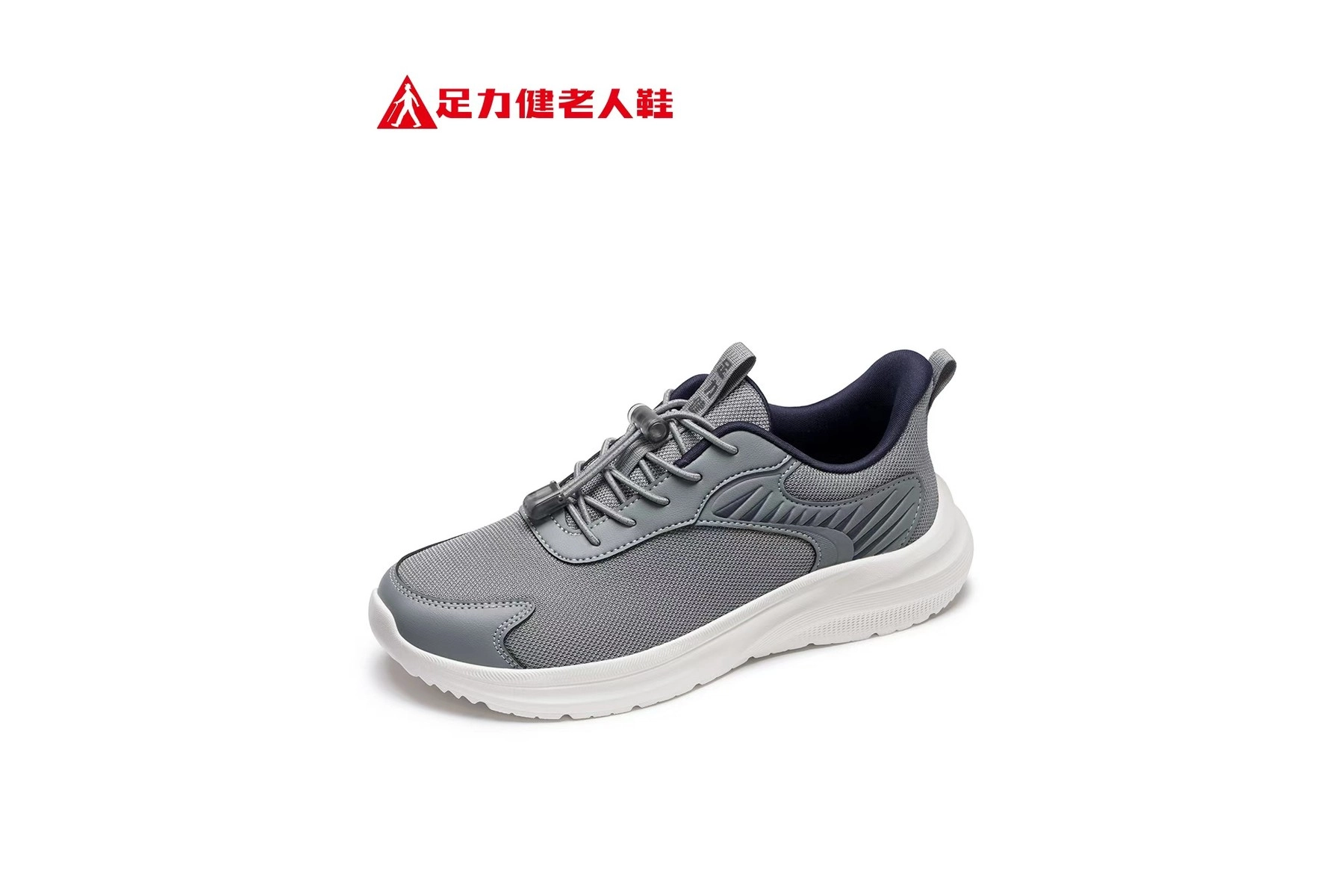
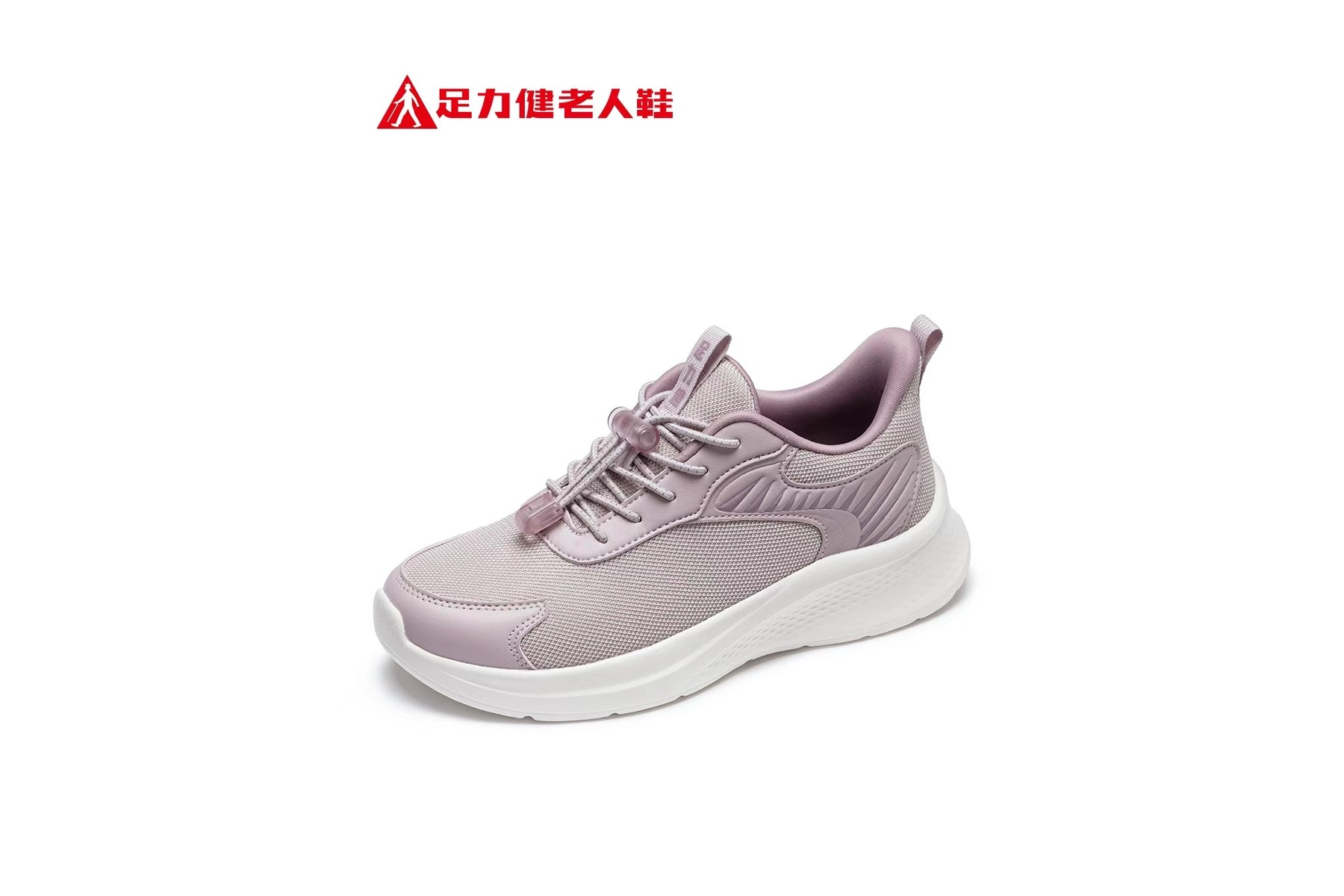
Two concrete visual candidates are men's 26113060 in White and women's JM-26289136 in Ivory. Their published photographs show sports-casual walking-shoe designs. Use them to discuss whether that look fills the required role in the stores; they do not establish a full leather-loafer or dress-shoe collection.
The men's published specification lists a textile-and-PU upper, EVA outsole and EU sizes 39–44. The women's lists a textile upper, PU insole, EVA outsole and EU sizes 35–40. Confirm current versions, orderable sizes and U.S. mapping. Review the fastening operation on samples, because a design description or photograph alone is insufficient to establish hands-free entry.
Request evidence for any additional function the buying brief requires. A broad forefoot is not a standard width grade; cushioning is not proof of fall prevention; and everyday comfort positioning does not establish suitability for a diagnosed foot condition. Keep the product file tied to the selected style and intended use.
Treat the retail price band as a target to test
The $100–$160 range is the buyer's requirement. Obtain a current quotation for the selected styles and quantities, then put merchandise cost beside freight, insurance, duties, clearance, local delivery and the other costs relevant to the arrangement. The retailer should assess its own pricing, promotion and operating assumptions.
Do not use an assumed ZULIZ recommended retail price or guaranteed margin to fill a gap in the proposal. If a style does not fit the target economics, consider another product, a different assortment or a revised plan. The board can then see what has been verified and which decisions remain open.
ZULIZ does not set a minimum order quantity for distributor orders and replenishment. Selected products, delivery and commercial terms are confirmed per order. A small evaluation can therefore be discussed without assuming that every shipment size is economical or every variant is immediately available. Custom development or packaging requirements should be considered separately.
Measure customer response before a national rollout
Use the selected samples with customers representative of the intended stores. Record appearance feedback, fit observations, requested sizes and reasons for rejecting a style. People within the same age group need not share a wardrobe preference, foot shape or price expectation.
For a limited retail trial, agree the participating stores, selling period and measures before launch. Review sell-through, return reasons, unavailable-size requests and delivered costs. No fixed improvement in trial rate, conversion or returns is established here. The results should determine which products deserve a larger commitment.
ZULIZ provides product information and agreed partner support, including online English training, refresher training and in-store training. Connect those resources to the approved range and participating teams. For slow stock or quality issues, exchanges or goods-payment credit can be discussed case by case, with responsibilities and the remedy agreed.
Prepare a board-ready proposal
The final pack should contain the visual approval criteria, selected-SKU list, the calculated appearance share, samples or approved images, the costed commercial proposal and the proposed trial. If the retailer requires EDI, UPC data or fixed case packs, ZULIZ confirms those capabilities; the customer-specific implementation and selected-range completeness still need to be checked.
Contact ZULIZ with the intended stores, the board's appearance requirement and target retail band. Request relevant products and sample arrangements first. Develop the final mix after the evidence review, and recheck the agreed appearance share when seasonal substitutions are proposed.
FAQ
Can ZULIZ guarantee that the curated opening assortment will meet the board requirement of at least 50% non-medical styling?
ZULIZ can configure a supply proposal around the target of at least 50% everyday, non-medical-looking styles and a $100–$160 U.S. retail price. Agree the visual criteria and count distinct selected styles. At least half of the same styles must pass both the appearance review and the $100–$160 retail-economics check; approve the actual styles and samples together. Final styles, quotations and the buyer’s margin are assessed case by case; this is not a verified catalog-wide percentage or a guaranteed margin.
Are the non-medical ZULIZ styles still engineered for older adult foot issues such as bunions, high insteps and foot swelling?
Assess the selected style's fit, materials and available sizes for the intended customer. Everyday comfort positioning and appearance do not establish treatment or suitability for a particular condition. Any condition-specific requirement needs appropriate product evidence and professional advice; do not infer it across the range.
Does every non-medical SKU fall inside the $100–$160 retail price window?
No universal price range is established here. The $100–$160 band is the buyer's target. Request current product quotations and evaluate landed costs, channel expenses and the retailer's pricing assumptions for the selected assortment.
How do mature shoppers respond to these non-medical styles compared with traditional orthopedic comfort shoes?
No comparative improvement percentage is established here. Test the shortlisted styles with customers representative of the stores and record appearance, fit and purchase feedback. Use the same criteria when comparing alternative products.
If the board approves, can ZULIZ support EDI, full UPC data and consistent case packs for our U.S. retail chain rollout?
ZULIZ confirms existing EDI order/shipment integration capability, genuine UPC identifiers and fixed case-pack specifications by style. Verify the selected variants, retailer requirements, mapping, pack revision and acceptance tests for the program. General capability does not establish named-chain approval.
Can we adjust the percentage of non-medical styles in future seasonal refreshes, to keep meeting the board’s rule over time?
Yes, a revised assortment can be proposed and reviewed against the same agreed criteria. Recalculate the share after substitutions and confirm available products, costs and order terms. Do not assume a permanent catalog-wide percentage.

Brazil's Comfort Footwear Market: Filling Gaps Beside Orthopedic Lines
India's Comfort Footwear Market: Wide Fits and Regional Assortments
The U.S. Comfort Footwear Market: Importers and Wide-Fit Wholesalers

Store Conversion in Comfort Footwear: Rethinking the Fit Wall
You May Also Like
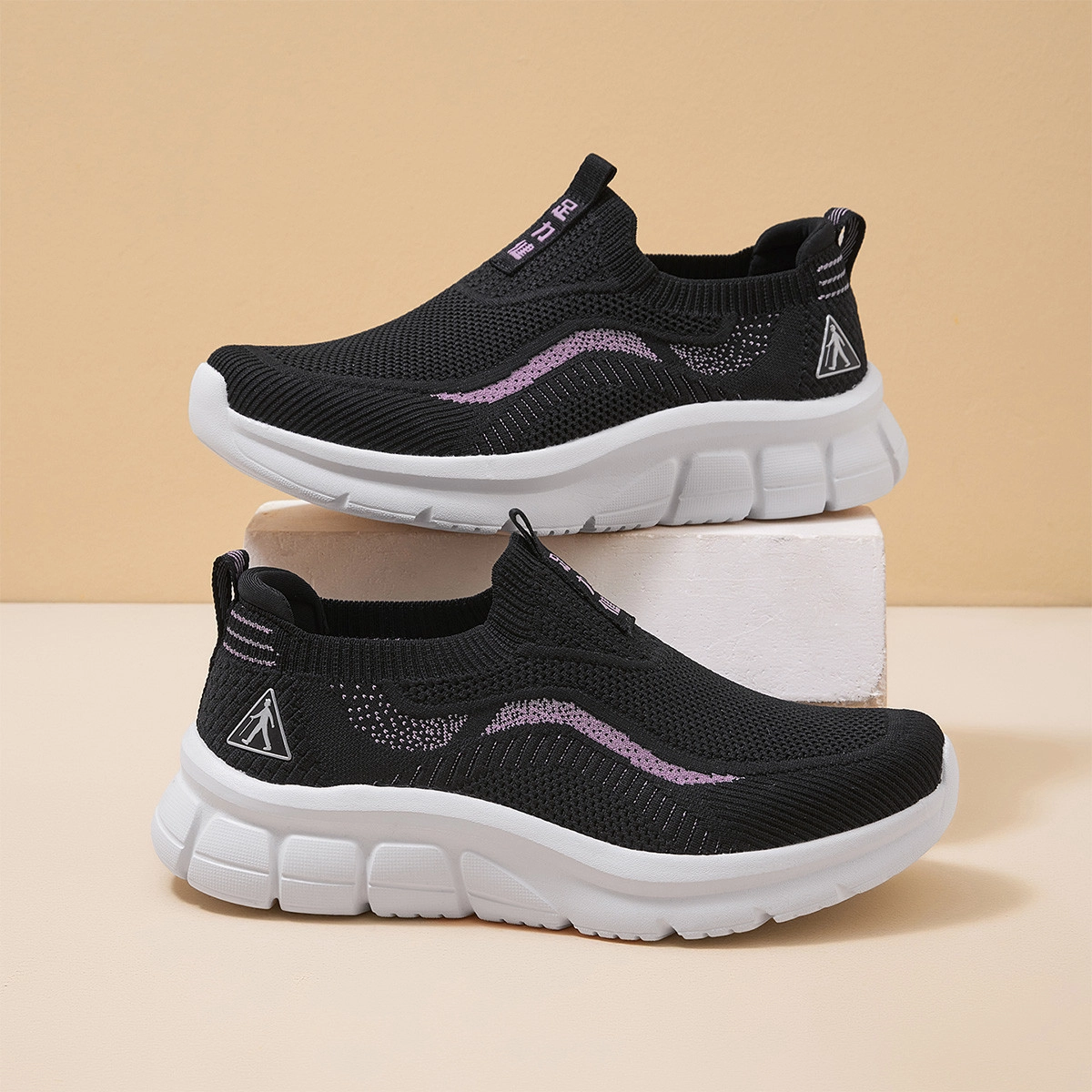
ZULIZ Women's Breathable Easy-On Walking Shoes JM-26189020
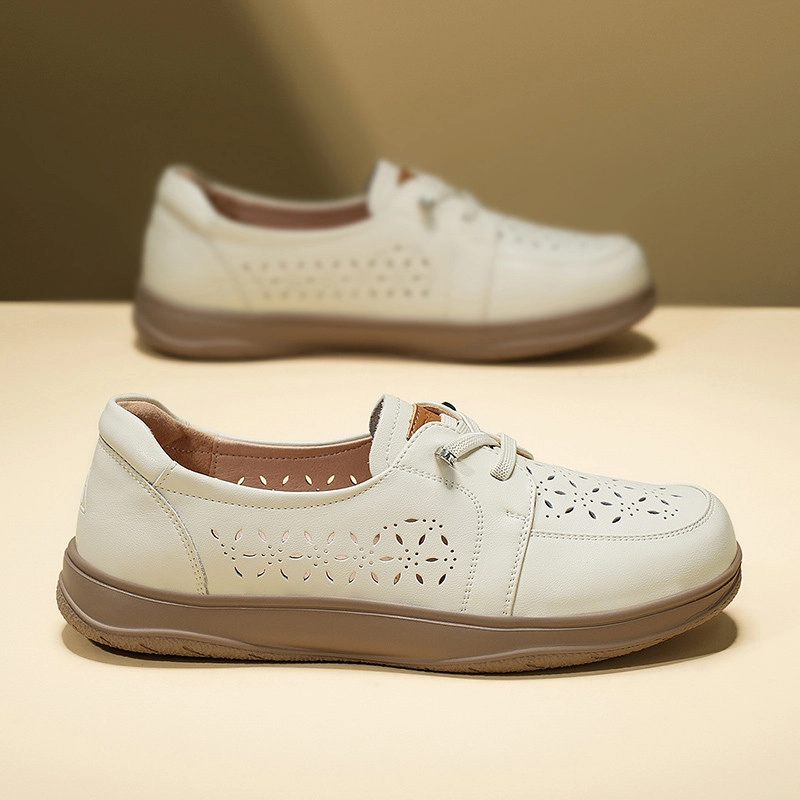
ZULIZ Women's Breathable Casual Slip-On Shoes 25286069
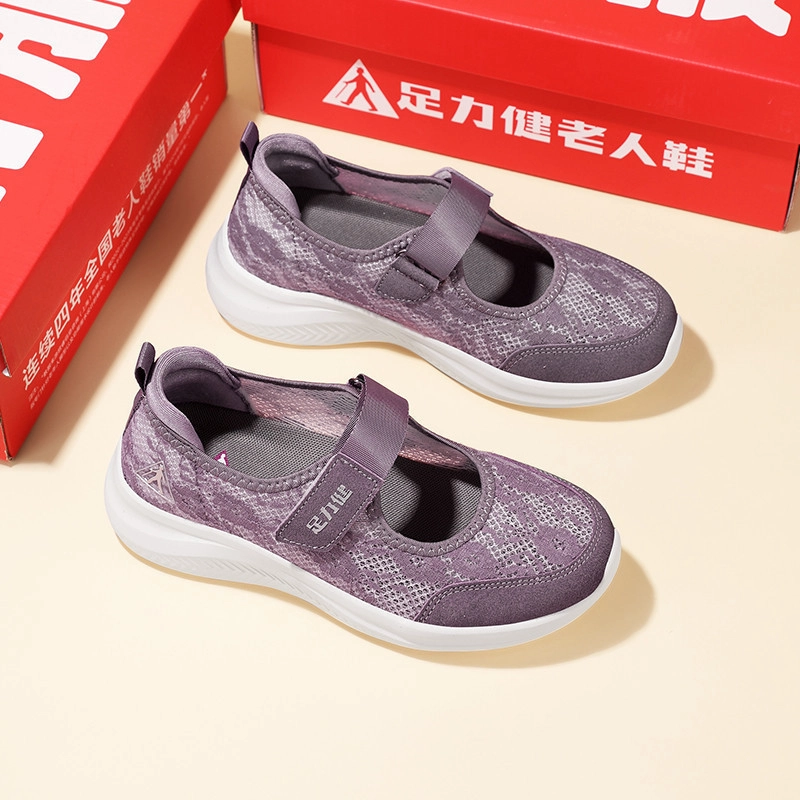
ZULIZ Women's Lightweight Cushioned Walking Shoes 25216046
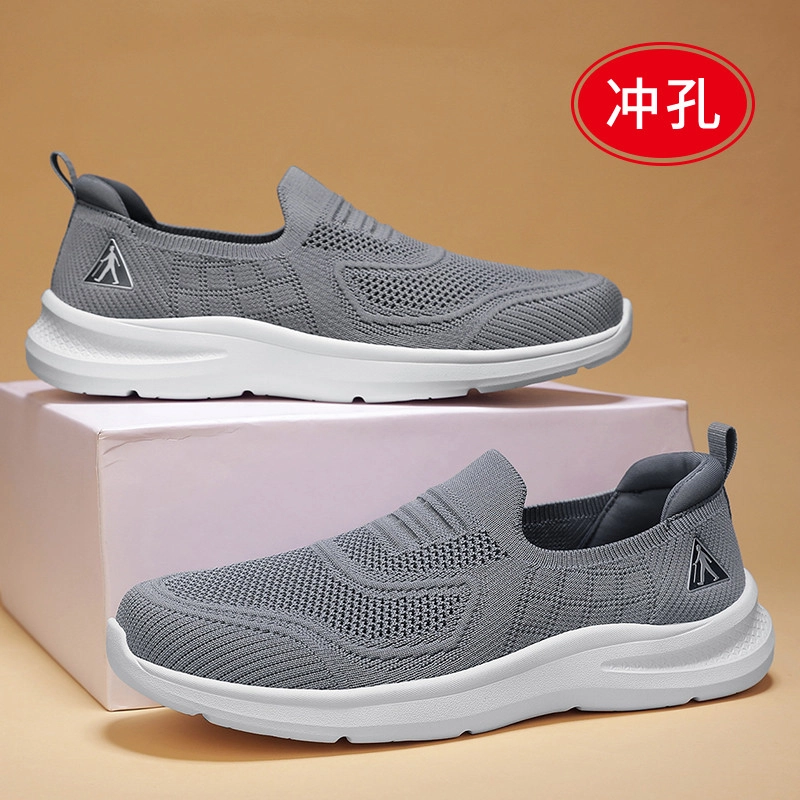
ZULIZ Men's Breathable Easy-On Walking Shoes 2428648K01026
Start Your ZULIZ Partnership Inquiry
Choose your partnership type and enter your email to request ZULIZ distribution terms and brand support.
Contact us

Ray.pang@zuliz.com

+86 155 1699 6565

5th Floor, Building 2, Courtyard 3, No. 521, Binhui North 1st Street, Tongzhou District, Beijing
Copyright © 2026 ZULIZ. All Rights Reserved. Designed by Gooeyun. Privacy Policy | Terms and Conditions | Sitemap
Facebook
YouTube
Instagram
Twitter