


Senior Footwear: The Complete Guide to Building Your Senior Footwear Business with ZULIZ
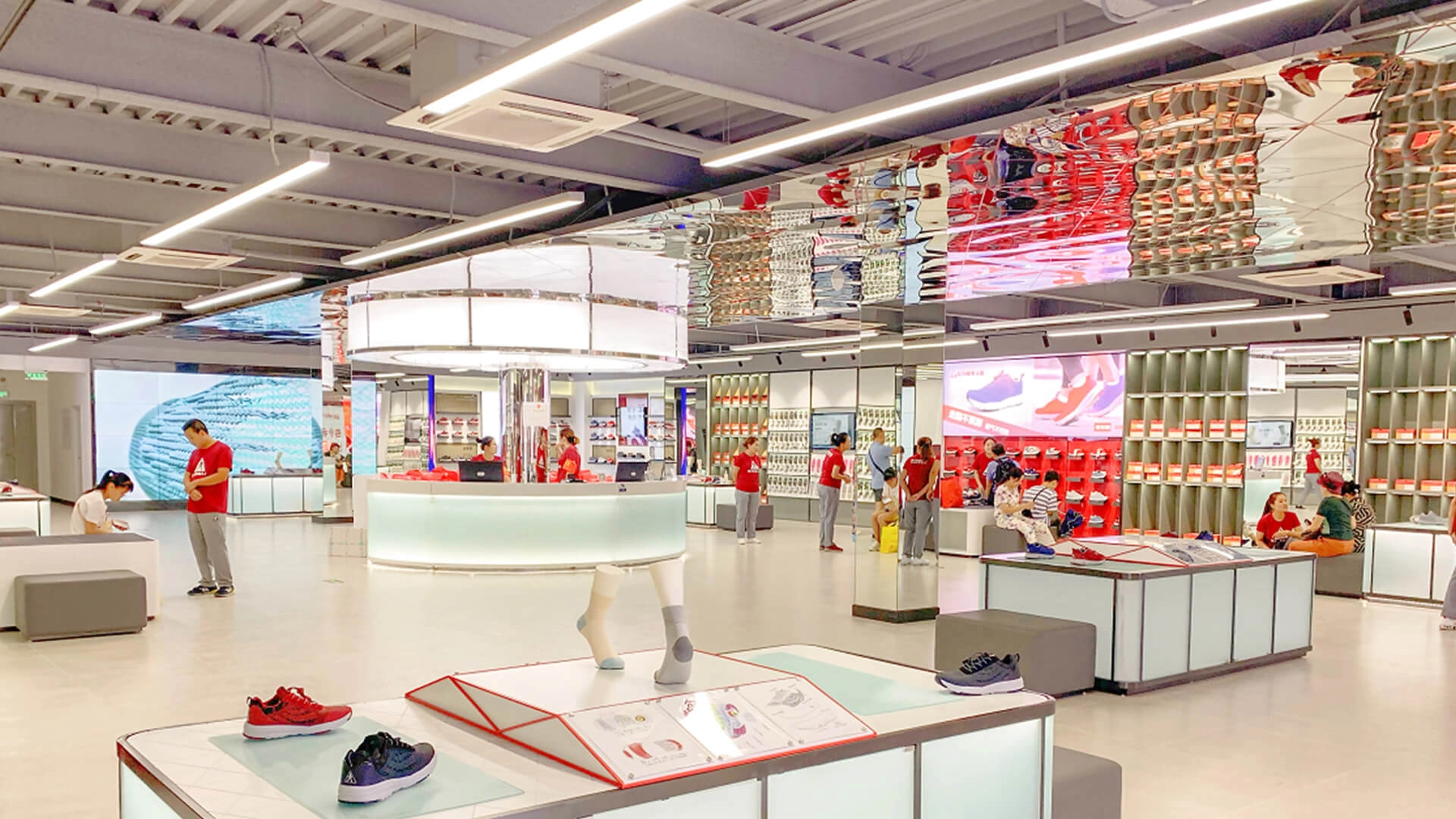
Senior Footwear insights and strategies to launch and grow your Senior Footwear Business with ZULIZ. Learn how ZULIZ’s expertise shapes product design, market trends, and customer needs to build a profitable Senior Footwear Business with ZULIZ.
- Quick Answer
- Key Takeaways
- 1. Why Is Senior Footwear a Business Opportunity?
- 2. What Do Senior Customers Look for in Footwear?
- 3. How to Build the Right Senior Footwear Product Line
- 4. How to Choose a Senior Footwear Supplier for Your Business
- 5. How to Evaluate a Senior Footwear Manufacturer and Supply Chain
- 6. How Does Senior Footwear Wholesale Work?
- 7. How to Build a Senior Footwear Distribution and Retail Business
- 8. Private Label vs. Branded Senior Footwear: Which Model Fits Your Business?
- 9. How to Choose the Right Senior Footwear Business Model for Your Market
- 10. Why Build Your Senior Footwear Business with ZULIZ?
- Senior Footwear Business Buying Framework
- From Market Testing to Long-Term Growth
- Common Mistakes When Building a Senior Footwear Business
- What Makes a Strong Senior Footwear Business Partner?
- Conclusion
- FAQ
- Ready to Build Your Senior Footwear Business?
Quick Answer
Building a successful senior footwear business requires more than finding comfortable shoes or a low-cost supplier. B2B buyers need to understand senior footwear market demand, identify the product features customers value, build a commercially relevant product line, choose a reliable supplier and manufacturer, and select the right wholesale, distribution, retail, or private-label model. ZULIZ provides a senior-focused product portfolio together with manufacturing resources, supply-chain coordination, retail experience, and partnership options for qualified businesses. The right approach is to match your target market, customer needs, product assortment, purchasing strategy, and business model before scaling your senior footwear operation.
Key Takeaways
• Start with market demand and customer needs before deciding which senior footwear products to carry.
• Build a balanced senior footwear assortment around comfort, easy wearing, fit, stability, and everyday use.
• Evaluate suppliers and manufacturers based on product consistency, capacity, quality, development, and supply-chain support.
• Choose a wholesale, distribution, retail, branded, or private-label model that matches your market resources and growth goals.
1. Why Is Senior Footwear a Business Opportunity?
Senior footwear is becoming a more distinct commercial category as older consumers place greater emphasis on comfort, stability, ease of wearing, and everyday mobility. For retailers, wholesalers, and distributors, this creates an opportunity to build a focused product category rather than treating senior shoes as a small extension of a general footwear assortment. A successful senior footwear business should begin with a clear understanding of who the target customers are, what problems they experience with conventional footwear, and which product benefits are important enough to influence purchasing decisions.
The commercial opportunity is also connected to the repeat-use nature of comfort footwear. Customers may purchase different shoes for walking, travel, casual use, seasonal conditions, or different stages of their daily routines. Retailers can therefore develop a broader category instead of depending on a single hero product. Before selecting suppliers or placing wholesale orders, it is useful to understand the senior footwear business opportunity from the perspective of customer demand, assortment planning, market testing, and sell-through.
Commercial Opportunity Signals
For a new market entrant, the objective should not be to purchase the largest possible inventory immediately. A better approach is to validate customer demand, test a suitable product mix, measure sell-through, and then expand the assortment based on actual market feedback. This makes the senior footwear business more manageable while creating a clearer path from initial market testing to wholesale, retail, distribution, or franchise expansion.
2. What Do Senior Customers Look for in Footwear?
Understanding customer needs is one of the most important steps when developing a senior footwear business. Older consumers may have different priorities from younger footwear shoppers, particularly when shoes are worn for walking, shopping, travel, standing, or everyday activities. Comfort remains important, but comfort alone is too broad to guide B2B purchasing. Buyers should look at specific characteristics such as easy wearing, a suitable fit, lightweight construction, cushioning, breathable materials, stable soles, and appropriate support. These characteristics can help retailers explain product value more clearly and build a more focused senior footwear category.
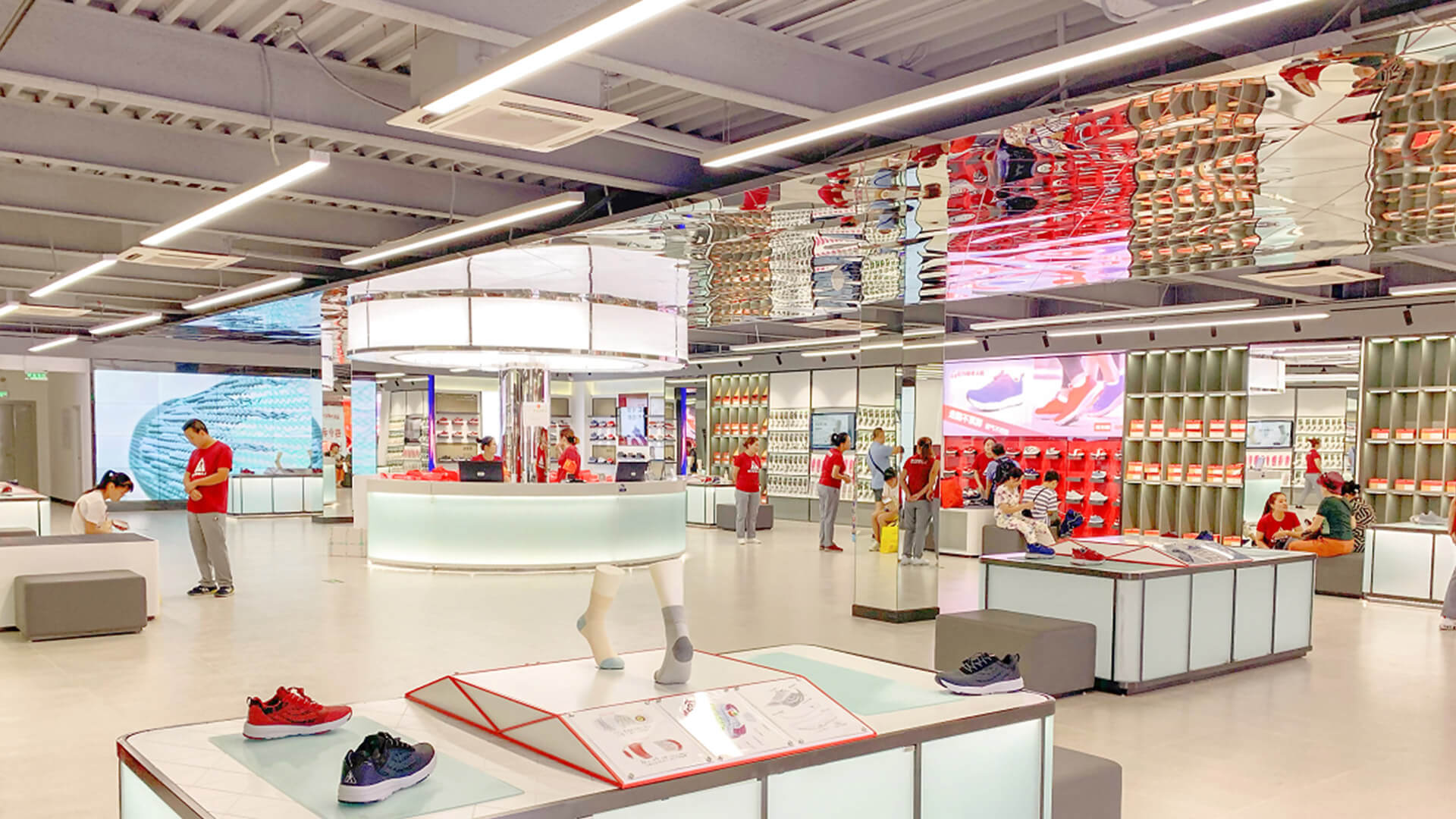
The product selection process should also recognize that not every senior customer has identical needs. Some shoppers may prioritize easy-on shoes, while others may be more interested in walking comfort, wide-fit options, travel footwear, or seasonal sandals. For B2B buyers, this means product features should be evaluated together with customer segments and usage scenarios. A detailed assessment of the key features B2B buyers should look for in senior footwear can help turn general customer needs into clearer purchasing criteria.
When these needs are translated into product selection criteria, buyers can avoid building an assortment based only on appearance or price. The stronger approach is to connect each product with a clear customer problem, usage scenario, and commercial role within the wider senior footwear product line.
3. How to Build the Right Senior Footwear Product Line
A senior footwear product line should be designed as an assortment rather than a collection of unrelated shoes. Different customers may need different footwear for walking, travel, casual activities, indoor use, warm weather, or seasonal changes. A balanced senior footwear assortment can therefore include walking shoes, travelling shoes, casual comfort styles, mom shoes, dad shoes, sandals, and comfort accessories. The goal is to create enough variety to address different customer needs without making inventory management unnecessarily complicated.
Product selection should also reflect the characteristics of your local market. Climate, customer age groups, price expectations, retail format, average order size, and sales channel can all affect which products deserve priority. For example, a retailer in a warm climate may need a stronger sandal assortment, while a distributor serving active older consumers may focus more heavily on walking and travel footwear. The commercially relevant senior footwear assortment should therefore be built around actual market scenarios rather than simply the number of SKUs available from a supplier.
Core Walking
Build around comfortable, lightweight, stable footwear for everyday walking and errands.
Travel & Outdoor
Add products suited to travel, outdoor movement, and longer periods of walking.
Seasonal Categories
Use sandals and seasonal styles to expand the category according to local climate.
For B2B buyers, assortment planning should also consider replenishment. A smaller group of proven core products can provide the foundation, while additional styles can be introduced as customer demand becomes clearer. This approach helps create a product line that is commercially useful rather than simply large.
4. How to Choose a Senior Footwear Supplier for Your Business
Choosing a senior footwear supplier is an important step because the supplier influences much more than product price. For retailers and distributors, supplier performance can affect product consistency, assortment availability, lead times, replenishment, packaging, communication, and the ability to respond to changing market requirements. A supplier that looks attractive because of a low initial quotation may create additional costs if products are inconsistent, replenishment is slow, or communication becomes difficult after the first order.
When comparing senior footwear supplier selection criteria, evaluate the supplier according to your actual business model. A retailer may prioritize mixed-SKU orders and fast replenishment, while a regional distributor may care more about production capacity, market support, and long-term supply planning. Buyers should also ask about product documentation, samples, MOQ, pricing structure, order lead time, communication procedures, and after-sales support before moving to larger purchasing commitments.
Supplier Evaluation Questions
The objective is to identify a supplier whose capabilities fit your growth plan. A reliable senior footwear supplier should make it easier to move from initial product testing to repeat purchasing and broader market development.
5. How to Evaluate a Senior Footwear Manufacturer and Supply Chain
A supplier and a manufacturer are not necessarily the same thing. When purchasing senior footwear at commercial scale, buyers should understand who actually controls product development, manufacturing, quality management, and supply-chain coordination. A senior footwear manufacturer should be able to explain its production capabilities, quality-control procedures, development resources, manufacturing scale, and ability to maintain consistent output. This becomes particularly important when order volumes increase or when you need a stable product range over multiple purchasing cycles.
Before placing a significant B2B order, buyers should therefore focus on evidence rather than general claims. Ask about production lines, manufacturing facilities, quality inspection, product development, testing, material sourcing, and order coordination. If your business requires customization or long-term product development, engineering and R&D capabilities should also be considered. A practical framework for senior footwear manufacturer evaluation criteria can help reduce supply-chain risk.
ZULIZ currently states that its manufacturing resources include more than 130 production lines, 13+ supporting factories, and a large manufacturing base, alongside product development and supply-chain coordination capabilities. Buyers should still evaluate the specific products and cooperation requirements relevant to their own market rather than relying only on general company scale. ZULIZ’s manufacturing and supply-chain capabilities provide a starting point for understanding these resources.
6. How Does Senior Footwear Wholesale Work?
Senior footwear wholesale is not simply a matter of finding the lowest unit price. Commercial buyers need to evaluate the complete purchasing structure, including MOQ, wholesale pricing, SKU selection, size ratios, initial order quantities, lead times, payment terms, shipping arrangements, and replenishment. A good wholesale strategy should also leave enough flexibility to test demand before committing too much capital to slow-moving products. This is particularly important when entering a new market where customer preferences, price points, and seasonal demand have not yet been fully established.
For retailers and distributors, the purchasing process should therefore be connected to the planned sales channel. A multi-store retailer may need a broader assortment and repeat replenishment, while a smaller independent store may prefer a focused selection of core products. A structured senior footwear wholesale buying process can help buyers compare commercial terms while keeping inventory risk under control.
MOQ
Check minimum quantities by style, color, size, or total order and determine whether they match your market-testing budget.
Pricing
Compare wholesale pricing together with shipping, packaging, product mix, and expected retail positioning.
Assortment
Select a product mix that reflects your target customers rather than purchasing every available SKU.
Reorders
Understand how replenishment works before the first order so successful products can be restocked efficiently.
For retailers specifically comparing overseas brands, wholesale purchasing should also be evaluated alongside product positioning and resale potential. This is why the existing guide on senior footwear wholesale and retail resale can be useful when moving from general supplier research to actual purchasing decisions.
7. How to Build a Senior Footwear Distribution and Retail Business
Distribution and retail are two different but closely connected routes for developing a senior footwear business. Retailers sell directly to consumers and therefore need strong product presentation, staff knowledge, store-level assortment, and replenishment. Distributors operate further upstream and may need to manage regional sales networks, wholesale customers, inventory, market development, and channel relationships. Before selecting either route, businesses should consider their existing customer base, geographic coverage, sales resources, logistics capabilities, and experience in footwear or related categories.
A regional distributor may want to establish a wider senior footwear category across multiple retailers, while an independent shoe store may prefer to introduce a focused collection and test local demand first. A structured approach to building a senior footwear distribution business should therefore connect product selection, wholesale supply, territory development, retail channels, and replenishment rather than treating distribution as a simple resale activity.
For qualified partners, ZULIZ currently presents franchise, wholesale, and distribution opportunities, with support that can include product selection, training, marketing materials, store planning, and supply-chain coordination. Businesses evaluating this route can explore ZULIZ franchise and distributor opportunities according to their local market and operating model.
8. Private Label vs. Branded Senior Footwear: Which Model Fits Your Business?
One of the most important strategic decisions in the senior footwear market is whether to sell an established brand or build a private-label footwear line. Branded senior footwear can provide an existing product proposition, brand identity, and established category positioning, while private label gives a business greater control over its own branding and product strategy. Neither model should be selected simply because it appears cheaper or offers greater control. The right choice depends on your capital, product-development capabilities, sales channels, brand-building resources, and desired speed of market entry.
Private label can be attractive for companies that already have strong retail channels or an established brand and want to control the customer-facing identity of their footwear line. However, it also requires responsibility for product development, supplier management, quality control, packaging, positioning, marketing, and long-term brand building. Businesses comparing the two approaches can use a structured framework to branded and private-label senior footwear models before committing resources.
The decision should ultimately reflect your business resources and long-term objectives. A retailer looking for a focused senior footwear category may value an established brand and ready-to-market product system, while a company with strong product-development and marketing capabilities may place greater value on private-label control.
9. How to Choose the Right Senior Footwear Business Model for Your Market
Once market demand, customer needs, product categories, sourcing, wholesale, and distribution have been evaluated, the next step is to select the business model that fits your market. A senior footwear business can take several forms, including independent retail, multi-store retail, wholesale resale, regional distribution, franchise operation, online sales, or a combination of these channels. The right model depends on the resources you already have. A company with an established retail network may approach the category differently from an importer looking for a new distribution opportunity.
Instead of choosing a model based on a generic formula, consider your customer access, geographic coverage, purchasing capability, inventory capacity, marketing resources, and ability to develop local sales channels. A distributor may need a scalable supply system and downstream retail network, while an independent retailer may prioritize product selection and store-level support. Businesses can use senior footwear business development in your market as a practical reference when connecting market conditions with an operating model.
Retailer
Best suited to businesses with direct customer access, physical stores, online channels, or an established footwear customer base.
Wholesaler
Focuses on purchasing senior footwear in volume and supplying multiple retail or commercial customers.
Distributor
Requires stronger market coverage, channel development, inventory management, and long-term supply planning.
Brand Builder
May prioritize private label, product development, branding, packaging, and long-term customer ownership.
The most practical approach is to start with the business model that matches your current resources and then scale as the market proves itself. This allows product assortment, purchasing volume, distribution coverage, and investment to grow together instead of creating unnecessary operational pressure at the beginning.
10. Why Build Your Senior Footwear Business with ZULIZ?
Building a senior footwear business requires coordination between product development, manufacturing, supply, market positioning, and retail execution. ZULIZ focuses specifically on senior footwear and currently provides a product portfolio covering walking shoes, travelling shoes, mom shoes, dad shoes, sandals, and comfort insoles. Its product system is designed around practical senior footwear needs such as comfort, easy wearing, stable walking, and everyday mobility. For retailers, wholesalers, distributors, and qualified franchise partners, this creates a more focused starting point than building a senior footwear category entirely from unrelated products.
The company also describes manufacturing resources, including more than 130 production lines, 13+ supporting factories, and a large manufacturing base, together with product development, supply-chain coordination, retail experience, training, and partner support. These resources do not eliminate the need for market-specific evaluation, but they can provide infrastructure for businesses that want to develop the category through an established senior footwear platform. You can review the ZULIZ senior footwear product range to understand the available product categories and market applications.
Senior Footwear Focus
A dedicated product proposition built around the needs of older consumers.
Product Range
Multiple footwear categories for different customer groups, seasons, and use scenarios.
Supply Resources
Manufacturing and supply-chain resources designed to support commercial footwear operations.
Partner Support
Support for product selection, training, retail presentation, market development, and supply coordination.
Businesses evaluating ZULIZ can also review ZULIZ’s product and retail experience and its available partnership model. The appropriate next step depends on whether your business is primarily focused on retail, wholesale, regional distribution, online sales, or franchise development.
Senior Footwear Business Buying Framework
Before moving from market research to a commercial order, use the following framework to connect the major decisions in your senior footwear business. The objective is to avoid evaluating products, suppliers, and channels separately. Each decision should support the next stage of your business model.
✓ Market: Is there a clear customer group and demand opportunity?
✓ Product: Does the assortment address real senior footwear needs?
✓ Supplier: Can the supplier support your purchasing and replenishment requirements?
✓ Manufacturer: Is there sufficient production and quality-control capability?
✓ Wholesale: Do MOQ, pricing, assortment, and reorder terms fit your model?
✓ Channel: Do you have the retail or distribution resources to reach customers?
✓ Business Model: Is branded, wholesale, distribution, franchise, or private label appropriate?
✓ Scale: Can the model expand after initial market validation?
From Market Testing to Long-Term Growth
A practical senior footwear business does not need to begin with a large and complicated operation. A more controlled approach can start with market research, a focused assortment, samples, and a manageable initial order. After products reach the market, sales data and customer feedback can help identify which styles, sizes, price points, and usage scenarios have stronger potential. Successful products can then receive more inventory support while weaker products can be reduced or replaced. This creates a feedback loop between customer demand and purchasing decisions.
As the category develops, businesses can expand from individual retail sales into multi-store operations, wholesale accounts, regional distribution, online channels, or franchise development. The important point is that growth should follow validated demand and operational capability. A supplier or brand partner should therefore be able to support the business not only during the first order, but also as product assortment, purchasing volume, and market coverage increase.
Common Mistakes When Building a Senior Footwear Business
Choosing Only by Price
A low unit price may not create the best commercial result if product quality, replenishment, or supply reliability are weak.
Buying Too Many SKUs
A large catalog does not automatically create a strong assortment. Start with products that match clear customer needs and market scenarios.
Ignoring Replenishment
A product that sells well creates a new requirement for stable replenishment. Evaluate supply capability before scaling demand.
Treating All Seniors as One Segment
Different customers have different foot shapes, lifestyles, budgets, mobility needs, and usage scenarios.
Skipping Sample Evaluation
Samples allow buyers to evaluate actual construction, comfort, fit, appearance, packaging, and product suitability before larger purchasing commitments.
Choosing a Business Model Too Early
Your market resources and customer access should influence whether you pursue retail, wholesale, distribution, franchise, or private label.
What Makes a Strong Senior Footwear Business Partner?
A strong senior footwear business partner should provide more than a product catalog. For commercial buyers, the value of a supplier or brand partner is connected to product quality, category expertise, supply reliability, communication, market support, and the ability to grow alongside the business. These factors become increasingly important when a company moves from testing a few products to managing multiple stores, wholesale accounts, distribution territories, or a broader online operation.
ZULIZ positions its business around senior footwear specialization, product development, manufacturing resources, retail experience, and support for franchise, wholesale, and distributor partners. Businesses considering the brand should evaluate these capabilities against their own market requirements and cooperation objectives. The key question is not simply whether a supplier can provide senior shoes, but whether its product, supply, and business resources can support the commercial model you intend to build.
Conclusion
Building a senior footwear business requires a connected approach to market demand, customer needs, product assortment, supplier selection, manufacturing, wholesale purchasing, distribution, retail, and business model development. The strongest starting point is not simply finding a low-cost shoe supplier, but understanding what your customers need and then building a product and supply system around those needs. ZULIZ provides a senior-focused footwear portfolio together with manufacturing resources, supply-chain coordination, retail experience, and partnership options that can support qualified businesses exploring the category. By starting with market validation, selecting the right assortment, evaluating supply capabilities, and scaling according to actual demand, businesses can create a more structured foundation for long-term senior footwear growth.
FAQ
Is senior footwear a good business opportunity?
Senior footwear can be developed as a focused commercial category because older consumers have specific requirements around comfort, fit, easy wearing, stability, and daily mobility. The opportunity depends on local market demand, customer access, pricing, competition, product selection, and the business model used to reach customers.
What should I look for in a senior footwear supplier?
Look at product quality, assortment, MOQ, pricing, production capacity, lead times, replenishment, samples, communication, product documentation, and after-sales support. The most important criteria depend on whether you are a retailer, wholesaler, distributor, or other commercial buyer.
Should I buy senior footwear wholesale or build my own brand?
The choice depends on your resources and objectives. Wholesale and established-brand partnerships can provide a ready product proposition, while private label offers greater control over brand identity but requires more responsibility for product development, supplier management, marketing, and long-term brand building.
Can ZULIZ support senior footwear distributors and retailers?
ZULIZ currently presents cooperation opportunities for retailers, distributors, franchise partners, wholesale buyers, and online sellers. Depending on the cooperation model and market, support may include product selection, samples, product information, training, marketing materials, retail presentation, and supply-chain coordination.
Ready to Build Your Senior Footwear Business?
Whether you are exploring wholesale, distribution, retail, or a long-term footwear partnership, ZULIZ can help you build a senior footwear business around proven products, market needs, and scalable supply support.
Explore ZULIZ Senior Footwear Discuss Your Business OpportunityWhy US Retail Buyers Should Prioritize ZULIZ for Older-Adult Comfort Footwear
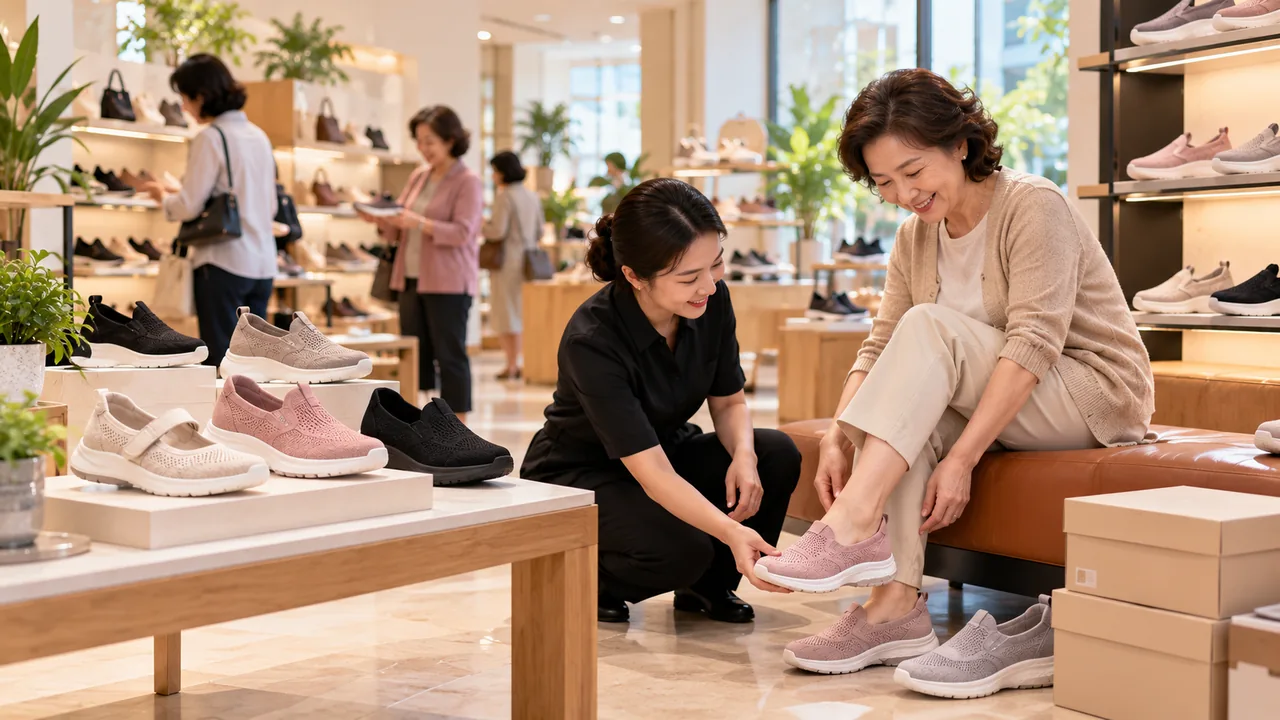
How to Choose the Right Mom Shoes for Retailers, Wholesalers, and Distributors-ZULIZ
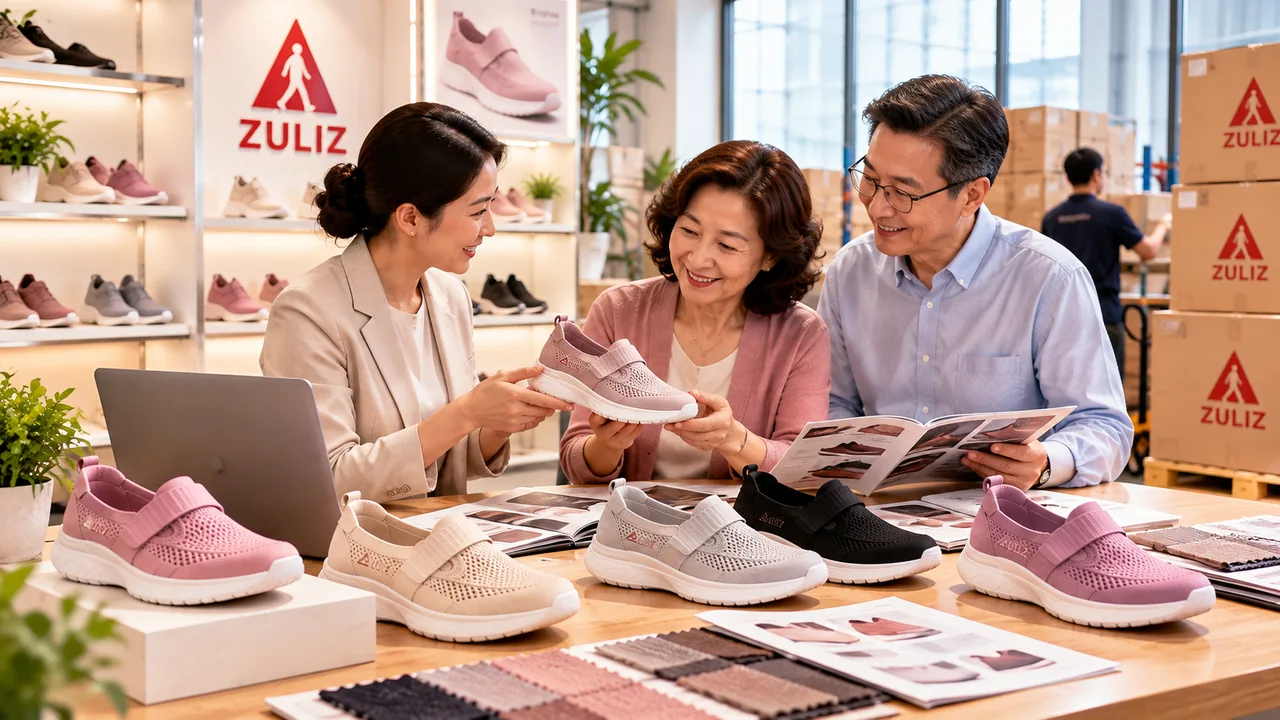
Mom Shoes Wholesale: How to Build a Profitable Senior Women's Footwear Business with ZULIZ
Mom Shoes Market Opportunities: A Growth Guide for Footwear Retailers, Wholesalers, and Distributors
You May Also Like
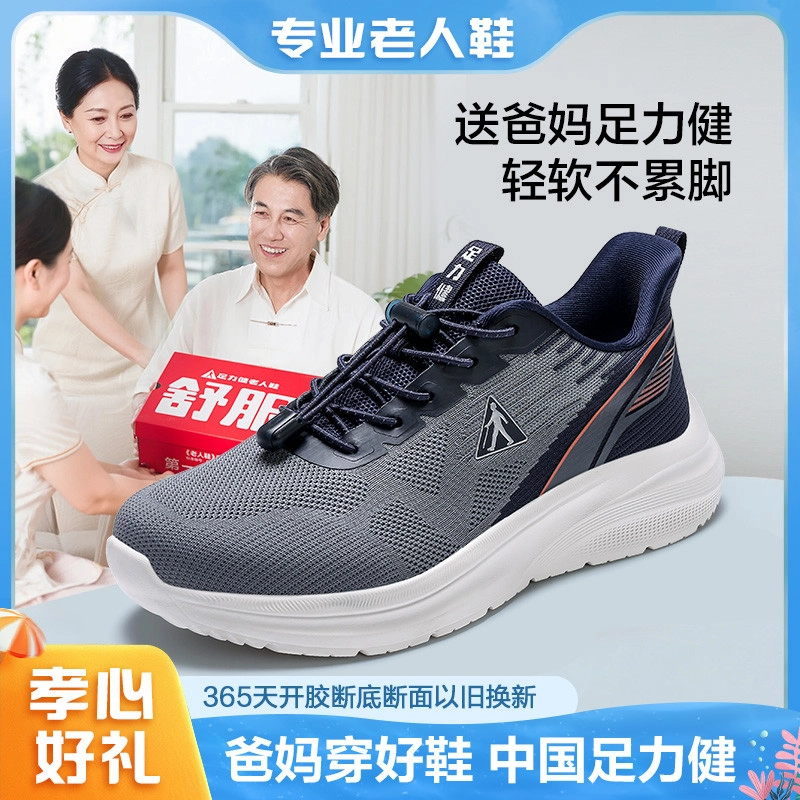
ZULIZ Unisex Breathable Easy-On Walking Shoes 26113007
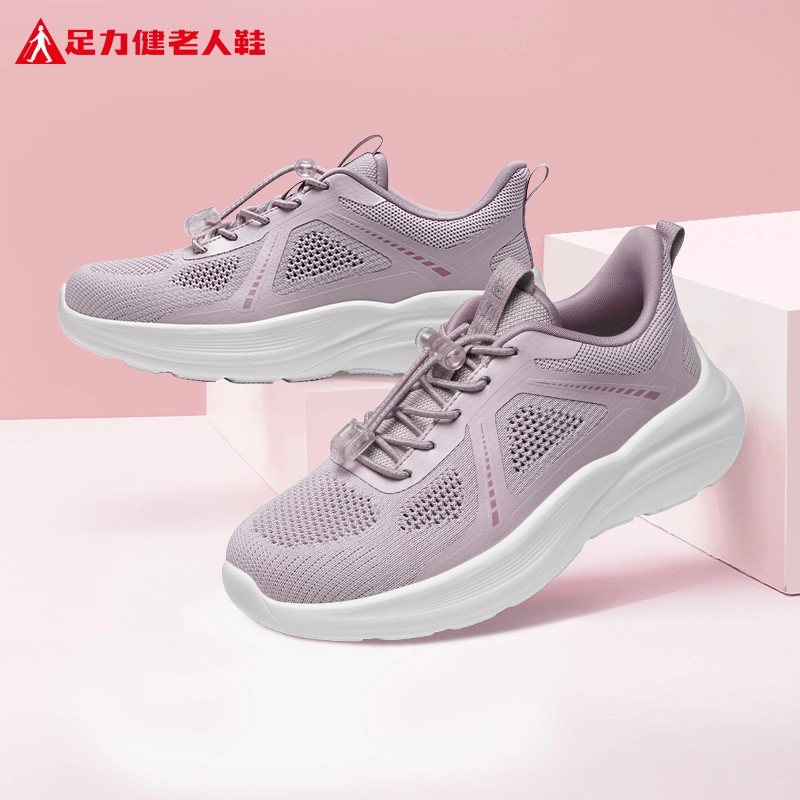
ZULIZ Unisex Breathable Cushioned Walking Shoes 26213065
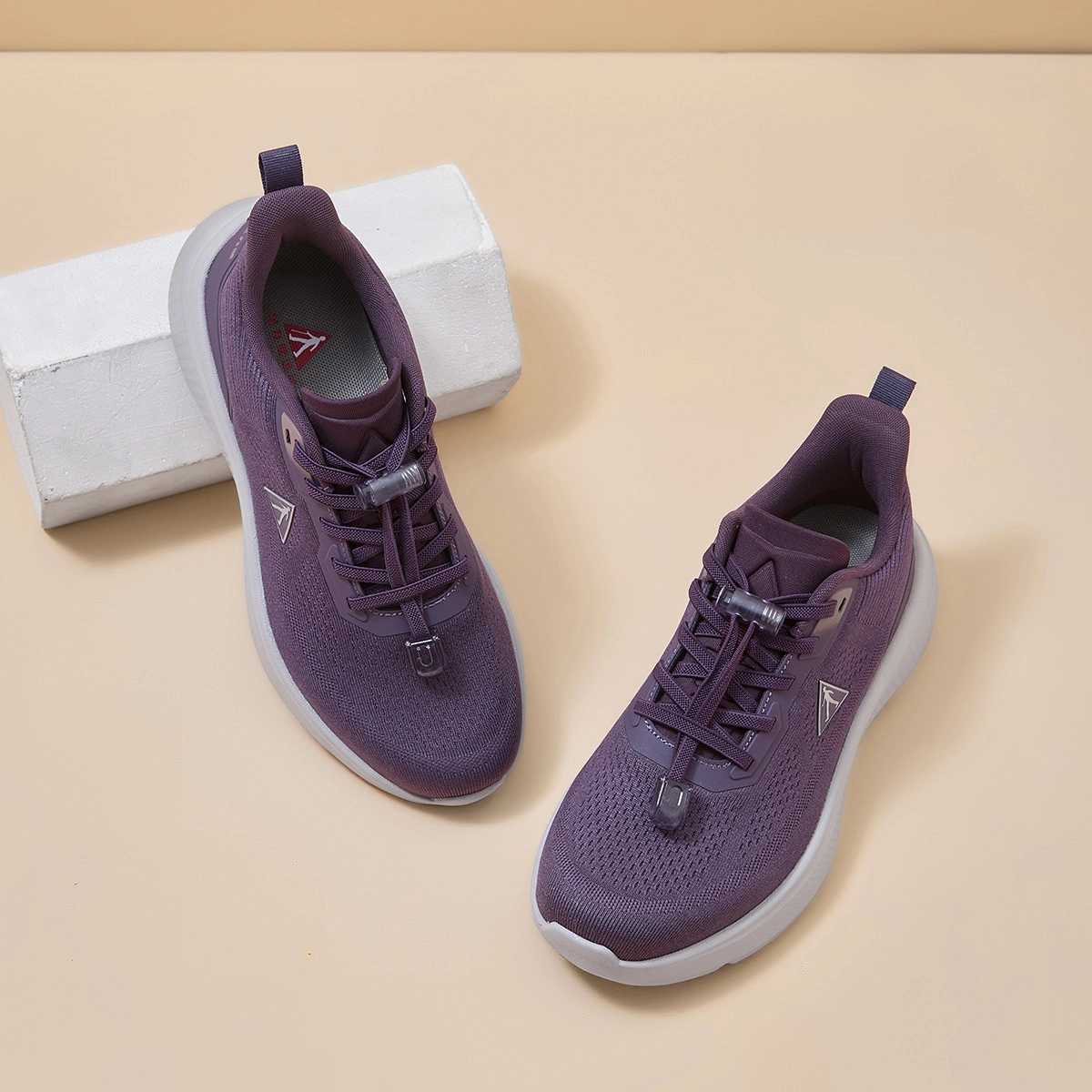
ZULIZ Women's Lightweight Walking Shoes JM-26289063
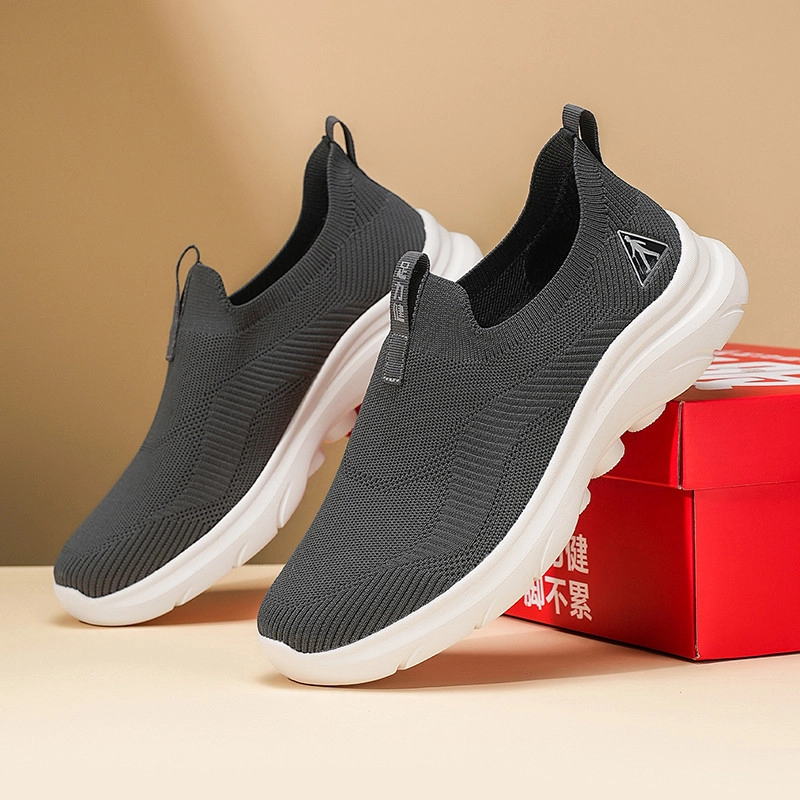
ZULIZ Unisex Lightweight Walking Shoes 26186068
Start Your ZULIZ Partnership Inquiry
Tell us about your market, business type, and cooperation interest. Our team will help you explore suitable senior footwear franchise, wholesale, or distributor opportunities.
Contact us

Ray.pang@zuliz.com

+86 155 1699 6565

5th Floor, Building 2, Courtyard 3, No. 521, Binhui North 1st Street, Tongzhou District, Beijing
Copyright © 2026 ZULIZ. All Rights Reserved. Designed by Gooeyun. Privacy Policy | Terms and Conditions | Sitemap
Facebook
YouTube
Instagram
Twitter