



Finding comfortable footwear can become more challenging when the feet change with age. Seniors with wider forefeet may experience pressure around the toes, sides of the feet, or instep when wearing standard-width shoes. However, simply choosing a larger size is not always the right solution, because extra length does not necessarily provide the width or shape the foot needs.
The right Senior Footwear for Wide Feet should provide enough room where the foot needs it while maintaining stability, support, and a secure fit. Width, toe-box shape, upper construction, closure design, and heel fit all contribute to overall comfort. This guide explains what to look for when choosing wide-fit senior footwear and how to evaluate whether a shoe is genuinely suitable for everyday use.
1. Why Do Seniors Often Need Wider Footwear?
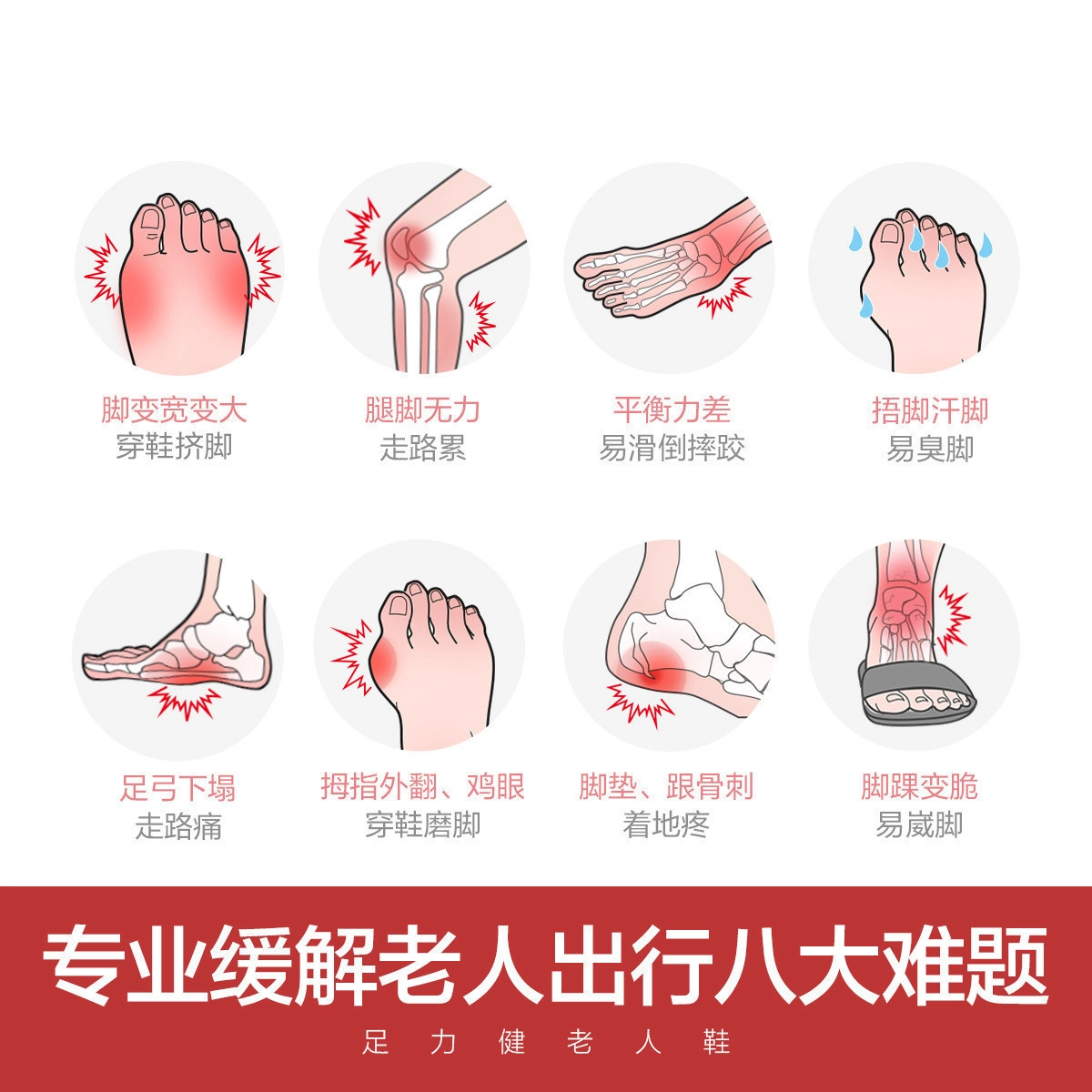
Foot shape can gradually change with age, and the forefoot may become wider as the arch and surrounding soft tissues change. Daily standing and walking can also cause temporary increases in foot volume, making footwear feel tighter later in the day. As a result, shoes that once felt comfortable may begin to create pressure around the toes or sides of the feet.
Narrow footwear can lead to rubbing, restricted toe movement, and general discomfort. However, buying a longer shoe is not necessarily an effective solution. A shoe that is too long may allow the foot to slide forward and reduce stability. When making senior footwear choices, the goal is to match the shoe's width and shape to the actual foot rather than simply increasing the size.
Common Signs That Footwear May Be Too Narrow
- Pressure along the sides of the forefoot
- Toes feel compressed or unable to move naturally
- Visible rubbing or pressure marks after wearing shoes
- Discomfort increases after prolonged walking or standing
- The shoe feels tight even though the length appears correct
2. What Width and Toe-Box Features Should You Look For?
When choosing Senior Footwear for Wide Feet, overall shoe width is important, but the shape of the forefoot matters just as much. A shoe may have adequate length while still being too narrow across the ball of the foot. Look for footwear that provides sufficient forefoot room without making the entire shoe excessively loose.
The toe box deserves particular attention. It should provide enough horizontal space for the toes to spread naturally and enough vertical room to avoid unnecessary pressure from the upper. Strongly tapered toe shapes can create discomfort even when the nominal shoe size appears correct. The best approach is to consider width, toe-box shape, and length together rather than relying on size alone.
| Feature | What to Look For | Why It Matters |
|---|---|---|
| Forefoot width | Enough room across the widest part of the foot | Helps reduce side pressure |
| Toe box | Roomy and naturally shaped | Allows natural toe movement |
| Toe-box height | Adequate vertical space | Reduces pressure from above |
| Overall length | Correct length without excessive space | Helps prevent unnecessary foot movement |
3. How Do Upper Materials and Closure Systems Affect Comfort?
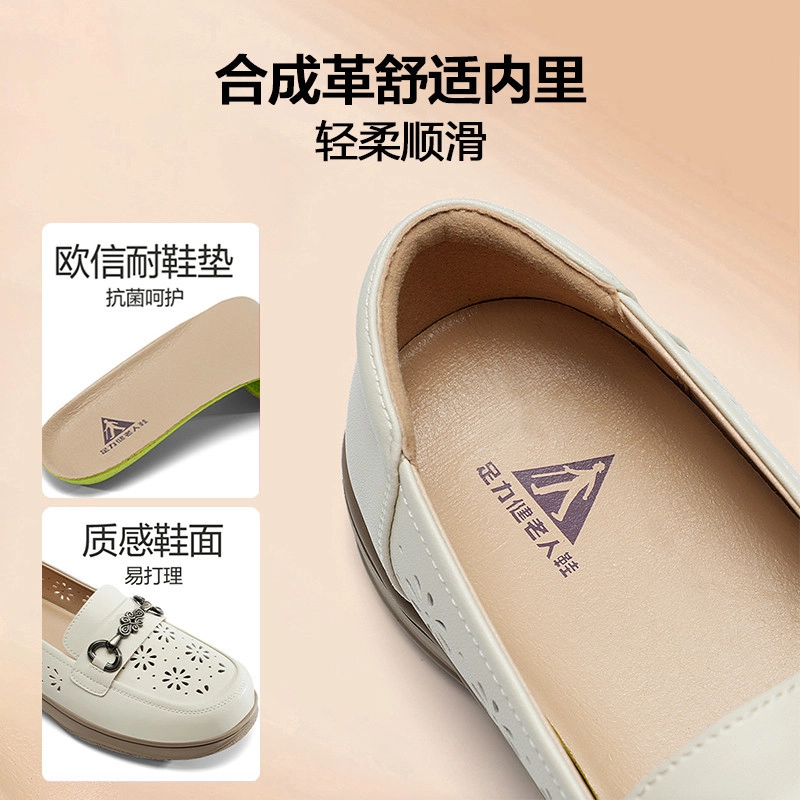
The upper construction can make a significant difference for wider or changing feet. Flexible materials can accommodate minor variations in foot shape and reduce pressure around the forefoot. Breathable materials may also improve comfort during extended wear, particularly for everyday footwear. By contrast, rigid seams, stiff overlays, or poorly positioned structural elements can create pressure points even when the shoe technically offers a wider fit.
Closure design is equally important. Adjustable systems such as hook-and-loop fasteners, suitable laces, and adjustable straps allow the wearer to control how securely the footwear fits. This flexibility can be useful when foot volume changes throughout the day. For wide-fit senior footwear, a flexible upper combined with an adjustable closure can provide a more adaptable fit than a rigid, fixed construction.
Key Construction Features to Consider
- Flexible upper: Allows the footwear to adapt more easily to the foot shape.
- Breathable construction: Helps improve comfort during extended daily wear.
- Adjustable closure: Allows the fit to be tightened or loosened when needed.
- Low-pressure seams: Helps reduce unnecessary rubbing and localized pressure.
4. How Should Senior Footwear for Wide Feet Fit?
A properly fitted shoe should feel comfortable both while standing and while walking. Start by checking the toe area. The toes should have enough room to move naturally without touching the front of the shoe or being compressed from the sides. The forefoot should feel comfortably supported rather than squeezed, while the midfoot should remain secure without excessive pressure.
The heel also needs attention. A shoe that is excessively loose throughout its entire construction may allow unnecessary movement and reduce walking stability. After checking the fit while standing, walk for several minutes and observe whether the foot slides forward, the heel lifts excessively, or any area begins to rub. This practical approach helps determine whether Senior Footwear for Wide Feet provides the right balance between space and security.
Simple Wide-Fit Check
- ✓ Toes can move naturally inside the toe box
- ✓ The forefoot is not squeezed from either side
- ✓ The shoe length is appropriate
- ✓ The heel remains reasonably secure while walking
- ✓ The foot does not slide excessively inside the shoe
- ✓ No obvious rubbing or pressure develops during movement
5. Choosing Wide-Fit Senior Footwear for Different Needs
Not every senior with wide feet has the same footwear requirements. Someone who experiences occasional foot swelling may need more adjustability, while someone with sensitive toes may benefit from a softer upper and a more spacious toe box. For everyday walking, width should be considered together with stability, traction, cushioning, and secure heel fit.
The intended activity also matters. For regular walking, footwear should combine comfortable forefoot space with a stable sole and appropriate traction. In warm weather, sandals can provide greater ventilation, but they should still offer secure support and sufficient adjustment. ZULIZ's walking shoes category can be considered when evaluating footwear for everyday walking needs.
| Main Need | Features to Prioritize |
|---|---|
| Wide forefoot | Adequate forefoot width and a roomy toe box |
| Changing foot volume | Adjustable closure and flexible upper |
| Sensitive toes | Soft upper and low-pressure toe construction |
| Everyday walking | Stability, traction, cushioning, and secure fit |
| Warm-weather use | Breathability, ventilation, and adjustable support |
Senior Footwear for Wide Feet: A Practical Buying Checklist
Before purchasing wide-fit senior footwear, evaluate several factors together rather than focusing on width alone. The right footwear should provide enough room across the forefoot while keeping the heel and midfoot sufficiently secure. Materials, closure systems, sole construction, and intended use should also match the wearer's daily needs.
8 Things to Check Before Buying
- Width: Is there enough space across the forefoot?
- Toe box: Can the toes move naturally?
- Length: Is the shoe long enough without being excessive?
- Upper: Does the material accommodate the foot comfortably?
- Closure: Can the fit be adjusted when necessary?
- Heel security: Does the heel stay reasonably stable?
- Sole: Does it provide suitable traction and stability?
- Walking comfort: Does the footwear remain comfortable during movement?
Choosing footwear for wide feet is only one part of finding the right option for an older adult. Factors such as stability, comfort, daily activities, and overall fit also need to be considered when choosing senior footwear based on individual needs.
Conclusion: Choosing Wide-Fit Senior Footwear With Confidence
Choosing the right footwear for wide feet is not simply a matter of buying a larger size. The most suitable option should provide appropriate forefoot width, a comfortable toe box, a flexible and breathable upper, an adjustable closure when needed, and a secure heel fit. These elements work together to create footwear that provides both room and stability.
For seniors, caregivers, retailers, and footwear buyers, the most useful approach is to evaluate the complete fit rather than relying on a single specification. By matching footwear construction with foot shape, daily activity, and individual comfort requirements, it becomes easier to select practical footwear that supports comfortable everyday movement.
Frequently Asked Questions About Senior Footwear for Wide Feet
Should seniors with wide feet buy a larger shoe size?
How much room should senior shoes have around the toes?
Are adjustable closures useful for seniors with wide feet?
What should I prioritize when buying footwear for wide feet?
Looking for Senior Footwear Solutions for Your Market?
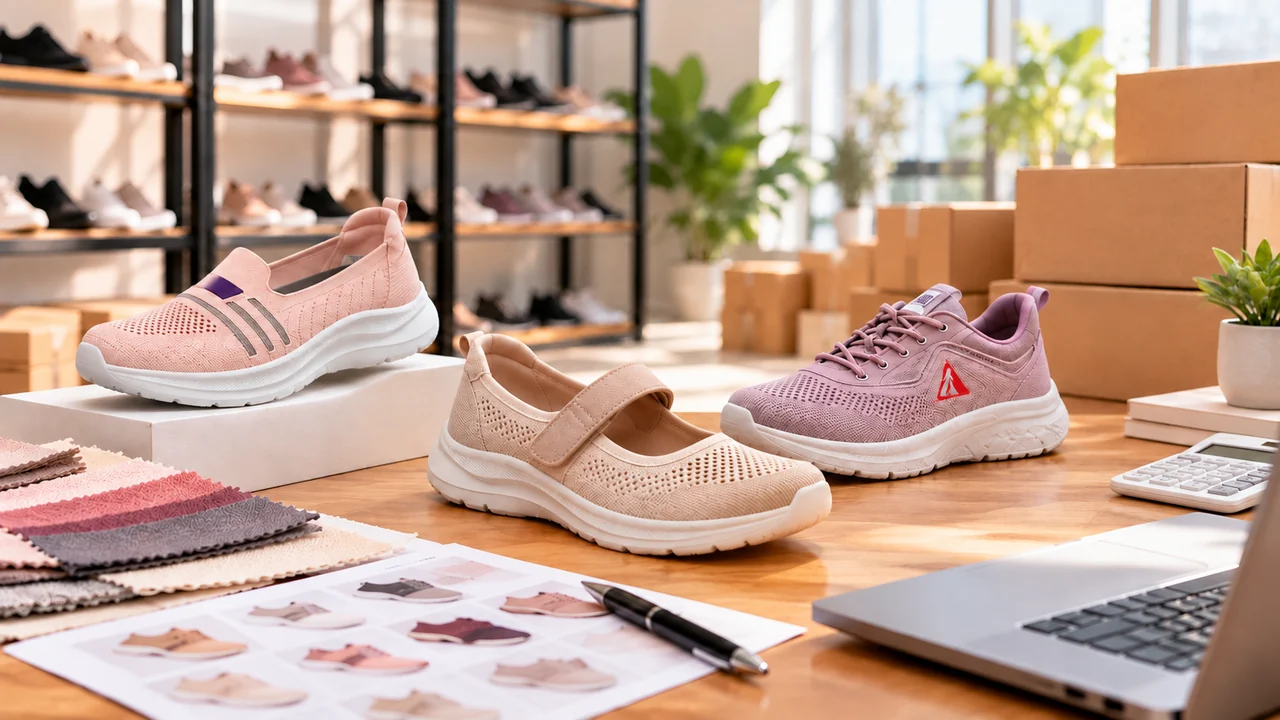
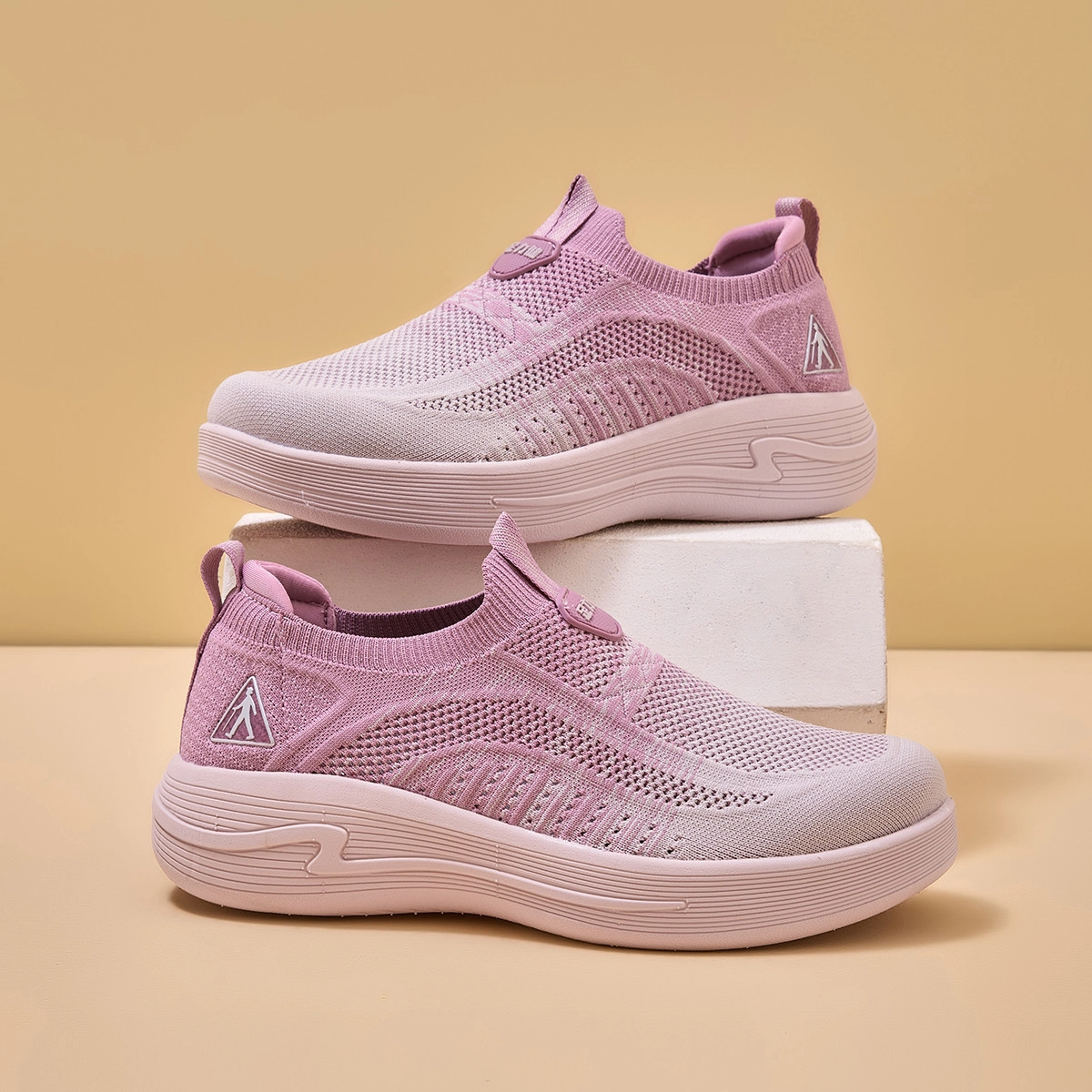
ZULIZ develops senior footwear designed around comfort, practical fit, everyday mobility, and the needs of different consumer markets. If you are looking for senior footwear products or discussing product requirements for your market, explore the available footwear solutions or contact the ZULIZ team.
Explore Senior Footwear Products Contact ZULIZ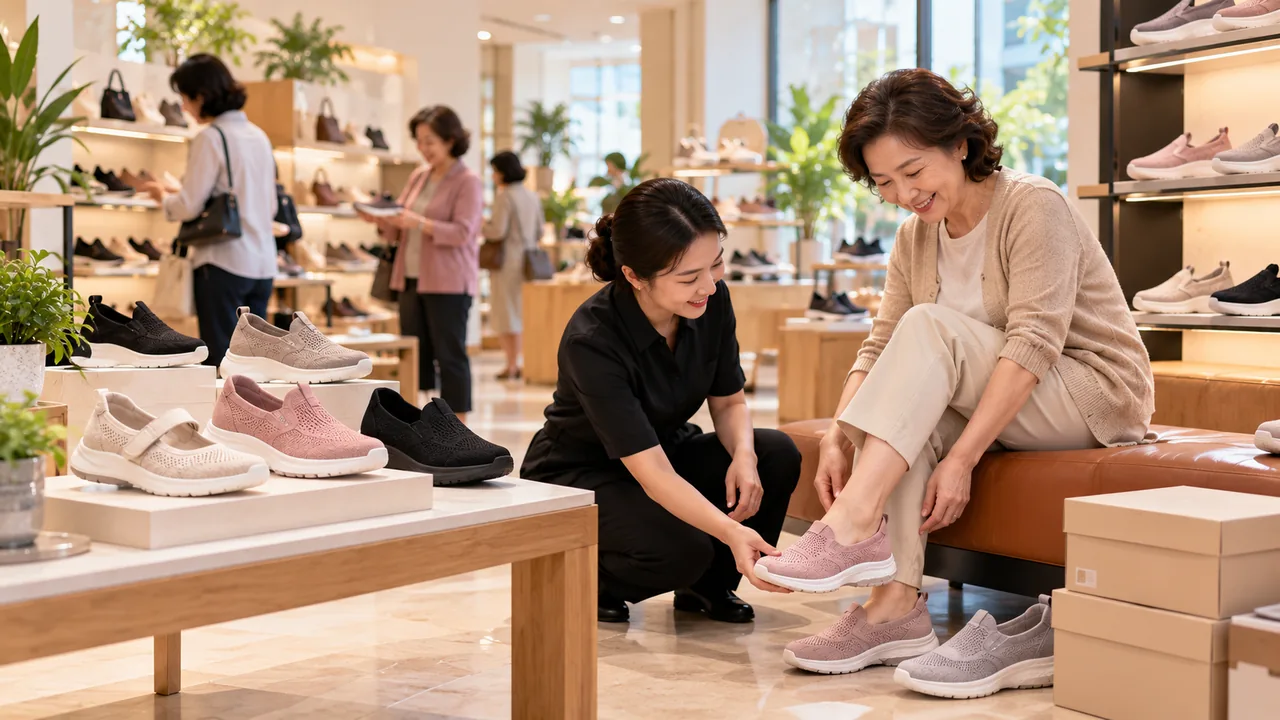



Facebook
YouTube
Instagram
Twitter