


Senior Footwear Brands: A Complete B2B Guide to Choosing the Right Brand for Wholesale & Distribution-ZULIZ
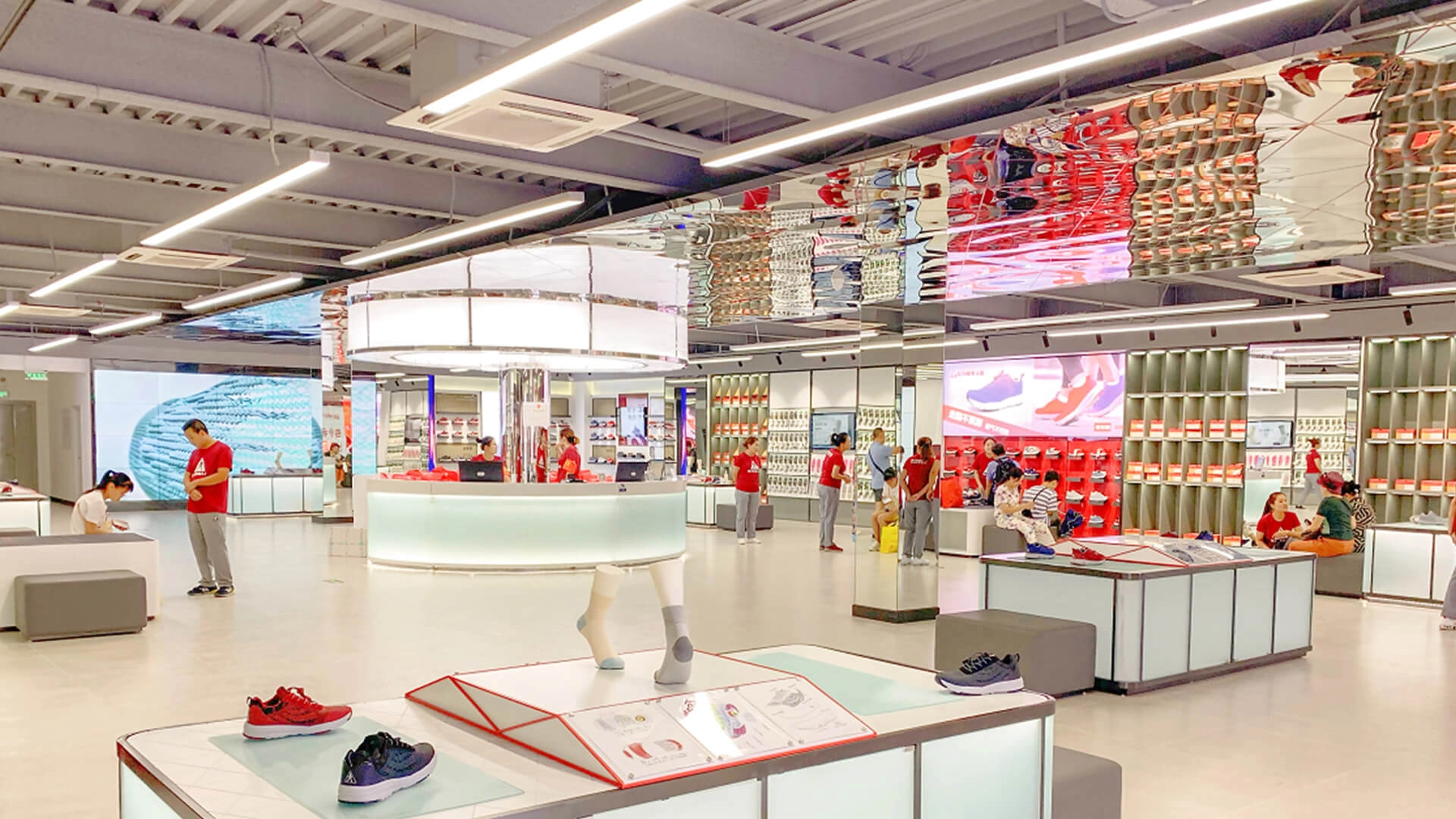
Senior Footwear buyers can compare brands on comfort, quality, pricing, product range, and supply reliability before choosing a wholesale partner. This guide explains how to assess a Senior Footwear Brand for distribution and long-term market fit.
- Quick Answer
- Key Takeaways
- 1. What Should B2B Buyers Expect from a Senior Footwear Brand?
- 2. How to Evaluate a Senior Footwear Brand for Wholesale and Distribution
- 3. How to Evaluate the Product Range of a Senior Footwear Brand
- 4. How to Assess a Senior Footwear Brand’s Market Positioning and Customer Fit
- 5. How to Evaluate Senior Footwear Brand Pricing, MOQ and Supply Capability
- 6. How to Compare Senior Footwear Brands for Wholesale and Distribution
- 7. What Brand Support Should B2B Buyers Consider Before Choosing a Senior Footwear Brand?
- 8. Established Senior Footwear Brand vs. Private Label: Which Option Fits B2B Buyers?
- 9. How to Choose a Senior Footwear Brand for Long-Term Wholesale and Distribution Growth
- Why Consider ZULIZ When Evaluating Senior Footwear Brands?
- Senior Footwear Brand Buying Checklist
- Conclusion
- FAQ
- Explore a Senior Footwear Brand for Wholesale & Distribution
Quick Answer
Choosing a senior footwear brand for wholesale and distribution requires more than comparing product prices or catalog size. B2B buyers should evaluate whether the brand has a clear senior footwear focus, commercially relevant products, sufficient assortment depth, suitable market positioning, workable wholesale terms, reliable supply capabilities, and the support needed to develop the category. The right senior footwear brand should fit the buyer’s customers, sales channels, purchasing model, and long-term business plans. For retailers, wholesalers, and distributors, the objective is to find a brand that can work as a complete commercial proposition rather than simply provide individual footwear products.
Key Takeaways
• Evaluate a senior footwear brand through product expertise, assortment, market fit, commercial terms, and support.
• A strong senior footwear product range should cover meaningful customer needs rather than simply offer many SKUs.
• Wholesale price, MOQ, replenishment, and supply capability should be evaluated together.
• Brand selection should ultimately connect customer fit, channel requirements, and long-term wholesale or distribution growth.
1. What Should B2B Buyers Expect from a Senior Footwear Brand?
For retailers, wholesalers, distributors, and other commercial buyers, choosing a senior footwear brand is different from choosing a single pair of shoes. The decision needs to work across multiple products, customer groups, inventory requirements, sales channels, and future purchasing cycles. A brand may have attractive individual products but still be difficult to build into a commercially useful category if its assortment is narrow, its positioning is unclear, or its supply model does not match the buyer’s business.
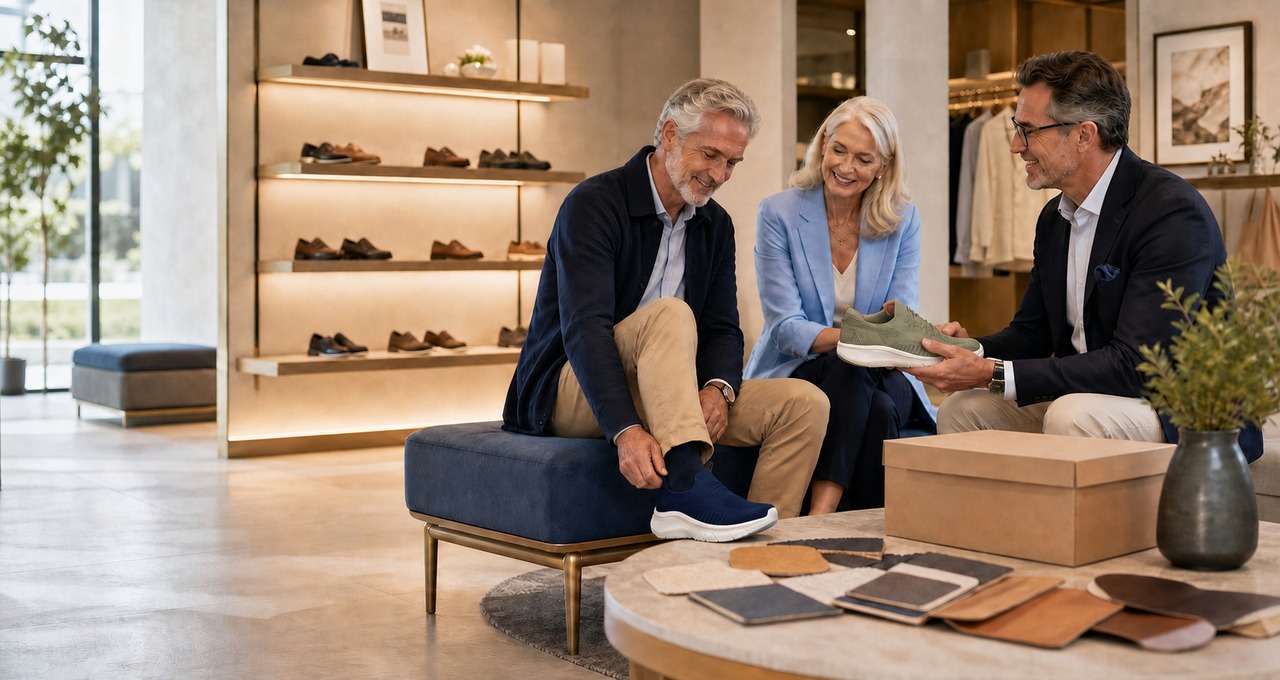
A B2B-ready senior footwear brand should therefore be evaluated through several connected areas: senior-focused product expertise, practical footwear features, assortment depth, brand positioning, market relevance, commercial terms, supply capability, and partner support. The purpose is not to find a brand that performs equally well for every business, but to determine whether the brand can support the specific wholesale or distribution model being developed.
A Practical Senior Footwear Brand Evaluation Lens
These factors should be evaluated as a connected system. A product range may be attractive but unsuitable for the target price level. A brand may have a strong market proposition but lack the assortment depth needed by a distributor. Likewise, competitive wholesale pricing may not create a workable business if replenishment is difficult. This is why brand selection should begin with the complete commercial proposition rather than a single purchasing variable.
2. How to Evaluate a Senior Footwear Brand for Wholesale and Distribution
A structured senior footwear brand evaluation can help B2B buyers move from a general impression to a more practical purchasing decision. Instead of asking whether a brand looks attractive, buyers can evaluate whether its products, positioning, assortment, commercial terms, and supply capabilities fit the business model.
For a first evaluation, buyers can examine the brand through several stages: understand the product proposition, check whether the assortment fills a market need, evaluate the commercial model, compare the brand with alternatives, and then validate the most relevant products through samples or an initial controlled order.
For buyers who need a more detailed verification process, the existing footwear brand evaluation checklist for wholesale catalogues provides a more detailed seven-point approach covering portfolio fit, product proof, commercial terms, inventory operations, and after-sales accountability.
Product
Check whether the products solve recognizable senior footwear needs.
Positioning
Determine whether the brand can be explained clearly to customers and sales channels.
Commercial
Check pricing, MOQ, order conditions, replenishment, and expected purchasing volume.
Market Fit
Compare the brand with the actual customers and channels the buyer can reach.
The evaluation should become more specific as the purchasing process moves forward. A brand can initially qualify for further investigation based on its product proposition, but the final commercial decision should be supported by product samples, purchasing conditions, supply information, and market evidence.
3. How to Evaluate the Product Range of a Senior Footwear Brand
A strong senior footwear product range should provide enough coverage to serve different customer needs without becoming an unmanageable collection of unrelated SKUs. For B2B buyers, assortment depth matters because retailers and distributors often need more than one product type to build a sustainable category.
When evaluating a senior footwear brand product range, look beyond the number of styles. Consider whether the assortment covers meaningful use cases such as everyday walking, travel, casual wear, seasonal footwear, and different fit requirements. Product categories should also make sense together so that customers can understand the brand’s overall proposition.
A deeper analysis of senior footwear product range and assortment depth can help buyers determine whether a brand has enough category coverage for their retail or distribution model.
For retailers and distributors, assortment depth should also be balanced against inventory complexity. A brand with fewer but more commercially relevant products may be easier to launch than a brand with hundreds of styles but little differentiation between them. The objective is to build a coherent range that can be purchased, presented, sold, and replenished effectively.
4. How to Assess a Senior Footwear Brand’s Market Positioning and Customer Fit
A senior footwear brand can have strong products and still be unsuitable for a particular market. Senior footwear brand positioning needs to match the customers, price levels, retail environment, and sales channels where the products will actually be sold.
For example, a specialist comfort footwear retailer may need a brand with a clear senior-focused proposition, while a general footwear retailer may need products that can sit naturally alongside broader comfort and lifestyle categories. A regional distributor may need a brand that can be presented consistently across multiple downstream accounts.
This is why senior footwear brand market positioning and customer fit should be evaluated before placing a large wholesale order. The key question is whether the brand’s customer proposition can be translated into a clear reason for retailers and end customers to choose the products.
Market Fit Questions for B2B Buyers
Market fit should be validated rather than assumed. Samples, customer feedback, initial sell-through, price acceptance, and product returns can provide useful evidence before a buyer expands the assortment.
5. How to Evaluate Senior Footwear Brand Pricing, MOQ and Supply Capability
Wholesale pricing is only one part of evaluating a senior footwear brand. B2B buyers should also consider senior footwear MOQ, assortment requirements, size ratios, lead times, replenishment, production capacity, shipping conditions, and the ability to maintain consistent products over repeated orders.
A low unit price may look attractive at the quotation stage but become less useful if the minimum order is too large for the market, if the buyer must purchase slow-moving styles together with core products, or if replenishment becomes difficult once successful products begin to sell through.
A more complete assessment of senior footwear brand pricing, MOQ, and supply capability should therefore connect commercial terms with the buyer’s expected order volume and sales model.
Wholesale Price
Compare unit pricing with expected retail positioning, logistics, and other purchasing costs.
MOQ
Check whether minimum quantities work with the size, style, and market-testing requirements.
Lead Time
Understand production and delivery timing before planning inventory and launches.
Replenishment
Determine how successful products and core sizes can be reordered as demand develops.
The commercial evaluation should ultimately answer one question: can the purchasing structure support the way the buyer expects to sell the products? A retailer testing a new category may need lower initial exposure and flexible assortment, while a distributor developing multiple downstream accounts may place greater emphasis on production capacity and long-term supply planning.
6. How to Compare Senior Footwear Brands for Wholesale and Distribution
Comparing several senior footwear brands requires consistent evaluation criteria. Looking at one brand through its marketing materials and another through its wholesale quotation can create an uneven comparison. Buyers should use the same basic questions for each candidate brand and then identify where the differences are commercially meaningful.
The comparison can include product specialization, assortment, product features, brand positioning, wholesale pricing, MOQ, supply capability, market support, and long-term cooperation requirements. The purpose is not simply to select the brand with the largest catalog or lowest quoted price, but to understand which commercial model best matches the buyer’s requirements.
For a multi-brand comparison, buyers can use a structured comparison of senior footwear brands for wholesale and distribution to keep product, commercial, and market factors in the same evaluation process.
A useful comparison should also leave room for evidence. Samples, actual quotations, product documentation, customer feedback, and initial sales data can be more informative than general brand claims. The comparison becomes stronger when each candidate is evaluated against the same commercial requirements.
7. What Brand Support Should B2B Buyers Consider Before Choosing a Senior Footwear Brand?
A B2B footwear brand relationship usually extends beyond product delivery. Retailers and distributors may need product information, training materials, marketing assets, display guidance, sales communication, replenishment coordination, and assistance with product questions. These resources can affect how efficiently a new senior footwear category is introduced and developed.
ZULIZ describes support for qualified partners that can include product selection, store planning, product and staff training, marketing materials, supply-chain coordination, and ongoing business communication. These capabilities are part of the wider commercial proposition rather than a substitute for product or market evaluation.
For B2B buyers, the important question is whether the support matches the actual channel. A retailer may need product presentation and staff training, while a regional distributor may need broader product planning, downstream communication, and supply coordination.
Support Areas Worth Clarifying
Support should therefore be evaluated according to the buyer’s operating model. It is more useful to ask what resources are actually available for the intended market and channel than to compare brands based only on the size of their support package.
8. Established Senior Footwear Brand vs. Private Label: Which Option Fits B2B Buyers?
Some businesses evaluating senior footwear brands are also deciding between working with an established brand and developing their own private-label range. These are different commercial models. An established senior footwear brand can provide an existing product proposition, while private label gives the buyer greater control over branding and product development.
Private label can be relevant for businesses that already have strong customer access, product-development resources, brand-building capabilities, and the willingness to manage a longer product-development process. An established brand may be more suitable for businesses that want to introduce a defined senior footwear category without taking full responsibility for creating the brand and product system from the beginning.
The distinction between these models has already been explored in the existing branded versus private-label senior footwear comparison, which can be used when a buyer needs to examine the business-model implications in greater depth.
The appropriate model depends on the buyer’s existing capabilities, sales channels, investment capacity, product strategy, and desired speed of market entry. The comparison should therefore be made as part of the overall commercial plan rather than as a simple preference between two product sourcing options.
9. How to Choose a Senior Footwear Brand for Long-Term Wholesale and Distribution Growth
The final stage of brand selection is determining whether the relationship can support growth after the first order. A senior footwear brand may work for a small pilot but become difficult to manage when the buyer expands into additional stores, wholesale accounts, online channels, or regional distribution.
Long-term suitability therefore depends on more than product quality. Buyers should consider assortment development, replenishment, production capacity, communication, market support, product updates, and the ability to maintain a consistent commercial proposition as the business grows.
A deeper assessment of senior footwear brand suitability for long-term retail and distribution growth can help buyers move from an initial product decision toward a broader category-development plan.
Test
Start with a focused assortment and validate actual customer demand.
Measure
Track sell-through, customer feedback, returns, price acceptance, and replenishment.
Expand
Increase product depth or channel coverage when the evidence supports expansion.
Scale
Develop broader wholesale or distribution coverage when supply and market resources are ready.
This staged approach reduces the risk of making a large inventory commitment before the product-market relationship is understood. It also gives both the buyer and the brand clearer information about which products, channels, and customer segments should receive additional investment.
Why Consider ZULIZ When Evaluating Senior Footwear Brands?
ZULIZ positions itself specifically around senior comfort footwear rather than treating senior products as a small extension of a general footwear portfolio. The company describes its product proposition around comfort, easy wearing, walking stability, senior-focused fit, and everyday mobility, together with manufacturing resources and retail experience.
For B2B buyers, this creates a defined brand proposition to evaluate against their own market. ZULIZ also describes experience across more than 3,600 retail hubs, a manufacturing base of more than 1,000 acres, 130+ production lines, and 13+ supporting factories. These are company-reported operating indicators and should be evaluated together with the buyer’s specific products, commercial terms, target market, and cooperation requirements.
The available ZULIZ senior footwear product range can be used to examine the actual product categories before moving into a market-specific wholesale or distribution discussion.
What B2B Buyers Can Evaluate
The purpose of this evaluation is not to assume that a single senior footwear brand will fit every market. Instead, buyers can use the same criteria described throughout this guide to determine whether ZULIZ’s product, brand, supply, and support proposition matches their own commercial requirements.
Senior Footwear Brand Buying Checklist
Before moving from brand research to a wholesale or distribution order, B2B buyers can use the following checklist to connect the main evaluation areas.
✓ Brand: Does the brand have a clear senior footwear proposition?
✓ Product: Do the products solve recognizable customer needs?
✓ Assortment: Is there enough range depth for the intended channel?
✓ Market: Does the positioning fit the target customer?
✓ Commercial: Are pricing, MOQ, lead time, and replenishment workable?
✓ Support: Can the brand support the intended retail or distribution model?
✓ Evidence: Can product and commercial claims be validated through samples and documentation?
✓ Growth: Can the relationship support repeat orders and broader market development?
Conclusion
For retailers, wholesalers, distributors, and other B2B buyers, choosing a senior footwear brand is ultimately a question of commercial fit. The evaluation should connect senior-focused product expertise, product range, brand positioning, customer fit, wholesale pricing, MOQ, supply capability, support, and long-term growth potential. A brand should not be selected simply because it has a large catalog, attractive products, or a competitive quotation. The more useful question is whether the brand can provide a coherent product and commercial proposition for the specific market and channel being developed. ZULIZ offers a senior-focused footwear portfolio together with product development, manufacturing resources, retail experience, and partner support capabilities that B2B buyers can evaluate against their own requirements. A controlled process of comparing, sampling, testing, and scaling can create a clearer path from initial brand selection to long-term wholesale or distribution development.
FAQ
What should B2B buyers look for in a senior footwear brand?
B2B buyers should evaluate senior footwear specialization, product features, assortment depth, brand positioning, customer fit, wholesale pricing, MOQ, supply capability, replenishment, and partner support. The importance of each factor depends on the buyer’s retail, wholesale, or distribution model.
How do I compare senior footwear brands for wholesale?
Use consistent criteria across each candidate brand, including product specialization, assortment, market positioning, wholesale pricing, MOQ, supply capability, replenishment, and support. Samples and commercial quotations can then be used to validate the initial comparison.
Why does assortment depth matter to senior footwear distributors?
A coherent assortment allows distributors to serve different retail accounts, customer needs, seasons, and usage scenarios. The objective is not to carry every available SKU, but to have enough relevant products to build a commercially useful category.
How can B2B buyers evaluate whether a senior footwear brand fits their market?
Compare the brand with the target customer, sales channel, price position, climate, product requirements, and existing competition. A controlled initial assortment can then provide actual evidence through customer feedback, sell-through, returns, and price acceptance.
What is the difference between an established senior footwear brand and private label?
An established brand provides an existing product and brand proposition, while private label gives the buyer greater control over brand identity and product development. Private label generally requires more responsibility for product development, supplier management, branding, marketing, and long-term brand building.
Can ZULIZ support senior footwear distributors and retailers?
ZULIZ describes cooperation opportunities for retailers, distributors, franchise partners, wholesalers, and online businesses. Depending on the partnership model and market, support can include product selection, training, marketing materials, retail presentation, supply-chain coordination, and ongoing business communication.
Explore a Senior Footwear Brand for Wholesale & Distribution
Whether you are evaluating a new senior footwear category, expanding an existing wholesale catalogue, or developing regional distribution, ZULIZ can discuss products, market requirements, and potential cooperation models with qualified B2B buyers.
Explore ZULIZ Senior Footwear Discuss Your Business RequirementsWhy US Retail Buyers Should Prioritize ZULIZ for Older-Adult Comfort Footwear
How to Choose the Right Mom Shoes for Retailers, Wholesalers, and Distributors-ZULIZ
Mom Shoes Wholesale: How to Build a Profitable Senior Women's Footwear Business with ZULIZ
Mom Shoes Market Opportunities: A Growth Guide for Footwear Retailers, Wholesalers, and Distributors
You May Also Like
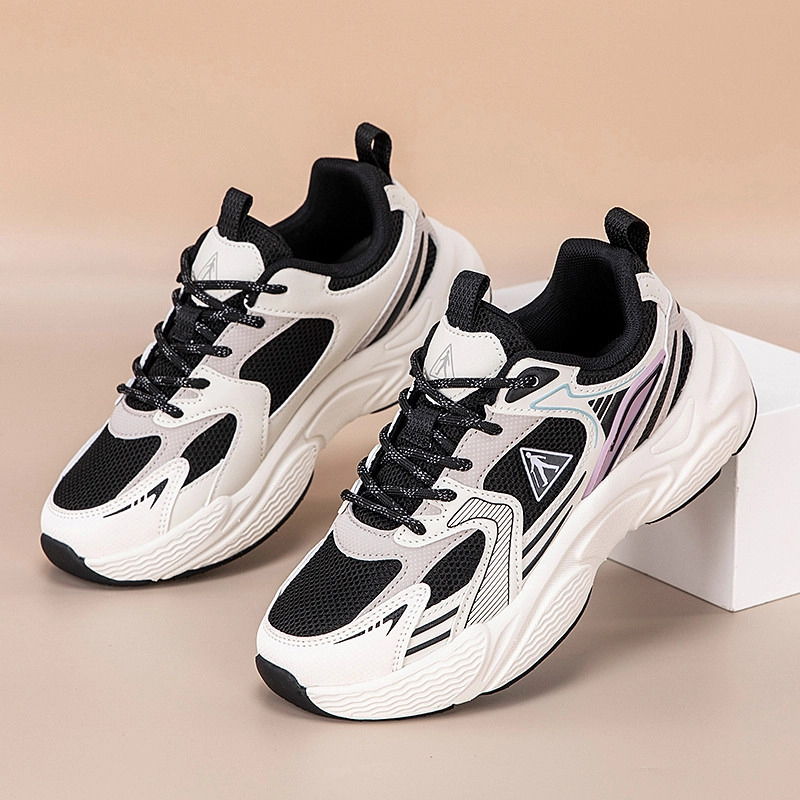
ZULIZ Women's Breathable Lightweight Walking Shoes KH-25389142
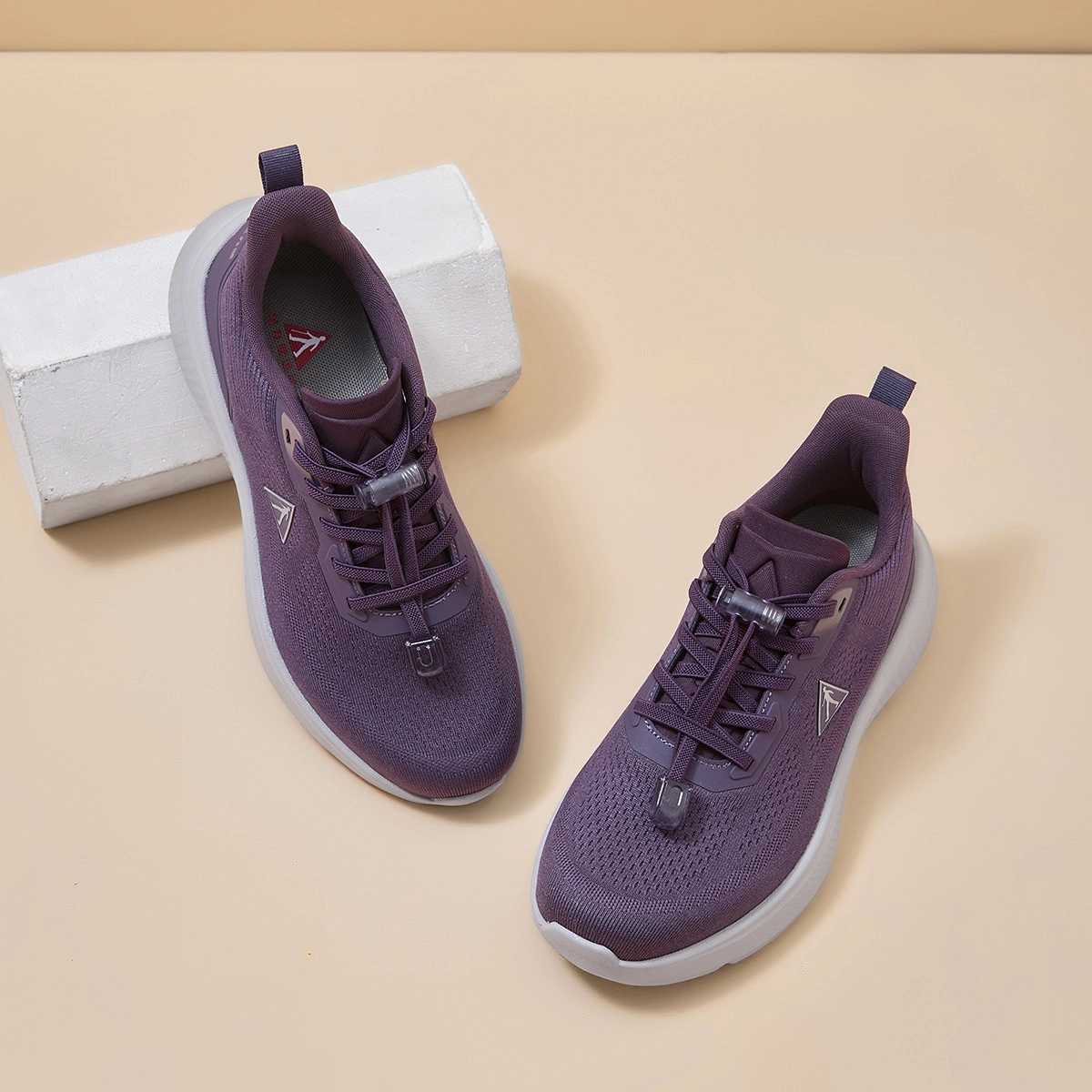
ZULIZ Women's Lightweight Walking Shoes JM-26289063
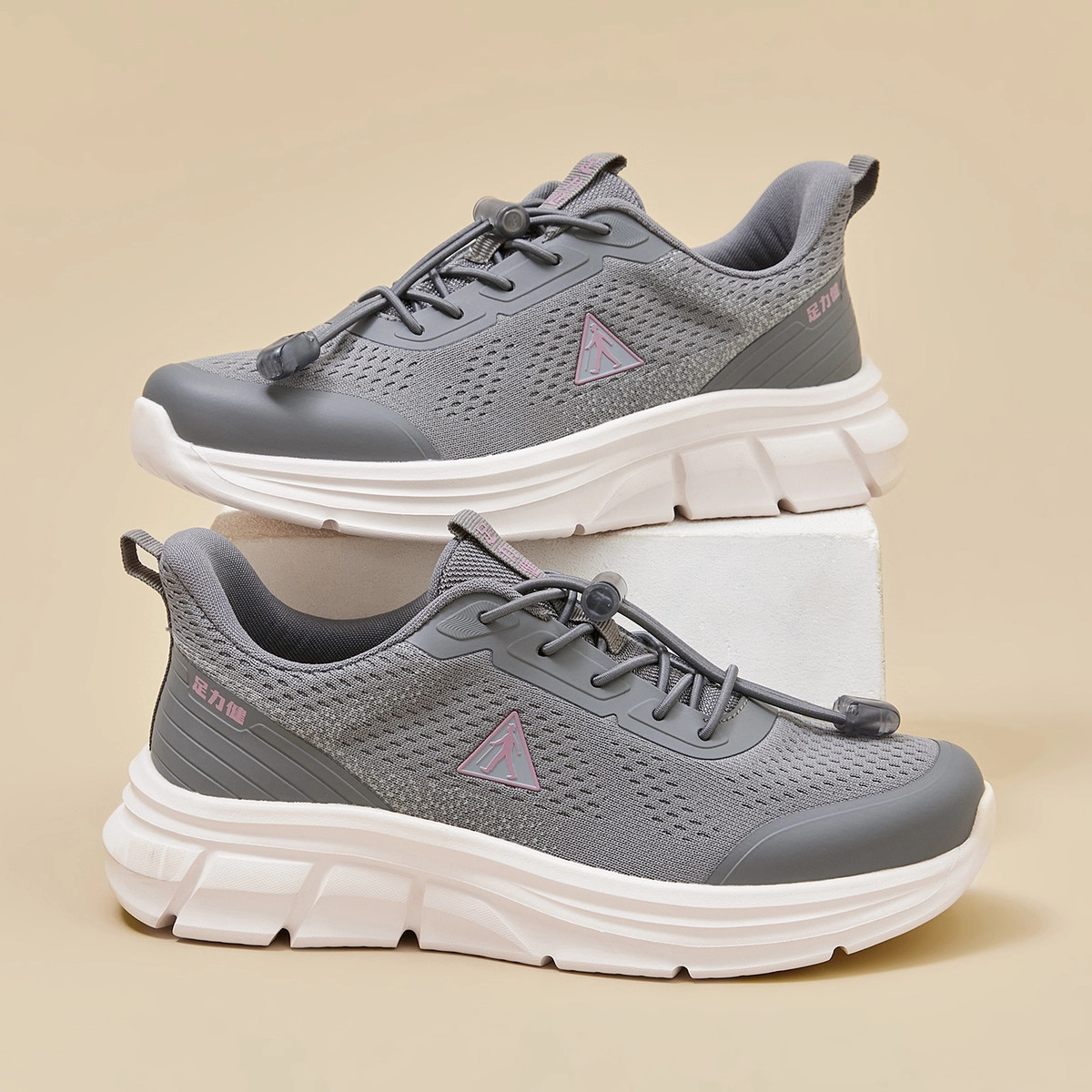
ZULIZ Women's Breathable Lightweight Walking Shoes JM-26289064
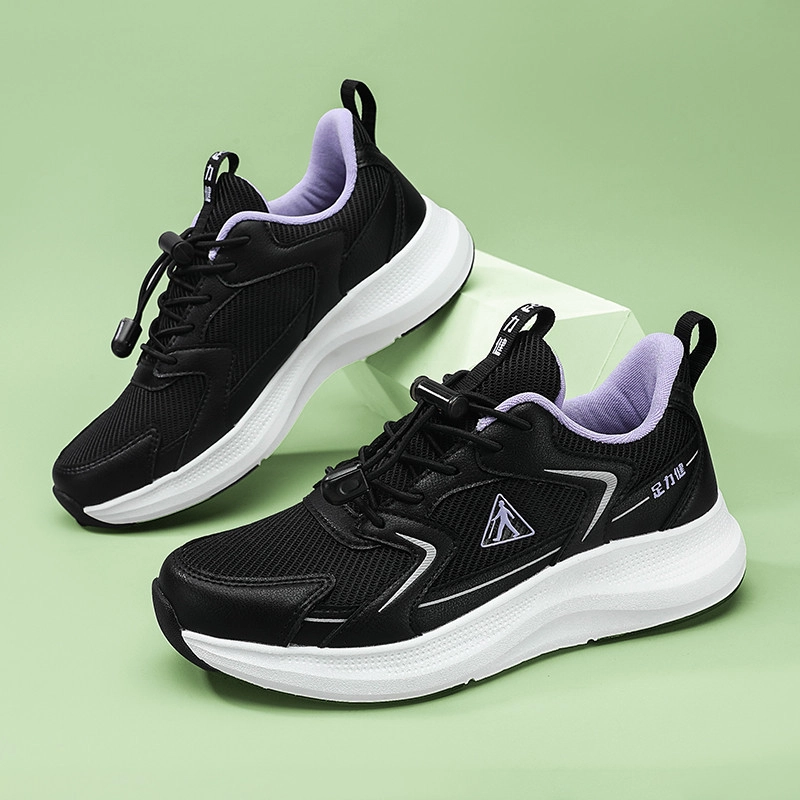
ZULIZ Women's Breathable Lightweight Walking Shoes KH-25189052
Start Your ZULIZ Partnership Inquiry
Tell us about your market, business type, and cooperation interest. Our team will help you explore suitable senior footwear franchise, wholesale, or distributor opportunities.
Contact us

Ray.pang@zuliz.com

+86 155 1699 6565

5th Floor, Building 2, Courtyard 3, No. 521, Binhui North 1st Street, Tongzhou District, Beijing
Copyright © 2026 ZULIZ. All Rights Reserved. Designed by Gooeyun. Privacy Policy | Terms and Conditions | Sitemap
Facebook
YouTube
Instagram
Twitter