


Comparing Senior Footwear Brands for Wholesale & Distribution: A B2B Buyer Guide-ZULIZ
- Quick Answer
- Key Takeaways
- 1. What Should B2B Buyers Compare When Evaluating Senior Footwear Brands?
- 2. How Do Senior Footwear Brands Differ in Product Positioning?
- 3. How Does Brand Positioning Differ Across Senior Footwear Brands?
- 4. How Do Senior Footwear Brands Compare in Retail Readiness?
- 5. How Can B2B Buyers Compare the Commercial Structure of Different Brands?
- 6. How Should Buyers Compare Senior Footwear Brand Supply Reliability?
- 7. How Can B2B Buyers Build a Side-by-Side Senior Footwear Brand Comparison?
- 8. From Senior Footwear Brand Comparison to a Wholesale or Distribution Decision
- Senior Footwear Brand Comparison Checklist
- Conclusion
- FAQ
- Compare Your Senior Footwear Business Requirements With ZULIZ
Quick Answer
Comparing several senior footwear brands for wholesale or distribution requires more than comparing product appearance or quoted prices. B2B buyers should use the same evaluation structure for each candidate and compare the differences that can affect commercial performance, including product specialization, brand positioning, assortment relevance, retail readiness, commercial structure, supply reliability, and partnership capabilities. The purpose is not to identify a universally best brand, but to understand how each candidate fits the purchasing model, sales channel, and category strategy being developed.
Key Takeaways
Compare every candidate brand against the same commercial criteria instead of relying on different information for each brand.
Look for commercially meaningful differences in positioning, assortment, retail readiness, and business structure.
Product samples, quotations, product information, and supplier communication can turn a preliminary comparison into a more evidence-based assessment.
The final comparison should show which brand differences matter most for the intended wholesale or distribution model.
1. What Should B2B Buyers Compare When Evaluating Senior Footwear Brands?
A useful senior footwear brand comparison starts by making the evaluation consistent. One candidate may provide detailed product information, another may emphasize its brand story, and a third may focus mainly on pricing. Comparing these brands directly without a common structure can make the result difficult to interpret because the information is not being assessed on the same basis.
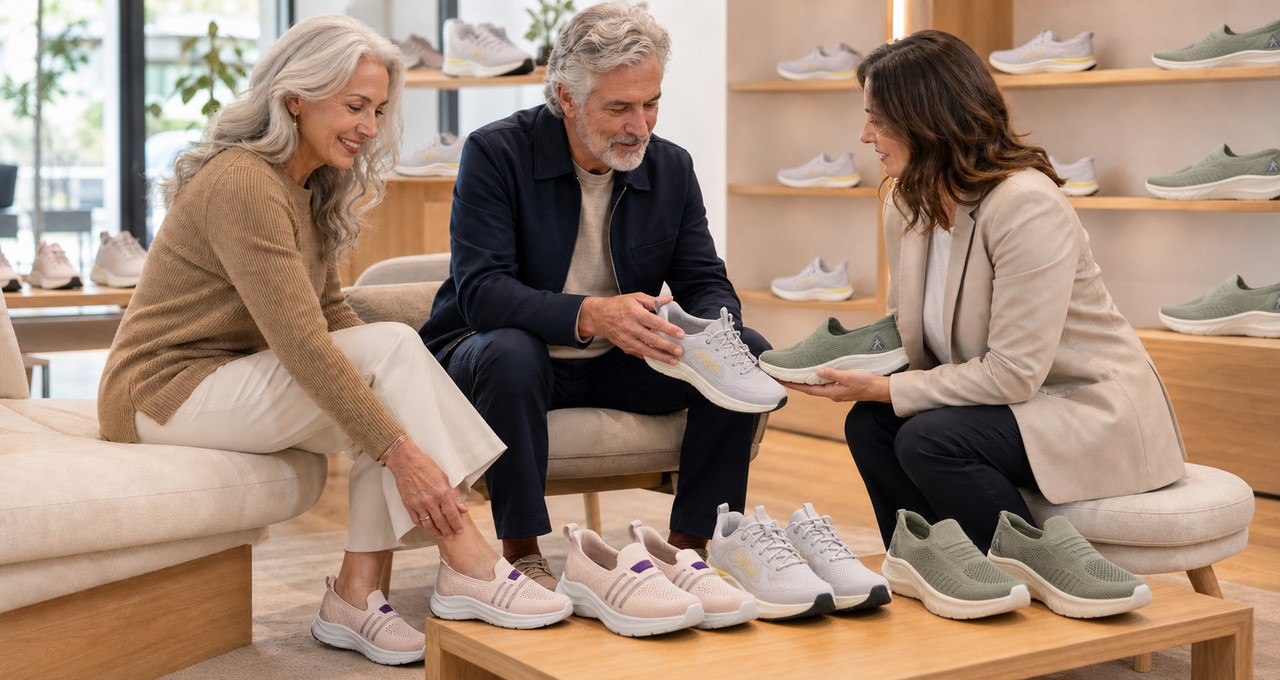
B2B buyers can instead define several comparison areas before collecting information. The objective is not to create a universal ranking, but to identify meaningful differences between brands and determine which differences deserve further verification.
A Practical Brand Comparison Structure
What does the brand specialize in?
How is the brand presented?
How does the purchasing model work?
What happens after the first order?
This comparison approach complements the broader B2B approach to senior footwear brand selection without turning this article into another general selection guide. The focus here is the difference between candidates rather than the complete process of choosing a brand.
2. How Do Senior Footwear Brands Differ in Product Positioning?
Two brands may both sell senior footwear while communicating very different product propositions. One may focus heavily on everyday comfort, another may emphasize walking functionality, while another may build its range around easy-wearing or specialized footwear. For B2B buyers, these differences matter because product positioning affects how the brand can be presented to retailers and end customers.
Instead of simply counting how many products each brand offers, compare what each brand is trying to represent within the senior footwear category.
3. How Does Brand Positioning Differ Across Senior Footwear Brands?
Brand positioning becomes especially relevant when a product needs to enter a wholesale catalogue or distributor portfolio. B2B buyers are not only purchasing individual shoes; they are also deciding how those products will be presented, explained, and organized within the sales channel.
A useful comparison should therefore look at whether each brand has a recognizable identity, a consistent product message, and a clear reason for customers to understand the category. This is different from measuring brand popularity or attempting to rank brands by recognition.
Clear Brand Story
Can retailers and distributors explain what makes the brand recognizable within senior footwear?
Coherent Presentation
Do the products, messaging, and presentation communicate a consistent category proposition?
B2B Usability
Can the brand proposition be presented effectively through the intended wholesale or distribution channel?
4. How Do Senior Footwear Brands Compare in Retail Readiness?
A brand can have suitable products but still require considerable work before those products can be presented efficiently through a retail or wholesale channel. Retail readiness refers to how prepared the brand and product information are for practical commercial use.
B2B buyers can compare the information and resources available around each candidate rather than assuming that a larger product catalog automatically means stronger commercial readiness.
Retail-Readiness Comparison
Are product features, usage information, sizing, and key selling points clearly documented?
Can products be presented consistently across catalogues, stores, or online channels?
Are useful materials available for communicating product value to customers?
Does the brand maintain a coherent presentation across its commercial materials?
This comparison is especially useful for buyers who need to move quickly from sourcing to actual product presentation. It focuses on the practical usability of the brand rather than evaluating its entire business capability.
5. How Can B2B Buyers Compare the Commercial Structure of Different Brands?
Once the product and brand proposition are understood, buyers need to compare whether each brand can work within the planned purchasing model. This includes the basic commercial structure surrounding wholesale orders, minimum quantities, assortment flexibility, replenishment, and other purchasing conditions.
The important point is to compare the same information across candidates. A low quoted unit price, for example, does not necessarily provide a meaningful advantage if the order structure, product mix, or replenishment conditions create a different purchasing requirement.
Buyers who need a deeper examination of individual commercial conditions should treat this comparison as a starting point rather than a substitute for detailed purchasing analysis. The purpose here is to identify meaningful differences between candidate brands.
6. How Should Buyers Compare Senior Footwear Brand Supply Reliability?
A brand comparison should also consider what happens after the first purchase. For wholesalers and distributors, a successful product may need to be reordered repeatedly. Differences in availability, production coordination, lead times, and communication can therefore become more important once a category starts generating repeat demand.
Buyers can compare supply reliability by looking for evidence rather than relying only on general claims about capacity. Questions should focus on the products being considered and the purchasing model being planned.
Core Products
Can important styles remain available when repeat demand develops?
Production
Can production and delivery requirements be coordinated as purchasing changes?
Communication
Are supply changes and order issues communicated clearly and in time?
Supply reliability should not be confused with the detailed process of evaluating a footwear manufacturer or supplier. Here, the objective is narrower: compare how different brands could support the continuity of a wholesale or distribution category.
7. How Can B2B Buyers Build a Side-by-Side Senior Footwear Brand Comparison?
Once the comparison criteria are defined, buyers can place candidate brands into one worksheet. The purpose is to make differences visible rather than allowing the decision to depend on whichever brand provides the most persuasive sales presentation.
A simple comparison sheet can use qualitative notes instead of forcing every factor into a numerical score. This is useful when some information is still subject to sample evaluation, quotation confirmation, or further discussion.
Keep the Comparison Evidence-Based
✓ Use the same questions for every candidate. ✓ Separate confirmed information from assumptions. ✓ Validate important differences with samples or quotations. ✓ Give greater attention to factors relevant to the sales model.
8. From Senior Footwear Brand Comparison to a Wholesale or Distribution Decision
A brand comparison becomes useful when it leads to a focused next step. After identifying the meaningful differences between candidates, buyers can determine which points require additional evidence before placing an order or developing a broader distribution relationship.
The next step does not have to be a large purchase. Samples, product documentation, commercial clarification, and a controlled initial order can help convert a preliminary comparison into information based on actual products and operating conditions.
Identify relevant candidates.
Use consistent criteria.
Check products and conditions.
Use a controlled initial order.
Expand based on evidence.
This staged process keeps brand comparison connected to real purchasing decisions. If long-term cooperation becomes the next priority, buyers can then consider the broader requirements of a long-term senior footwear brand partnership rather than trying to answer every partnership question during the initial comparison stage.
When a Brand Comparison Needs Deeper Verification
A side-by-side comparison is useful for narrowing differences between brands, but some decisions require a more detailed check of one specific candidate. This can include product proof, commercial conditions, inventory considerations, and other pre-purchase questions.
When that deeper verification is needed, a seven-point brand evaluation checklist for wholesale catalogues can be used after the initial brand comparison to examine a shortlisted candidate in greater detail.
Where ZULIZ Fits Into a Senior Footwear Brand Comparison
ZULIZ presents a senior-focused footwear proposition for B2B buyers evaluating products for wholesale, retail, and distribution channels. The relevant comparison should therefore focus on the actual requirements of the buyer's business, including product proposition, assortment needs, commercial conditions, supply expectations, and the intended sales model.
Buyers can examine the current ZULIZ senior footwear collections when comparing product categories and considering which types of senior footwear may fit the planned assortment.
A defined focus on senior footwear and related customer needs.
Product development and assortment resources relevant to the category.
Product and cooperation options for commercial footwear buyers.
Senior Footwear Brand Comparison Checklist
Before moving from a brand shortlist to product validation, B2B buyers can use the following checklist to make sure the comparison covers the major commercial differences without relying on a single factor.
Is the senior footwear proposition clear?
Can the brand be presented clearly?
Are useful product resources available?
Can the purchasing structure work commercially?
Can successful products be replenished?
Can important claims be validated?
Does the brand work with the intended sales model?
What needs to be verified before ordering?
Conclusion
Comparing senior footwear brands for wholesale and distribution is most useful when the comparison is structured around consistent commercial criteria. B2B buyers can examine product positioning, brand presentation, retail readiness, purchasing structure, supply reliability, and partnership considerations without reducing the decision to a single factor such as catalog size or quoted price. A side-by-side comparison can then identify which differences deserve further validation through samples, quotations, product information, or a controlled initial order. This creates a clearer transition from brand research to practical purchasing decisions while keeping the evaluation focused on the actual requirements of the wholesale or distribution business.
FAQ
What should B2B buyers compare between senior footwear brands?
Buyers can compare product positioning, brand presentation, retail readiness, commercial structure, supply reliability, and partnership capabilities using the same criteria for each candidate.
Should wholesale buyers compare senior footwear brands by price alone?
No. Wholesale price is only one part of the comparison. MOQ, assortment flexibility, replenishment, product positioning, supply reliability, and the intended sales channel can also affect the commercial value of a brand.
How can buyers make a senior footwear brand comparison more objective?
Use the same comparison questions for every candidate, separate confirmed information from assumptions, and validate important differences through samples, quotations, product documentation, and supplier communication.
When should B2B buyers move from comparison to product testing?
Once several candidates meet the basic product and commercial requirements, buyers can use samples or a controlled initial order to validate the differences that matter most before expanding purchasing.
Is brand comparison different from evaluating one senior footwear brand?
Yes. Brand comparison focuses on identifying meaningful differences between multiple candidates, while a detailed brand evaluation examines one shortlisted brand more deeply before a purchasing decision.
Compare Your Senior Footwear Business Requirements With ZULIZ
If you are comparing senior footwear brands for wholesale, retail, or distribution, ZULIZ can discuss product requirements, purchasing needs, market considerations, and potential B2B cooperation.
Discuss Business RequirementsWhy US Retail Buyers Should Prioritize ZULIZ for Older-Adult Comfort Footwear
How to Choose the Right Mom Shoes for Retailers, Wholesalers, and Distributors-ZULIZ
Mom Shoes Wholesale: How to Build a Profitable Senior Women's Footwear Business with ZULIZ
Mom Shoes Market Opportunities: A Growth Guide for Footwear Retailers, Wholesalers, and Distributors
You May Also Like
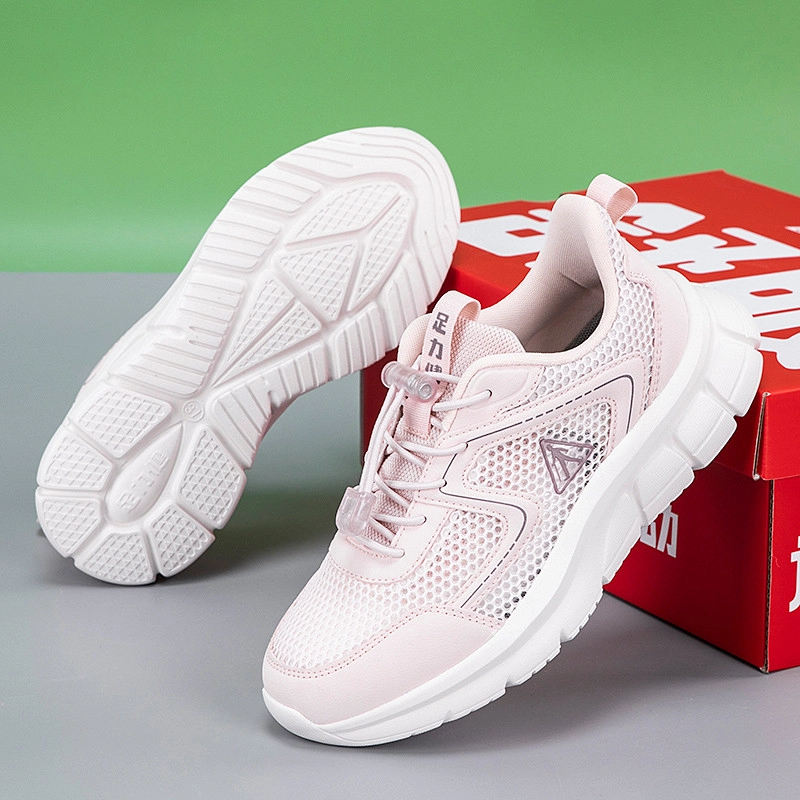
ZULIZ Unisex Breathable Lightweight Walking Shoes KH-25189015
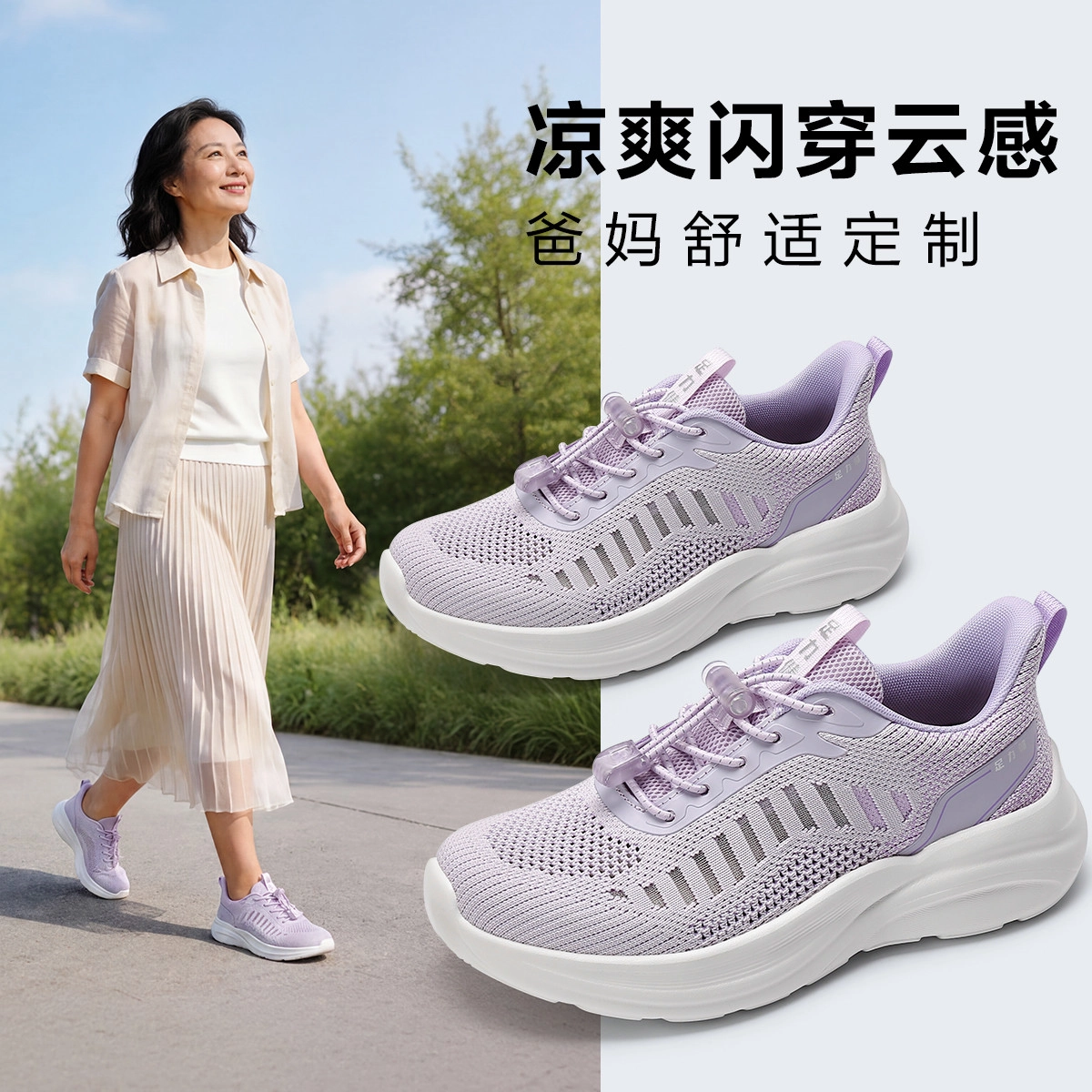
ZULIZ Unisex Breathable Lightweight Walking Shoes 26213032
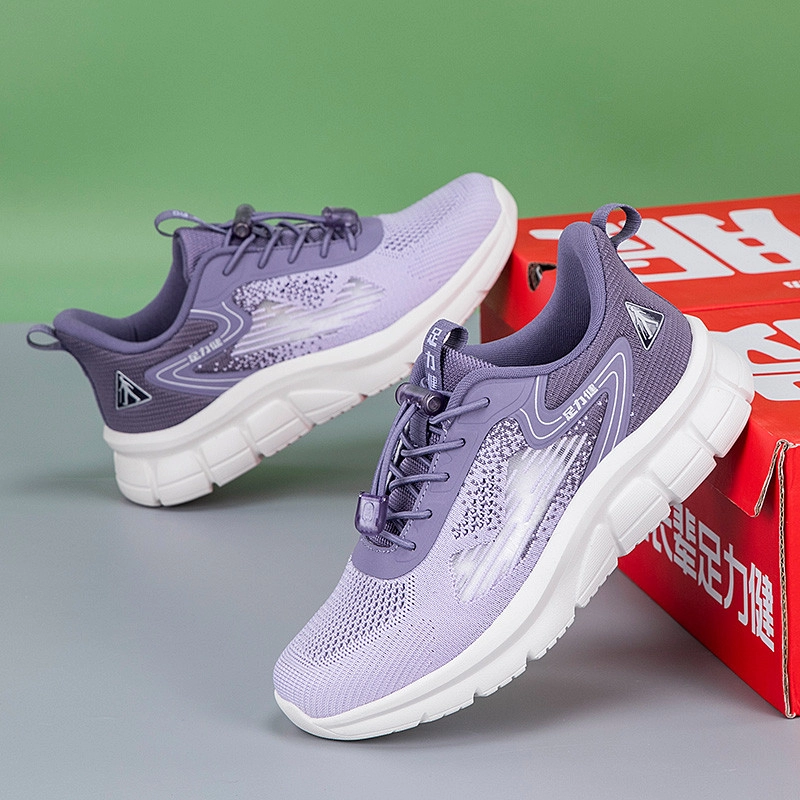
ZULIZ Women's Breathable Lightweight Walking Shoes KH-25289134
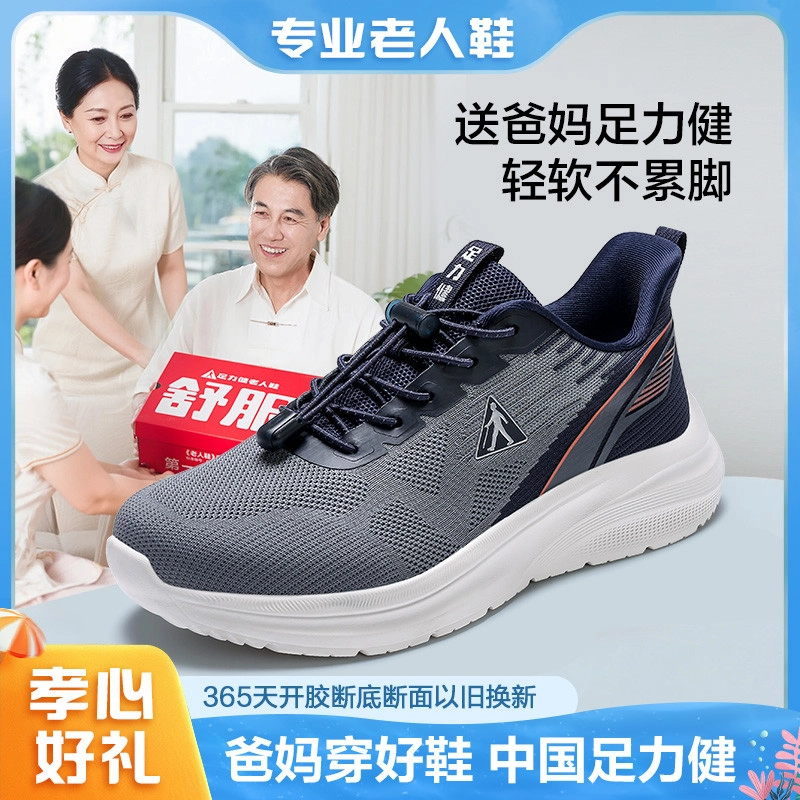
ZULIZ Unisex Breathable Easy-On Walking Shoes 26113007
Start Your ZULIZ Partnership Inquiry
Tell us about your market, business type, and cooperation interest. Our team will help you explore suitable senior footwear franchise, wholesale, or distributor opportunities.
Contact us

Ray.pang@zuliz.com

+86 155 1699 6565

5th Floor, Building 2, Courtyard 3, No. 521, Binhui North 1st Street, Tongzhou District, Beijing
Copyright © 2026 ZULIZ. All Rights Reserved. Designed by Gooeyun. Privacy Policy | Terms and Conditions | Sitemap
Facebook
YouTube
Instagram
Twitter