


How to Evaluate Senior Footwear Brand Fit for Different Markets and Customer Segments-ZULIZ
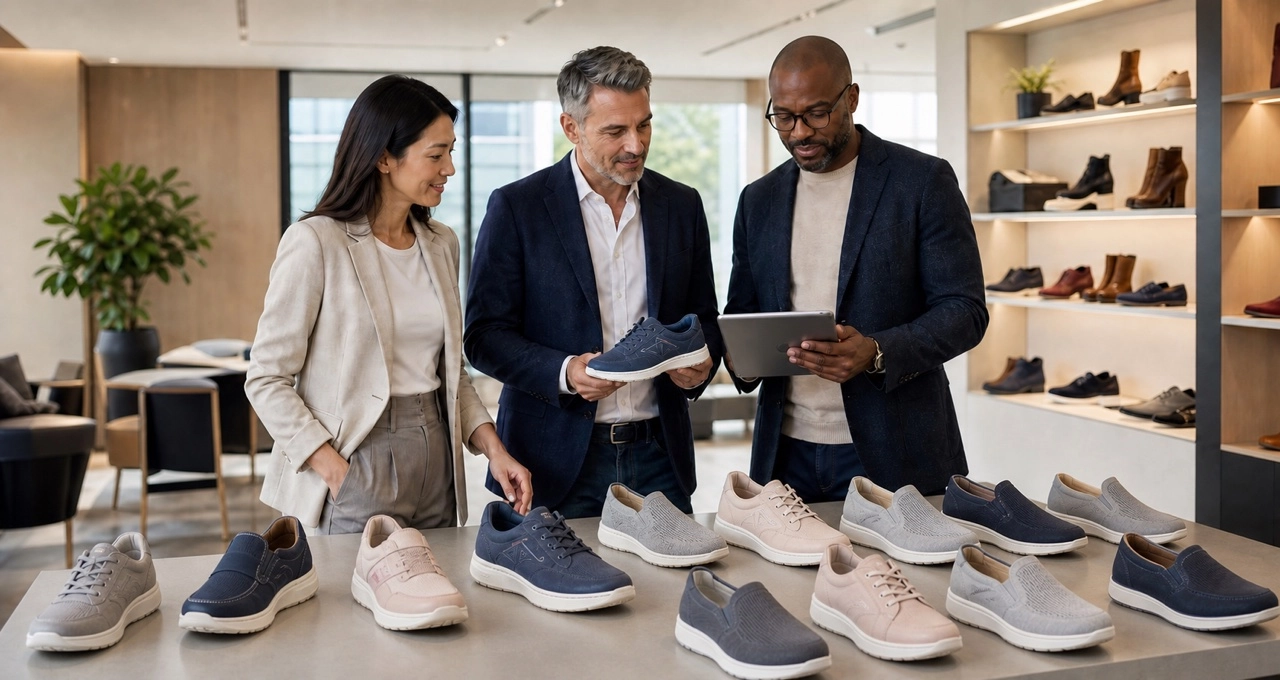
Senior footwear brands succeed when they match market demands and customer needs. Learn how to assess fit across different demographics, regional preferences, and purchasing behaviors to position ZULIZ effectively and capture market share in this growing segment.
- Quick Answer
- Key Takeaways
- 1. What Does Senior Footwear Brand Fit Mean?
- 2. Start With the Target Customer: Which Senior Footwear Buyers Are You Serving?
- 3. Match the Brand’s Product Proposition With Local Customer Needs
- 4. Does the Brand Fit the Way Customers Shop for Senior Footwear?
- 5. Check Whether the Brand Positioning Fits Local Price Expectations
- 6. How Can Senior Footwear Brands Fit Different Geographic Markets?
- 7. A Practical Senior Footwear Brand Fit Check Before Ordering
- 8. Validate Brand Fit Before Scaling Wholesale or Distribution
- Why Consider ZULIZ When Evaluating Senior Footwear Brand Fit?
- Senior Footwear Brand Fit Checklist
- Conclusion
- FAQ
- Explore Senior Footwear for Your Market
Quick Answer
Evaluating a senior footwear brand for different markets requires more than checking whether the products are designed for older adults. B2B buyers should determine whether the brand’s product proposition, customer focus, price positioning, sales channels, and market presentation match the conditions of the market they serve. A senior footwear brand that works well in one market may need a different product emphasis or sales approach in another. Retailers, wholesalers, and distributors should therefore assess senior footwear brand fit against actual customer needs, local purchasing behavior, climate, channel structure, and competitive positioning before making a larger wholesale or distribution commitment.
Key Takeaways
Customer Fit
Start with the customers the business can actually reach and the footwear needs they are most likely to value.
Market Needs
Climate, lifestyle, comfort expectations, and purchasing behavior can change the relevance of a senior footwear proposition.
Channel Fit
A brand should fit the way customers discover, compare, and purchase senior footwear in the target market.
Market Validation
Samples, customer feedback, sell-through, returns, and price acceptance can help validate market fit before scaling.
1. What Does Senior Footwear Brand Fit Mean?
For B2B footwear buyers, senior footwear brand fit describes how well a brand’s product proposition matches the customers, market conditions, sales channels, and commercial positioning of a particular business. It is different from simply deciding whether a brand produces comfortable footwear or has a large product catalogue.
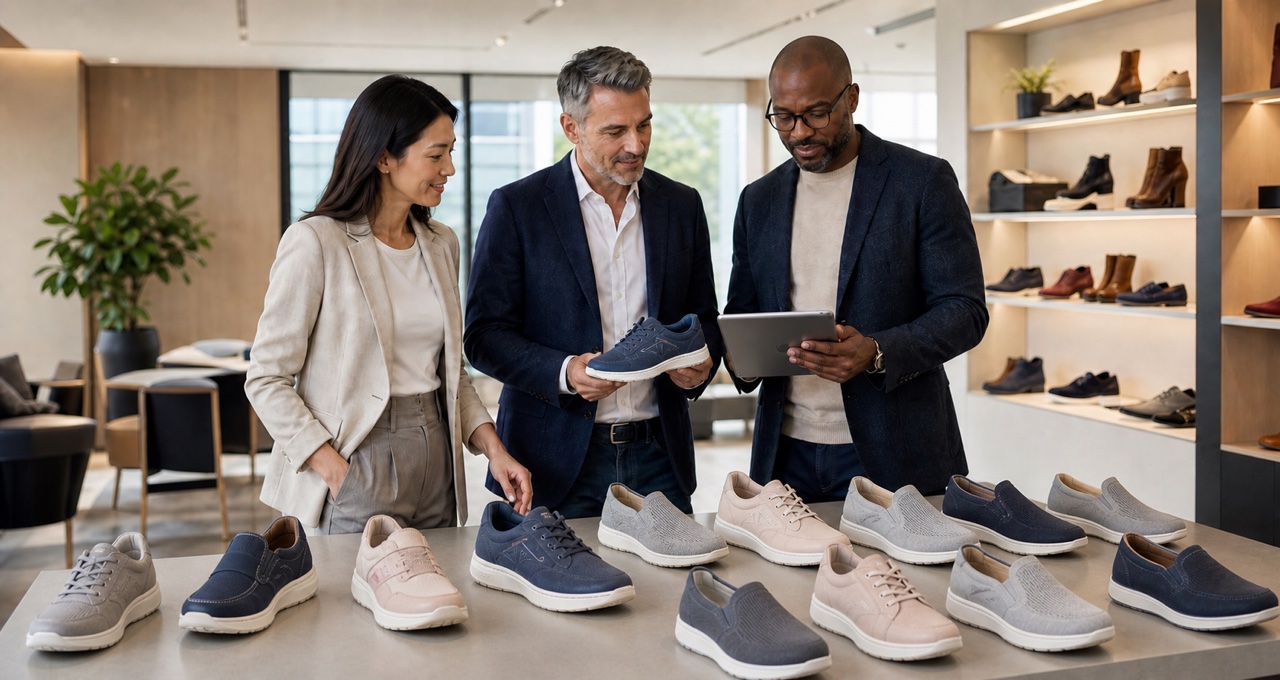
A brand may have a strong senior footwear proposition but still be difficult to introduce in a market where customers have different expectations around price, climate, style, fit, or purchasing channels. Likewise, a brand with a relatively focused assortment may work well when its core products directly address the needs of the customers a retailer or distributor can reach.
Brand Fit Is About the Connection Between
The broader process of selecting a brand should still consider product capability, commercial terms, supply, and partnership requirements. However, choosing a senior footwear brand for wholesale and distribution becomes more practical when buyers first understand how the brand fits the specific market they intend to serve.
2. Start With the Target Customer: Which Senior Footwear Buyers Are You Serving?
The first step in assessing senior footwear customer segments is to identify who the products are actually intended to serve. “Older adults” is a broad category, and different customers can have very different expectations regarding comfort, fit, appearance, ease of use, and daily activities.
For example, a retailer may primarily serve customers looking for everyday walking comfort, while another business may attract customers who prioritize easy-to-wear closures, wider fits, lightweight footwear, or casual styles. The relevant question is not whether the brand serves seniors in general, but whether its proposition addresses the needs of the particular customer group the buyer can reach.
Everyday Comfort
Customers may prioritize comfortable footwear for daily walking, shopping, travel, or regular activities.
Easy Wearing
Some customer groups may place greater value on simple closures and easy-to-wear footwear.
Walking Needs
Active customers may look for footwear that supports regular walking and everyday mobility.
Fit Requirements
Customers with different foot shapes or fit preferences may require more specific product solutions.
This customer-first approach prevents buyers from selecting a brand simply because it describes itself as a senior footwear specialist. The important question is whether the brand’s proposition corresponds to the customers who will actually encounter the products.
3. Match the Brand’s Product Proposition With Local Customer Needs
Once the target customer is clear, buyers can examine whether the brand’s senior footwear product proposition addresses those customers’ most important needs. This is different from evaluating the number of styles, colours, or SKUs in the catalogue. The focus here is on the relevance of the product value proposition.
For example, a brand positioned around comfort, easy wearing, walking stability, and practical everyday use may fit a market where these benefits are central to purchasing decisions. Another brand may emphasize fashion, lifestyle, or a different type of footwear experience. Neither proposition is automatically suitable for every market; the buyer needs to determine which one matches actual customer priorities.
The goal is not to assume that one product proposition will satisfy every customer group. Instead, buyers should identify the needs that drive purchasing decisions in the intended market and then determine whether the brand communicates relevant solutions clearly.
4. Does the Brand Fit the Way Customers Shop for Senior Footwear?
A senior footwear brand also needs to fit the sales channel through which customers discover and purchase products. A brand proposition that works well in a specialist comfort footwear store may need to be presented differently in a general footwear retailer, online shop, or distributor-led network.
For B2B buyers, this means considering how much explanation customers typically need before purchasing. In a physical store, staff may be able to explain fit, comfort, closure systems, and intended use directly. In an online channel, product descriptions, images, sizing information, and clear benefit communication become more important.
Channel Fit Questions
Channel fit is especially important for distributors because the same brand may eventually appear across several downstream retail accounts. The brand needs to remain understandable and commercially relevant as it moves through different selling environments.
5. Check Whether the Brand Positioning Fits Local Price Expectations
Price fit is not simply a matter of comparing wholesale quotations. For a senior footwear brand, buyers also need to consider how customers perceive the value of the product and whether that perception supports the intended retail positioning.
For example, customers in one market may be highly responsive to practical value and everyday affordability, while another market may place greater emphasis on perceived quality, durability, comfort technology, or brand presentation. These differences can influence which senior footwear brands are easier to position in the market.
Value
What benefits do customers associate with the price they pay?
Position
Where can the brand sit within the local footwear market?
Perception
Can retailers explain why the product is worth its intended retail price?
This is a market-positioning question rather than a detailed wholesale-cost analysis. MOQ, lead time, replenishment, and other purchasing conditions should be assessed separately when the buyer moves into commercial evaluation.
6. How Can Senior Footwear Brands Fit Different Geographic Markets?
Different senior footwear markets can have different customer expectations because of climate, lifestyle, purchasing power, retail structures, and established footwear habits. The purpose of market analysis is not to assume that every customer in a country wants the same products, but to identify meaningful differences that may affect brand fit.
Consider these examples as market-fit questions rather than fixed rules:
These examples should be validated against actual customer and channel data. A buyer entering a new market should avoid assuming that broad geographic characteristics automatically define customer preferences. Local competitors, retail feedback, product testing, and actual purchasing behavior provide stronger evidence of market fit.
7. A Practical Senior Footwear Brand Fit Check Before Ordering
Before committing to a large wholesale order, B2B buyers can turn the market-fit analysis into a focused set of questions. This does not replace a full supplier or brand due-diligence process; it helps determine whether the brand deserves further commercial evaluation.
Customer
Who is most likely to buy the products, and what footwear problems are they trying to solve?
Need
Does the brand’s product proposition address the needs that actually influence purchase decisions?
Channel
Can the brand be presented effectively through the retail or distribution channels available?
Position
Can the brand occupy a clear and commercially understandable position in the market?
For a broader verification process, buyers can also use the existing seven-point footwear brand evaluation checklist to examine areas beyond market fit, including product proof, commercial conditions, inventory operations, and accountability.
8. Validate Brand Fit Before Scaling Wholesale or Distribution
Market fit should be tested rather than assumed. Even when a senior footwear brand appears to match the target customer and market on paper, the buyer still needs evidence that customers understand the proposition and are willing to purchase the products at the intended price.
A controlled initial assortment can provide useful information without immediately committing to a broad range. Buyers can monitor which products attract attention, which sizes and styles sell, how customers respond to the price, and whether product questions or returns reveal gaps between the brand proposition and actual expectations.
Sample
Examine selected products before expanding the range.
Test
Introduce a focused selection to the intended customer group.
Measure
Track sell-through, feedback, returns, and price acceptance.
Scale
Expand the assortment or channel coverage when evidence supports it.
When several brands are being considered at the same time, buyers can also establish consistent comparison criteria so that market fit is evaluated alongside product and commercial differences. A structured senior footwear brand comparison for wholesale buyers can make this process easier to organize without reducing the decision to price alone.
Why Consider ZULIZ When Evaluating Senior Footwear Brand Fit?
ZULIZ positions its footwear offering specifically around senior comfort footwear, giving B2B buyers a defined category proposition to evaluate against their own customer and market requirements. The product proposition focuses on areas such as comfort, easy wearing, walking stability, senior-focused fit, and everyday mobility.
For buyers evaluating market fit, the relevant question is not whether the brand should automatically be suitable for every market. Instead, buyers can examine whether ZULIZ’s senior-focused product proposition, assortment, manufacturing resources, retail experience, and partner capabilities correspond with the requirements of the market and customer segments they intend to serve.
What B2B Buyers Can Examine
The ZULIZ senior footwear product range provides a practical starting point for examining the available product proposition before discussing market-specific wholesale or distribution requirements.
Senior Footwear Brand Fit Checklist
Before moving from market research to a larger wholesale or distribution commitment, B2B buyers can use this checklist to review whether the brand fits the intended market.
01
Customer
Who is the core customer segment?
02
Needs
What footwear needs influence purchasing?
03
Climate
Do local conditions affect product relevance?
04
Channel
Does the brand fit the selling environment?
05
Position
Is the brand easy to position locally?
06
Value
Does the perceived value fit the price level?
07
Evidence
Can market fit be tested before scaling?
08
Scale
Can the proposition support broader market development?
Conclusion
Evaluating a senior footwear brand for different markets and customer segments is ultimately a question of market fit. B2B buyers should look beyond the general reputation of a brand and examine whether its product proposition matches the customers they can reach, whether the positioning works within the local market, whether the brand fits the available sales channels, and whether customers can understand the value being offered. Market differences can matter as well: climate, lifestyle, purchasing behavior, price expectations, and retail structures may all influence how a senior footwear brand should be introduced. A controlled process of sampling, testing, measuring customer response, and then scaling can provide stronger evidence than relying only on catalogue information. For buyers considering ZULIZ, the same market-fit criteria can be applied to the brand’s senior-focused footwear proposition and commercial capabilities before developing a wholesale or distribution relationship.
FAQ
What does senior footwear brand fit mean?
Senior footwear brand fit refers to how well a brand’s product proposition, positioning, and sales approach match the customers, market conditions, and channels a B2B buyer intends to serve.
How can B2B buyers evaluate senior footwear customer fit?
Start by identifying the target customer group and the footwear needs that influence purchasing decisions. Then compare those needs with the brand’s product proposition, positioning, price level, and sales-channel requirements.
Can the same senior footwear brand fit different markets?
Yes. A brand may have a consistent core proposition while different markets place different emphasis on climate, fit, lifestyle, price perception, product use, or sales channels. Buyers should validate local demand rather than assume the same positioning will work identically everywhere.
What should I test before expanding a senior footwear brand?
A focused initial assortment can be used to test customer response, sell-through, price acceptance, product feedback, returns, and replenishment demand before expanding the product range or distribution coverage.
What should retailers and distributors check before choosing a senior footwear brand?
They should consider target customers, product-market fit, brand positioning, sales channels, price perception, product relevance, commercial conditions, and whether the relationship can be validated through a controlled initial order.
Explore Senior Footwear for Your Market
Whether you are evaluating a new senior footwear category, testing products in a specific market, or developing wholesale and distribution opportunities, ZULIZ can discuss product requirements and potential B2B cooperation.
Discuss Your Market RequirementsWhy US Retail Buyers Should Prioritize ZULIZ for Older-Adult Comfort Footwear
How to Choose the Right Mom Shoes for Retailers, Wholesalers, and Distributors-ZULIZ
Mom Shoes Wholesale: How to Build a Profitable Senior Women's Footwear Business with ZULIZ
Mom Shoes Market Opportunities: A Growth Guide for Footwear Retailers, Wholesalers, and Distributors
You May Also Like
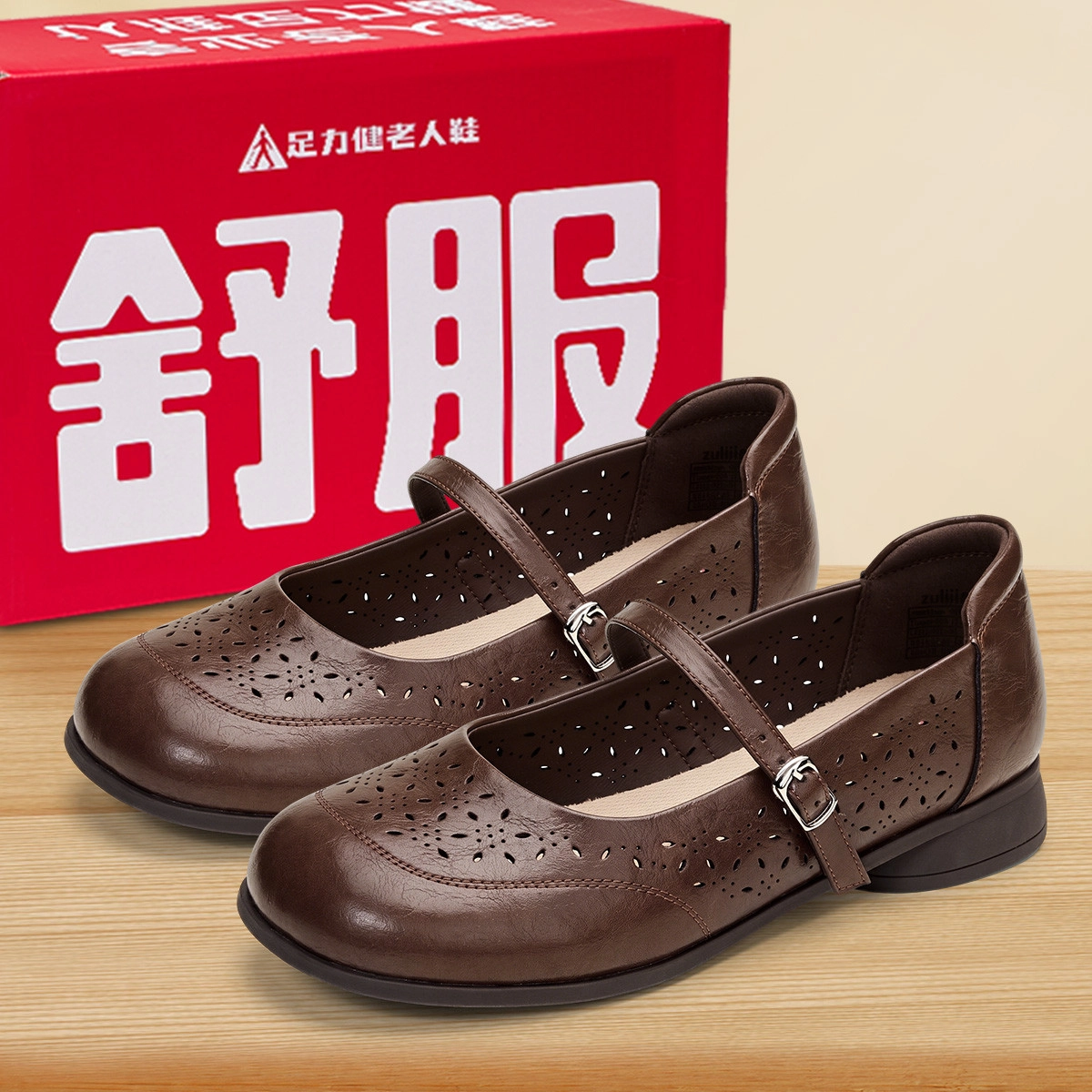
ZULIZ Women's Breathable Easy-On Loafers 26228026
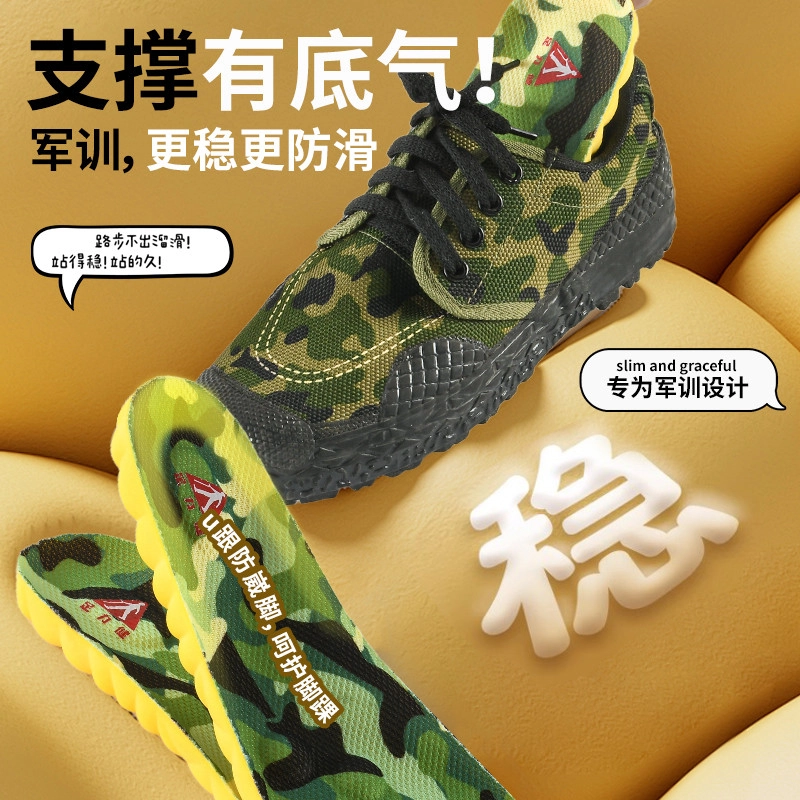
ZULIZ Unisex Breathable Comfort Insoles 3971468900397446
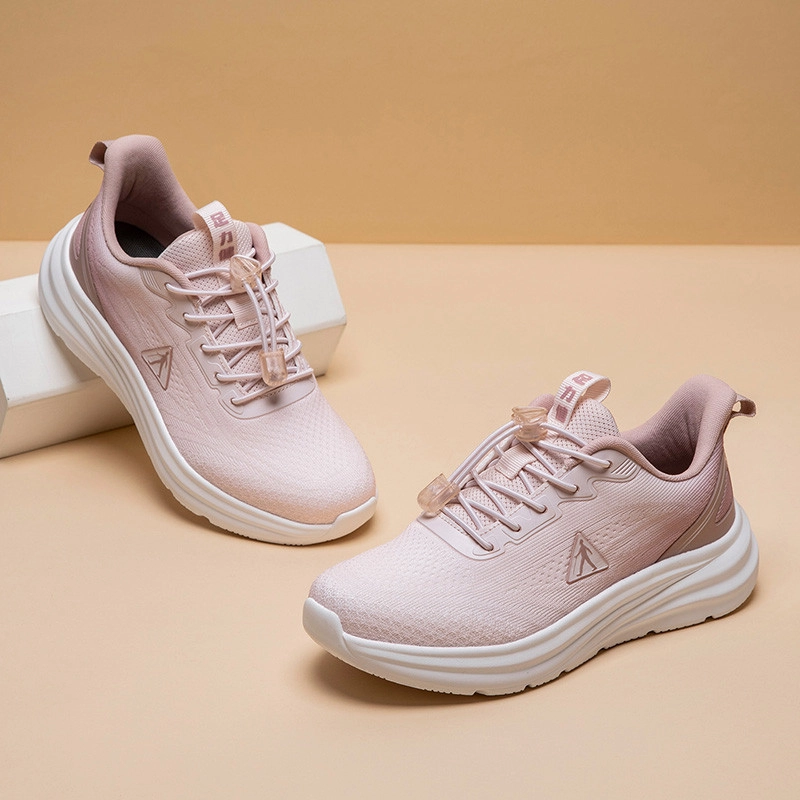
ZULIZ Men's Breathable Easy-On Walking Shoes KH-26189033
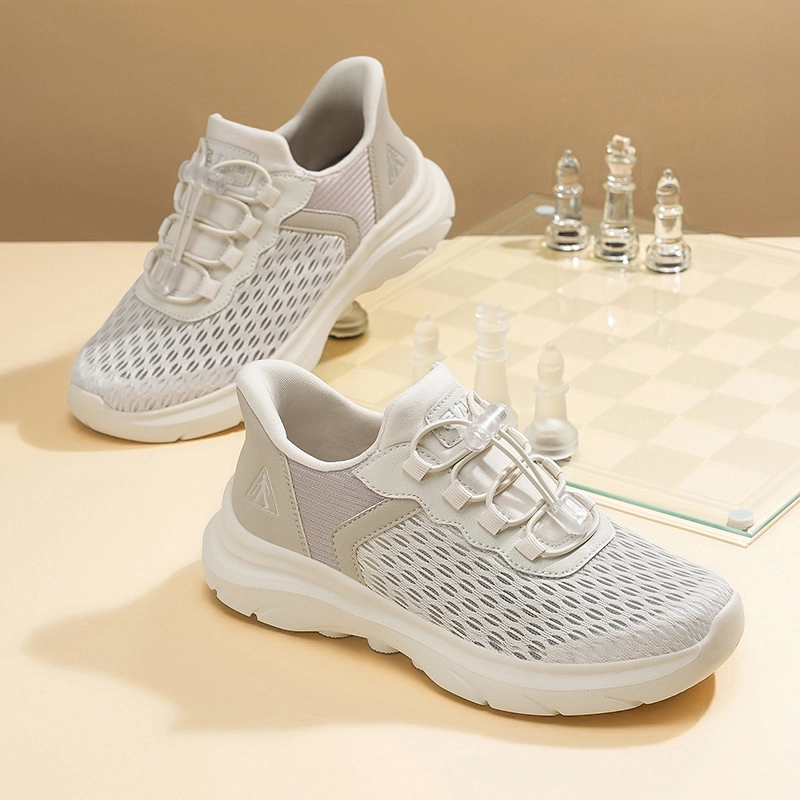
ZULIZ Unisex Lightweight Walking Shoes 26186145
Start Your ZULIZ Partnership Inquiry
Tell us about your market, business type, and cooperation interest. Our team will help you explore suitable senior footwear franchise, wholesale, or distributor opportunities.
Contact us

Ray.pang@zuliz.com

+86 155 1699 6565

5th Floor, Building 2, Courtyard 3, No. 521, Binhui North 1st Street, Tongzhou District, Beijing
Copyright © 2026 ZULIZ. All Rights Reserved. Designed by Gooeyun. Privacy Policy | Terms and Conditions | Sitemap
Facebook
YouTube
Instagram
Twitter