


How to Choose Wholesale Men’s Shoes for Different Retail and Distribution Needs

A product-selection checklist for matching men’s comfort footwear to customer needs, comparing samples and specifications, and preparing a focused wholesale shortlist.
- Quick Answer
- Key Takeaways
- 1. Identify Customer Needs Before Choosing Wholesale Men's Shoes
- 2. Compare Product Specifications When Sourcing Wholesale Men's Shoes
- 3. Choose Wholesale Men's Shoes That Fit Different Retail Business Needs
- 4. Select Wholesale Men's Shoes for Distributor and Regional Market Requirements
- 5. Evaluate Wholesale Men's Shoes for Franchise and Multi-Location Businesses
- 6. Choose Wholesale Men's Shoes for Online Sales and Digital Catalogs
- 7. Plan Size Coverage, Quantities, and Inventory for Wholesale Men's Shoes
- 8. Confirm Product Availability and Commercial Terms Before Ordering Wholesale Men's Shoes
- Conclusion
- Frequently Asked Questions
- Find Wholesale Men's Shoes That Fit Your Market
Quick Answer
Choosing wholesale men's shoes for different retail and distribution needs starts with understanding the customers each business serves, the product categories it needs, and the inventory it can manage. Independent footwear stores may prioritize a focused selection of styles and sizes, while wholesalers need products that can serve multiple commercial accounts. Distributors must consider regional demand and downstream account requirements, while franchise operators and online partners may place greater emphasis on consistency and accurate product information. This product-selection guide compares verified specifications, sample fit, size availability, intended use and assortment compatibility. Use it to shortlist models; allocation and replenishment across accounts belong in a separate supply plan. Apply the checklist to your own market and customer evidence before placing an order.
Key Takeaways
Define the intended customer group and the everyday situations the selected footwear needs to serve.
Compare materials, closure systems, sole construction, fit information and other verified model-specific details.
Balance style variety, size coverage and inventory depth according to the needs of the business and its customers.
Confirm product availability, quantities, pricing, lead times and applicable order terms before committing to a wholesale purchase.
1. Identify Customer Needs Before Choosing Wholesale Men's Shoes
The first step in selecting wholesale men's shoes is to identify the customers the business intends to serve. A retailer serving men with specific comfort or fit needs may need a different assortment from a general footwear store, an online seller or a distributor supplying several types of accounts. Include customers aged 40–45 and other ages where those needs are present; older men can remain a specific segment within the plan. Starting with customer requirements helps narrow the product range before inventory decisions are made.
Understand Everyday Activities and Wearing Preferences
Consider the situations in which customers expect to wear the shoes. Daily errands, neighborhood walks, travel, shopping and casual social activities can create different product preferences. Some customers may prioritize convenient entry, while others may pay more attention to appearance, material, fit or the type of sole.
These needs should be established through customer feedback, sales history, fitting observations and inquiries from commercial accounts. Avoid assuming that every senior male consumer has the same requirements or that one shoe style will satisfy every use case.
Separate Essential Requirements From Preferences
Essential requirements are the characteristics a product must have to be considered suitable for the intended customer or market. Preferences are additional qualities that may influence the final selection, such as a particular color, casual appearance or seasonal design.
Separating these two groups helps businesses compare products more consistently. For example, a retailer might first establish the required size range and closure type, then compare the appearance and color options of the models that meet those requirements.
Use Local Evidence to Refine Product Selection
Regional preferences, climate, common activities and local price expectations can influence which products deserve a place in the assortment. Existing sales data can reveal which sizes and styles are requested most often, while customer questions may highlight missing options.
For businesses entering a new market, a focused initial selection can provide useful feedback before a broader inventory commitment is made. Product decisions should be revised as actual customer responses become available rather than relying entirely on assumptions about the target demographic.
For broader context on the commercial potential of senior footwear, the business case for developing a senior footwear category provides a related perspective on customer needs, product selection and channel suitability.
2. Compare Product Specifications When Sourcing Wholesale Men's Shoes
Once the intended customer and use cases are clear, compare the actual specifications of the available models. Product names and promotional descriptions alone are not enough to determine whether a shoe fits a commercial requirement. Materials, closure systems, sole construction, available sizes and other documented features should be checked at the individual model level.
Review Upper Materials and Construction
The upper material influences a shoe's appearance, flexibility, care requirements and suitability for different conditions. Depending on the available range, businesses may compare knitted uppers, synthetic leather and other materials. The appropriate choice depends on the intended use, product specifications, expected price range and preferences of the target customers.
Product descriptions should distinguish verified material information from general marketing language. If a material's breathability, durability or care requirements are important to the intended market, confirm the supporting product information instead of assuming that all models in a category share the same characteristics.
Examine Closure Systems and Ease of Wearing
Different closure systems can influence how customers put on, adjust and remove footwear. Depending on the available models, options may include conventional laces, elastic closures, hook-and-loop fasteners or other mechanisms.
Retailers serving older consumers should consider whether the closure system suits the preferences and abilities of their intended customers. However, ease of wearing should be assessed from the actual design rather than inferred from a product name. The opening, fastening method and fit should be checked on the specific model.
Check Sole Construction and Intended Use
The outsole material, tread pattern and overall construction help define the intended use of a shoe. A model designed for ordinary daily walking may differ from one positioned primarily for casual wear or seasonal activities.
Compare the documented construction with the conditions in which the product is expected to be worn. Avoid making unsupported claims about slip resistance, orthopedic benefits or medical suitability unless the relevant model has appropriate evidence for those claims.
| Specification | What to Check | Why It Matters |
|---|---|---|
| Upper material | Material composition and care information | Helps match the product to use and customer preferences |
| Closure system | Fastening method and ease of adjustment | Supports more appropriate product selection |
| Outsole | Material, tread and documented intended use | Helps establish suitability for expected activities |
| Fit and sizing | Model-specific size chart and available range | Reduces uncertainty when planning inventory |
3. Choose Wholesale Men's Shoes That Fit Different Retail Business Needs
Retail businesses differ in store format, customer profile, display space and inventory capacity. An independent footwear store may need a focused selection that is easy for staff to explain, while a larger retail operation may require a more structured range across multiple locations. The selection process should reflect these practical differences rather than assume that every store needs the same product mix.
Independent Stores and Specialty Footwear Retailers
Independent stores often benefit from an assortment in which each model serves a clear purpose. Too many similar styles can make comparison difficult and spread available stock across more products than the store can manage comfortably.
Retailers can start by identifying the categories most relevant to their customers, then choose models with meaningful differences in design, closure, materials or intended use. A manageable assortment also makes it easier to gather customer feedback and identify products that deserve further investment.
Multi-Store Retail Businesses
Businesses operating several stores need product information that remains consistent across locations. Standardized model names, specifications and size records make it easier to compare performance and identify differences in local demand.
However, a consistent product range does not automatically require identical stock quantities at every store. Allocation should reflect location-level sales, available space and customer preferences, subject to the business's own merchandising and inventory policies.
Specialist Stores Serving Senior Consumers
Specialist stores may need to explain product features in practical terms. Staff should understand the verified differences between models, including closure methods, fit information and intended use, so customers can make meaningful comparisons.
For senior men's footwear, a product range may combine casual styles with walking-oriented models when those categories match customer demand. Product selection should remain based on actual model details and customer feedback rather than assumptions that every older consumer prefers the same style.
Wholesale Men's Shoe Styles to Evaluate for Retail Assortments
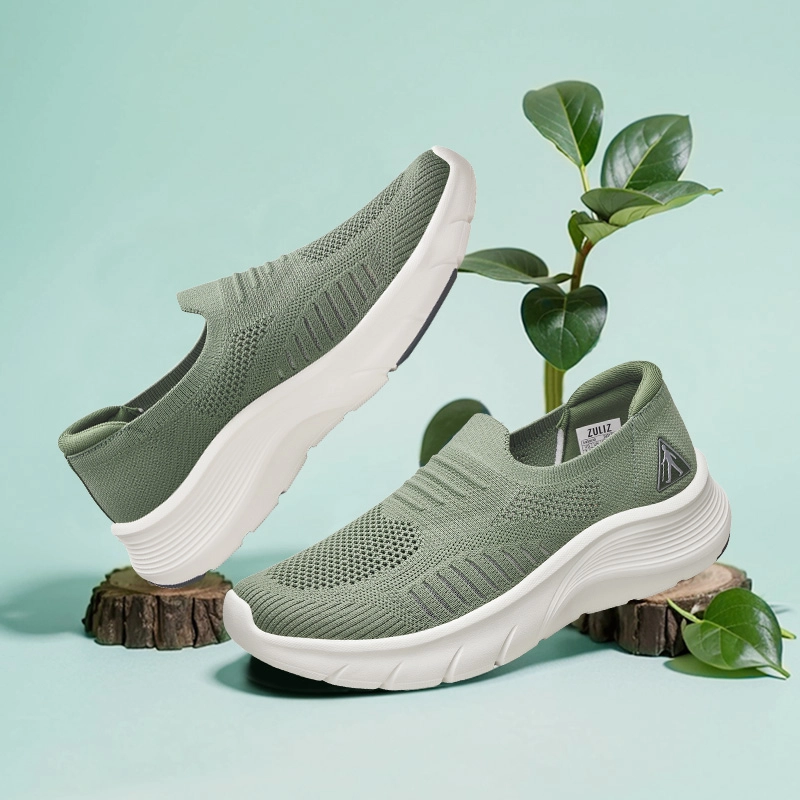
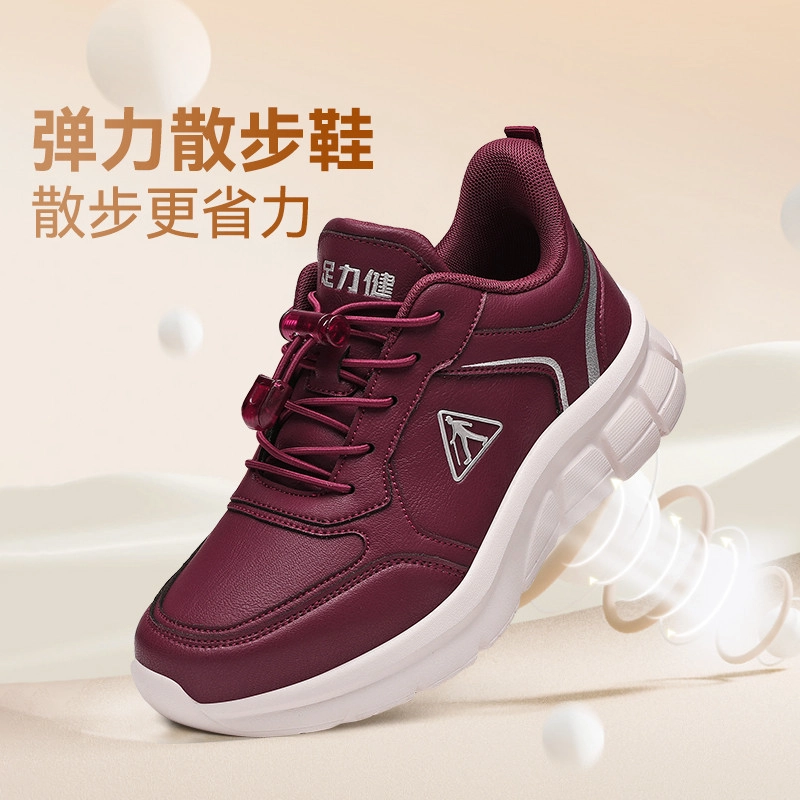
These examples illustrate different product directions rather than a complete assortment recommendation. Before choosing models for a wholesale program, confirm current specifications, color options, size availability and commercial terms for each product.
4. Select Wholesale Men's Shoes for Distributor and Regional Market Requirements
Distributors often supply multiple accounts across a geographic area. Their product selection must therefore account for differences between downstream customers rather than focus only on the needs of a single store. A product that suits one account may be less relevant to another, even when both operate in the same region.
Group Products by Account Type
Start by identifying the types of businesses served by the distribution network. These may include independent footwear stores, specialist comfort-shoe retailers, multi-location businesses or online sellers. A comfort-footwear importer may need destination-market documentation and a landed-cost comparison; a wide-fit wholesaler needs the actual labeled width options for each model. Record those requirements before comparing products, rather than assuming that a roomy toe box establishes a full width range.
Grouping demand in this way helps distributors identify common products that can serve several accounts and distinguish them from models relevant to a narrower customer group. It also provides a more useful basis for planning stock than treating every account as identical.
Consider Regional Preferences and Product Availability
Climate, local footwear preferences, customer purchasing patterns and the competitive landscape can affect which products are suitable for a regional assortment. Distributors should gather evidence from their accounts before deciding which styles and sizes deserve greater attention.
Regional plans must also reflect the actual product range available from the supplier. A proposed assortment should not depend on unconfirmed colors, sizes, model variations or replenishment arrangements.
Make Product Information Consistent Across Accounts
Distributors may need to provide product details to multiple downstream customers. Consistent product names, model codes, size charts, images and specifications help each account prepare its own listings and sales materials.
When a model changes or a particular variation becomes unavailable, distributors should communicate the change clearly. Accurate information helps downstream businesses avoid promoting products or sizes that cannot be supplied under the agreed arrangement.
| Distributor Requirement | Selection Consideration | Information to Confirm |
|---|---|---|
| Multiple account types | Identify products that meet shared account needs | Account requirements and model specifications |
| Regional assortment | Prioritize products based on local evidence | Sales history and available variations |
| Downstream catalog preparation | Choose products with clear, reusable records | Images, size charts and product details |
| Ongoing product availability | Align assortment plans with confirmed supply | Available stock and replenishment information |
For distributors, the objective is to select products that make commercial sense across the accounts being served while keeping the assortment manageable. Product selection should be grounded in account demand and verified supply information rather than the size of the catalog alone.
5. Evaluate Wholesale Men's Shoes for Franchise and Multi-Location Businesses
Franchise operators and other multi-location businesses may need a product range that supports a consistent brand position across stores. At the same time, different locations can serve different customer groups and generate different levels of demand. Choosing wholesale men's shoes for these businesses requires attention to both common product standards and local operating needs.
Define the Core Collection
A core collection consists of products intended to represent the main assortment across participating locations. The selection should reflect the intended customer, store positioning and product categories the business plans to develop.
Before selecting models, establish which product characteristics are essential to the shared collection. These may include a defined style direction, approved specifications, suitable size coverage or consistency in product information. The final requirements depend on the company's merchandising policies and franchise agreements.
Distinguish Standard Products From Local Options
Some products may be relevant to most locations, while others are better suited to specific markets or customer preferences. A clear distinction between the core collection and optional additions allows the business to maintain a recognizable assortment without assuming every store has identical demand.
Any variation should follow the applicable purchasing and brand guidelines. Where franchise approval is required, local teams should not introduce unapproved products simply because a particular style appears suitable for one store.
Check Whether Product Records Support Network-Wide Use
Consistent model names, product descriptions, images and size information can help different locations present the same products accurately. They also support comparisons between stores and reduce confusion when staff communicate about specific models.
Before adopting a product across a network, confirm that its specifications and available variations are documented clearly enough for the intended operation. Product information should be updated when the supplier confirms a relevant change.
Multi-Location Selection Checklist
✓ Define the shared requirements for the core product collection.
✓ Identify products that may be appropriate for selected locations only.
✓ Confirm that product specifications and size information are consistent.
✓ Verify approval requirements and supply conditions before network-wide adoption.
Franchise and multi-location businesses should select products that meet their shared standards without overlooking local customer needs. A clearly defined product framework makes it easier to evaluate models and maintain consistency as the assortment develops.
6. Choose Wholesale Men's Shoes for Online Sales and Digital Catalogs
Online footwear sellers need products that can be presented accurately through images, descriptions, size information and clear category structures. Because customers cannot immediately inspect the shoes in person, the quality and accuracy of product information are particularly important when deciding which models to list.
Assess Product Photography and Listing Requirements
Product images should clearly represent the actual model and show the details relevant to customer comparison. Online partners should check whether the available image set is suitable for their website or marketplace and whether the permitted use of those assets has been confirmed.
Product descriptions should identify the correct model and explain verified details without exaggeration. If a shoe is described as breathable, easy-on or lightweight, the statement should match the documented specifications for that particular style.
Check Size Information and Product Variations
Size availability should be confirmed for each model before creating online listings. Different styles may have different size ranges, colors or other variations, so a size chart from one product should not automatically be applied to another.
Online partners should also consider how the product's intended use, fit information and material details will be communicated. Clear information can help customers compare options and understand whether a model is relevant to their needs.
Confirm Stock Visibility and Fulfillment Compatibility
A product may look suitable for an online catalog but still be impractical if its availability cannot be confirmed or the fulfillment arrangement does not fit the seller's operating model. Before listing a model, clarify how stock updates, order processing and delivery information will be handled.
Online partners should also establish how they will communicate unavailable sizes or changes to product status. The process should reflect the actual inventory systems and supply arrangements in place rather than assume that real-time inventory integration is automatically available.
For an initial category comparison, the ZULIZ collection of casual shoes for senior men provides a starting point for reviewing product positioning, model details and available options. Individual listings should still be checked before they are selected for an online assortment.
7. Plan Size Coverage, Quantities, and Inventory for Wholesale Men's Shoes
Even a well-selected style can perform poorly commercially if the size range or inventory quantity does not match customer demand. Footwear stock is distributed across individual models, sizes and sometimes colors, so total pair counts alone do not provide a complete picture of assortment readiness.
Confirm the Size Range for Each Model
Start by checking the published size chart and available variations for every selected product. Do not assume that all models in a collection share the same size range or fit characteristics.
Where possible, use existing sales information, customer fitting feedback or downstream account requests to determine which sizes require more attention. Businesses entering a new market may need to begin with a measured assortment and adjust the size distribution after observing actual demand.
Balance Model Variety With Stock Depth
Adding more styles increases choice but can also spread inventory across additional model-size combinations. A smaller assortment with suitable size coverage may be more practical than a large catalog in which each individual product has insufficient stock.
Businesses should identify which products are essential to the core assortment and which can be introduced selectively. Stock depth should reflect expected demand, available working capital, storage capacity and the feasibility of future replenishment.
Use Sales Data to Improve Future Orders
Once products are being sold, track performance by model and size rather than relying only on overall sales totals. The information can help reveal whether a product needs a different size distribution, whether a particular style is underperforming or whether additional stock may be justified.
Returns and customer feedback should also be recorded where possible. Repeated comments about sizing, product expectations or differences between models may identify a need to revise product information or reconsider the assortment.
| Inventory Question | Useful Evidence | Decision Supported |
|---|---|---|
| Which models deserve priority? | Sales by model and customer requests | Core assortment selection |
| Which sizes need more coverage? | Size-level sales and stock records | Size allocation |
| Which styles need adjustment? | Slow-moving stock and return reasons | Assortment refinement |
| When should inventory be replenished? | Current stock, demand and confirmed lead times | Replenishment planning |
The purpose of inventory planning is to make product selection more precise over time. By combining model-level performance with size availability and customer feedback, businesses can make more informed decisions about future wholesale purchases.
8. Confirm Product Availability and Commercial Terms Before Ordering Wholesale Men's Shoes
After selecting suitable models and planning the assortment, businesses need to confirm that the products can be purchased under workable commercial conditions. This step turns the selection plan into an order that reflects actual availability, required quantities and the responsibilities of both parties.
Confirm Model Availability and Order Quantities
Prepare a clear list of the selected models, sizes, colors and quantities. Ask the supplier to confirm which variations are currently available and whether any products require a different lead time or purchasing arrangement.
Where a supplier applies a minimum order quantity, establish whether it is calculated by model, color, size or total order. ZULIZ distribution orders and replenishment have no MOQ. Confirm model availability, packing, fees and delivery timing for the selected order; custom or OEM requests require a separate assessment of scope and any quantity thresholds.
Review Pricing, Lead Times, and Delivery Responsibilities
Compare the quoted product cost with the complete cost of receiving and preparing the shoes for sale. Depending on the transaction, additional expenses may include freight, insurance, customs duties, taxes, clearance and local delivery.
Confirm the quotation's validity, payment schedule, expected lead time, shipping responsibilities and the conditions that apply if availability changes. These details help businesses assess whether the proposed order fits their budget and planned launch schedule.
Clarify Product Documentation and After-Sales Procedures
Before confirming the order, identify the product documents needed for internal records, online listings or local market requirements. Depending on the products and destination market, this may include specifications, size information, material details, care instructions and other applicable documentation.
Businesses should also understand the supplier's written procedures for reporting defects, documenting claims and handling approved remedies. The applicable terms should be clear before purchase, including the evidence required and any relevant exclusions.
Wholesale Order Confirmation Checklist
✓ Confirm model codes, specifications, colors and available sizes.
✓ Verify quantities, minimum order requirements and current stock availability.
✓ Review the quotation, payment terms, lead time and delivery responsibilities.
✓ Confirm the required product documentation and written after-sales procedures.
For businesses building a broader operation, the wider framework for establishing a wholesale men's footwear business can help put product selection and order preparation into the context of the overall business plan.
Conclusion
Choosing wholesale men's shoes for different retail and distribution needs requires more than selecting styles that look suitable. Businesses need to understand their customers, compare verified product specifications, assess size availability and build an assortment that fits their operating model. Retailers, wholesalers, distributors, franchise operators and online partners may share some product requirements, but their inventory responsibilities and ways of serving customers can differ.
A practical selection process begins with customer needs, narrows the available models according to their documented features, and checks whether the proposed assortment can be managed commercially. Before placing an order, confirm product availability, quantities, pricing, lead times and applicable terms. For ZULIZ partners, these steps provide a structured way to evaluate men’s comfort footwear against local customer needs, including a senior assortment where relevant, without relying on unsupported assumptions about product performance or supply capabilities.
Frequently Asked Questions
What should retailers consider when choosing wholesale men's shoes?
Retailers should assess their target customers, product categories, verified model specifications, size availability, price positioning, inventory capacity and local demand. The assortment should offer meaningful choices without creating unnecessary duplication.
How do wholesale men's shoe requirements differ for distributors?
Distributors need to consider the requirements of multiple downstream accounts, regional preferences, consistent product records, available size ranges and stock coordination. Their selection should reflect actual account demand and confirmed product availability.
Why is size availability important when sourcing men's footwear in bulk?
Footwear inventory is divided across individual models and sizes. A large total order may still fail to meet demand if the size distribution is unsuitable. Checking model-specific size charts and using available sales information can help businesses plan more appropriate quantities.
What should be confirmed before placing a wholesale men's shoe order?
Confirm model codes, specifications, colors, sizes, quantities, minimum order requirements, quoted prices, lead times, payment and delivery terms, product documentation and applicable after-sales procedures. The exact requirements depend on the supplier and the order agreement.
Find Wholesale Men's Shoes That Fit Your Market
Whether you operate a footwear store, wholesale business, regional distribution network, franchise operation or online store, choosing the right product range starts with your customers and commercial requirements. Contact ZULIZ to discuss available men’s comfort footwear models, the fit and everyday-use needs you aim to serve, and the product specifications and wholesale information relevant to your market.
Discuss Wholesale Men's Shoes with ZULIZ
Brazil's Comfort Footwear Market: Filling Gaps Beside Orthopedic Lines
India's Comfort Footwear Market: Wide Fits and Regional Assortments
The U.S. Comfort Footwear Market: Importers and Wide-Fit Wholesalers

Store Conversion in Comfort Footwear: Rethinking the Fit Wall
You May Also Like
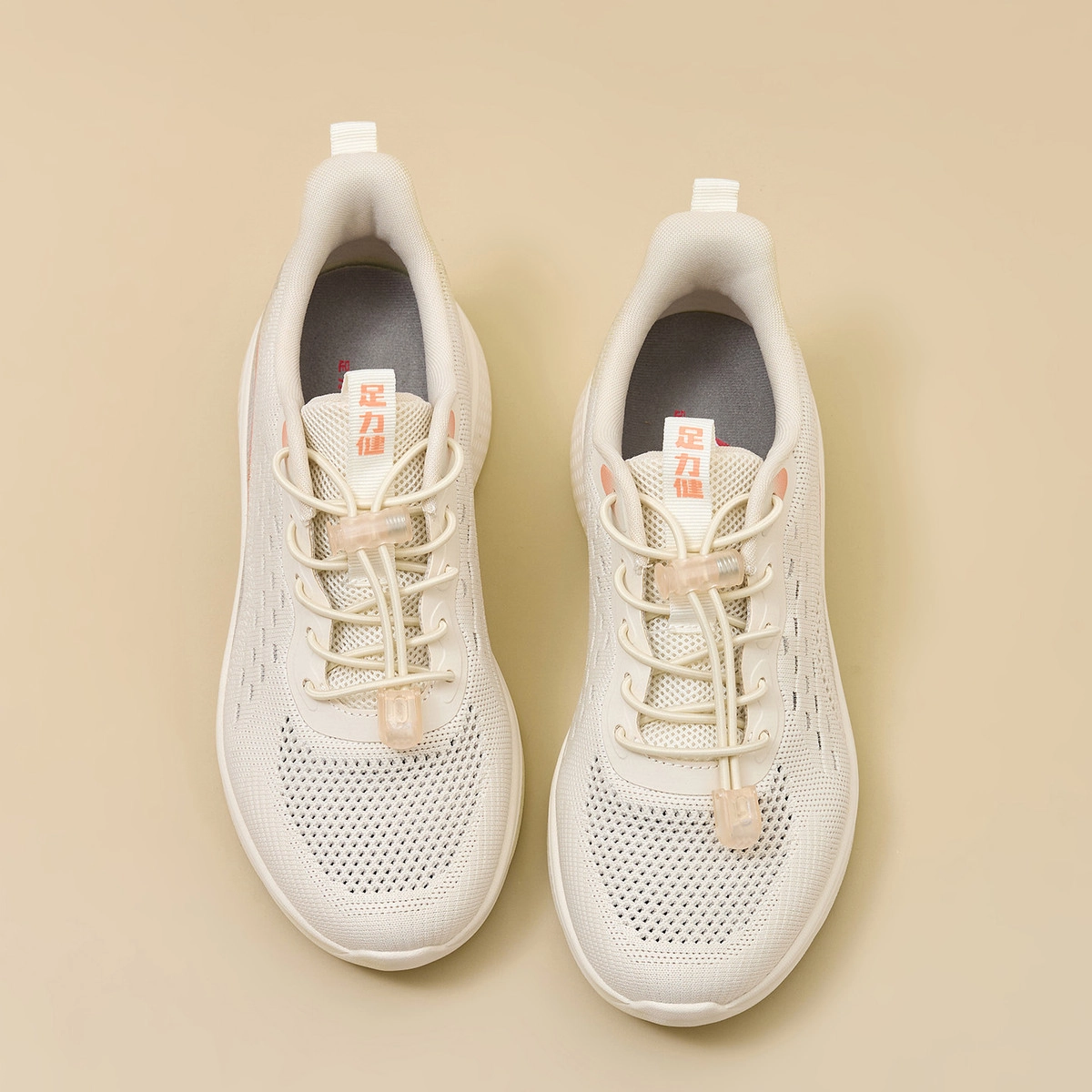
ZULIZ Women's Breathable Easy-On Walking Shoes JM-26289143
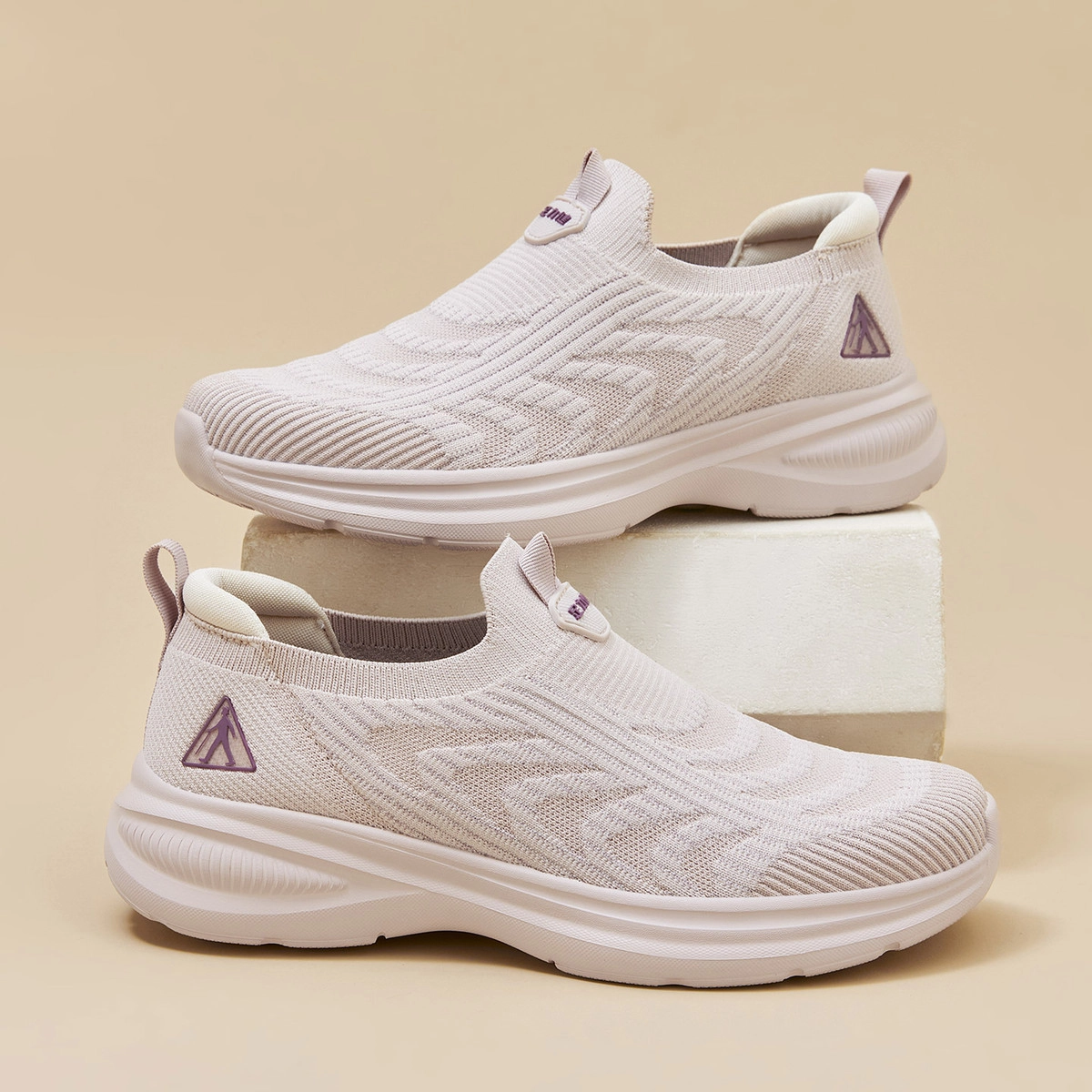
ZULIZ Women's Breathable Easy-On Walking Shoes JM-26289152
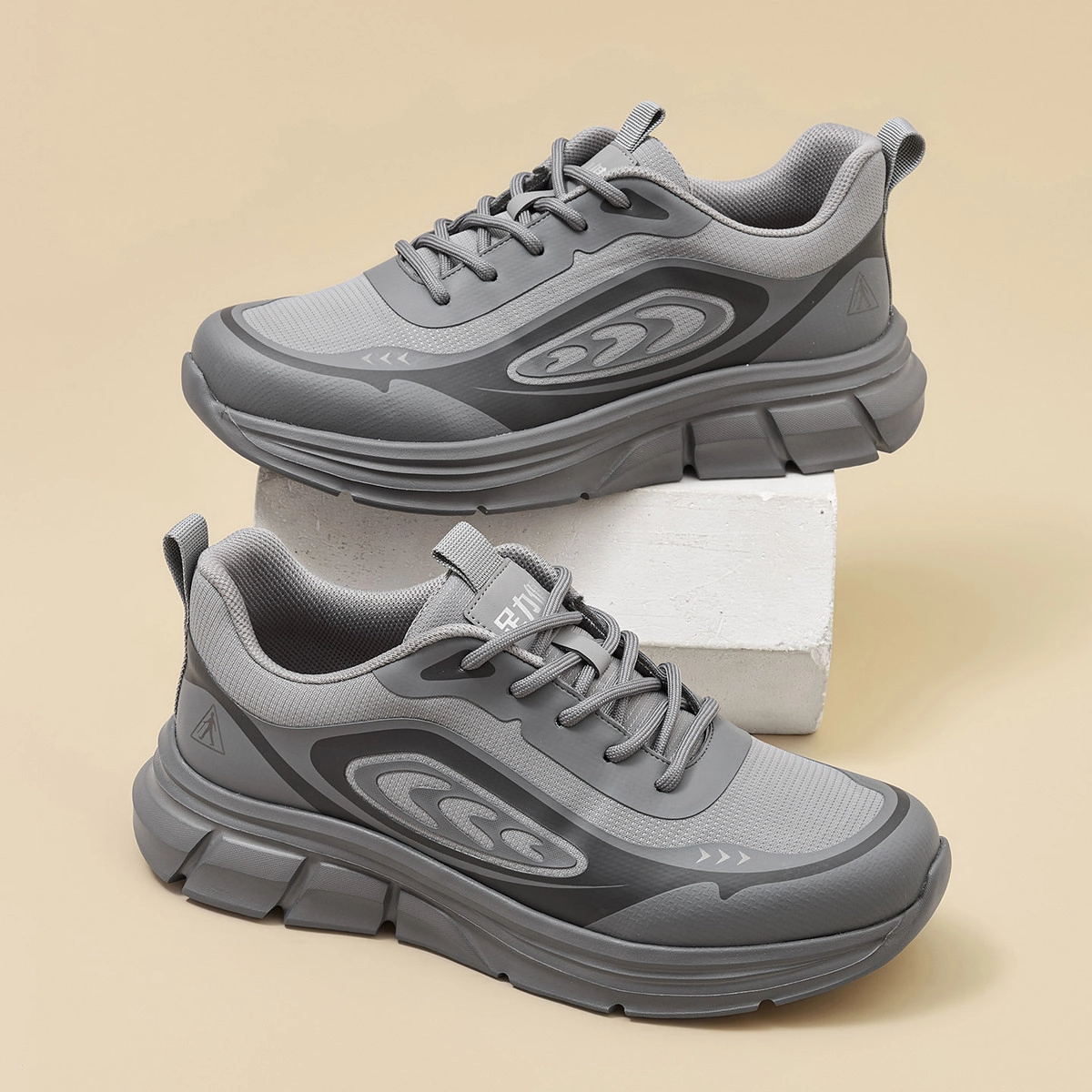
ZULIZ Men's Breathable Lightweight Shoes for Everyday Walking JM-25989236
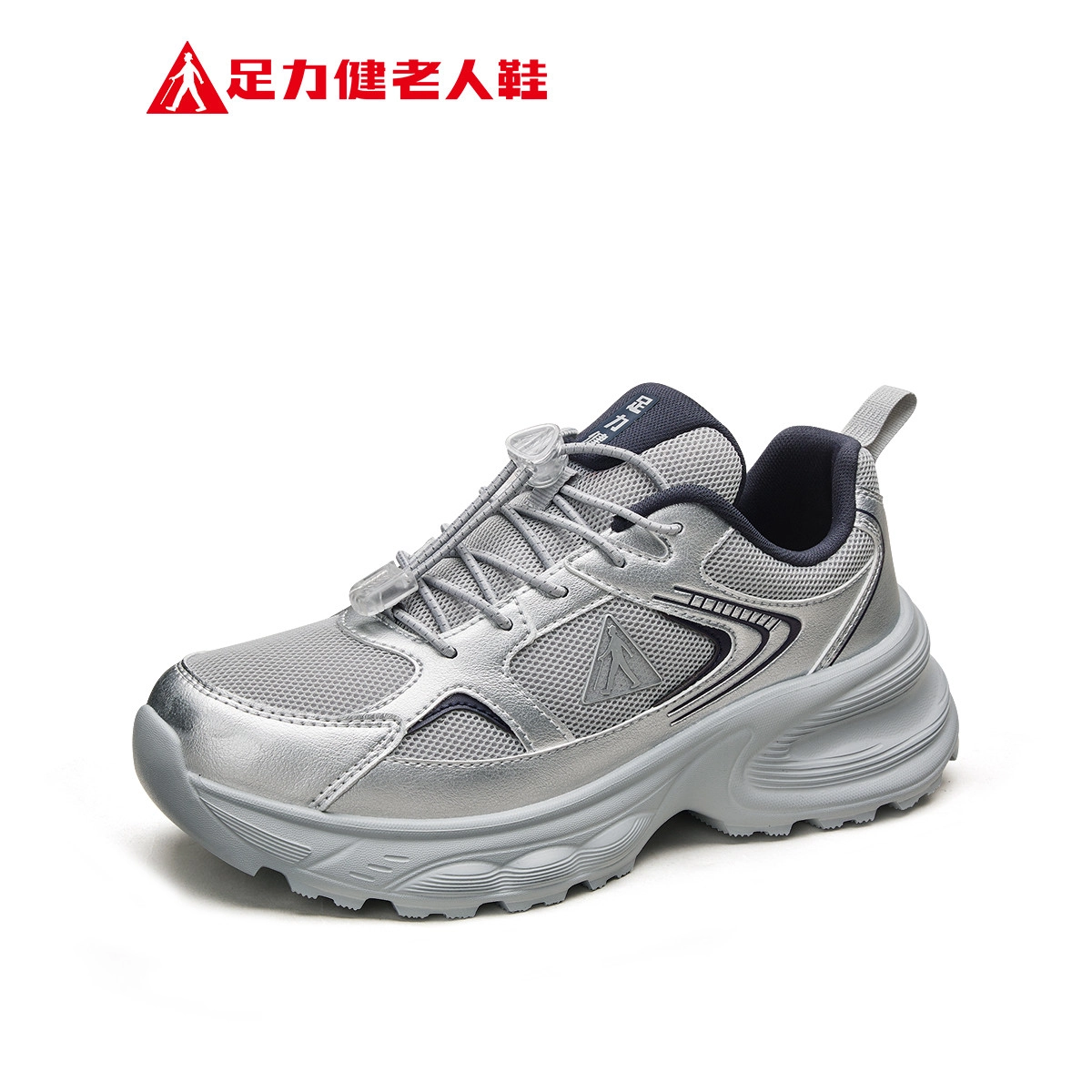
ZULIZ Unisex Breathable Walking Shoes 25339004
Start Your ZULIZ Partnership Inquiry
Choose your partnership type and enter your email to request ZULIZ distribution terms and brand support.
Contact us

Ray.pang@zuliz.com

+86 155 1699 6565

5th Floor, Building 2, Courtyard 3, No. 521, Binhui North 1st Street, Tongzhou District, Beijing
Copyright © 2026 ZULIZ. All Rights Reserved. Designed by Gooeyun. Privacy Policy | Terms and Conditions | Sitemap
Facebook
YouTube
Instagram
Twitter