


How to Market and Sell Senior Footwear: A Practical Guide for Retailers and Distributors
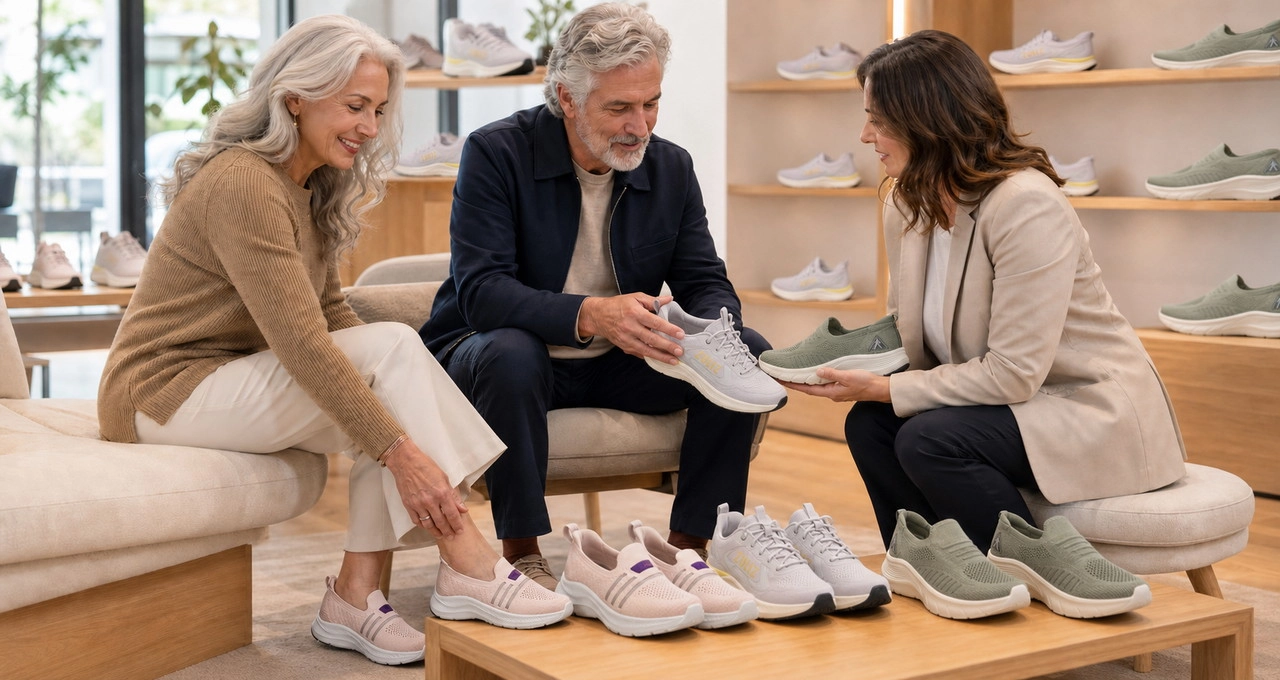
Senior Footwear demands targeted strategies to connect with aging customers effectively. ZULIZ breaks down how to sell senior footwear by focusing on comfort, accessibility, and trust-building tactics that boost retailer and distributor success.
- Quick Answer
- Key Takeaways
- 1. Who Buys Senior Footwear? Understanding the Customer Behind the Sale
- 2. How to Position Senior Footwear Around Customer Needs
- 3. How to Present Senior Footwear Features That Customers Can Understand
- 4. How to Build an In-Store Experience That Helps Sell Senior Footwear
- 5. How Retailers Can Use Local Community Marketing to Reach Senior Customers
- 6. How Distributors Can Help Retailers Sell Senior Footwear
- 7. How to Use Digital Content and Social Media to Generate Senior Footwear Demand
- 8. How to Turn First-Time Senior Footwear Buyers Into Repeat Customers
- Conclusion
- FAQ
- Build a Senior Footwear Business with the Right Sales Strategy
Quick Answer
For retailers, distributors, and other B2B buyers, successfully marketing and selling senior footwear requires more than simply putting products on a shelf or running occasional promotions. Businesses need to understand who makes the buying decision, position products around practical customer needs, communicate product benefits clearly, create an easy shopping experience, and connect local and digital marketing with actual sales opportunities. A strong senior footwear sales strategy should also use customer feedback and sell-through data to improve the assortment and encourage repeat purchases. The goal is to create a repeatable process that turns product awareness into customer relationships and long-term category growth.
Key Takeaways
• Start with the customers, channels, and buying situations you want to serve.
• Position senior footwear around practical benefits rather than technical specifications alone.
• Use product presentation, fitting, local marketing, and digital content to support the buying journey.
• Use sales feedback and repeat-purchase data to build a more sustainable senior footwear category.
1. Who Buys Senior Footwear? Understanding the Customer Behind the Sale
Before developing a senior footwear marketing strategy, retailers and distributors need to understand who is actually involved in the purchase. The person wearing the footwear is often an older consumer, but the person influencing or making the purchasing decision may also be an adult child, caregiver, spouse, or another family member. These buyers may evaluate the product from different perspectives. The wearer may focus on comfort, fit, ease of wearing, and everyday use, while another decision-maker may pay greater attention to practicality, durability, value, or whether the product is appropriate for the user's needs.
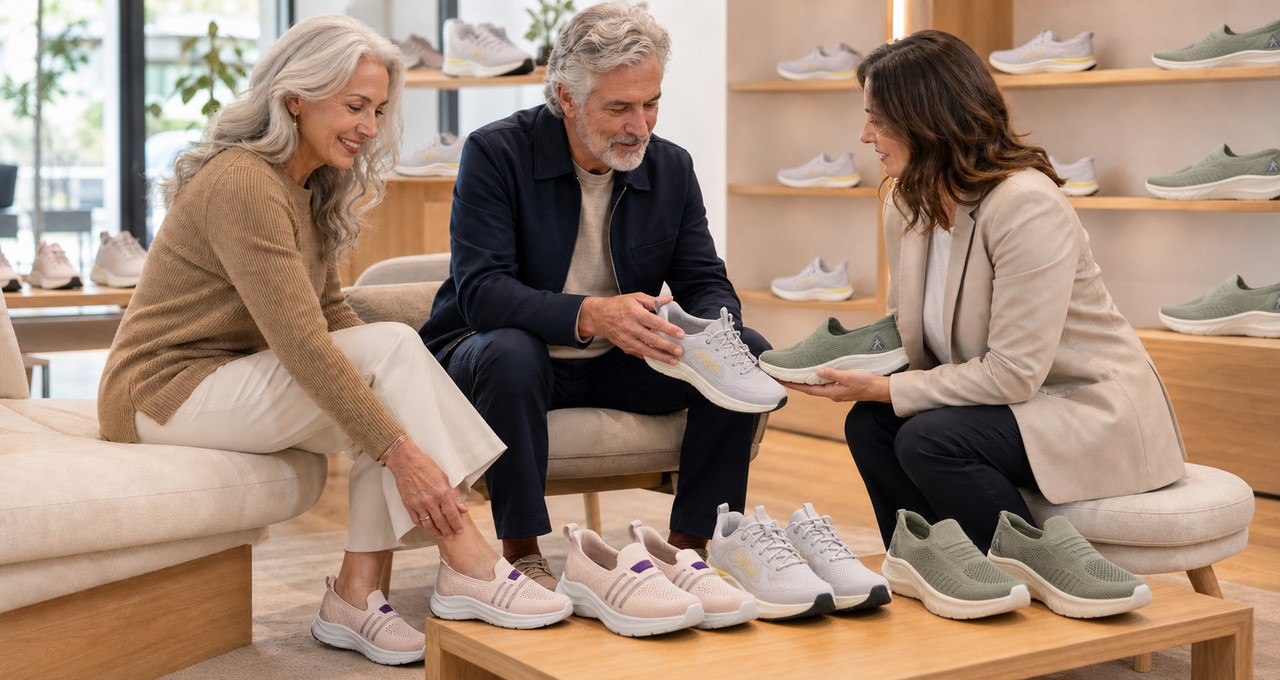
The sales channel also affects how customers evaluate senior footwear. A specialty footwear store may have more opportunity for product explanation and fitting, while a general footwear retailer may need clearer product presentation and faster communication. Distributors should consider these differences when helping retail partners develop their senior footwear category. Understanding the customer behind the sale gives businesses a more useful foundation for deciding what products to carry, what benefits to communicate, and how the buying experience should be structured.
A Practical Customer Lens
This customer-first approach is particularly important for businesses building a senior footwear business, because marketing and sales decisions should ultimately support the customers, channels, and commercial model the business intends to develop.
2. How to Position Senior Footwear Around Customer Needs
Once the target customer is clear, the next step is deciding how the product should be positioned. Senior footwear should not be presented simply as footwear “for older people.” That description does not explain why a particular product is relevant or what problem it solves. A stronger positioning strategy connects the product with recognizable customer needs, such as everyday comfort, easy wearing, convenient fit, stable walking, lightweight construction, or seasonal use.
The same product can also be positioned differently depending on the sales channel. A specialty senior footwear retailer may emphasize comfort and fitting, while a general shoe store may focus on easy wearing and everyday practicality. Distributors can use the same principle when presenting products to retail partners. Instead of treating every SKU as an isolated item, they can organize products around clear customer and usage scenarios.
Comfort
Connect the product with everyday wearing and regular walking needs.
Ease of Use
Show how product design can make everyday wearing more convenient.
Usage
Give each product a clear role based on where and how customers use it.
A clear position makes the product easier to sell across product pages, store displays, social media, and direct customer conversations. It also gives distributors a more consistent message when introducing senior footwear to different retail accounts.
3. How to Present Senior Footwear Features That Customers Can Understand
Product features become valuable in a sales conversation when customers can understand their practical relevance. Retailers may be familiar with construction details, materials, closures, sole designs, or cushioning systems, but customers usually want to know what those details mean for their everyday experience. Effective senior footwear sales communication therefore translates product specifications into simple benefits and real-world use cases.
For example, an adjustable closure can be presented as a convenient feature for customers who value easy fitting, while lightweight construction may be positioned around comfortable everyday wear. A stable sole can be explained in relation to walking use rather than presented as an isolated technical specification. Businesses can use a structured understanding of senior footwear features that can strengthen your sales proposition when deciding which product benefits deserve the most visibility.
4. How to Build an In-Store Experience That Helps Sell Senior Footwear
For many senior footwear customers, the buying experience is part of the product evaluation. Customers may want to compare several styles, check sizing, try different fits, or ask questions before deciding. Retailers can therefore make the store itself part of their sales strategy by organizing the product range clearly and reducing the effort required to understand the differences between products.
Product presentation should be simple enough for customers to navigate without feeling overwhelmed. Products can be grouped by use case, footwear category, season, or key customer need. Clear labels can explain important benefits, while staff can help customers compare products based on fit and intended use. This approach creates a more practical path from product discovery to purchase.
In-Store Sales Checklist
A strong in-store experience can also support customers who first discover products through digital or local marketing. When the message customers see before visiting the store matches what they experience inside, the overall sales journey becomes more consistent.
5. How Retailers Can Use Local Community Marketing to Reach Senior Customers
Local community marketing can be useful for retailers because senior footwear is a category where customers may benefit from seeing, touching, trying, and discussing products before making a purchase. Instead of relying entirely on broad advertising, retailers can create opportunities for direct interaction through community activities and local partnerships.
Potential activities include local community events, walking groups, wellness-related activities, product demonstrations, fitting sessions, and seasonal in-store events. The purpose should be to create useful customer contact rather than simply distribute promotional messages. When customers can experience the product and ask questions, the retailer has a natural opportunity to explain the product proposition and guide them toward an appropriate purchase.
Community Events
Create opportunities for local customers to discover the category in a relevant setting.
Product Demonstrations
Let customers see how products are designed for everyday use.
Local Partnerships
Connect footwear promotion with organizations and activities relevant to local customers.
For retailers, the strongest local marketing activities are those that create a clear path from awareness to product trial, store visits, inquiries, and purchases. The marketing activity should therefore be designed together with the actual retail experience.
6. How Distributors Can Help Retailers Sell Senior Footwear
For distributors, selling senior footwear successfully involves more than supplying products to retail accounts. The distributor also needs to understand what retail partners need in order to present and sell the products effectively. Clear product information, logical assortment planning, consistent product positioning, and market feedback can all help retailers turn inventory into actual customer sales.
This begins with choosing products that fit the retailer's customer base and sales channel. A distributor serving several types of stores may need to structure products differently for each account. A specialist footwear retailer may need deeper senior-focused assortment coverage, while a general footwear retailer may prefer a smaller selection of easy-to-understand products. Businesses should therefore establish a clear approach to choosing a senior footwear supplier for their retail or distribution business before building a broader sales network.
What Retail Partners Need
A distributor that understands retail sell-through can become more valuable to its customers than one that focuses only on moving inventory. The objective is to help retail partners build a category that customers can understand and purchase repeatedly.
7. How to Use Digital Content and Social Media to Generate Senior Footwear Demand
Digital marketing can extend the reach of a senior footwear business, but the content should support the same customer-focused message used in the store. Product photos alone may create awareness, but useful content can help customers understand why a product is relevant to their needs. Retailers can create website content, product demonstrations, short videos, customer FAQs, comparison content, and practical information around everyday footwear needs.
The strongest digital content often answers questions that customers have before they are ready to buy. A retailer might explain how to compare different types of senior footwear, demonstrate how an easy-wearing design works, or show how different products fit different everyday situations. Social media can then reinforce these messages and direct interested customers toward the store, product page, inquiry process, or other purchase opportunity.
Product Content
Explain product benefits and use cases instead of listing specifications alone.
Demonstrations
Use photos and video to show how products are worn and used.
Customer Questions
Turn recurring customer questions into useful content for future buyers.
Digital content should ultimately support the buying journey rather than operate separately from sales. When online information prepares customers for an in-store conversation or product inquiry, marketing becomes a practical part of the sales process.
8. How to Turn First-Time Senior Footwear Buyers Into Repeat Customers
A senior footwear sales strategy should continue after the first purchase. Repeat purchases provide useful evidence about which styles, sizes, colors, and product categories are working in a particular market. Retailers can use this information to identify consistently performing products, adjust slow-moving inventory, and refine future purchasing decisions. Distributors can use feedback from multiple retail accounts to identify broader patterns in demand.
Customer feedback should also become part of the sales process. Questions about fit, comfort, product use, and product preferences can reveal where customers need more information or where the assortment could be improved. Businesses that track these signals can gradually create a more focused product range and a more predictable replenishment process instead of treating every order as an isolated transaction.
Sales Signals Worth Tracking
This information can then influence future assortment planning, product presentation, purchasing, and local marketing. Over time, the business can move from simply selling individual pairs of shoes toward managing a senior footwear category based on real customer behavior.
For distributors and larger retailers, this feedback loop can become especially valuable because sales data from multiple locations or accounts can reveal patterns that are difficult to see from a single store. The result is a more structured approach to category development and long-term growth.
Conclusion
Learning how to market and sell senior footwear is ultimately about creating a clear connection between customer needs, product value, retail experience, and repeat purchasing. Retailers need to understand who their customers are, position products around practical needs, communicate benefits clearly, and make the buying experience straightforward. Local community activities and digital content can then help create demand and bring customers into the sales process.
For distributors, the same principle applies at the channel level. The right product assortment, clear product communication, useful market feedback, and a reliable supply relationship can help retail partners improve sell-through. When businesses combine customer understanding with product presentation, local marketing, digital education, and repeat-purchase analysis, senior footwear can become a more structured and sustainable commercial category rather than a collection of individual products.
FAQ
What is the best way to sell senior footwear?
Start by understanding the target customer and positioning each product around practical needs such as comfort, fit, ease of wearing, and everyday use. Clear product presentation, fitting support, and consistent sales communication can help customers make purchasing decisions more confidently.
How can retailers market senior footwear locally?
Retailers can use community activities, local partnerships, product demonstrations, fitting events, and seasonal promotions to create direct customer engagement. The most useful activities connect naturally with the retailer's store and product experience.
How can distributors help retailers sell senior footwear?
Distributors can support retail sell-through by providing relevant assortments, clear product information, practical product positioning, and useful market feedback. Understanding each retailer's customer base and sales channel can make the product range easier to sell.
What should retailers consider when marketing senior comfort shoes?
Retailers should consider customer needs, product positioning, practical product benefits, fitting experience, local marketing opportunities, digital content, and repeat-purchase behavior. Marketing works best when it supports the customer's entire path from product discovery to purchase.
Build a Senior Footwear Business with the Right Sales Strategy
Whether you are developing a retail category, expanding distribution, or exploring a senior footwear partnership, ZULIZ offers a focused senior footwear portfolio for different business models and market needs.
Explore ZULIZ Senior Footwear Discuss Your Business OpportunityWhy US Retail Buyers Should Prioritize ZULIZ for Older-Adult Comfort Footwear
How to Choose the Right Mom Shoes for Retailers, Wholesalers, and Distributors-ZULIZ
Mom Shoes Wholesale: How to Build a Profitable Senior Women's Footwear Business with ZULIZ
Mom Shoes Market Opportunities: A Growth Guide for Footwear Retailers, Wholesalers, and Distributors
You May Also Like
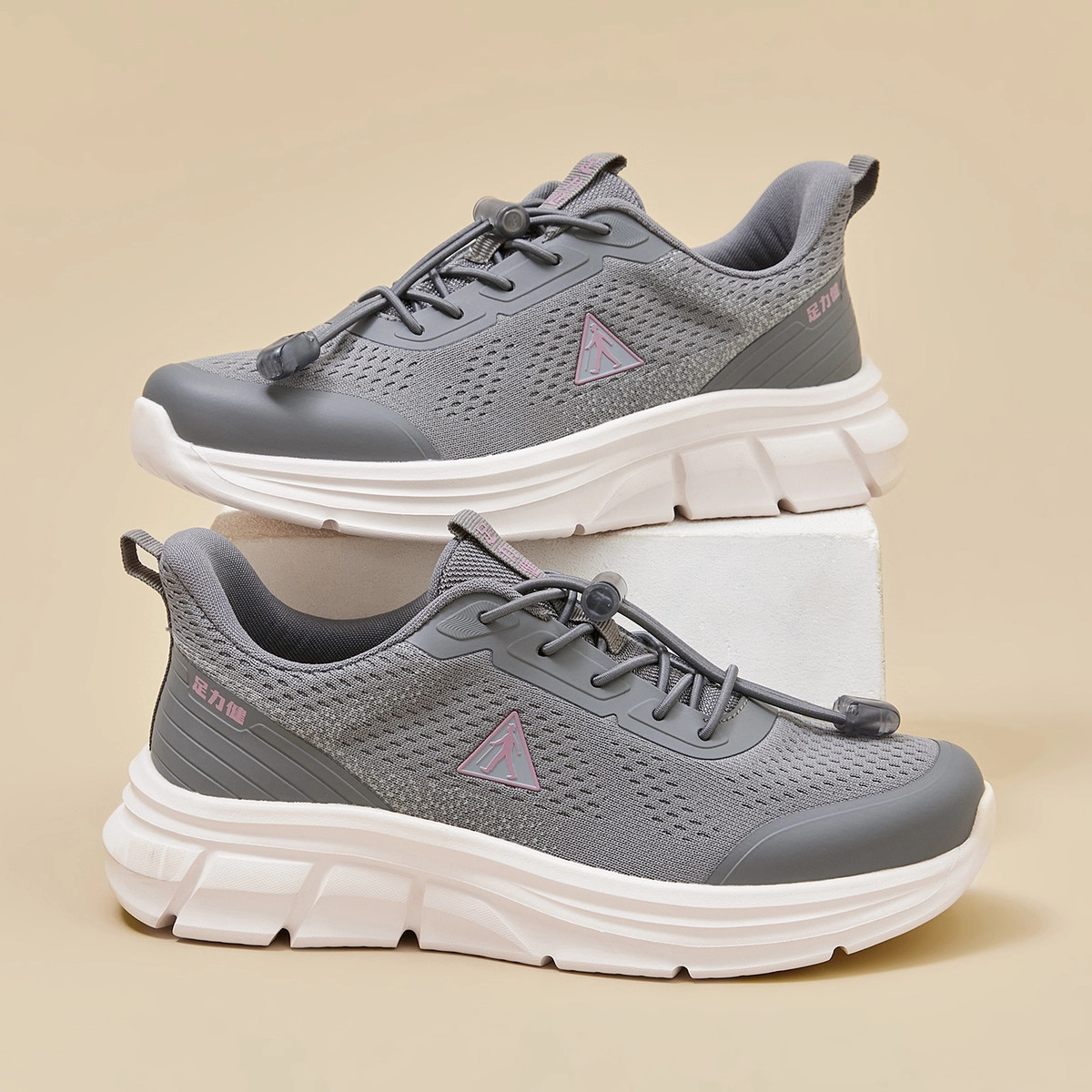
ZULIZ Women's Breathable Lightweight Walking Shoes JM-26289064
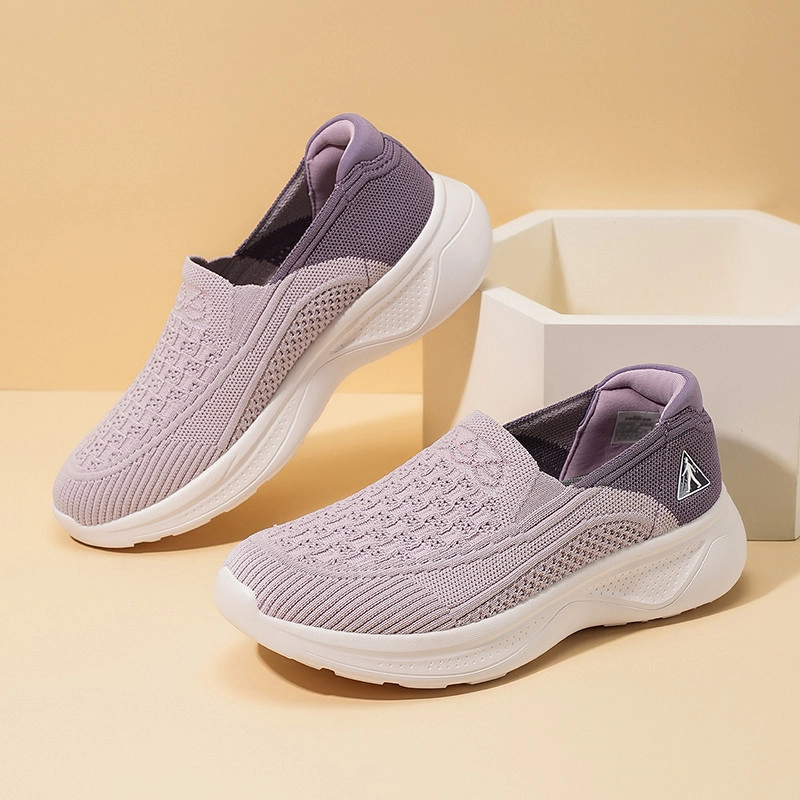
ZULIZ Women's Easy-On Lightweight Loafers 26186045
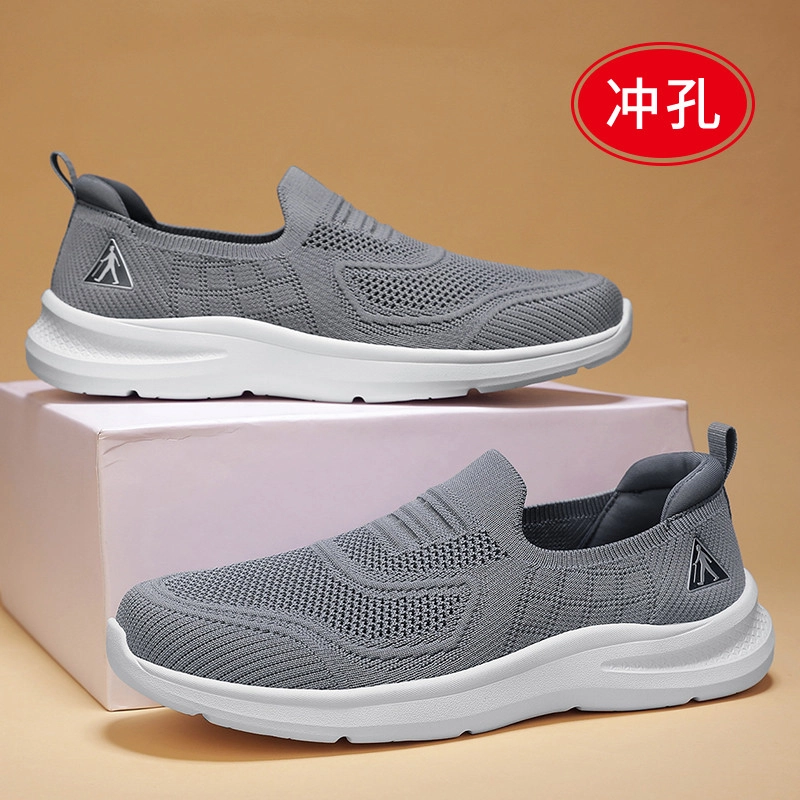
ZULIZ Men's Breathable Easy-On Walking Shoes 2428648K01026
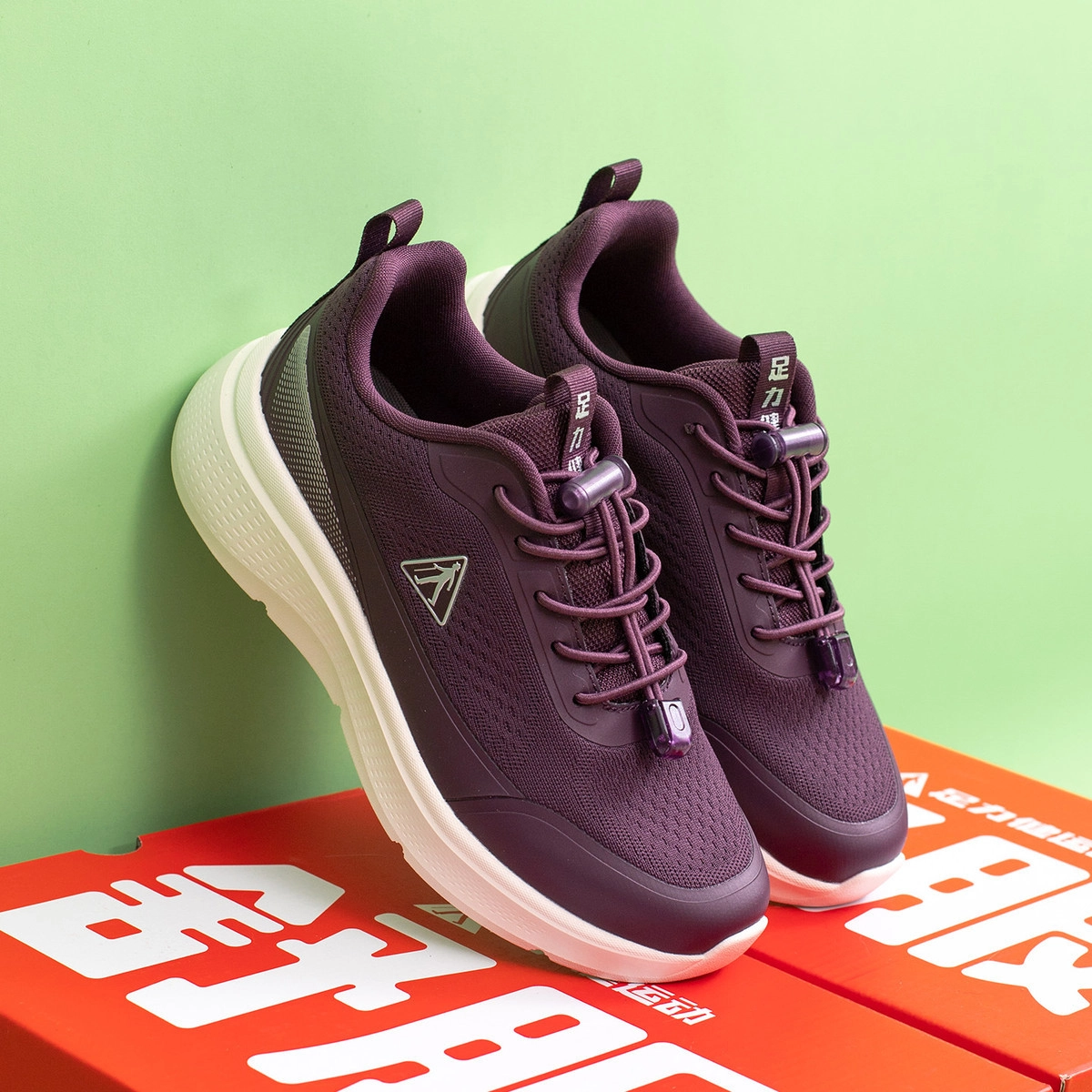
ZULIZ Women's Easy-On Lightweight Walking Shoes JM-26189029
Start Your ZULIZ Partnership Inquiry
Tell us about your market, business type, and cooperation interest. Our team will help you explore suitable senior footwear franchise, wholesale, or distributor opportunities.
Contact us

Ray.pang@zuliz.com

+86 155 1699 6565

5th Floor, Building 2, Courtyard 3, No. 521, Binhui North 1st Street, Tongzhou District, Beijing
Copyright © 2026 ZULIZ. All Rights Reserved. Designed by Gooeyun. Privacy Policy | Terms and Conditions | Sitemap
Facebook
YouTube
Instagram
Twitter