


How to Assess Women's Comfort Footwear Market Opportunities
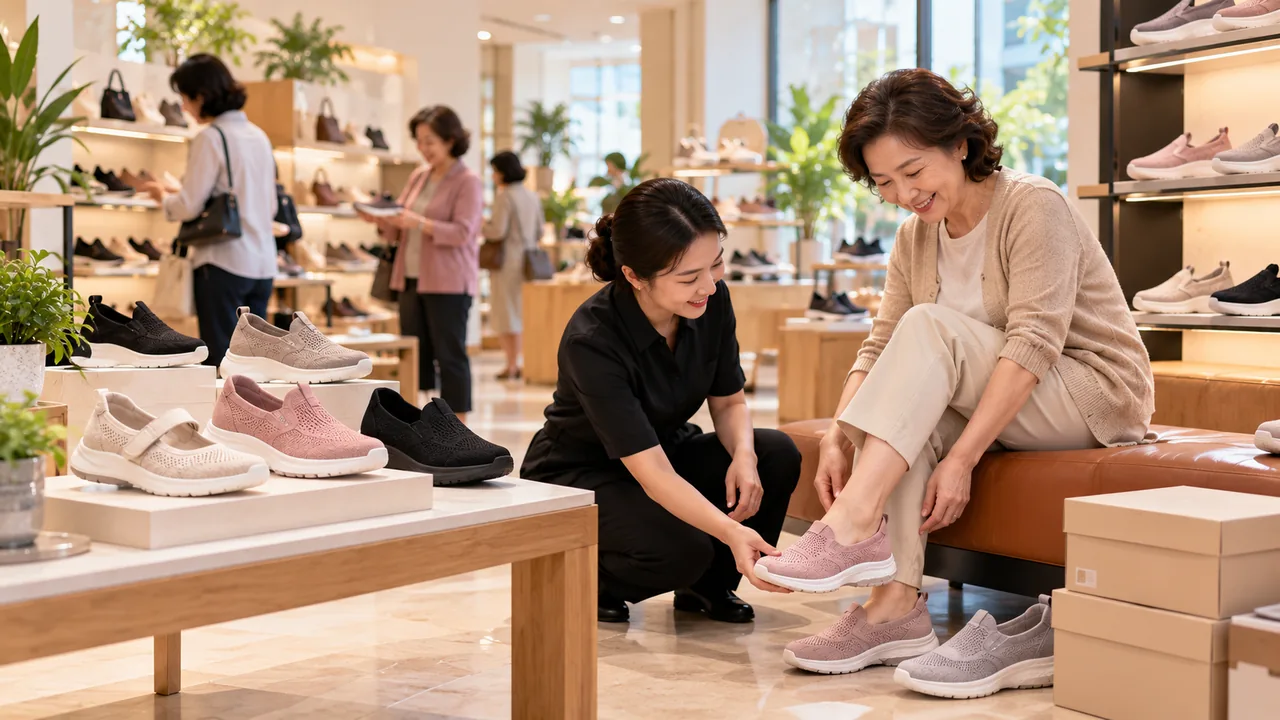
A global planning guide for retailers, wholesalers, and distributors evaluating comfort footwear for older women, with local demand and terminology still to be validated.
- Quick Answer
- Key Takeaways
- 1. How Should Businesses Assess Women's Comfort Footwear Opportunities?
- 2. Which Needs Should Buyers Investigate in Senior Women's Footwear?
- 3. Which Customer Segments Should Footwear Businesses Evaluate?
- 4. How Can Buyers Compare Women's Comfort Footwear Retail Channels?
- 5. How Can Wholesalers and Distributors Evaluate Category Expansion?
- 6. How Should Businesses Assess Regional Market Potential?
- 7. What Market Challenges Should Footwear Businesses Consider Before Expanding?
- 8. How Can Footwear Businesses Identify Long-Term Growth Opportunities with ZULIZ?
- Conclusion
- FAQ
- Discuss Your Women's Comfort Footwear Market Assessment
Quick Answer
Assessing women's comfort footwear opportunities starts with customer needs, local buying behavior, and channel economics. This global planning guide uses ‘mom shoes’ as shorthand for its older-women's comfort footwear topic; it does not establish the phrase as a universal retail category or search term. Retailers, wholesalers, and distributors should validate local category names and buyer language, identify underserved customer groups, and test whether a suitable assortment can support their business. Demographic trends alone do not demonstrate demand or category growth in a particular country.
Key Takeaways
✓ Women's comfort footwear merits investigation where local evidence shows that older women's wearing needs are not fully addressed.
✓ Customer segmentation matters: active older women, convenience-focused shoppers, and family purchasers may respond to different product messages.
✓ Retailers, wholesalers, and distributors can pursue different opportunities depending on their customer access and regional channel networks.
✓ Market potential should be validated through local demand signals, competitive positioning, customer feedback, and realistic channel assessments.
1. How Should Businesses Assess Women's Comfort Footwear Opportunities?
Businesses serving older women can investigate whether existing footwear assortments adequately address daily comfort, convenient fastening, lightweight construction, and preferred styling. These are needs to evaluate through customer conversations, product comparisons, and sales records. A gap between those needs and the local assortment may justify a focused category trial; the existence and size of that gap require evidence from the intended market.
Population aging is one factor that makes this segment worth evaluating, but demographic change alone does not guarantee sales. Businesses also need to consider purchasing power, lifestyle, footwear replacement habits, local retail availability, and customer expectations. In some markets, senior-focused shoes may already be well represented. In others, shoppers may struggle to find products that combine comfort with acceptable styling and everyday versatility.
For retailers and distribution businesses, the commercial appeal comes from the possibility of serving a more specific customer need rather than competing only on general footwear trends. Companies considering a broader category strategy can connect these market observations with building a commercially sustainable mom shoes wholesale business, where market demand, sourcing, and business development decisions come together.
Four Signals of a Potential Market Opportunity
Customers report difficulty finding shoes suitable for their daily routines.
Local stores offer few clearly positioned options for older women.
Retailers already serve shoppers who value comfort and convenience.
Wholesale or retail networks can introduce the category to additional locations.
These signals should be treated as reasons to investigate a market, not as proof of profitability. The most attractive opportunity is one supported by real customer demand and a clear route to reaching those customers.
2. Which Needs Should Buyers Investigate in Senior Women's Footwear?
Demand in the senior women's footwear market is shaped by changes in daily activities, shopping preferences, and expectations of comfort. Older women are not a uniform customer group. Some remain highly active and want footwear for errands, social activities, or travel. Others prioritize convenience when putting shoes on or taking them off. These different needs influence how consumers evaluate footwear and which product benefits attract their attention.
Ease of wearing is an important demand driver because it relates directly to daily convenience. Footwear that requires complicated fastening or repeated adjustment may be less appealing to shoppers who prefer a simpler routine. Lightweight construction and a comfortable fit can also influence purchasing decisions, especially when customers expect to wear the same shoes across several everyday activities.
Styling is another point to investigate. Ask intended customers which designs they would wear for shopping, visits, and other ordinary social settings, and whether existing comfort footwear meets those preferences. Their feedback can guide product selection and presentation; it does not by itself establish a wider market trend.
These demand drivers help explain why a specialized mom shoes category may resonate with certain consumers. They do not mean that every customer wants the same design or that a single product can satisfy an entire market.
3. Which Customer Segments Should Footwear Businesses Evaluate?
Identifying the right customers is more useful than treating all older women as one purchasing segment. A mom shoes retailer may serve several groups with different lifestyles, shopping habits, and reasons for buying. Understanding these differences can help businesses identify where demand is most accessible and which sales messages are likely to be meaningful.
Active older women may seek footwear that feels comfortable during shopping, travel, and regular social activities. Convenience-focused shoppers may place greater emphasis on easy wearing and straightforward closures. Other customers may be attracted to classic casual designs that work with familiar clothing. Family members purchasing footwear as gifts can form another audience, although their purchasing criteria may differ from those of the person who will wear the shoes.
Active Older Women
May value everyday versatility, comfort, and footwear appropriate for outings and social activities.
Convenience-Focused Shoppers
May prioritize easy-on designs, uncomplicated fastening, and dependable everyday wear.
Classic Comfort Buyers
May prefer familiar silhouettes and practical styling over rapidly changing fashion trends.
Family Purchasers
May consider ease of use, appearance, sizing confidence, and gift suitability when buying for relatives.
These groups are not mutually exclusive. An active older customer may also want an easy-on shoe, while a family purchaser may be looking for footwear suitable for daily outings. Businesses should therefore validate customer preferences rather than assigning fixed product needs based on age alone.
A focused customer segmentation approach also makes marketing more relevant. Retail stores can adapt product descriptions and in-store communication, while wholesalers and distributors can identify which downstream retail accounts are most likely to serve each segment.
4. How Can Buyers Compare Women's Comfort Footwear Retail Channels?
Mom shoes retail opportunities differ according to where customers already shop for comfortable footwear. Independent shoe stores may have an advantage when shoppers value personal assistance and the ability to try shoes before purchasing. Comfort footwear specialists can introduce mom shoes as a distinct category within an established customer base. Online retailers, meanwhile, can reach consumers across a wider geographic area but must communicate sizing, fit, and product benefits clearly.
The strongest channel is not necessarily the one with the largest audience. A store with an established group of older customers may have better category relevance than a broad online marketplace with intense price competition. Retailers should consider customer trust, product presentation, buying frequency, and the ability to explain why mom shoes are different from general casual footwear.
For businesses planning a dedicated retail initiative, a more detailed mom shoes retail channel strategy for different customer markets can address channel positioning and customer acquisition in greater depth.
Before expanding into multiple channels, retailers should determine where their target customers already purchase footwear and whether those customers recognize the value of a specialized mom shoes category.
5. How Can Wholesalers and Distributors Evaluate Category Expansion?
For wholesalers and distributors, mom shoes market opportunities extend beyond direct consumer sales. These businesses can help retailers gain access to a specialized comfort footwear category, particularly in markets where smaller stores lack the resources to identify overseas brands or develop dedicated product ranges independently.
A wholesaler with existing footwear customers may introduce mom shoes as an additional category for stores already selling casual or comfort shoes. A regional distributor may identify underserved territories and work with retail partners that have access to older women and their families. In both cases, the commercial opportunity depends on whether downstream retailers can communicate product value and generate genuine customer interest.
Distribution opportunities are also influenced by the type of accounts already served. A business supplying independent footwear stores may need a different market approach from one supplying large retail chains. Rather than assuming that the same category will perform equally well across all accounts, distributors should evaluate customer demographics, store positioning, local competition, and category awareness.
Potential B2B Growth Opportunities
Category Expansion
Offer a new comfort-focused category to existing footwear accounts.
Regional Coverage
Reach markets where specialized senior women's footwear is less visible.
Retail Account Development
Connect with stores serving older women and comfort-oriented shoppers.
Specialist Positioning
Differentiate a footwear portfolio through a more focused customer proposition.
The goal is to identify where a specialized product category can add value to an existing commercial network. Detailed purchasing terms, supplier negotiations, and inventory planning belong in separate wholesale operations guidance rather than this market opportunity analysis.
6. How Should Businesses Assess Regional Market Potential?
Regional demand for mom shoes can vary significantly. A market with a large older population may appear attractive, but population size is only one part of the opportunity. Footwear purchasing behavior, disposable income, climate, local retail structures, consumer familiarity with comfort footwear, and competing product availability can all influence whether the category has meaningful commercial potential.
For example, markets with established comfort footwear retailers may provide accessible distribution channels but also stronger competition. Markets where senior-focused footwear is less developed may offer differentiation opportunities, although businesses may need to invest more effort in explaining the category and building customer awareness. These conditions should be evaluated individually rather than relying on broad regional assumptions.
A practical regional assessment can begin with public demographic information, competitor product listings, local retailer interviews, and customer feedback. These sources provide different types of evidence and should be considered together. A market may have favorable demographics but limited retail access, or strong channel access but intense competition.
For this reason, businesses should avoid treating any country or region as a guaranteed high-growth market without current supporting data. Regional opportunity is best understood as a combination of demand, accessibility, competition, and customer willingness to purchase.
7. What Market Challenges Should Footwear Businesses Consider Before Expanding?
Although mom shoes can represent a promising commercial category, several market challenges deserve attention. One is category recognition. Customers may not use the term "mom shoes" when searching for footwear, even when they are interested in the comfort and convenience benefits associated with these products. In some markets, descriptions such as women's comfort shoes or easy-on casual shoes may be more familiar.
Another challenge is balancing functional positioning with attractive styling. If products are marketed only through age-related language, businesses may unintentionally narrow their audience or discourage shoppers who do not identify with a senior-specific label. More effective positioning often connects product benefits with everyday activities and personal preferences.
Competition from general comfort footwear brands also matters. Retailers and distributors need a clear explanation of what makes a mom shoes collection relevant to their customers. Without meaningful differentiation, the category may become another price-sensitive footwear offering rather than a recognizable commercial opportunity.
Category Awareness
Customers may recognize comfort benefits without recognizing the term mom shoes.
Competitive Differentiation
General casual and comfort footwear can compete for the same customers.
Regional Preferences
Fit expectations, preferred designs, and buying habits may differ between markets.
Demand Validation
Demographic potential does not automatically translate into retail purchases.
These challenges do not necessarily reduce the attractiveness of the category. Instead, they highlight the importance of market-specific positioning and evidence-based decision-making. Businesses that understand how local customers describe, compare, and purchase comfort footwear will be better equipped to identify realistic opportunities.
8. How Can Footwear Businesses Identify Long-Term Growth Opportunities with ZULIZ?
Once a business has identified a promising customer segment and market channel, the next question is whether a specialized footwear brand can support that opportunity. ZULIZ is a professional comfort footwear brand guided by ‘Comfort Footwear for Everyday Life.’ It develops footwear around everyday comfort and fit needs across ages. For businesses considering the mom shoes segment, this provides a relevant product direction to evaluate against local customer preferences.
Retailers may be interested in introducing a focused collection for older women, while wholesalers and distributors may be assessing whether the category complements their existing commercial networks. These are different opportunities and should be evaluated according to each business's market access, customer relationships, and long-term objectives.
The ZULIZ mom shoes collection for everyday senior women's comfort provides a starting point for understanding the product category and considering how its positioning might fit different retail and distribution markets.
Connecting Market Opportunity with Business Potential
Customer Relevance
Determine which local customer groups may benefit from the product category.
Market Positioning
Assess whether the collection offers a meaningful distinction from existing footwear.
Channel Compatibility
Consider whether existing retail or distribution accounts can reach the intended audience.
Long-Term Fit
Evaluate how a specialized comfort footwear category supports broader business goals.
For qualified businesses, a discussion with ZULIZ can help clarify available product information and cooperation possibilities. The most productive starting point is a clear understanding of the target market, intended customer group, and existing sales channels, rather than assuming that the same opportunity applies to every retailer or distributor.
Conclusion
Assessing this category means testing the needs of older women, the availability of suitable comfort footwear, and the ability of a business to reach its intended customers. Retailers can evaluate opportunities through local customer relationships and retail positioning, while wholesalers and distributors can consider category expansion and regional market coverage. However, successful market entry depends on more than demographic trends. Customer segmentation, channel suitability, competitive differentiation, and regional demand validation all influence commercial potential. For footwear businesses interested in senior women's comfort footwear, ZULIZ offers a relevant product category and potential partnership direction to evaluate against their individual market requirements.
FAQ
Is the mom shoes market suitable for new footwear retailers?
It may be suitable for retailers with access to older women or comfort-oriented footwear customers. The opportunity depends on local demand, competition, customer expectations, and the retailer's ability to communicate the category's benefits.
What factors influence demand for mom shoes in different markets?
Important factors include customer demographics, purchasing power, local footwear preferences, climate, comfort expectations, existing competition, and the availability of suitable retail channels.
Can distributors add mom shoes to an existing footwear portfolio?
Yes, distributors may consider mom shoes as an additional comfort footwear category if their retail accounts serve relevant customers. The decision should be based on channel compatibility, product positioning, local demand, and commercial feasibility.
Discuss Your Women's Comfort Footwear Market Assessment
Whether you are a footwear retailer, wholesaler, or regional distributor, ZULIZ can help you discuss the potential of senior women's comfort footwear in your market. Share your target customers, sales channels, and business goals to learn more about suitable product and cooperation options.
Discuss Your Market Opportunity
Brazil's Comfort Footwear Market: Filling Gaps Beside Orthopedic Lines
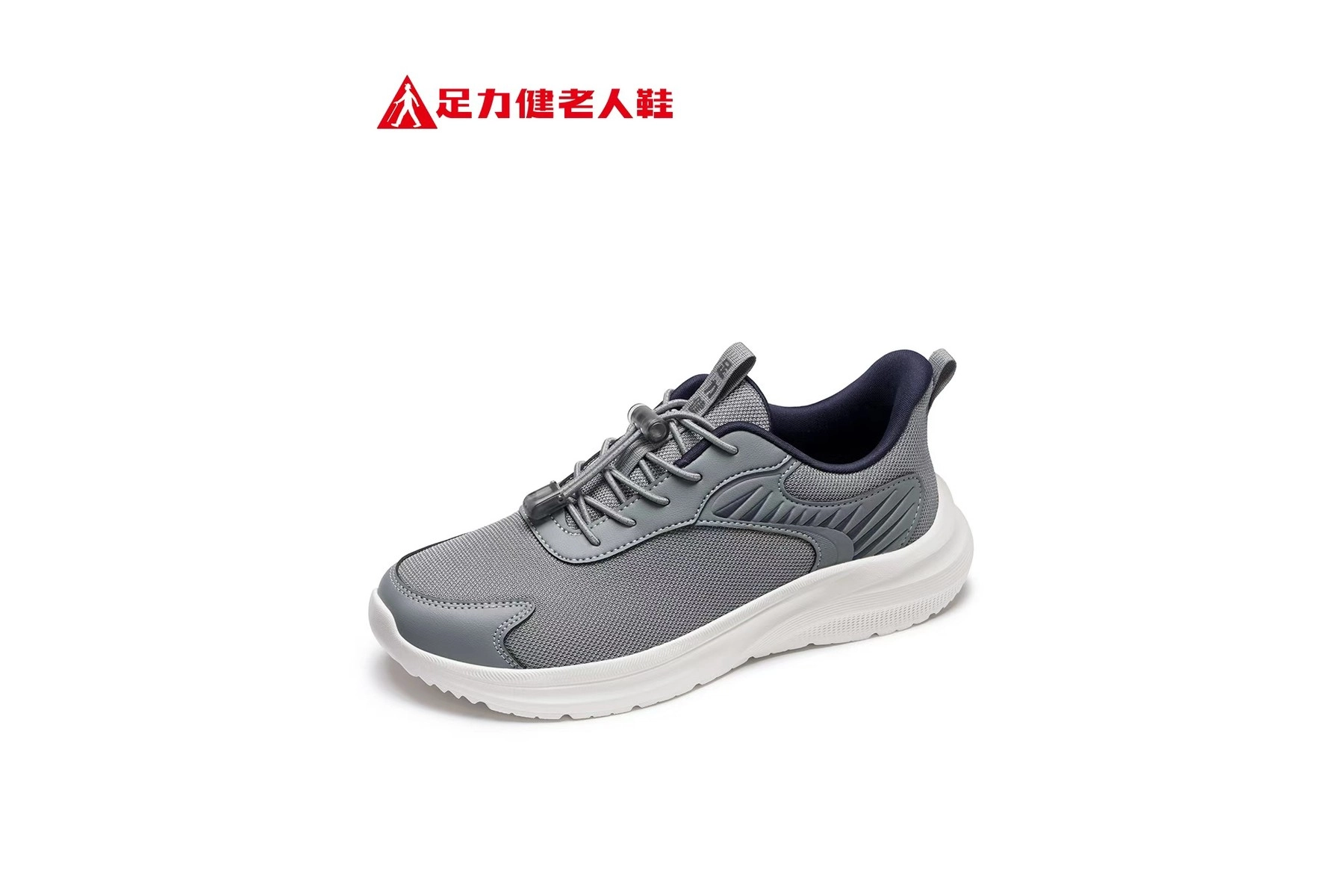
India's Comfort Footwear Market: Wide Fits and Regional Assortments
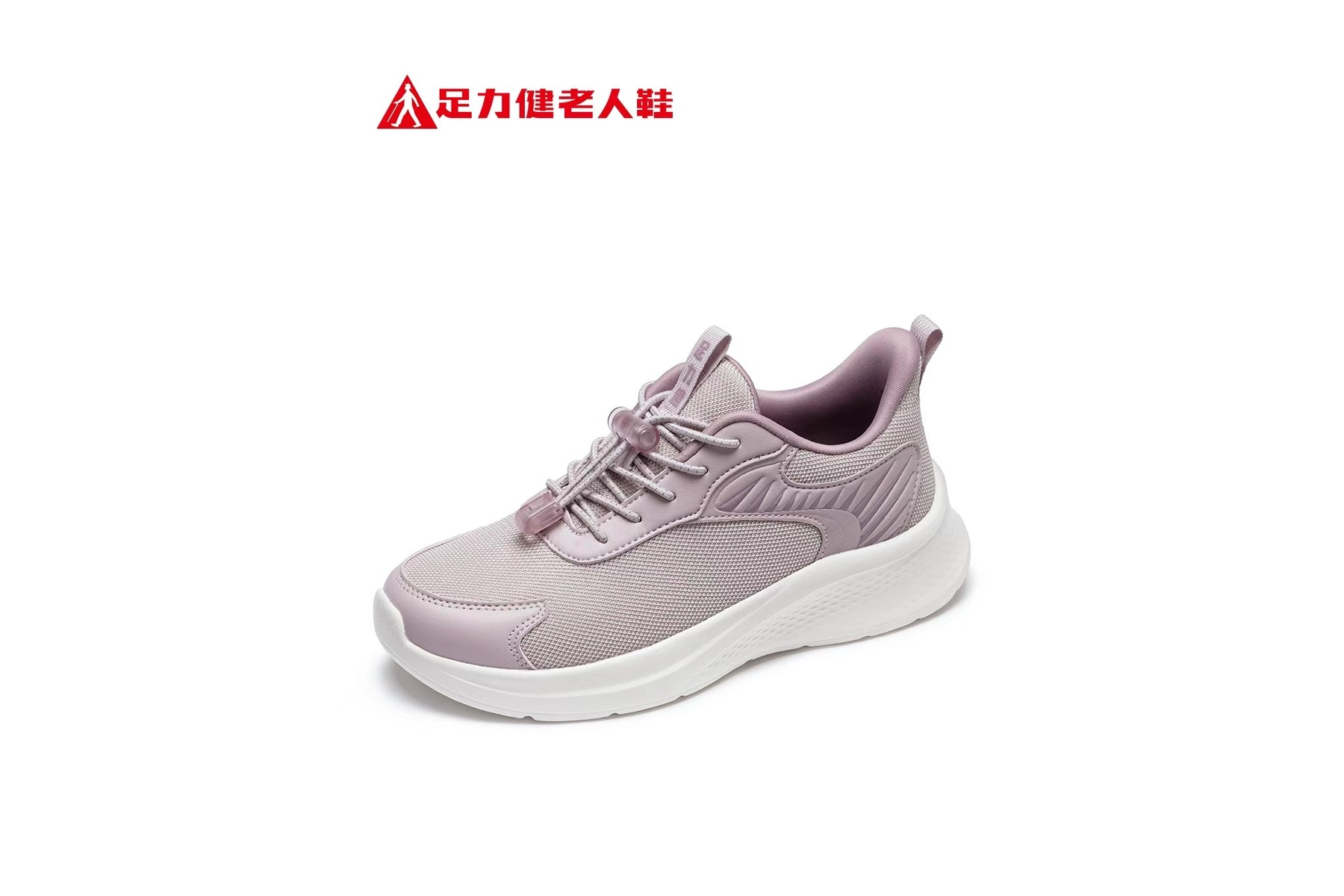
The U.S. Comfort Footwear Market: Importers and Wide-Fit Wholesalers
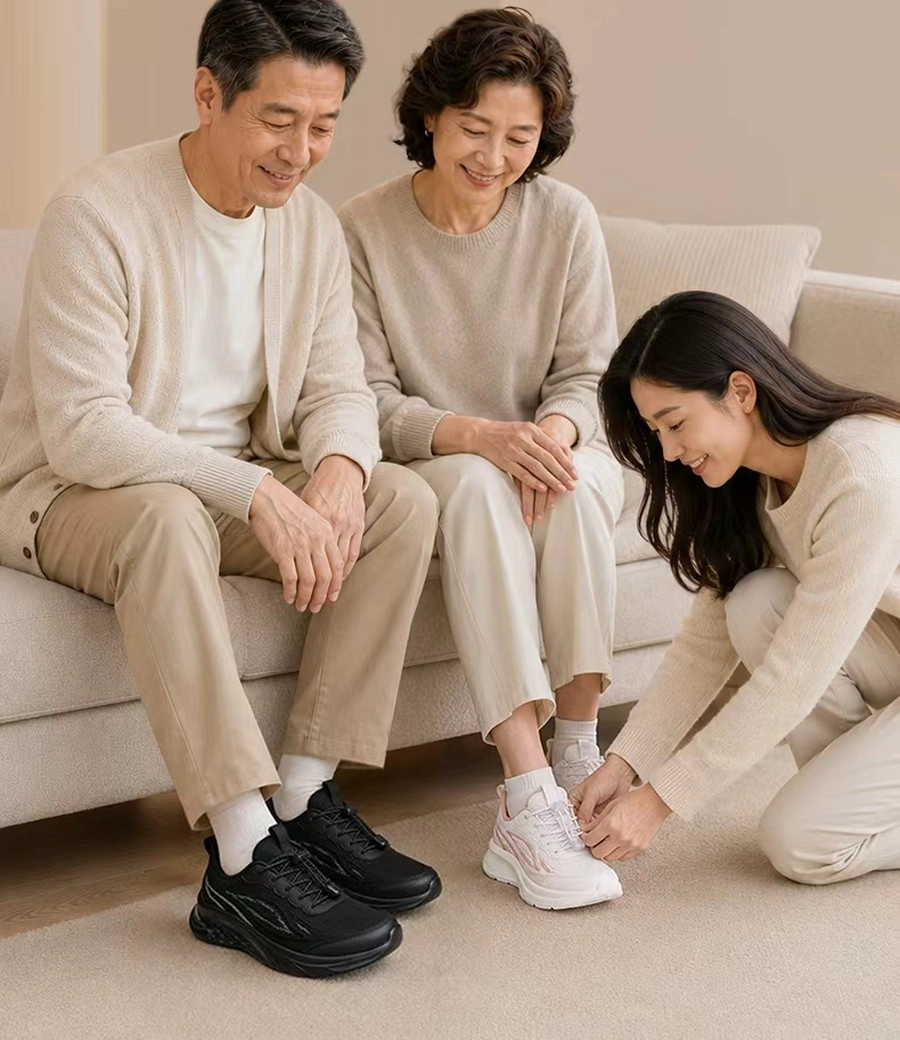
Store Conversion in Comfort Footwear: Rethinking the Fit Wall
You May Also Like
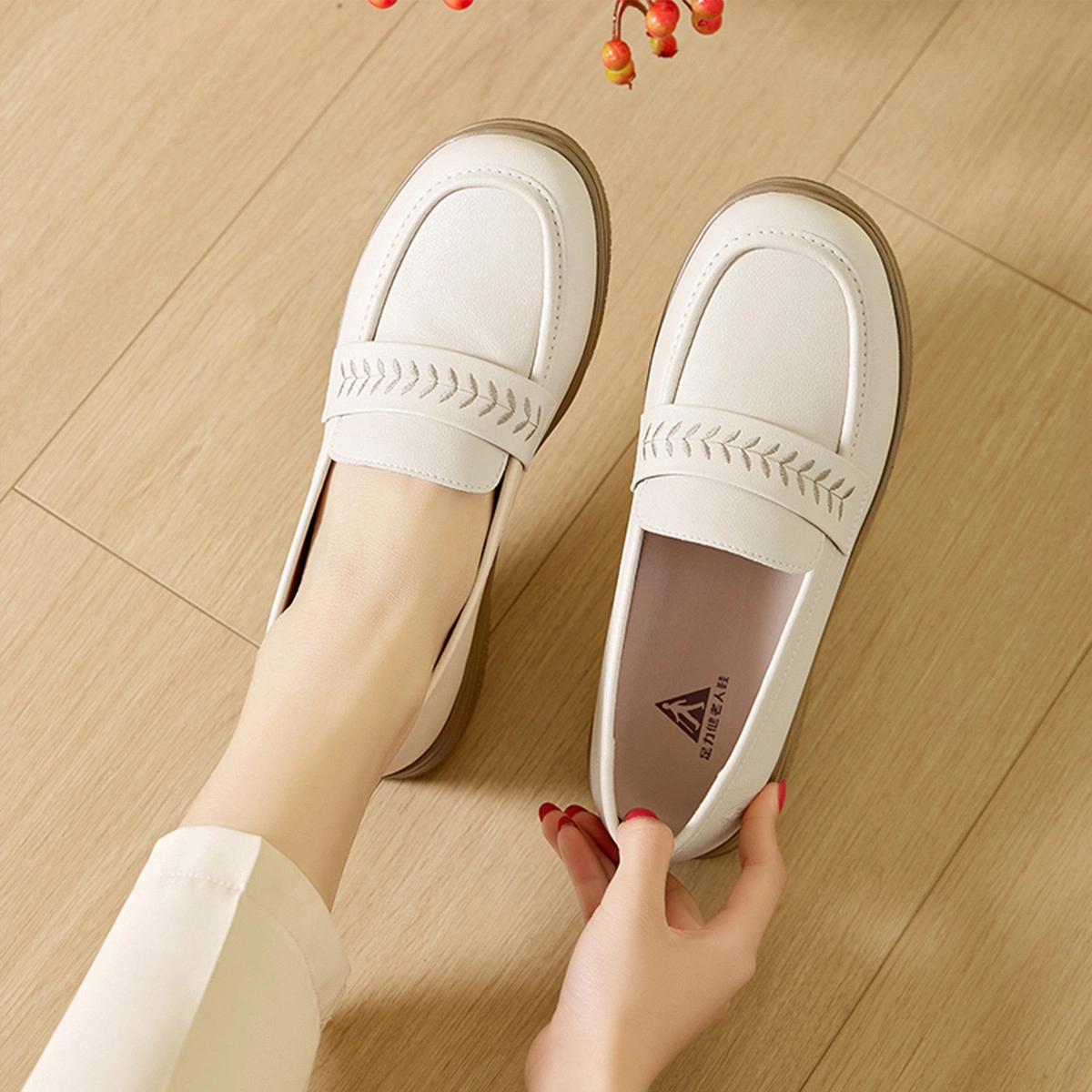
ZULIZ Women's Lightweight Casual Slip-On Shoes 26128010
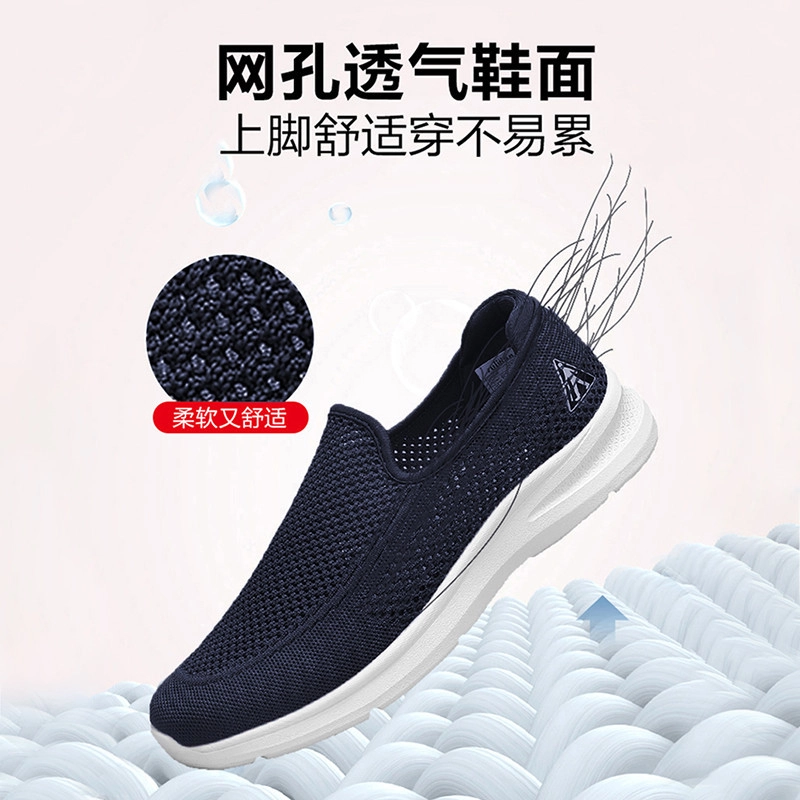
ZULIZ Men's Easy-On Lightweight Walking Shoes 2428653K01024
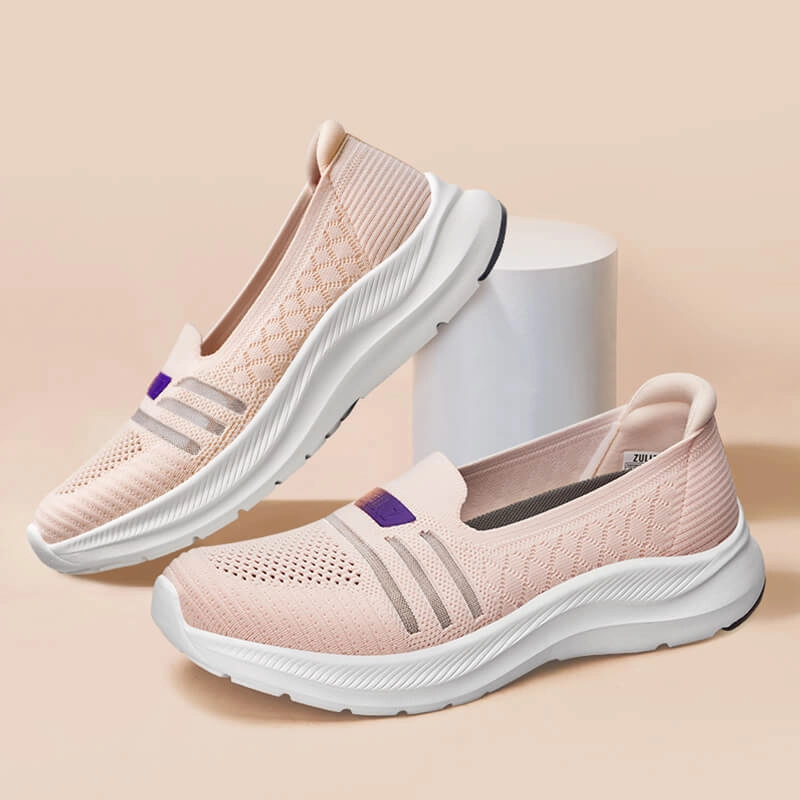
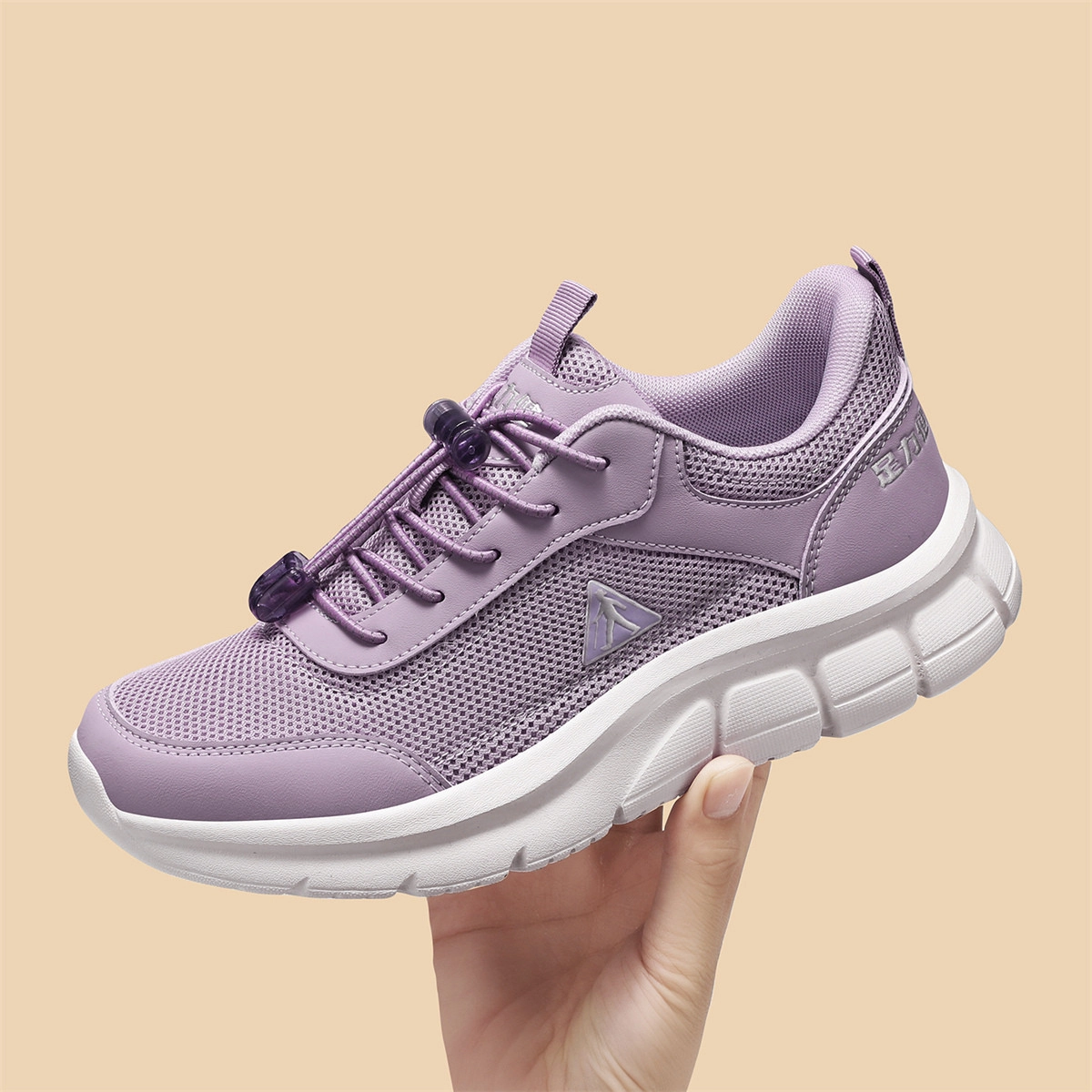
ZULIZ Unisex Breathable Lightweight Walking Shoes 26113049
Start Your ZULIZ Partnership Inquiry
Choose your partnership type and enter your email to request ZULIZ distribution terms and brand support.
Contact us

Ray.pang@zuliz.com

+86 155 1699 6565

5th Floor, Building 2, Courtyard 3, No. 521, Binhui North 1st Street, Tongzhou District, Beijing
Copyright © 2026 ZULIZ. All Rights Reserved. Designed by Gooeyun. Privacy Policy | Terms and Conditions | Sitemap
Facebook
YouTube
Instagram
Twitter