


Senior Footwear Brand Partnership: What B2B Buyers Should Consider for Long-Term Growth-ZULIZ

Senior Footwear buyers can assess a Senior Footwear Brand partnership by looking beyond price to fit consistency, product quality, supply reliability, and margins. Learn which questions to ask before choosing a partner built for steady, long-term growth.
- Quick Answer
- Key Takeaways
- 1. What Makes a Senior Footwear Brand Partnership Suitable for Long-Term Growth?
- 2. Can the Brand Support Consistent Product Availability as Business Grows?
- 3. How Does Product Development Affect a Long-Term Footwear Partnership?
- 4. What Kind of Market Support Should B2B Buyers Expect From a Footwear Brand?
- 5. How Important Is Communication and Problem-Solving in Long-Term Brand Partnerships?
- 6. Can the Partnership Adapt as Wholesale and Distribution Needs Change?
- 7. What Should B2B Buyers Confirm Before Building a Long-Term Footwear Partnership?
- 8. From Initial Orders to Long-Term Senior Footwear Partnership
- Evaluating ZULIZ as a Senior Footwear Brand Partner
- Long-Term Senior Footwear Partnership Checklist
- Conclusion
- FAQ
- Build a Long-Term Senior Footwear Partnership
Quick Answer
A long-term senior footwear brand partnership requires more than reliable product delivery. B2B buyers should consider whether a brand can support consistent product availability, ongoing product development, market support, clear communication, and scalable wholesale or distribution operations. The goal is to build a commercial relationship that can develop from initial orders into repeat purchasing, broader assortment coverage, and sustainable business growth. For retailers, wholesalers, and distributors, the most useful question is not simply whether a brand has suitable products, but whether its capabilities can continue to support the business as purchasing needs and market opportunities change.
Key Takeaways
Long-term brand partnerships require more than a successful first order; they depend on repeatable commercial and operational capabilities.
Consistent product availability and replenishment become increasingly important as wholesale and distribution volumes grow.
Product information, market resources, communication, and problem-solving can influence how efficiently a senior footwear category develops.
The right partnership should be able to adapt as product demand, purchasing volume, sales channels, and distribution coverage expand.
1. What Makes a Senior Footwear Brand Partnership Suitable for Long-Term Growth?
A long-term senior footwear brand partnership is different from a simple supplier transaction. A first order can confirm whether products meet basic expectations, but long-term cooperation depends on what happens after that order. As sales develop, B2B buyers may need repeat supply, additional product categories, new seasonal options, market support, and faster communication around purchasing decisions.
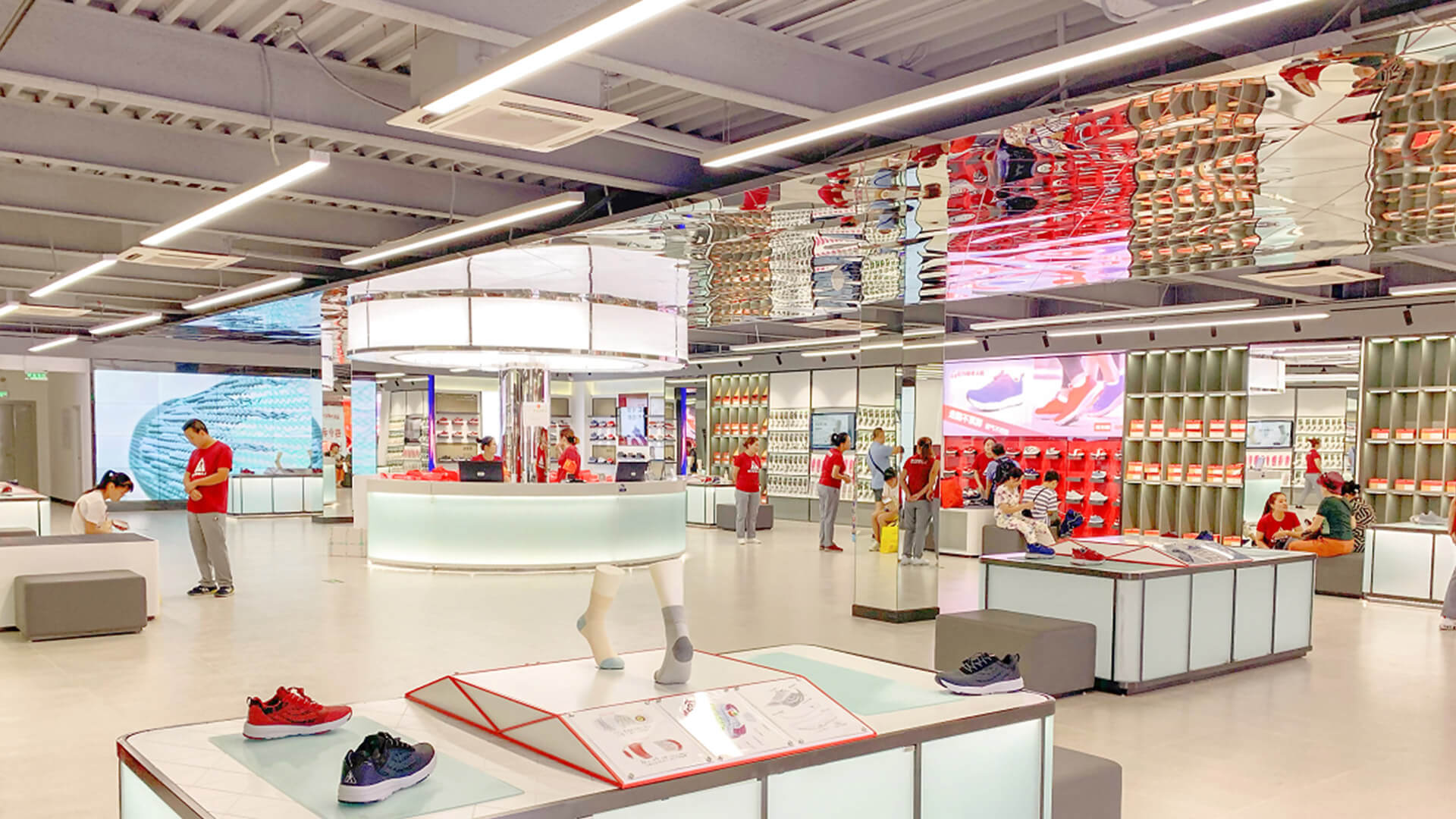
For retailers, wholesalers, and distributors, a useful partnership should therefore connect product capability with operational consistency. The brand needs to provide a proposition that can be understood by the sales channel, supplied at the required scale, and adjusted as customer demand becomes clearer.
A Long-Term Partnership Usually Connects Five Areas
This broader perspective is also why B2B buyers should distinguish partnership evaluation from simply choosing a senior footwear brand for wholesale and distribution. Brand selection determines whether a business relationship is worth exploring; partnership evaluation focuses on whether that relationship can continue creating value after cooperation begins.
2. Can the Brand Support Consistent Product Availability as Business Grows?
Consistent availability becomes more important once a senior footwear category moves beyond its initial launch. A retailer may begin with a focused selection, while a distributor may gradually supply several downstream accounts. If products that perform well cannot be replenished efficiently, growth can become difficult even when customer demand is strong.
B2B buyers should therefore look beyond the availability of products at the time of the first quotation. Useful questions include whether core styles can be reordered, how production planning is handled, whether popular sizes and colors can be maintained, and how the supplier communicates when supply conditions change.
Repeat Availability
Check whether successful core styles can remain available for repeat purchasing.
Replenishment
Understand how buyers can reorder products as actual demand becomes clearer.
Supply Capacity
Consider whether supply resources can support increased purchasing volume.
This is different from evaluating MOQ or wholesale pricing alone. Commercial terms determine whether an order is workable at the purchasing stage; supply continuity determines whether the buyer can maintain the category once products begin selling repeatedly.
3. How Does Product Development Affect a Long-Term Footwear Partnership?
A senior footwear category can change as customer preferences, seasonal demand, and sales channels develop. A brand that can only provide the same initial assortment may be sufficient for a small test but less useful when a buyer wants to expand the category over time.
Senior footwear product development can involve new styles, functional improvements, updated materials, seasonal products, and adjustments based on customer feedback. For B2B buyers, the important point is not simply how many new products a brand launches, but whether product development remains connected to recognizable customer and market needs.
What Product Development Can Contribute to a Long-Term Partnership
Helps keep the category relevant as customer preferences change.
Allows products to address evolving comfort and usability requirements.
Provides opportunities to adjust the assortment across different periods of demand.
Creates a pathway for market feedback to influence future product decisions.
For a long-term partnership, product development should therefore be considered as an ongoing capability rather than a one-time launch activity. It can help B2B buyers expand the category without having to restart the sourcing process every time a new product requirement appears.
4. What Kind of Market Support Should B2B Buyers Expect From a Footwear Brand?
Product availability alone does not determine how successfully a senior footwear category can be introduced. Retailers and distributors may also need clear product information, sales materials, product training, presentation guidance, and ongoing communication to explain the category effectively.
The level of support needed depends on the sales model. A retailer may need practical product information for sales staff, while a distributor serving several accounts may need broader product documentation and communication resources that can be shared across downstream customers.
Information
Product features, use cases, fit information, and key selling points.
Training & Materials
Resources that help sales teams and retail partners communicate product value.
Ongoing Support
Communication around products, purchasing needs, market feedback, and category development.
The useful question is not whether a brand offers the largest possible support package. Instead, B2B buyers should determine whether the available footwear brand support matches the practical needs of the intended retail or distribution channel.
5. How Important Is Communication and Problem-Solving in Long-Term Brand Partnerships?
As purchasing becomes more frequent, communication becomes part of the operating system of a B2B footwear partnership. Buyers may need to discuss order changes, product availability, replenishment requirements, quality questions, delivery issues, customer feedback, and future product needs.
A long-term relationship therefore benefits from clear communication channels and practical problem-solving. The objective is not to expect every order or product to be completely free of issues, but to understand how efficiently questions and unexpected situations can be identified, communicated, and resolved.
For this reason, B2B buyers should evaluate communication quality during the sourcing process itself. Response clarity, product knowledge, follow-up, and the ability to address practical questions can provide useful indications of how future cooperation may operate.
6. Can the Partnership Adapt as Wholesale and Distribution Needs Change?
A business relationship that works for a small initial order may need to operate differently when the buyer expands into more stores, additional wholesale accounts, online channels, or regional distribution. Partnership scalability refers to whether the cooperation can adapt as these requirements change.
Scalability does not necessarily mean increasing order volume immediately. It can also mean expanding the product mix, adding new customer segments, adjusting purchasing patterns, or developing additional sales channels once the original product-market relationship has been validated.
Pilot
Validate a focused assortment.
Repeat
Identify products with repeat demand.
Expand
Broaden assortment or channel coverage.
Scale
Develop broader wholesale or distribution activity.
The commercial requirements can also change at each stage. A retailer testing a new category may prioritize manageable purchasing exposure, while a distributor serving multiple accounts may place greater emphasis on product continuity, supply planning, and broader assortment development.
7. What Should B2B Buyers Confirm Before Building a Long-Term Footwear Partnership?
Before moving from product sourcing into a longer-term cooperation model, B2B buyers should confirm whether the practical conditions of the relationship are understood. This stage is less about creating another general brand ranking and more about identifying the specific requirements that need to be agreed before repeat purchasing begins.
Buyers can also use an existing seven-point footwear brand evaluation checklist when they need a more structured pre-purchase assessment. For the partnership stage, however, the focus should move toward continuity, communication, support, and future cooperation.
Product Continuity
Are the products expected to remain available as demand develops?
Product Development
Can future assortment needs be addressed through ongoing product development?
Communication
Are purchasing, product, and market questions handled through clear communication?
Market Support
Does the available support match the buyer's retail or distribution model?
Supply Planning
Can replenishment and purchasing requirements be discussed as the business develops?
Growth Potential
Can the relationship support additional products, customers, or distribution coverage?
8. From Initial Orders to Long-Term Senior Footwear Partnership
A long-term senior footwear wholesale or distribution relationship normally develops through stages rather than being established by a single order. The initial purchase provides an opportunity to validate products, customer response, purchasing conditions, and operational communication.
Once the initial results are understood, buyers can make more informed decisions about repeat orders, assortment expansion, additional channels, and broader market development. This staged approach can reduce unnecessary inventory exposure while creating practical evidence for future purchasing decisions.
Test
Start with products that directly match the intended customer and sales channel.
Measure
Review customer feedback, sell-through, returns, price acceptance, and replenishment.
Expand
Add products or sales channels when the initial results support further development.
Develop
Build a broader wholesale or distribution relationship around proven demand and supply capability.
This approach also gives both sides clearer information about which products, customer segments, and sales channels deserve additional attention. In practice, a sustainable footwear business partnership is built through repeated evidence, communication, and coordinated development rather than through the first purchase alone.
Evaluating ZULIZ as a Senior Footwear Brand Partner
ZULIZ focuses on senior comfort footwear and presents its product proposition around senior-focused comfort, easy wearing, walking stability, fit, and everyday mobility. For B2B buyers, these capabilities can be evaluated alongside product assortment, manufacturing resources, retail experience, supply requirements, and the intended wholesale or distribution model.
The relevant question for a potential partner is whether these capabilities match the requirements of the intended market and business model. Buyers can examine the actual ZULIZ senior footwear product range when assessing product categories, customer needs, and potential assortment opportunities.
A defined senior footwear product proposition.
Product development and assortment capabilities.
Resources relevant to wholesale and distribution cooperation.
Long-Term Senior Footwear Partnership Checklist
Before expanding from an initial order into broader wholesale or distribution cooperation, B2B buyers can use the following checklist to review the relationship from a long-term perspective.
Can core products be replenished as demand develops?
Can the assortment evolve with market requirements?
Are useful sales and product resources available?
Can purchasing and product issues be handled clearly?
Can supply requirements adapt to repeat demand?
Can the relationship support additional sales channels?
Can assumptions be validated through actual orders and feedback?
Can cooperation expand as the business grows?
Conclusion
A successful senior footwear brand partnership should be evaluated beyond the first order. For B2B buyers, long-term cooperation depends on consistent product availability, ongoing product development, relevant market support, clear communication, practical problem-solving, and the ability to adapt as wholesale or distribution requirements change. The most useful approach is to begin with a focused product selection, validate customer response and operational performance, and then expand the relationship when the evidence supports further growth. This allows retailers, wholesalers, and distributors to build a more structured path from initial sourcing to repeat purchasing and broader category development.
FAQ
What makes a senior footwear brand suitable for long-term B2B partnership?
Long-term suitability depends on product continuity, product development, supply capability, communication, market support, and the ability to adapt as wholesale or distribution requirements change.
Why is replenishment important for senior footwear wholesalers?
Successful products may generate repeat demand. Reliable replenishment helps retailers and distributors maintain core styles and reduce the risk of losing sales because popular products cannot be reordered.
What support can a senior footwear brand provide to B2B buyers?
Depending on the partnership model, support can include product information, training resources, marketing materials, retail presentation guidance, supply coordination, and ongoing product or business communication.
How can B2B buyers test a footwear brand before scaling?
Buyers can begin with a focused assortment, then evaluate customer response, sell-through, returns, price acceptance, replenishment, and operational communication before expanding products or distribution coverage.
Can a senior footwear partnership expand as wholesale demand grows?
It can, provided the brand has sufficient product, supply, communication, and support capabilities to accommodate broader assortment requirements, repeat purchasing, additional accounts, or wider distribution.
Build a Long-Term Senior Footwear Partnership
Whether you are developing a senior footwear category, expanding wholesale purchasing, or building a distribution business, ZULIZ can discuss product requirements, market needs, and potential B2B cooperation.
Explore ZULIZ Senior Footwear Discuss Business RequirementsWhy US Retail Buyers Should Prioritize ZULIZ for Older-Adult Comfort Footwear
How to Choose the Right Mom Shoes for Retailers, Wholesalers, and Distributors-ZULIZ
Mom Shoes Wholesale: How to Build a Profitable Senior Women's Footwear Business with ZULIZ
Mom Shoes Market Opportunities: A Growth Guide for Footwear Retailers, Wholesalers, and Distributors
You May Also Like
ZULIZ Women's Easy-On Lightweight Walking Shoes 26113031
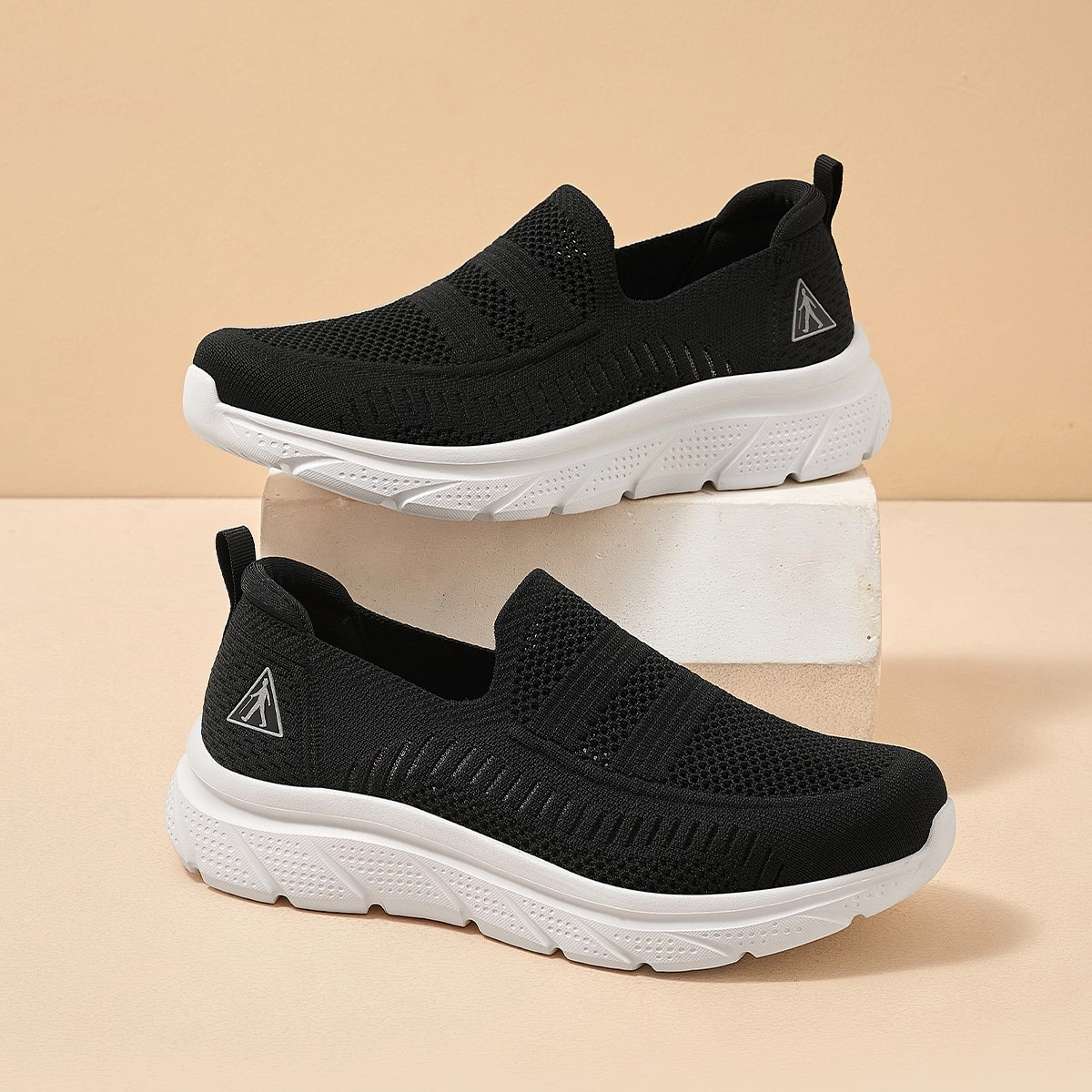
ZULIZ Women's Breathable Easy-On Casual Slip-On Shoes JM-26289125
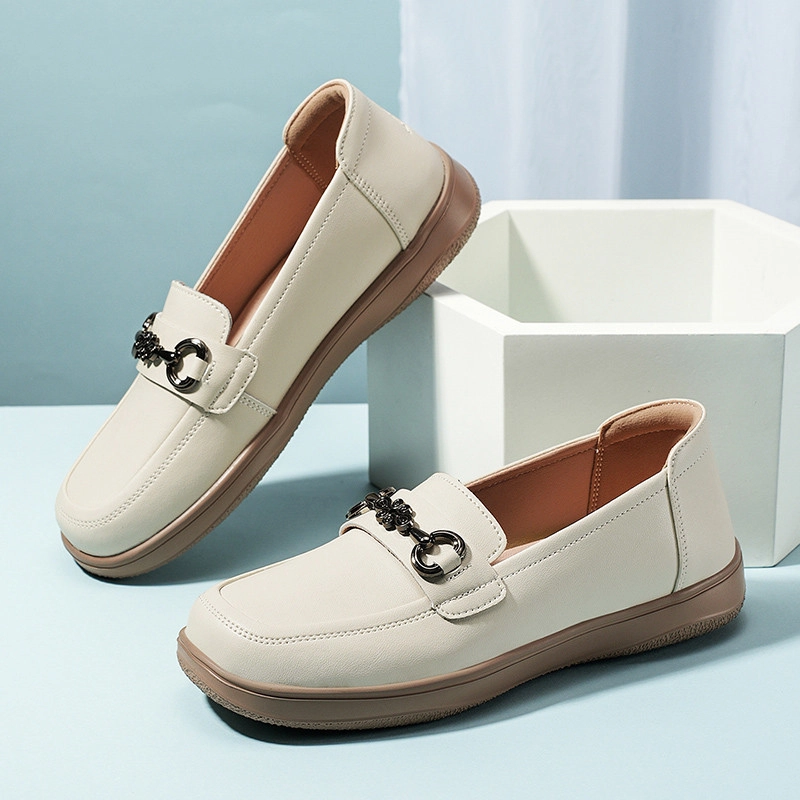
ZULIZ Women's Easy-On Mary Jane Shoes 25086151
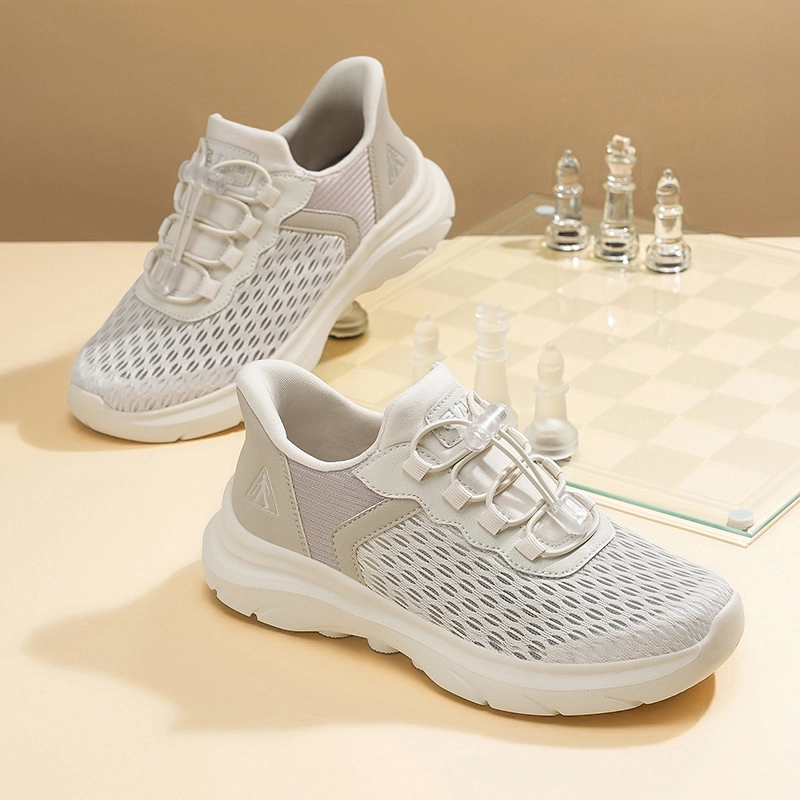
ZULIZ Unisex Lightweight Walking Shoes 26186145
Start Your ZULIZ Partnership Inquiry
Tell us about your market, business type, and cooperation interest. Our team will help you explore suitable senior footwear franchise, wholesale, or distributor opportunities.
Contact us

Ray.pang@zuliz.com

+86 155 1699 6565

5th Floor, Building 2, Courtyard 3, No. 521, Binhui North 1st Street, Tongzhou District, Beijing
Copyright © 2026 ZULIZ. All Rights Reserved. Designed by Gooeyun. Privacy Policy | Terms and Conditions | Sitemap
Facebook
YouTube
Instagram
Twitter