


Senior Footwear Features: What B2B Buyers Should Look For in a Good Senior Shoe
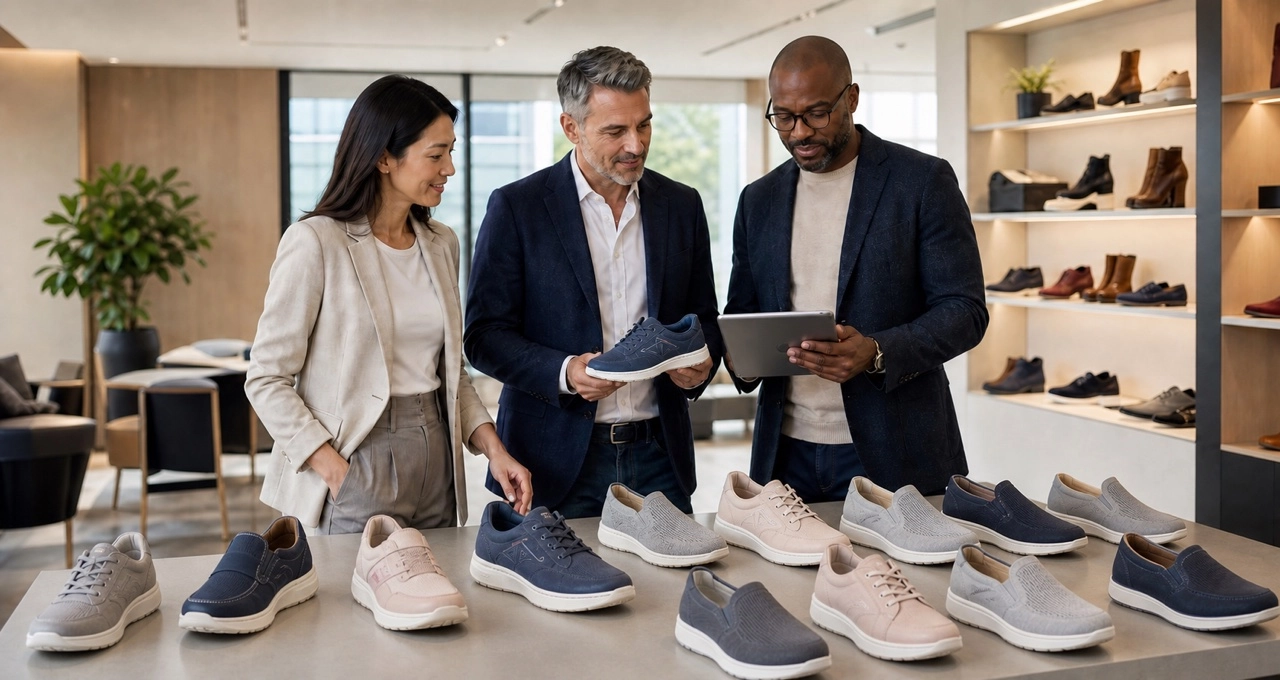
Senior Footwear demands precise features for comfort, safety, and durability. ZULIZ outlines key Senior Footwear Features B2B buyers must evaluate to select shoes that meet senior needs while optimizing supplier partnerships and product reliability.
- Quick Answer
- Key Takeaways
- 1. What Should B2B Buyers Look for in Senior Footwear?
- 2. Easy-Wearing Features That Make Senior Shoes Easier to Use
- 3. Comfort and Cushioning: Which Senior Shoe Features Should Buyers Evaluate?
- 4. Fit and Foot Shape: Evaluating Senior Shoes for Different Customers
- 5. Stability, Traction and Sole Design for Everyday Use
- 6. Materials, Weight and Breathability: Features That Affect Product Positioning
- 7. How to Evaluate Senior Footwear Features for Your Market
- 8. From Product Features to a B2B Senior Footwear Buying Decision
- Sample Evaluation Before a Larger Order
- Conclusion
- FAQ
- Ready to Build Your Senior Footwear Business?
Quick Answer
A good senior shoe for B2B buyers should be evaluated by more than appearance or unit price. The most useful senior footwear features include easy wearing, comfortable cushioning, suitable fit, stability, traction, lightweight construction, breathable materials, and practical use-case suitability. For commercial buyers, the key is to connect each feature with a specific customer group, usage scenario, price position, and role within the product range. A shoe can have strong individual features but still be a poor commercial fit if it does not match the needs of the market you serve. A structured product evaluation helps retailers, wholesalers, and distributors select senior footwear with clearer purchasing criteria and lower assortment risk.
Key Takeaways
• Evaluate senior footwear features together with your target customers and usage scenarios.
• Prioritize easy wearing, comfort, fit, stability, and practical everyday usability.
• Check materials, weight, breathability, and construction as part of product positioning.
• Use samples and a consistent buying checklist before committing to larger commercial orders.
1. What Should B2B Buyers Look for in Senior Footwear?
For B2B buyers, evaluating a senior shoe starts with a different question from the one a consumer might ask. Instead of simply asking whether a shoe feels comfortable, buyers need to determine whether its features solve a clear customer need and whether those features make commercial sense for the market. This means looking at construction, fit, wearing convenience, stability, materials, weight, and intended use together. The most useful senior footwear features are the ones that can be translated into a clear product proposition that sales teams can explain and customers can understand.
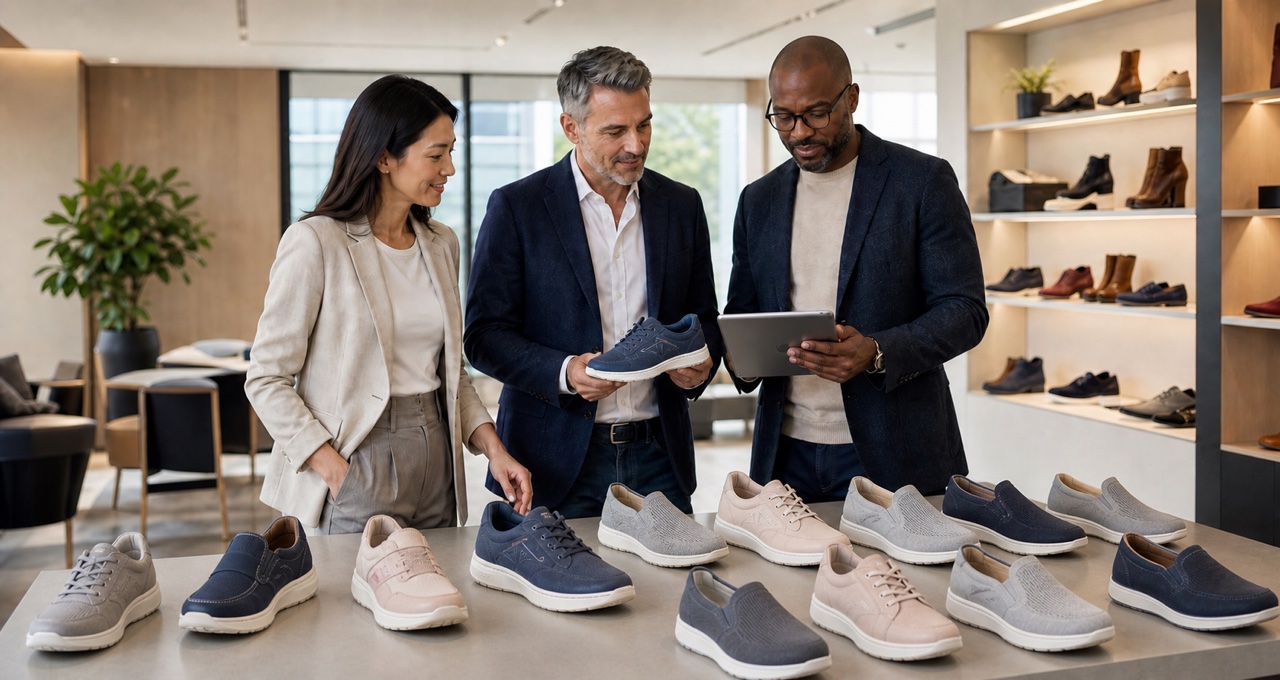
A practical evaluation should also distinguish between an attractive feature and a commercially relevant feature. A lightweight upper, for example, may be valuable for everyday walking, while an adjustable closure may be more important for customers who prioritize easy wearing. Buyers should therefore avoid creating a checklist based only on generic product descriptions. Instead, each feature should be considered against the customer segment, usage scenario, retail positioning, expected price range, and role the product will play within the assortment. This approach makes senior footwear buying criteria more useful when comparing products from different suppliers or brands.
A Practical Buyer Lens
This buyer-focused approach also keeps product evaluation connected to the wider process of building a senior footwear business. The purpose of this article is not to repeat that broader strategy but to give buyers a practical framework for judging the footwear itself before moving further into sourcing and purchasing.
2. Easy-Wearing Features That Make Senior Shoes Easier to Use
Ease of wearing is one of the most commercially useful senior shoe features because it can be understood quickly by both buyers and customers. B2B buyers should look beyond the simple label of “easy-on” and examine how the shoe actually works. Consider the opening of the shoe, the closure system, the amount of adjustment available, and how easily the foot can enter and leave the shoe. Slip-on construction may suit some everyday-use products, while adjustable closures can provide a more flexible fit for other customer groups. The important point is to evaluate the actual construction rather than relying only on marketing language.
Easy-wearing construction can also influence how a product is positioned in a retail environment. A simple closure or convenient opening gives sales staff a concrete feature to demonstrate, which can make product benefits easier to communicate. For distributors and wholesalers, the same feature can help differentiate a product when presenting several footwear options to downstream retailers. Buyers should therefore consider whether the easy-wearing design is genuinely functional, visually acceptable for the intended market, and consistent with the product's overall price positioning. The strongest feature is not necessarily the most complicated one; it is the one that solves a recognizable problem without creating unnecessary product complexity.
Opening
Check whether the opening makes the shoe practical to put on and remove.
Closure
Evaluate whether the closure is convenient, secure, and easy to understand.
Adjustment
Check whether the design allows enough adjustment for the intended customers.
For B2B buyers, easy wearing should therefore be treated as a measurable product characteristic rather than a generic comfort claim. It can help define where a product belongs in the assortment and how it should be presented to the market.
3. Comfort and Cushioning: Which Senior Shoe Features Should Buyers Evaluate?
Comfort is one of the most important senior shoe features, but it is also one of the easiest areas for product descriptions to become vague. B2B buyers should break comfort into observable or testable elements such as cushioning, weight, upper materials, insole construction, interior feel, and overall flexibility. Rather than accepting “comfortable” as a sufficient product claim, buyers can compare how different shoes achieve comfort and whether those construction choices suit the intended use. This creates a more consistent basis for evaluating products across multiple suppliers.
Cushioning should be considered together with the rest of the shoe instead of treated as an isolated specification. A highly cushioned shoe may be appropriate for everyday walking, while another product may prioritize a lighter feel or a more structured construction. Buyers should also consider how the material package supports the expected retail positioning. If the product is intended as an everyday comfort shoe, the combination of cushioning, lightweight construction, breathable materials, and practical fit may create a clearer value proposition than any single feature alone. The objective is to understand what the customer will actually experience and how that experience can be communicated commercially.
A structured comfort review makes it easier to compare senior footwear products consistently and prevents buyers from selecting products solely because their descriptions use broad comfort language.
4. Fit and Foot Shape: Evaluating Senior Shoes for Different Customers
Fit is another area where B2B buyers need more detail than a simple size chart. Senior footwear may need to accommodate different foot shapes, widths, instep preferences, and wearing conditions. Buyers should examine the shape of the toe area, available room, upper flexibility, adjustability, and consistency across sizes. A product that fits one customer group well may not be suitable for every market, so the goal is not to find one universal shape. The goal is to understand which customers the product is designed to serve and whether that fit proposition is strong enough to justify a place in the assortment.
For commercial buyers, fit also has a direct relationship with inventory management. If a product is available in a useful range of sizes and its fit is consistent, retailers can communicate it more confidently and manage replenishment more predictably. Buyers should therefore evaluate samples across multiple sizes rather than testing only one sample pair. Where possible, compare the actual dimensions and wearing experience of similar products before making a larger purchase. This is particularly important when the target market includes customers looking for wider or roomier footwear, because the commercial value of a fit feature depends on whether the product consistently delivers the expected experience.
Fit Evaluation Checklist
Fit should ultimately be evaluated as a product-line decision. Buyers can then decide whether a particular shoe fills a specific fit need or whether another style would cover the same customer group more efficiently.
5. Stability, Traction and Sole Design for Everyday Use
Stability and traction are important senior footwear features when a product is positioned for walking and everyday movement. B2B buyers should examine the outsole pattern, contact area, sole structure, flexibility, and overall balance of the shoe. The relevant question is not whether a sole is simply “good,” but whether its construction makes sense for the environment in which the product will be used. A shoe intended mainly for indoor use may have different requirements from one positioned for outdoor walking, travel, or mixed daily activities.
Buyers should also be careful with broad performance claims. A description such as “non-slip” or “stable” does not replace product evaluation. The actual outsole design, surface contact, flexibility, and construction should be reviewed through samples and relevant product documentation where available. For B2B purchasing, this helps turn a general safety-related marketing statement into a clearer product-selection criterion. It also makes it easier for sales teams to explain why one shoe is intended for a particular usage scenario without making claims that go beyond the product evidence.
A practical buyer should therefore connect sole design with the product's intended application instead of treating traction and stability as standalone marketing terms.
6. Materials, Weight and Breathability: Features That Affect Product Positioning
Materials and construction influence how a senior shoe feels, performs, looks, and is positioned commercially. B2B buyers should examine upper materials, lining, insole components, outsole materials, stitching or construction quality, and overall weight. These details can affect whether a shoe is more suitable for everyday walking, travel, warm-weather use, casual wear, or another specific application. The objective is not to select the most expensive material available, but to understand whether the material package creates a product proposition that customers can recognize and retailers can sell.
Breathability is particularly relevant when evaluating products for warmer climates or extended daily wear. Lightweight construction may also influence how the product is perceived, but weight should be considered together with durability and stability rather than as an isolated advantage. Buyers should ask whether the material and construction choices are appropriate for the intended price point, season, sales channel, and customer expectations. This makes material selection part of commercial product positioning instead of turning the article into a technical discussion about footwear components.
Materials
Check whether upper and interior materials support the intended comfort and market position.
Weight
Consider whether the construction feels appropriate for repeated everyday use.
Breathability
Match ventilation and seasonal construction with the climate and usage scenario.
When comparing senior shoe features, buyers should therefore ask not only “What is this made of?” but also “Why does this construction make sense for the customer and market I am serving?”
7. How to Evaluate Senior Footwear Features for Your Market
No single combination of senior footwear features will be equally relevant to every B2B buyer. A retailer serving customers who mainly shop for everyday walking shoes may prioritize cushioning, easy wearing, fit, and stable soles. A distributor serving warmer regions may place greater emphasis on breathable materials and seasonal styles. A travel-focused retailer may look for lightweight construction, comfort, and flexible use scenarios. The commercial task is therefore to identify which features matter most for the customers you can actually reach, rather than trying to purchase every product with every possible feature.
This is also where product features should be connected to the wider assortment without duplicating a full product-line planning exercise. If two shoes solve the same customer problem, buyers can compare their fit, materials, appearance, price position, and expected sell-through role. If a product introduces a clearly different use case, it may provide broader category coverage. The existing commercially relevant senior footwear assortment discussion can be used when the decision moves from evaluating individual features to structuring the broader range.
The result should be a feature hierarchy rather than a universal ranking. Buyers can then decide which products deserve testing based on the actual market they serve.
8. From Product Features to a B2B Senior Footwear Buying Decision
Once the main features have been reviewed, B2B buyers should move from product evaluation to a structured purchasing decision. Start by identifying the customer and usage scenario, then define the features that matter most. Compare several products against the same criteria, evaluate samples in relevant sizes, and consider whether the product can be positioned clearly at its intended price. This process helps prevent buyers from being influenced by a single attractive feature while overlooking fit consistency, construction, assortment overlap, or practical commercial requirements.
The next step is to connect product evaluation with purchasing conditions. A strong product still needs an appropriate MOQ, reliable replenishment, consistent quality, and a supplier or brand partner that can support the expected order cycle. For retailers and wholesalers, this means product quality and commercial terms should be evaluated together. For buyers comparing overseas brands, it can also be useful to consider how product features translate into resale potential, which is addressed in the existing guide on senior footwear wholesale and retail resale.
B2B Buying Checklist
A product should move forward when its features, customer fit, market positioning, and purchasing conditions make sense together. That gives buyers a more reliable basis for selecting senior shoes than relying on appearance, isolated specifications, or price alone.
Sample Evaluation Before a Larger Order
Samples are particularly useful because many important senior footwear features are easier to judge through the physical product than through a catalog or product page. Buyers can inspect the opening, closure, fit, upper materials, sole construction, cushioning, weight, finishing, and overall appearance. Where several products are being considered, using the same checklist for each sample can make the comparison more objective. This also helps identify differences that may not be obvious from photographs or written specifications.
A sample review should not be treated as a final quality audit, but it can provide practical evidence before a commercial commitment. Buyers can record which features are strongest, which require clarification, and which products deserve further testing. This creates a clear bridge between product evaluation and the next sourcing decision without repeating the broader supplier or manufacturer evaluation process covered elsewhere in the cluster.
Conclusion
For B2B buyers, a good senior shoe is defined not by one standout specification but by how well its features solve a clear customer need and fit a commercial use case. Easy wearing, comfort, cushioning, fit, stability, traction, materials, weight, and breathability all deserve attention, but their importance depends on the market, customer segment, sales channel, and product positioning. A structured evaluation allows retailers, wholesalers, and distributors to compare products consistently, test samples before larger commitments, and build purchasing decisions around evidence rather than appearance or price alone. The most useful senior footwear features are ultimately those that create a clear customer proposition while fitting the buyer's wider commercial strategy.
FAQ
What are the most important senior footwear features for B2B buyers?
Key features commonly include easy wearing, comfort, cushioning, suitable fit, stability, traction, lightweight construction, and breathable materials. The priority should depend on the target customer and usage scenario.
How should retailers evaluate senior shoe fit?
Retailers should consider toe-box room, width, adjustability, upper flexibility, size consistency, and the needs of their target customers. Evaluating samples across relevant sizes can provide a more useful comparison than relying on one sample pair.
Why should B2B buyers evaluate senior footwear samples?
Samples allow buyers to inspect actual fit, materials, cushioning, construction, sole design, weight, appearance, and wearing convenience before making a larger purchasing commitment.
How do senior footwear features affect product positioning?
Features such as easy wearing, cushioning, lightweight construction, breathability, and stability can help define which customers and usage scenarios a product is intended to serve. Buyers should match these features with the expected price and sales channel.
Ready to Build Your Senior Footwear Business?
Whether you are exploring wholesale, distribution, retail, or a long-term footwear partnership, ZULIZ can help you build a senior footwear business around proven products, market needs, and scalable supply support.
Explore ZULIZ Senior Footwear Discuss Your Business OpportunityWhy US Retail Buyers Should Prioritize ZULIZ for Older-Adult Comfort Footwear
How to Choose the Right Mom Shoes for Retailers, Wholesalers, and Distributors-ZULIZ
Mom Shoes Wholesale: How to Build a Profitable Senior Women's Footwear Business with ZULIZ
Mom Shoes Market Opportunities: A Growth Guide for Footwear Retailers, Wholesalers, and Distributors
You May Also Like
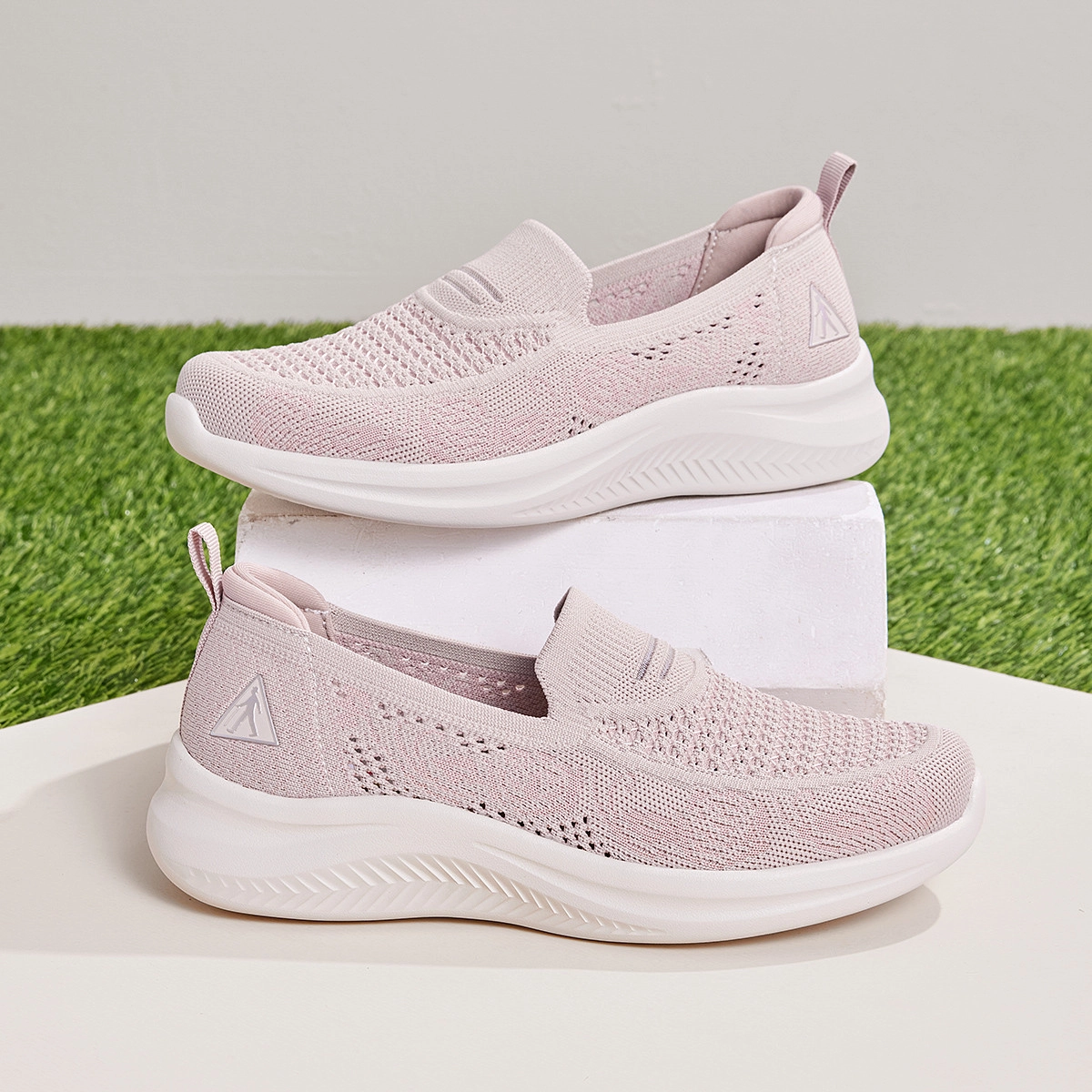
ZULIZ Women's Breathable Easy-On Casual Slip-On Shoes JM-26289234
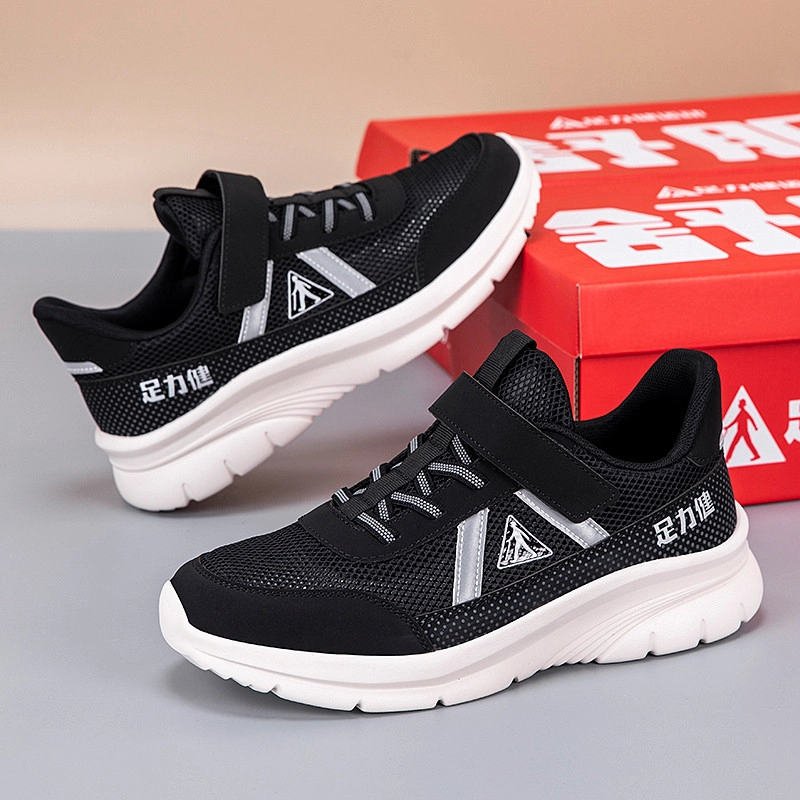
ZULIZ Unisex Breathable Walking Shoes KH-25289109
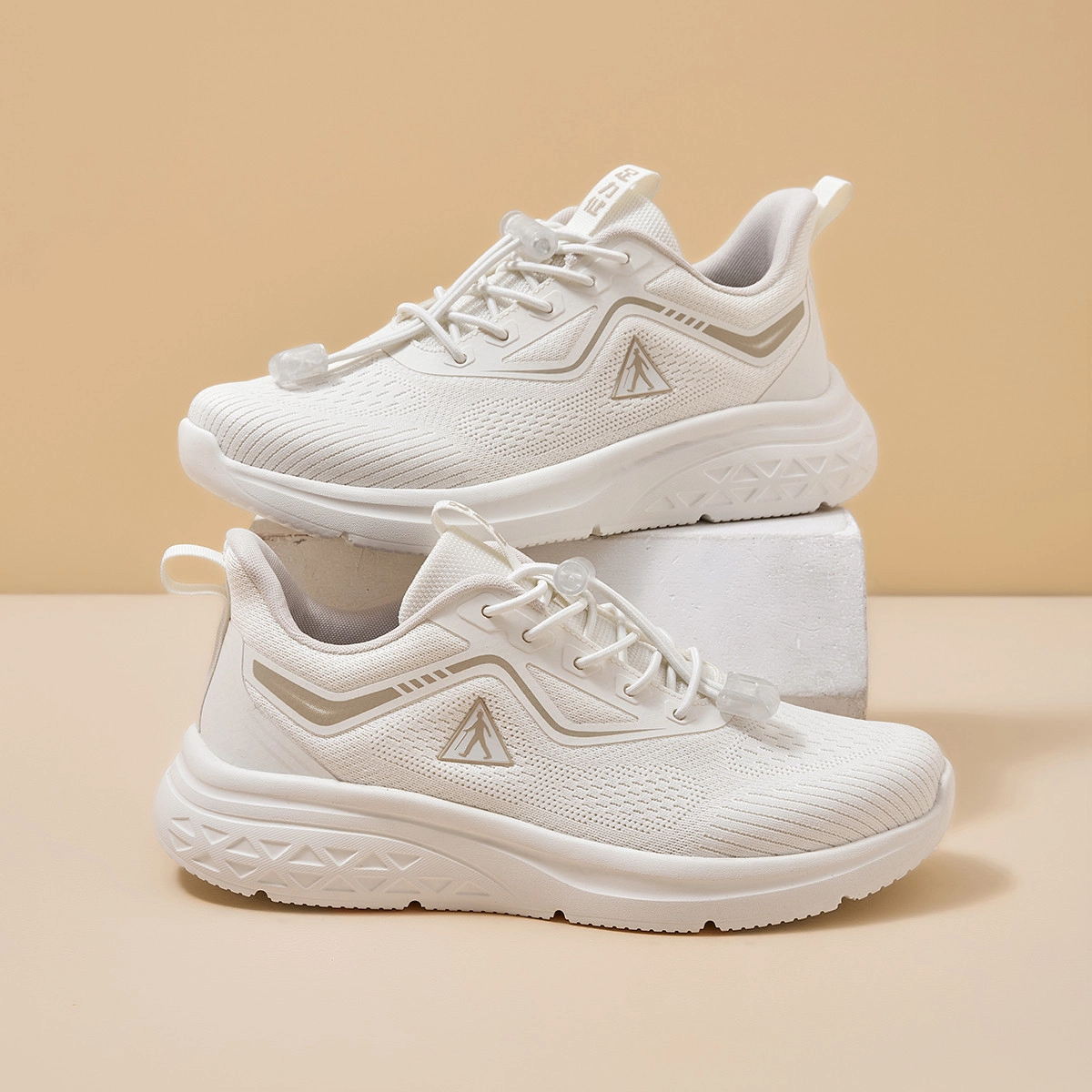
ZULIZ Women's Breathable Easy-On Casual Sneakers JM-26289136
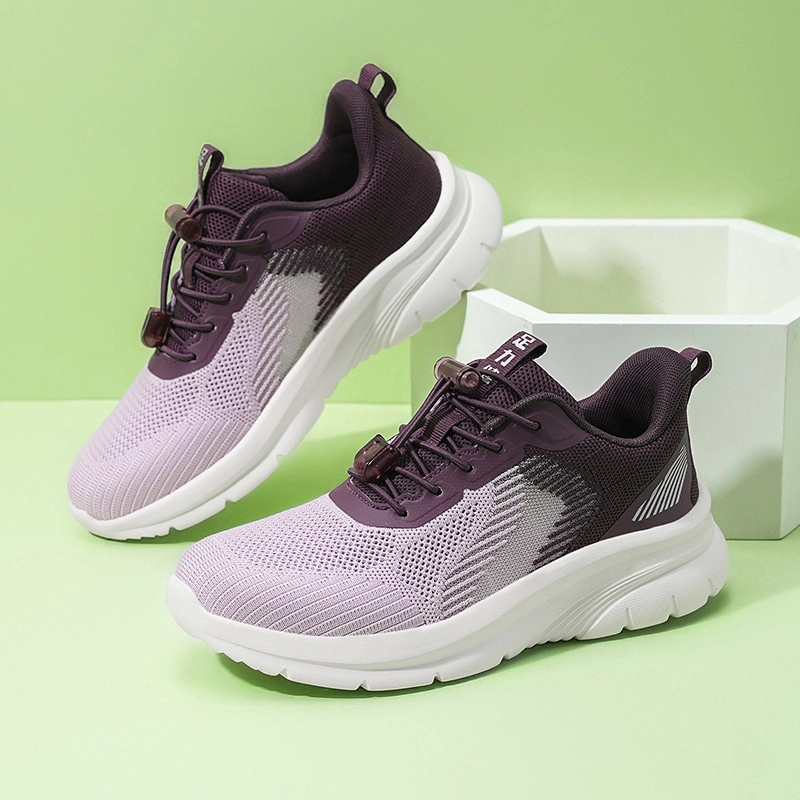
ZULIZ Women's Lightweight Walking Shoes 26286101
Start Your ZULIZ Partnership Inquiry
Tell us about your market, business type, and cooperation interest. Our team will help you explore suitable senior footwear franchise, wholesale, or distributor opportunities.
Contact us

Ray.pang@zuliz.com

+86 155 1699 6565

5th Floor, Building 2, Courtyard 3, No. 521, Binhui North 1st Street, Tongzhou District, Beijing
Copyright © 2026 ZULIZ. All Rights Reserved. Designed by Gooeyun. Privacy Policy | Terms and Conditions | Sitemap
Facebook
YouTube
Instagram
Twitter