


Senior Footwear Market Entry: Key Factors International Buyers Need to Evaluate
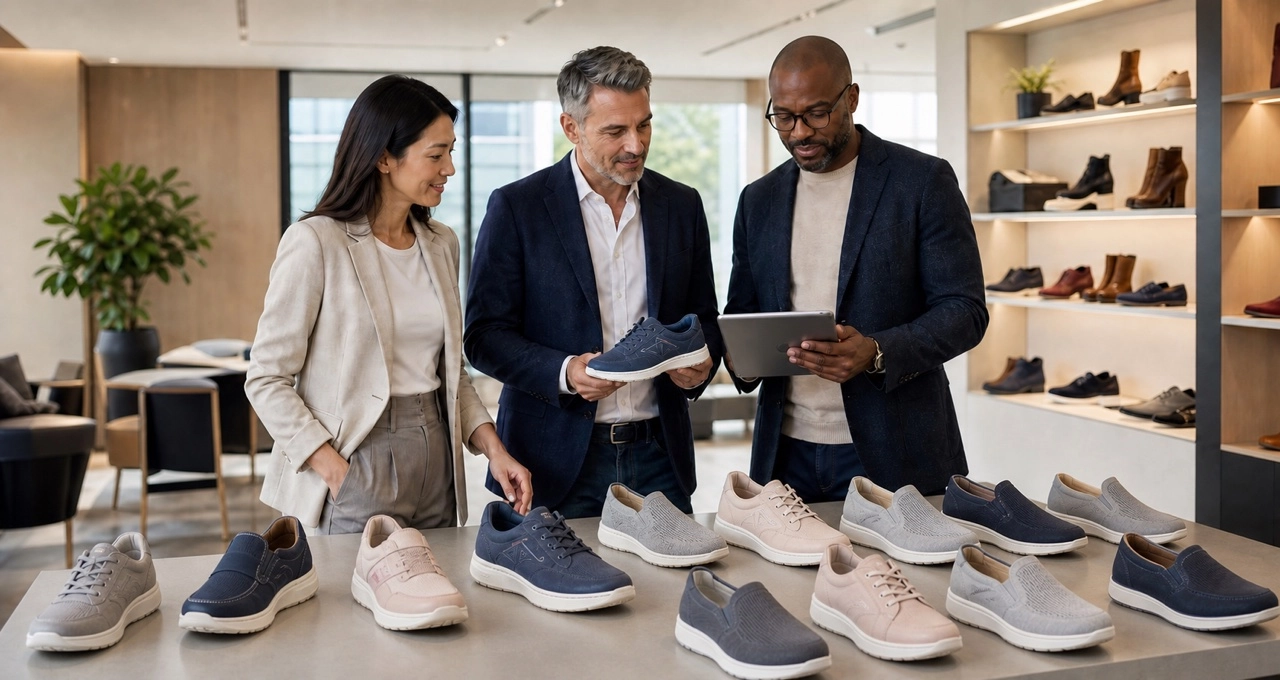
Senior Footwear buyers should assess local demand, fit and accessibility needs, regulations, pricing, and distribution before entering a new market. Learn how to evaluate the Senior Footwear Market and avoid costly launch missteps.
- Quick Answer
- Key Takeaways
- 1. Start With the Market Opportunity: Is There Demand for Senior Footwear?
- 2. Identify the Right Customer Segment Before Entering the Market
- 3. Analyze Local Buying Demand and Product Preferences
- 4. Evaluate the Competitive Landscape in the Senior Footwear Market
- 5. Understand Price Levels and Commercial Potential
- 6. Assess Local Sales Channels and Market Access
- 7. Check Market Entry Conditions, Regulations and Operational Barriers
- 8. Build a Senior Footwear Market Entry Assessment Before Making a Decision
- From Market Assessment to Business Planning
- Conclusion
- FAQ
- Discuss Your Senior Footwear Market Opportunity
Quick Answer
Before entering a new senior footwear market, international buyers should evaluate more than market size or general footwear demand. A practical assessment should cover customer demand, target customer segments, product preferences, competition, pricing, sales channels, and market entry conditions.
The goal is to determine whether the market has a clear customer opportunity, a workable competitive position, accessible sales channels, and enough commercial potential to justify further investment. Market research should therefore come before decisions about products, suppliers, or partnership structures.
Key Takeaways
Determine whether local consumers have a meaningful need for senior-focused footwear before committing resources.
Identify who is most likely to buy, what they value, and how their footwear preferences differ from the wider market.
Compare existing brands, product positioning, price levels, customer access, and areas where the market may still have room.
A promising market also needs workable pricing, accessible channels, manageable entry requirements, and realistic business potential.
1. Start With the Market Opportunity: Is There Demand for Senior Footwear?
The first question for any international buyer considering a new senior footwear market is whether there is enough underlying demand to justify further research and investment. General footwear consumption does not automatically mean that a dedicated senior footwear opportunity exists. Buyers need to understand whether local consumers have specific needs around comfort, easy wearing, stability, fit, support, and everyday mobility that are not being adequately addressed by existing footwear options.
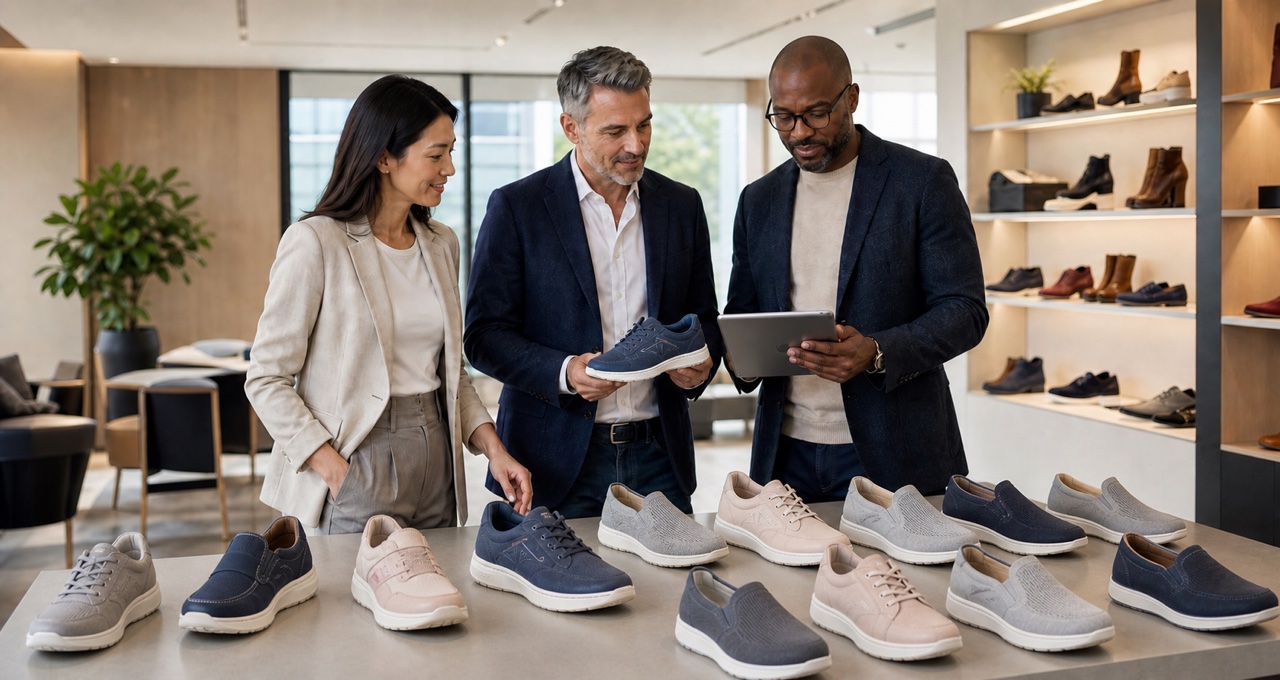
Population structure can provide an initial indication of potential demand, but it should not be treated as the only market signal. Changes in consumer lifestyles, awareness of comfortable footwear, healthcare-related preferences, purchasing power, and the development of senior-oriented retail categories can also influence the opportunity. The more closely these factors align, the stronger the case for investigating the market further.
At this stage, the objective is not to forecast exact sales. It is to determine whether the market contains enough relevant demand to justify moving into customer, competition, and commercial analysis.
2. Identify the Right Customer Segment Before Entering the Market
A senior footwear market is not made up of one uniform customer group. International buyers should identify which consumers are most likely to purchase senior-oriented footwear and understand the needs that influence their decisions. Some customers may prioritize easy entry and removal, while others may place greater importance on cushioning, stability, lightweight construction, fit, or everyday comfort.
It is also important to distinguish between the person using the footwear and the person influencing or making the purchase. Family members, caregivers, adult children, and professional buyers can influence purchasing decisions in some markets. Understanding these relationships can affect product positioning, sales messaging, and channel selection later in the process.
| Customer Dimension | Questions to Investigate |
|---|---|
| Age and Life Stage | Which age groups show the strongest demand for senior-oriented footwear? |
| Mobility Needs | Are comfort, stability, easy wearing, or lightweight construction important purchase factors? |
| Spending Ability | What price levels are realistic for the target customer? |
| Purchase Influencers | Who influences the purchase decision besides the end user? |
| Shopping Behavior | Where and how does the target customer prefer to purchase footwear? |
A clear customer definition helps prevent a common market-entry mistake: treating a large population as evidence of a large commercial opportunity without understanding the specific customer segment that is actually prepared to buy.
3. Analyze Local Buying Demand and Product Preferences
Once the target customer is defined, the next step is to understand what that customer actually wants to purchase. A senior footwear market can have strong demand while still requiring significant adaptation in product selection. Climate, lifestyle, local fashion preferences, sizing expectations, materials, and the importance placed on comfort features can all influence which products have commercial potential.
International buyers should therefore study existing product offerings rather than assuming that a successful senior footwear range in one country will automatically perform in another. Pay attention to product categories, common colors and materials, seasonal changes, fit preferences, and the balance between functional benefits and appearance.
Comfort, stability, cushioning, easy wearing, flexible construction, and fit-related expectations.
Daily walking, travel, casual use, seasonal activities, indoor use, or other common scenarios.
Colors, silhouettes, materials, perceived quality, and the desired balance between comfort and appearance.
This product-level analysis provides a more useful picture of market fit than population statistics alone because it connects the potential customer directly with the type of senior footwear they are likely to consider.
4. Evaluate the Competitive Landscape in the Senior Footwear Market
A market with strong demand can still be difficult to enter if established brands already occupy the most attractive customer segments and sales channels. International buyers should therefore map the competitive landscape before deciding how to position a senior footwear business.
Competition should not be limited to brands using the phrase “senior footwear.” Comfortable walking shoes, orthopedic-inspired footwear, comfort footwear, easy-wearing shoes, and other age-friendly product categories may compete for the same customers.
The objective is not simply to count competitors. It is to identify whether there is a meaningful gap between what customers want and what current market offerings provide.
5. Understand Price Levels and Commercial Potential
Price analysis helps international buyers determine whether a senior footwear opportunity can support a commercially workable product position. Looking only at the lowest or highest retail price is rarely enough. The more useful question is where different products sit within the market and what customers receive at each price level.
Buyers should compare local retail prices with product features, brand positioning, materials, perceived quality, and customer expectations. They should also consider the broader cost structure involved in bringing footwear into the market, including sourcing, freight, duties, warehousing, channel margins, marketing, and other operating costs.
| Market Position | Typical Characteristics | Key Question |
|---|---|---|
| Value | Basic functionality and price-sensitive positioning | Is affordability the main purchase driver? |
| Mid-Market | Balance of comfort, quality, features, and value | Is there room for differentiated senior footwear? |
| Premium | Higher perceived quality, materials, design, or specialized features | Will the target customer pay for additional value? |
A commercially attractive senior footwear market is not necessarily the market with the highest prices. What matters is whether customer demand, competitive positioning, costs, and achievable margins can work together within a realistic business model.
6. Assess Local Sales Channels and Market Access
A senior footwear opportunity also depends on how easily products can reach the intended customer. International buyers should understand the structure of local sales channels before deciding that a market is commercially accessible.
Depending on the country and customer segment, relevant channels may include independent footwear retailers, specialty stores, department stores, distributors, e-commerce platforms, social commerce, and other established retail networks. The important point is to determine which channels actually reach the target customer and what commercial requirements each channel creates.
Useful where customers value trying footwear, receiving fitting assistance, and comparing comfort or support features in person.
Can provide broader geographic access but requires clear product information, sizing guidance, product imagery, and reliable fulfillment.
May provide access to multiple retailers or resale accounts when established commercial networks already exist.
May be relevant where customers actively seek comfort-oriented, mobility-focused, or age-friendly footwear.
Channel analysis should remain focused on market accessibility at this stage. Questions about selecting or structuring a specific business partnership should be addressed only after the market opportunity itself has been validated.
7. Check Market Entry Conditions, Regulations and Operational Barriers
Strong customer demand does not automatically make a market easy to enter. International buyers should also investigate the practical requirements associated with importing, selling, storing, and distributing footwear in the target country.
The exact requirements vary by country, product category, and business structure, so buyers should verify current local requirements with qualified customs, legal, tax, and regulatory professionals where necessary. The objective at the market-assessment stage is to identify potential barriers early rather than discovering them after commercial commitments have already been made.
If entry barriers significantly affect landed cost, product availability, or channel access, they should be incorporated into the overall commercial assessment rather than treated as a separate administrative issue.
8. Build a Senior Footwear Market Entry Assessment Before Making a Decision
After researching demand, customers, products, competitors, prices, channels, and entry conditions, international buyers can bring the information together into a structured market assessment. The purpose is not to produce a complicated forecasting model. It is to determine whether the opportunity is sufficiently attractive and workable to justify the next stage of planning.
| Evaluation Area | Key Question | What a Positive Signal Looks Like |
|---|---|---|
| Demand | Is there a clear customer need? | Relevant and identifiable demand |
| Customer | Can a specific customer segment be defined? | Clear target customer and purchase needs |
| Product Fit | Do available products match local preferences? | Strong alignment between product features and demand |
| Competition | Is there room to differentiate? | Identifiable market gap or differentiation opportunity |
| Pricing | Can the intended price position work commercially? | Price aligns with customer expectations and cost structure |
| Channels | Can the target customer be reached efficiently? | Accessible and relevant sales channels |
| Entry Conditions | Are regulatory and operational barriers manageable? | Requirements and costs can be planned realistically |
Does the target market offer enough demand, customer fit, competitive space, channel access, and commercial potential to justify moving into the next stage of business planning?
If the answer is supported by research, the business can then move from market assessment toward product planning, commercial structure, and partner discussions. At that stage, the focus changes from “Is this market suitable?” to “How should we build the business in this market?”
From Market Assessment to Business Planning
Market research and partnership planning are connected, but they answer different questions. A buyer should ideally validate the market opportunity first and then determine what type of business structure and cooperation approach can support that opportunity.
Demand, customer segments, product preferences, competition, pricing, channels, and entry conditions.
Products, channels, commercial structure, local operations, and partnership requirements.
Once the market case is clearer, buyers can consider how to develop a senior footwear partnership in a target market without mixing market research with partnership development too early.
Conclusion
Entering a new senior footwear market should begin with understanding the market itself. International buyers need to look beyond general footwear demand and evaluate the specific customer opportunity, product preferences, competitive environment, price structure, sales channels, and practical entry conditions.
A strong market opportunity does not necessarily mean that every product or business model will work. The more useful conclusion comes from connecting several factors: clear customer demand, suitable product positioning, manageable competition, realistic pricing, accessible channels, and workable market-entry conditions.
Once these fundamentals have been assessed, buyers can move into the next stage with a clearer understanding of what the market requires. This creates a stronger foundation for evaluating potential business partners and developing an international senior footwear business. For a broader view of how international buyers can structure cooperation, international senior footwear partnership planning can then become the next part of the decision process.
FAQ
What should international buyers research before entering a senior footwear market?
Buyers should research customer demand, target customer segments, product preferences, competitors, price levels, sales channels, import requirements, and the overall commercial potential of the market.
How can I determine whether there is demand for senior footwear?
Look at demographic trends together with consumer needs, existing product demand, purchasing behavior, comfort-related preferences, and the availability of competing products. Combining several signals provides a more useful market picture than relying on one indicator.
Why is competitor analysis important when entering a senior footwear market?
Competitor analysis helps buyers understand existing product positions, pricing, customer expectations, sales channels, and potential market gaps. It can also show whether the proposed product range has a realistic opportunity to differentiate.
Should market research come before choosing a senior footwear partner?
Ideally, buyers should first understand the target market and its commercial requirements. This provides a clearer basis for defining the product range, channel strategy, and capabilities they need from a potential senior footwear partner.
Discuss Your Senior Footwear Market Opportunity
If you are evaluating a new international market for senior footwear, prepare your target market, customer, product, channel, and commercial requirements first, then discuss the opportunity and potential cooperation structure with the brand.
Discuss Your Market RequirementsWhy US Retail Buyers Should Prioritize ZULIZ for Older-Adult Comfort Footwear
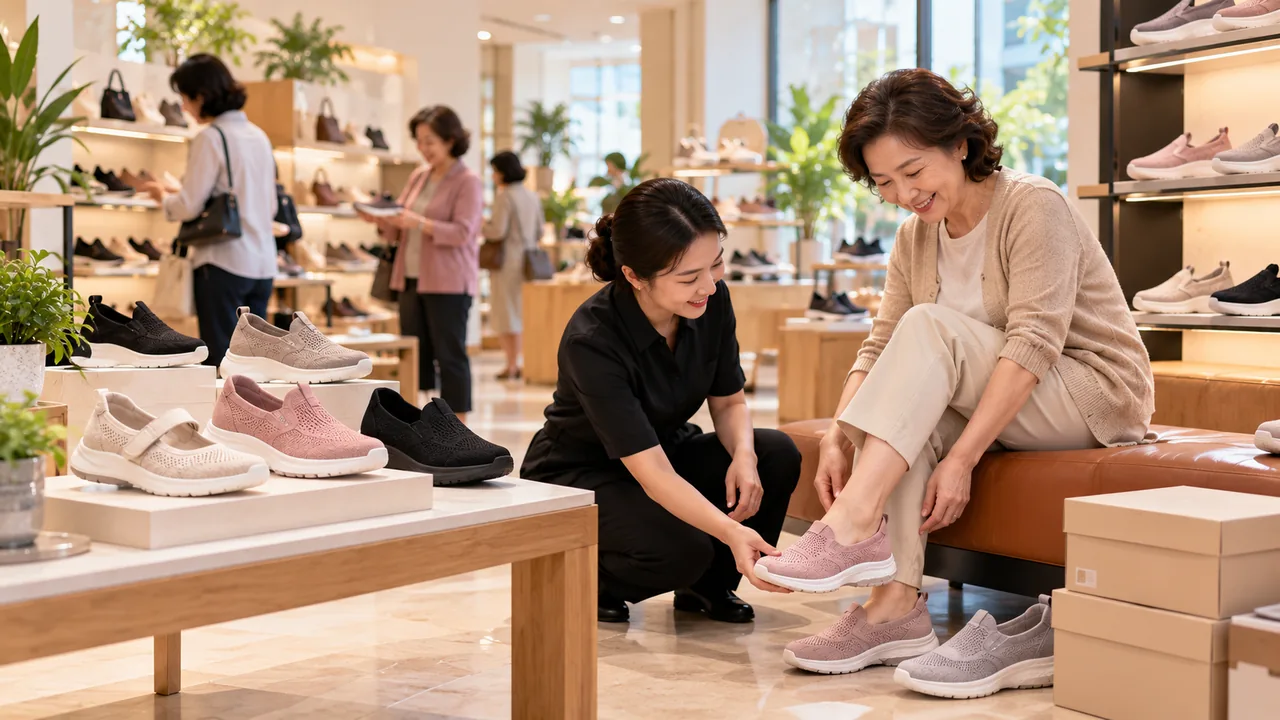
How to Choose the Right Mom Shoes for Retailers, Wholesalers, and Distributors-ZULIZ
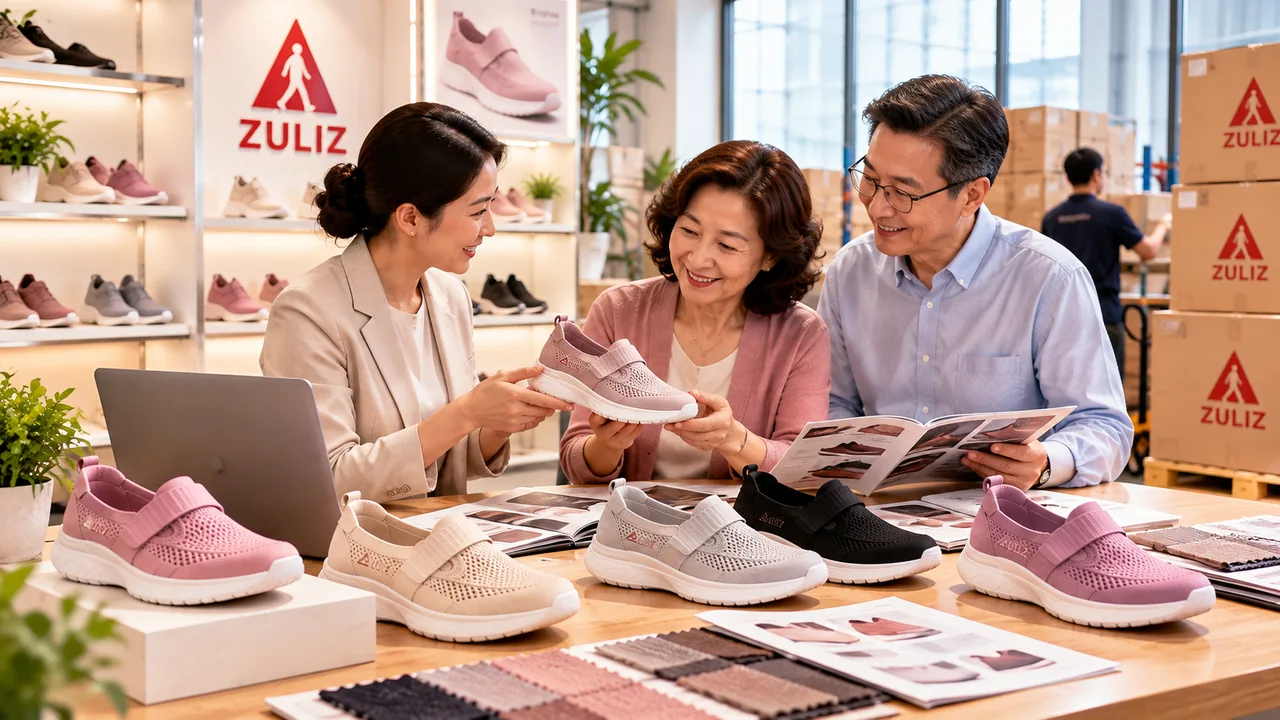
Mom Shoes Wholesale: How to Build a Profitable Senior Women's Footwear Business with ZULIZ
Mom Shoes Market Opportunities: A Growth Guide for Footwear Retailers, Wholesalers, and Distributors
You May Also Like
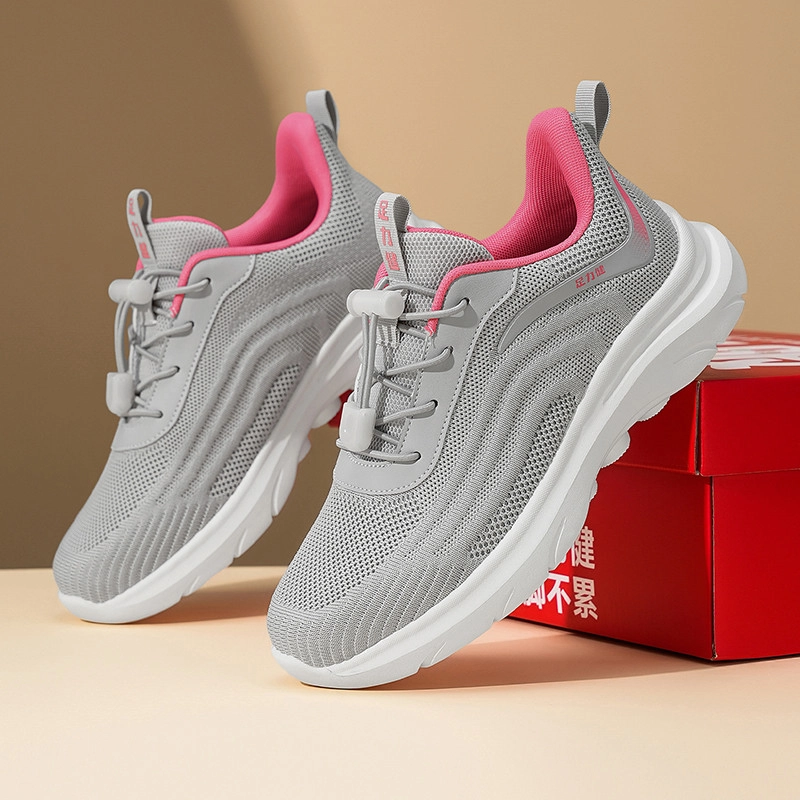
ZULIZ Men's Breathable Easy-On Walking Shoes 26217021
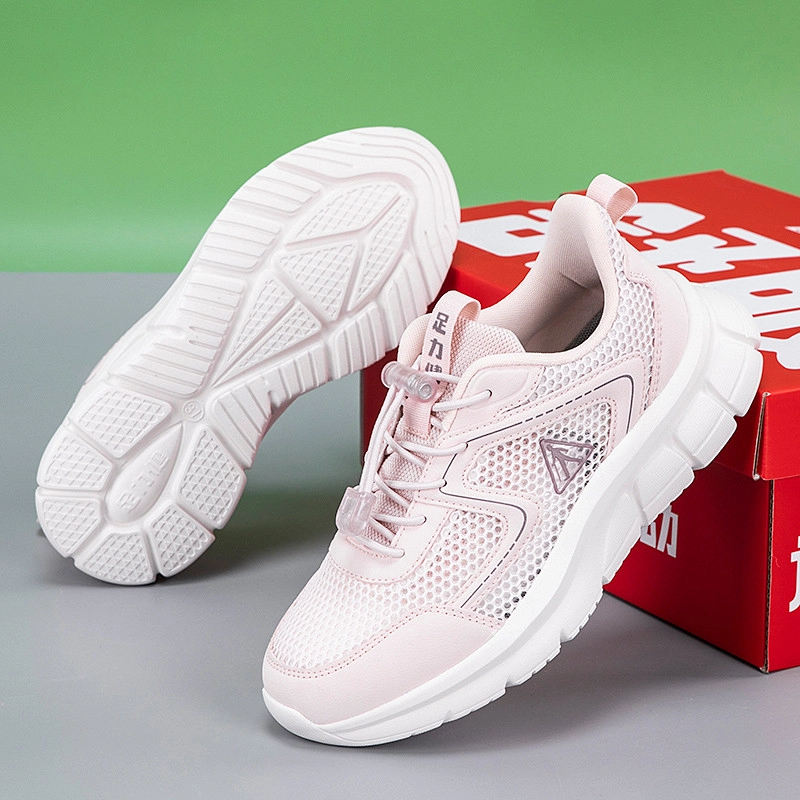
ZULIZ Unisex Lightweight Walking Shoes 26186075
ZULIZ Unisex Breathable Lightweight Walking Shoes KH-25189015
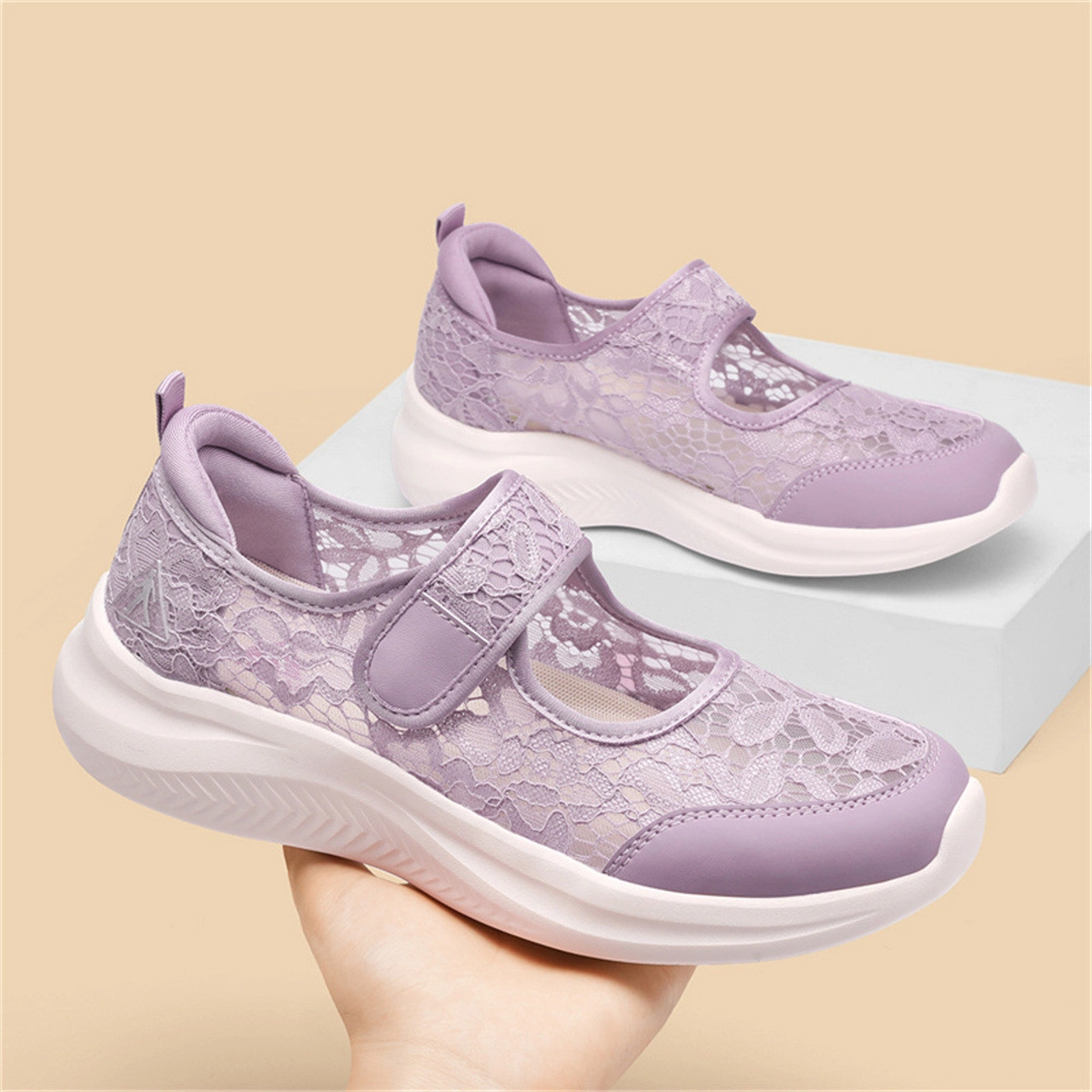
ZULIZ Women's Lightweight Walking Shoes 25216032
Start Your ZULIZ Partnership Inquiry
Tell us about your market, business type, and cooperation interest. Our team will help you explore suitable senior footwear franchise, wholesale, or distributor opportunities.
Contact us

Ray.pang@zuliz.com

+86 155 1699 6565

5th Floor, Building 2, Courtyard 3, No. 521, Binhui North 1st Street, Tongzhou District, Beijing
Copyright © 2026 ZULIZ. All Rights Reserved. Designed by Gooeyun. Privacy Policy | Terms and Conditions | Sitemap
Facebook
YouTube
Instagram
Twitter