


Senior Footwear Pricing, MOQ & Supply for Wholesale & Distribution: Key Commercial Factors for B2B Buyers-ZULIZ

Senior Footwear Pricing depends on order volume, product specifications, and supply capacity. See how MOQ requirements, wholesale terms, and sourcing lead times affect costs and help B2B buyers plan reliable distribution orders.
- Quick Answer
- Key Takeaways
- 1. What Commercial Factors Should B2B Buyers Compare?
- 2. How Should B2B Buyers Evaluate Senior Footwear Pricing?
- 3. What Should Buyers Know About MOQ for Senior Footwear?
- 4. How Does Assortment Flexibility Affect Purchasing Decisions?
- 5. How Should B2B Buyers Evaluate Senior Footwear Supply Capability?
- 6. How Do Pricing, MOQ and Supply Priorities Differ by B2B Buyer Type?
- 7. How Do Commercial Terms Connect With Long-Term Supply?
- 8. What Should B2B Buyers Confirm Before Placing an Order?
- Evaluating ZULIZ for Wholesale & Distribution
- Senior Footwear Pricing, MOQ & Supply Checklist
- Conclusion
- FAQ
- Discuss Senior Footwear Wholesale & Distribution
Quick Answer
When evaluating senior footwear pricing, MOQ and supply capability, B2B buyers should look beyond the quoted unit price. A commercially workable supplier should provide purchasing conditions that match the buyer's expected order volume, assortment requirements, replenishment plans, and distribution model. Pricing should be considered together with MOQ, product availability, lead time, repeat-order capability, and supply consistency. Retailers may prioritize manageable initial purchasing exposure and product margins, while wholesalers and distributors may place greater emphasis on volume economics, assortment flexibility, replenishment, and scalable supply. The objective is to understand the complete commercial structure before moving from product evaluation to an actual wholesale or distribution order.
Key Takeaways
Unit price should be evaluated together with order volume, assortment, shipping, and the expected resale structure.
MOQ affects inventory exposure, product testing, assortment flexibility, and how easily buyers can scale purchasing.
Supply capability includes lead time, product availability, replenishment, production planning, and repeat-order consistency.
The right commercial structure depends on whether the buyer is testing, wholesaling, retailing, or developing distribution coverage.
1. What Commercial Factors Should B2B Buyers Compare?
Comparing senior footwear brands for wholesale or distribution requires more than looking at which supplier offers the lowest quoted price. A commercially suitable offer needs to work across several connected purchasing conditions. The buyer needs to understand how much must be ordered, what the order includes, how quickly products can be supplied, and whether the same products can be replenished when demand develops.

This is particularly important when businesses are moving from initial sourcing into repeat purchasing. A price that appears attractive at a small order quantity may not produce the same commercial result at larger volumes. Likewise, a low MOQ may be useful for market testing but less important to a distributor that already has established sales channels.
The Four Commercial Questions
Unit price and total purchasing economics
MOQ and assortment requirements
Lead time and delivery planning
Replenishment and supply continuity
These commercial factors sit underneath the broader process of selecting a senior footwear brand for B2B business. Brand positioning and product fit determine whether a supplier is worth considering, while pricing, MOQ, and supply conditions help determine whether the resulting business relationship is commercially workable.
2. How Should B2B Buyers Evaluate Senior Footwear Pricing?
Senior footwear pricing should be evaluated in relation to the buyer's purchasing model rather than as an isolated unit-price comparison. A retailer may need enough margin between wholesale cost and expected retail price, while a wholesaler needs pricing that allows resale to downstream retail accounts. A distributor may also need to consider regional channel costs, inventory requirements, and the commercial structure needed to support multiple accounts.
Buyers should also confirm what is included in the quoted price and which additional costs may affect the actual purchasing economics. Depending on the transaction, shipping, packaging, customization, samples, payment terms, and other order-related expenses can affect the final cost of bringing products into the intended sales channel.
The key point is that a lower quoted unit price does not automatically create a better commercial result. The useful comparison is the overall purchasing structure at the order volume and sales model the buyer actually expects to use.
3. What Should Buyers Know About MOQ for Senior Footwear?
MOQ, or minimum order quantity, determines the smallest purchasing commitment a supplier will normally accept under a particular commercial arrangement. For senior footwear buyers, MOQ can affect how easily products can be tested, how much inventory must be committed, and how much variety can be included in an initial order.
MOQ should therefore be considered together with the buyer's business stage. A retailer entering the category may want to limit initial inventory exposure, while a wholesaler or distributor with established customers may have a stronger reason to purchase larger quantities. The question is not whether a low or high MOQ is universally better, but whether the MOQ structure fits the intended purchasing plan.
Initial Order
Buyers may prioritize manageable purchasing exposure when testing customer response.
Assortment
Buyers may need enough volume to create a commercially useful product mix.
Volume Planning
Larger channel coverage may require more structured inventory and purchasing planning.
Buyers should confirm whether MOQ applies per style, color, size, model, or total order, and whether different products can be combined within one order. These details can materially change how practical the quoted MOQ is for a real purchasing plan.
4. How Does Assortment Flexibility Affect Purchasing Decisions?
MOQ becomes more useful when buyers understand how the quantity can be distributed across an assortment. Senior footwear businesses rarely sell a single product in isolation. Different customers may require different sizes, widths, closures, colors, seasonal options, or functional characteristics.
A buyer should therefore ask how the supplier structures order quantities across products. Flexible assortment conditions may allow a business to create a more balanced initial selection, while rigid quantity requirements can increase inventory concentration in individual styles.
Assortment Questions to Confirm
Can several styles be combined within one order?
Can quantities be allocated across the required size range?
Can colors be selected according to the intended market?
Can successful products be reordered without rebuilding the full assortment?
This is particularly relevant for businesses that need to balance variety with inventory control. The practical value of an MOQ depends not only on the number itself, but on how easily that quantity can be converted into a useful commercial assortment.
5. How Should B2B Buyers Evaluate Senior Footwear Supply Capability?
Supply capability refers to more than whether products are available for one initial order. For a wholesale or distribution business, buyers need to understand how the supplier handles production, lead times, product availability, repeat orders, and changes in purchasing volume.
The most important questions often arise after products begin selling. If a core style performs well, can it be replenished? If purchasing volume increases, can the supplier plan production accordingly? If a product becomes temporarily unavailable, how clearly is that information communicated?
Production Planning
Understand expected production and delivery timing before placing repeat orders.
Core Products
Check whether successful styles can remain available as purchasing continues.
Repeat Orders
Confirm how buyers can replenish products when actual demand becomes clearer.
Supply capability should also be evaluated in relation to the intended business scale. A retailer may need reliable replenishment for a focused range, while a distributor may need broader supply planning across multiple customer accounts and regions.
6. How Do Pricing, MOQ and Supply Priorities Differ by B2B Buyer Type?
Retailers, wholesalers, and distributors can all purchase senior footwear in commercial quantities, but their purchasing priorities are not identical. Understanding this difference helps buyers avoid applying the same commercial criteria to every business model.
This distinction is useful because the same supplier can be commercially suitable for one buyer type but less suitable for another. The right assessment should therefore begin with the buyer's actual purchasing model, expected volume, customer base, and growth plan.
7. How Do Commercial Terms Connect With Long-Term Supply?
Pricing and MOQ determine whether a buyer can place an order under acceptable commercial conditions, but supply capability determines what happens after that order. This distinction becomes increasingly important when a business depends on repeat sales or serves multiple wholesale and distribution accounts.
A buyer may therefore need to consider the commercial terms together with the broader long-term senior footwear brand partnership structure. The purpose is not to evaluate partnership support again, but to understand whether the commercial arrangement can remain workable when purchasing moves from an initial order toward repeat supply.
From First Quote to Repeat Supply
When these stages connect smoothly, buyers have a clearer basis for deciding whether to increase order volume, broaden the assortment, or expand distribution coverage.
8. What Should B2B Buyers Confirm Before Placing an Order?
Before placing a wholesale or distribution order, buyers should convert the commercial discussion into a clear purchasing checklist. This helps prevent a situation where the quoted unit price looks acceptable but the actual order structure creates unexpected inventory, assortment, or supply constraints.
Buyers evaluating a specific senior footwear brand can also consider broader supplier and brand capability through an evaluation framework for senior footwear brand suitability. For this commercial stage, however, the focus should remain on the concrete conditions that affect the order itself.
Is the quoted pricing workable at the intended volume?
Does the MOQ fit the planned assortment and inventory exposure?
Is the expected production and delivery timing suitable?
Can successful products be reordered when demand develops?
Can the order contain a commercially useful product mix?
Are core products expected to remain available?
Can supply conditions adapt if order volume increases?
Are all key commercial conditions clearly understood?
Evaluating ZULIZ for Wholesale & Distribution
ZULIZ focuses on senior comfort footwear and develops its product proposition around senior-focused comfort, easy wearing, walking stability, fit, and everyday mobility. For B2B buyers, these product capabilities can be considered together with purchasing requirements such as assortment, order volume, replenishment, and intended sales channels.
Buyers can examine the ZULIZ senior footwear collections when assessing which product categories may fit their intended customer base and commercial model. Pricing, MOQ, and supply conditions should then be confirmed according to the actual order requirements rather than evaluated only from a general brand perspective.
Senior-focused products for different customer and usage requirements.
Purchasing conditions can be assessed against the intended B2B model.
Repeat purchasing and broader assortment needs can be considered as demand develops.
Senior Footwear Pricing, MOQ & Supply Checklist
Before moving from quotation to purchase, B2B buyers can use the following checklist to confirm whether the commercial structure matches the intended wholesale or distribution plan.
Is the price suitable for the intended order volume?
Can the MOQ support a practical initial assortment?
Can styles, sizes, and colors be combined appropriately?
Is production and delivery timing clear?
Can core products remain available?
Can successful products be reordered efficiently?
Can supply support increased purchasing volume?
Are the key purchasing conditions clearly understood?
Conclusion
Evaluating senior footwear pricing, MOQ and supply capability should be part of every B2B purchasing decision involving wholesale or distribution. Unit price provides only one part of the commercial picture. Buyers also need to understand minimum order requirements, assortment flexibility, lead times, product availability, replenishment, and the supplier's ability to support changing order volumes. Retailers, wholesalers, and distributors may prioritize these factors differently, but the underlying objective is the same: establish whether the commercial structure is practical for the intended business model. A clear assessment before ordering can help buyers move from an attractive quotation toward a more workable and sustainable purchasing relationship.
FAQ
What does MOQ mean in senior footwear wholesale?
MOQ means minimum order quantity. It defines the minimum purchasing quantity a supplier normally accepts under a specific commercial arrangement. Buyers should confirm whether MOQ applies per style, color, size, model, or total order.
Is a lower MOQ always better for B2B footwear buyers?
Not necessarily. A lower MOQ can reduce initial inventory exposure, while larger orders may provide better volume economics. The appropriate MOQ depends on the buyer's business stage, assortment requirements, expected demand, and purchasing model.
What should buyers consider besides senior footwear unit price?
Buyers should also consider MOQ, assortment flexibility, shipping and related costs, lead time, product availability, replenishment, and whether supply can support future purchasing volume.
How can distributors evaluate senior footwear supply capability?
Distributors can evaluate expected lead times, core product availability, replenishment processes, production planning, communication, and whether supply resources can support broader purchasing volumes as distribution coverage expands.
Should retailers and wholesalers use the same MOQ criteria?
Not necessarily. Retailers may prioritize manageable initial inventory and assortment flexibility, while wholesalers may place greater emphasis on volume economics and the ability to supply downstream customers consistently.
Discuss Senior Footwear Wholesale & Distribution
Whether you are testing a senior footwear category, expanding wholesale purchasing, or developing a distribution business, ZULIZ can discuss product requirements, purchasing needs, and potential B2B cooperation.
Discuss Business RequirementsWhy US Retail Buyers Should Prioritize ZULIZ for Older-Adult Comfort Footwear

How to Choose the Right Mom Shoes for Retailers, Wholesalers, and Distributors-ZULIZ
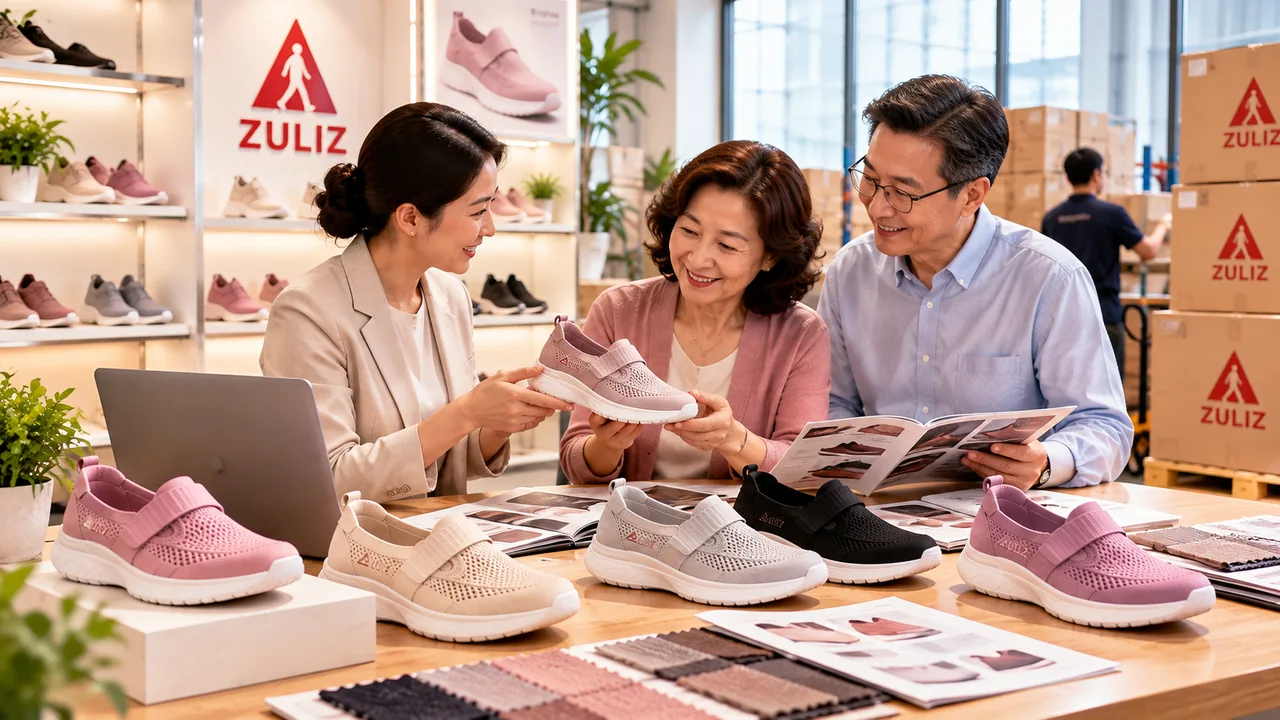
Mom Shoes Wholesale: How to Build a Profitable Senior Women's Footwear Business with ZULIZ
Mom Shoes Market Opportunities: A Growth Guide for Footwear Retailers, Wholesalers, and Distributors
You May Also Like
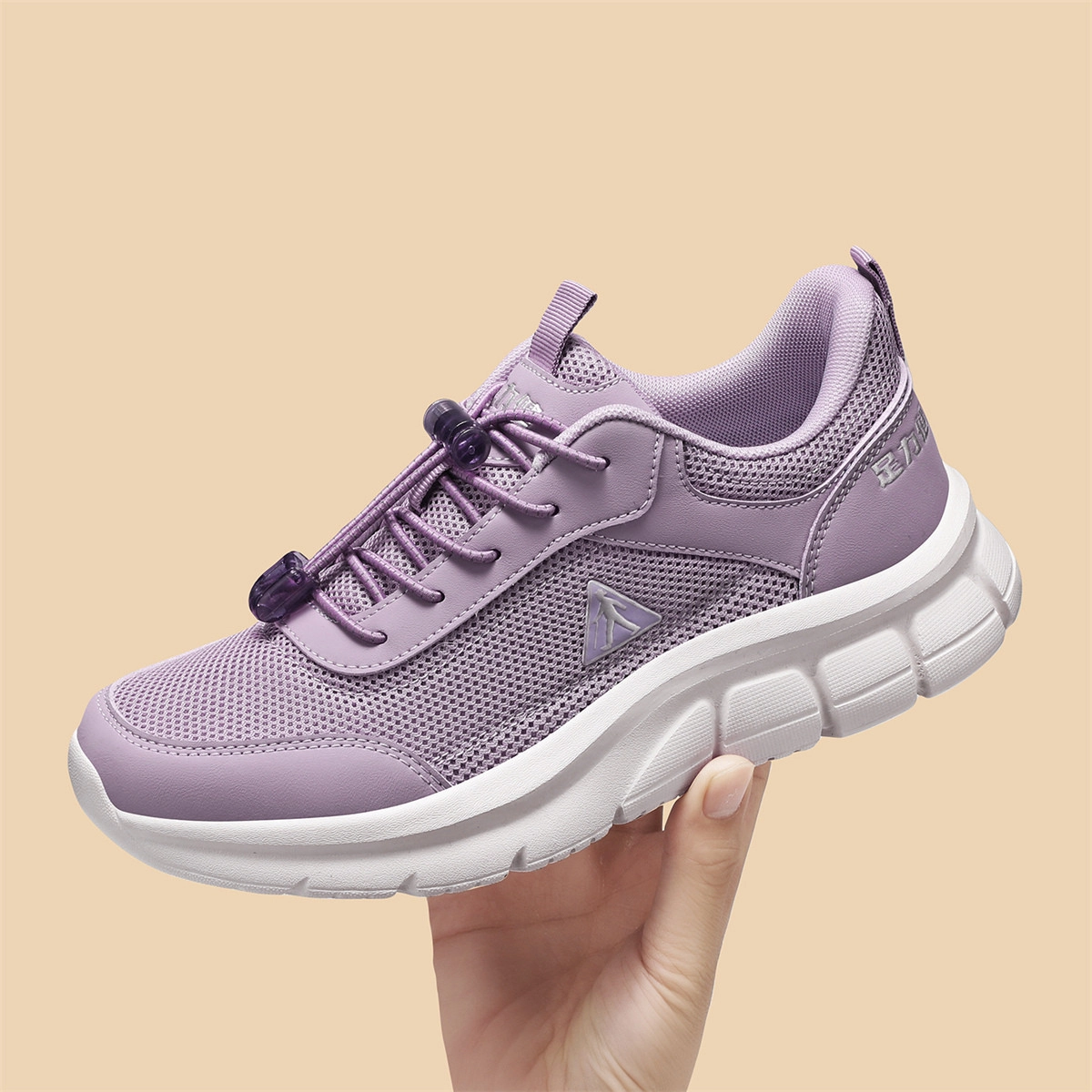
ZULIZ Unisex Breathable Lightweight Walking Shoes 26113049
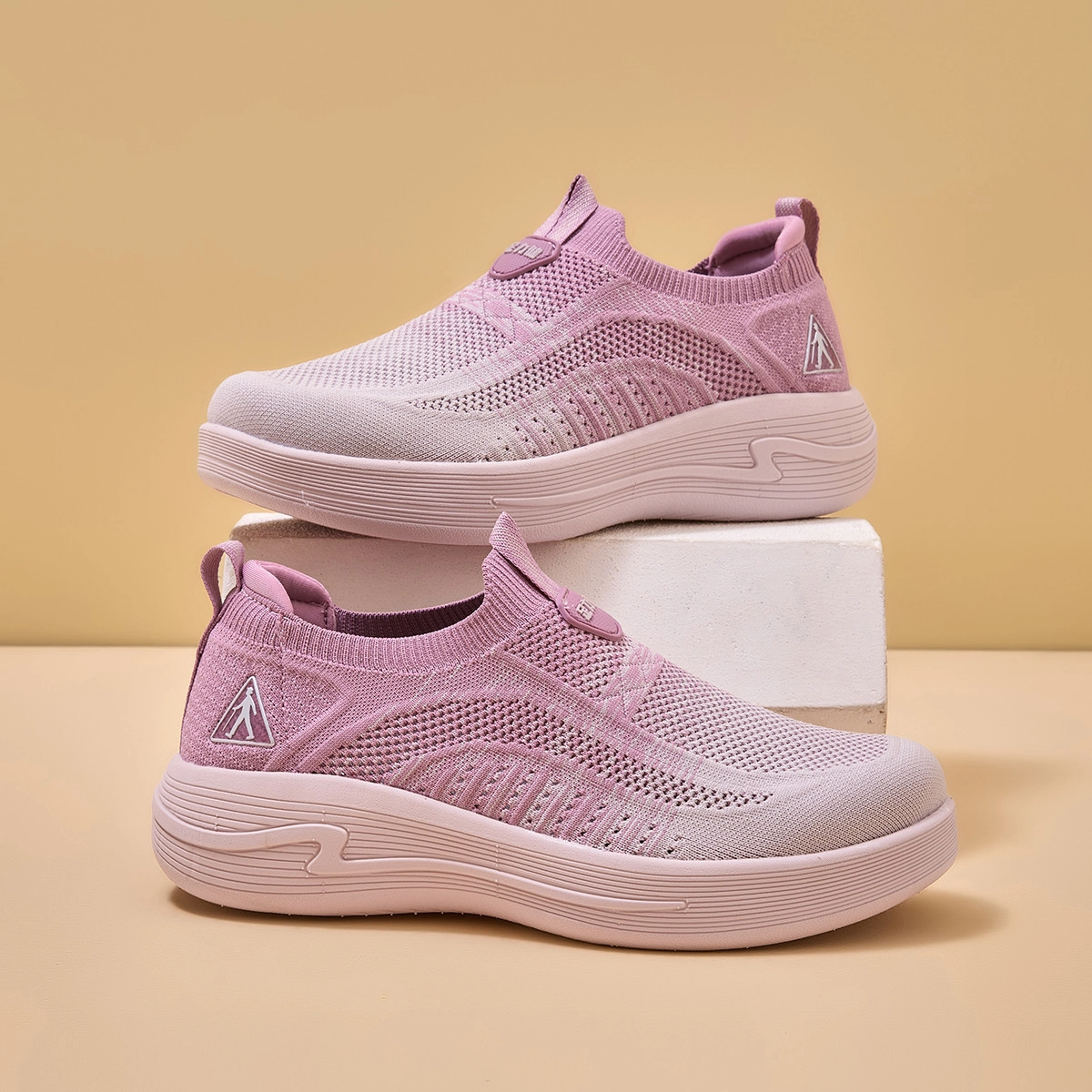
ZULIZ Women's Breathable Lightweight Walking Shoes JM-25289061
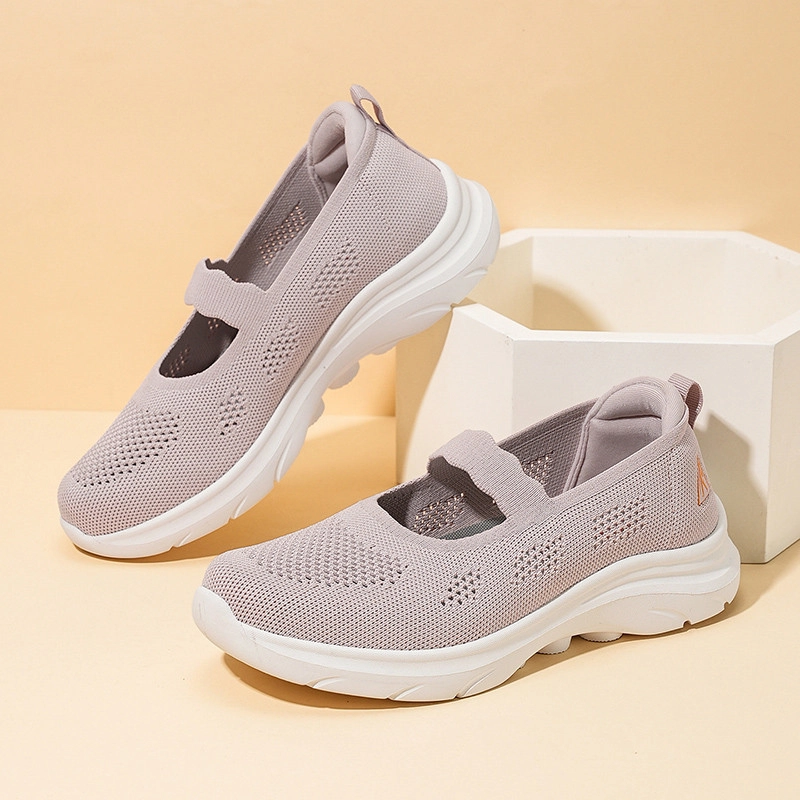
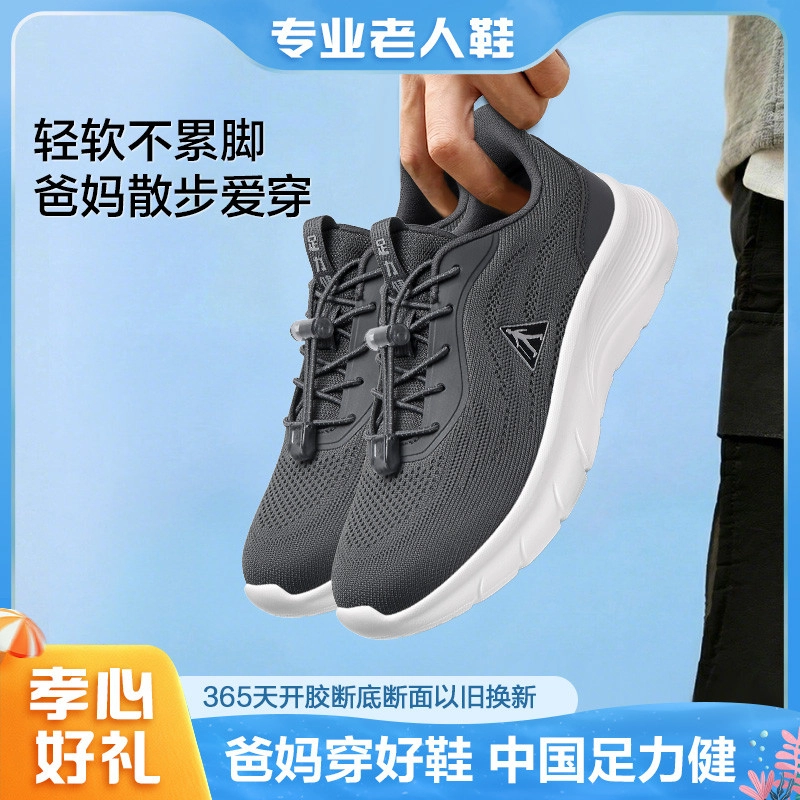
ZULIZ Unisex Breathable Easy-On Walking Shoes 26113016
Start Your ZULIZ Partnership Inquiry
Tell us about your market, business type, and cooperation interest. Our team will help you explore suitable senior footwear franchise, wholesale, or distributor opportunities.
Contact us

Ray.pang@zuliz.com

+86 155 1699 6565

5th Floor, Building 2, Courtyard 3, No. 521, Binhui North 1st Street, Tongzhou District, Beijing
Copyright © 2026 ZULIZ. All Rights Reserved. Designed by Gooeyun. Privacy Policy | Terms and Conditions | Sitemap
Facebook
YouTube
Instagram
Twitter