


Senior Footwear Supplier Selection: What B2B Buyers Should Consider

Senior Footwear Supplier Selection demands clear criteria to ensure quality, compliance, and reliability. ZULIZ outlines key factors B2B buyers must evaluate to secure the right senior footwear supplier and streamline procurement decisions effectively.
- Quick Answer
- Key Takeaways
- 1. What Makes a Senior Footwear Supplier a Good Fit for Your Business?
- 2. Start With Your Product and Customer Requirements
- 3. Evaluate Product Quality and Consistency
- 4. Compare MOQ, Pricing and Ordering Terms
- 5. Check Supply Capacity and Reorder Reliability
- 6. Look Beyond the Supplier: Manufacturing and Quality-Control Support
- 7. Assess Business Support and Long-Term Partnership Potential
- 8. Build a Senior Footwear Supplier Shortlist Before Your First Order
- Conclusion
- FAQ
- Ready to Build Your Senior Footwear Business?
Quick Answer
Choosing a senior footwear supplier for a B2B business requires more than comparing product prices or selecting the supplier with the largest catalog. Buyers should evaluate product fit, quality consistency, MOQ, pricing and ordering terms, supply capacity, replenishment reliability, manufacturing support, communication, and long-term business support. The right senior footwear supplier should be able to match the needs of your target market while providing practical purchasing conditions and dependable support as your business grows. A structured supplier-selection process helps retailers, wholesalers, and distributors compare potential partners more consistently and reduce avoidable sourcing risk before placing larger orders.
Key Takeaways
• Start with your target customers, product requirements, and intended sales channel.
• Compare quality, MOQ, pricing, lead times, and replenishment rather than unit price alone.
• Look at the manufacturing and quality-control support behind the supplier.
• Use samples, documentation, and a consistent comparison checklist before a larger order.
1. What Makes a Senior Footwear Supplier a Good Fit for Your Business?
For B2B buyers, a good senior footwear supplier is not simply the company offering the lowest quoted price. The better question is whether the supplier can consistently provide products that fit your customers, sales channel, price position, and expected order volume. A retailer may need a focused range of easy-wearing comfort shoes, while a distributor may need broader assortment coverage and reliable replenishment. A supplier that works well for one business model may not be the right fit for another.
This makes supplier selection a commercial decision rather than a simple sourcing exercise. Buyers should assess the product itself, purchasing terms, supply reliability, communication, and support as one package. It is also useful to define the requirements before contacting multiple senior footwear suppliers, because a clear specification makes supplier comparisons more meaningful and reduces the chance of choosing a partner based on incomplete information.
A Practical Supplier Lens
The broader objective is to build a sourcing process that supports a sustainable business. Buyers who are still defining their overall commercial model can also use building a senior footwear business as the wider context for this supplier decision.
2. Start With Your Product and Customer Requirements
Before evaluating a senior shoe supplier, define what you actually need to buy. Start with the customer group you intend to serve and the situations in which the footwear will be used. Consider whether your range needs walking shoes, casual comfort styles, easy-wearing designs, warm-weather options, or products for other everyday applications. The more clearly these requirements are defined, the easier it becomes to compare suppliers on relevant criteria rather than on catalog size.
Product requirements should also include practical commercial factors such as size coverage, expected price range, packaging expectations, seasonal demand, and the number of styles you intend to carry. Buyers do not necessarily need the largest possible product range. They need a range that makes sense for the market and can be replenished efficiently. This prevents supplier selection from becoming disconnected from the actual assortment strategy of the business.
Customer
Define who will buy the footwear and what problems the range should address.
Product
Specify the styles, fit, features, materials, and use cases that matter.
Position
Set the expected price range and sales-channel position before comparing suppliers.
A clear product brief also helps buyers identify whether they need a general senior shoe supplier or a partner with stronger category depth in the exact products they intend to sell.
3. Evaluate Product Quality and Consistency
Quality should be evaluated at both the product level and the order level. A sample may look good, but B2B buyers also need confidence that subsequent production will maintain the same construction, materials, finishing, sizing, and overall product experience. This is particularly important when the footwear will be sold under a consistent product range, because noticeable variation between orders can create customer complaints and make replenishment harder to manage.
When comparing senior footwear suppliers, use the same evaluation criteria for each sample whenever possible. Examine the upper, lining, insole, outsole, stitching, closures, fit, weight, and finishing. Review product documentation where available and ask how quality is checked during production. The purpose is not to perform a full factory audit at this stage, but to gather enough evidence to determine whether the supplier's quality process is credible and consistent with your purchasing requirements.
For a deeper discussion of the product-level criteria buyers should evaluate before supplier selection, see the key senior footwear features B2B buyers should evaluate.
4. Compare MOQ, Pricing and Ordering Terms
Pricing is an important part of supplier selection, but the quoted unit price rarely tells the whole story. B2B buyers should compare MOQ, sample costs, payment terms, packaging requirements, shipping arrangements, lead times, and reorder conditions alongside the product price. A supplier with a slightly higher unit price may still fit the business better if its MOQ is more manageable, ordering process is clearer, or replenishment terms are more practical.
MOQ deserves particular attention for businesses testing a new senior footwear category. A large minimum order can tie up working capital and create inventory pressure if the range has not yet been validated. At the same time, very small orders may not provide the commercial efficiency needed for a growing wholesale or distribution business. The right terms depend on your expected volume, sales model, and stage of development.
Compare the Full Purchasing Package
The goal is to understand the total purchasing conditions before deciding whether a supplier is commercially workable.
5. Check Supply Capacity and Reorder Reliability
A supplier may be able to fulfill a first order without being prepared for ongoing demand. For retailers, wholesalers, and distributors, replenishment can be just as important as the initial purchase. Buyers should ask about production lead times, order scheduling, available capacity, seasonal demand periods, and how repeat orders are handled. The objective is to understand whether the supplier can support the expected order cycle rather than simply complete one transaction.
Supply reliability also affects inventory planning. If a popular senior shoe repeatedly becomes unavailable or lead times change significantly between orders, the buyer may need to carry additional inventory or replace products more frequently. Before committing to a supplier, clarify how replenishment is coordinated and what information the supplier needs to plan repeat orders. Clear expectations at this stage can reduce friction as the business moves from initial testing to regular purchasing.
For growing B2B buyers, a supplier's ability to support repeat business can become more important than its ability to win the first order.
6. Look Beyond the Supplier: Manufacturing and Quality-Control Support
The company you communicate with may not tell the whole story about the supply chain behind your footwear. B2B buyers should understand how a supplier manages production, quality control, product development, and order coordination. This does not mean every buyer needs to conduct a detailed factory audit before evaluating a supplier. It means recognizing that consistent products and reliable replenishment depend on the manufacturing resources and quality systems supporting the supplier.
Ask practical questions about where products are manufactured, how quality is controlled, how production issues are handled, and how changes to materials or construction are communicated. If the supplier cannot clearly explain how products move from development to production and delivery, that uncertainty should be reflected in the buyer's evaluation. For a deeper look at the manufacturing side of supplier selection, the next stage is evaluating a senior footwear manufacturer before placing a larger B2B order.
7. Assess Business Support and Long-Term Partnership Potential
A senior shoe supplier becomes more valuable when it can support the business beyond the shipment itself. Buyers should consider how the supplier communicates product information, handles questions, supports new product selection, manages order issues, and assists with replenishment. For distributors and retailers, clear product information can make it easier to present the range to downstream customers. For businesses developing a category over time, responsive communication can also make product planning more efficient.
Long-term fit is especially important when the buyer expects the business to grow. A supplier should be evaluated against the needs of the next stage as well as the first order. Consider whether the supplier can support a broader assortment, higher order frequency, new market requirements, or a more structured distribution relationship. The strongest partnership is one where commercial expectations, product positioning, and supply capabilities remain aligned as purchasing volume develops.
Communication
Clear responses, order updates, and issue handling throughout the relationship.
Product Support
Useful product information and guidance for assortment decisions.
Growth Support
A partnership structure that can support changing order and market needs.
The key is to assess support based on your actual business model rather than treating every supplier as if it provides the same level of partnership.
8. Build a Senior Footwear Supplier Shortlist Before Your First Order
Once the major criteria are defined, turn them into a shortlist rather than making a decision from one supplier presentation or quotation. Compare several potential suppliers using the same questions and record where each supplier provides clear evidence, where information still needs to be confirmed, and where the commercial terms do not fit your requirements. This creates a more disciplined basis for selecting a senior footwear supplier and makes internal purchasing discussions easier.
A practical shortlist can include product fit, quality consistency, MOQ, pricing, lead time, supply capacity, replenishment, manufacturing support, communication, and long-term business fit. After narrowing the options, request samples and clarify the conditions for the first order. If the supplier passes the initial evaluation, the next step is to examine the purchasing process in more detail, including order quantities, pricing, assortment planning, and reorders through a senior footwear wholesale buying process.
Supplier Comparison Checklist
A shortlist is most useful when it leads to a clear next action: sample evaluation, commercial clarification, or a controlled first order. That keeps supplier selection connected to the real purchasing process instead of leaving the decision at the quotation stage.
Conclusion
Selecting a senior footwear supplier is ultimately about finding a practical match between product requirements, customer needs, purchasing conditions, supply reliability, and long-term business goals. B2B buyers should look beyond product catalogs and unit prices to evaluate quality consistency, MOQ, lead times, replenishment, manufacturing support, communication, and the supplier's ability to support future orders. A structured comparison process, supported by samples and clear commercial questions, can make the decision more evidence-based and easier to manage. The right supplier is not simply the one that can fulfill today's order, but the one whose products, supply capabilities, and business support remain aligned with the way you intend to build your senior footwear category.
FAQ
What should I look for in a senior footwear supplier?
Look at product fit, quality consistency, MOQ, pricing, lead times, supply capacity, replenishment, manufacturing support, communication, and long-term business fit. The importance of each factor depends on your market and sales model.
Why is MOQ important when choosing a senior shoe supplier?
MOQ affects inventory investment, product testing, cash flow, and the flexibility of your initial assortment. Buyers should compare MOQ with expected sales volume and the stage of their business.
Should I evaluate the manufacturer behind a senior footwear supplier?
Yes. Understanding the manufacturing and quality-control support behind a supplier can help buyers assess product consistency and replenishment capability before placing larger B2B orders.
When should I request samples from a senior footwear supplier?
Samples are useful after the initial supplier shortlist has been created and before a larger commercial commitment. Use the same checklist across samples to compare fit, construction, materials, comfort, and overall product suitability.
Ready to Build Your Senior Footwear Business?
Whether you are exploring wholesale, distribution, retail, or a long-term footwear partnership, ZULIZ can help you build a senior footwear business around proven products, market needs, and scalable supply support.
Explore ZULIZ Senior Footwear Discuss Your Business OpportunityWhy US Retail Buyers Should Prioritize ZULIZ for Older-Adult Comfort Footwear
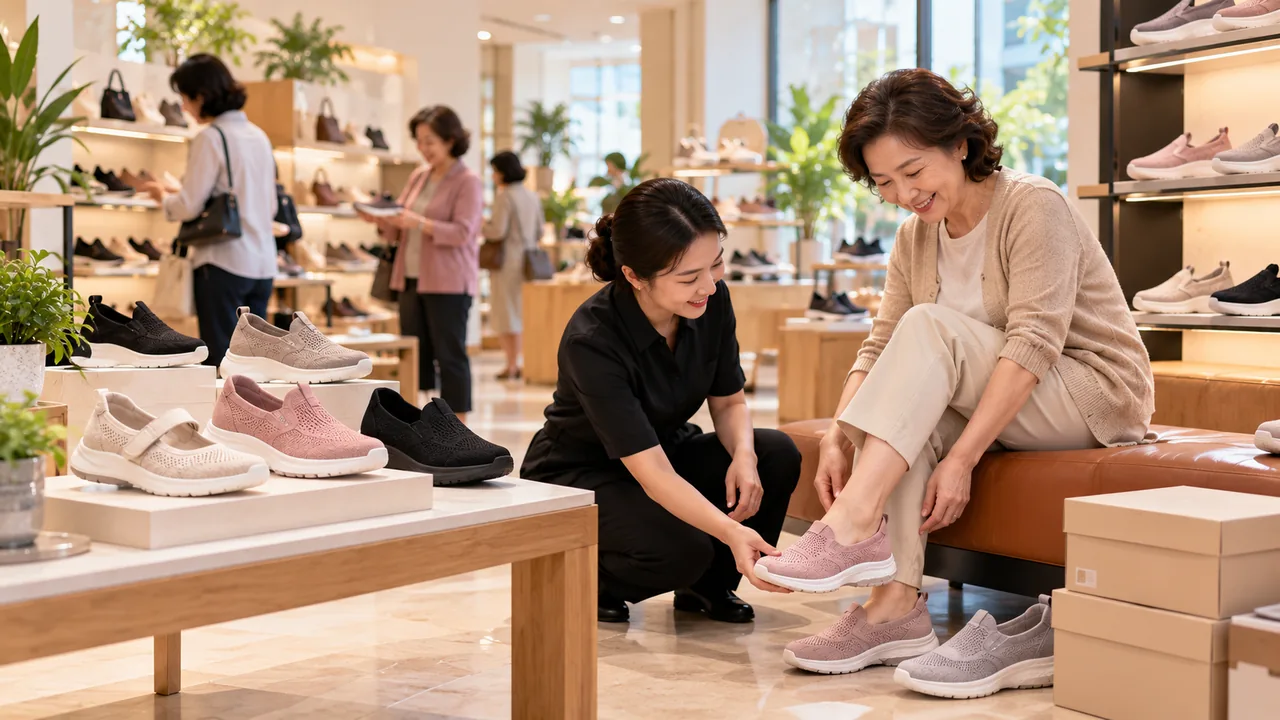
How to Choose the Right Mom Shoes for Retailers, Wholesalers, and Distributors-ZULIZ
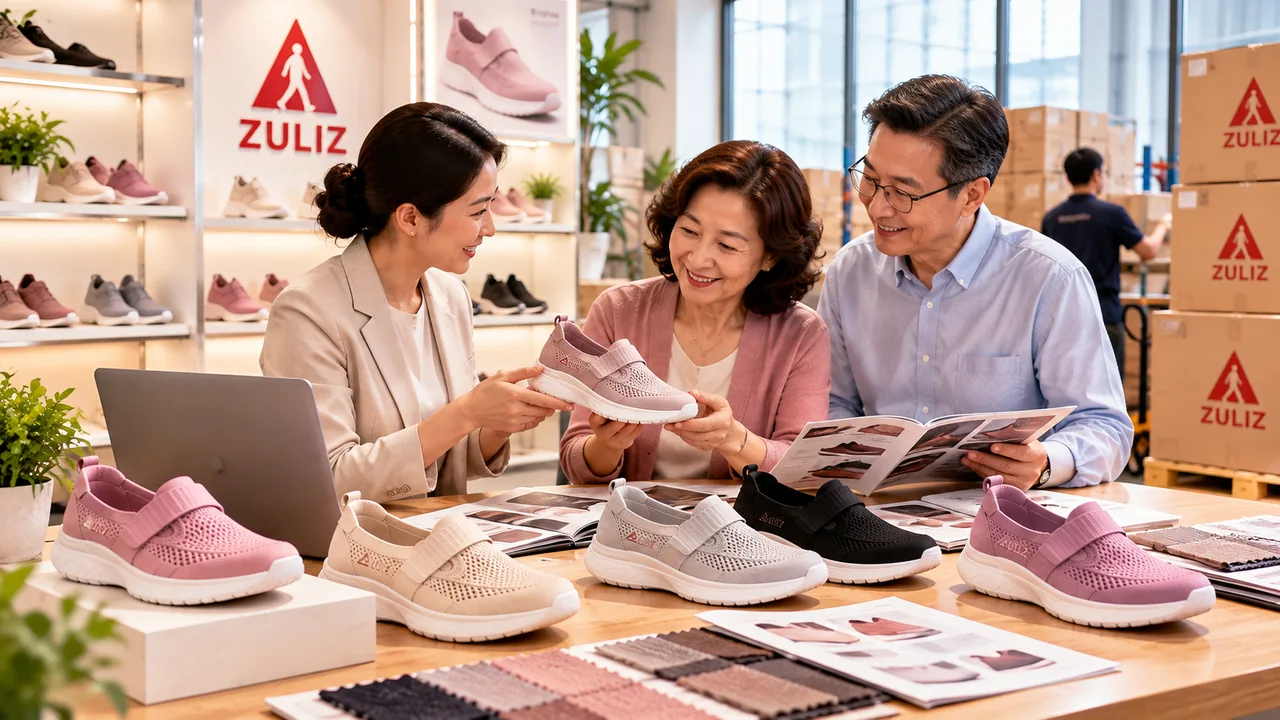
Mom Shoes Wholesale: How to Build a Profitable Senior Women's Footwear Business with ZULIZ
Mom Shoes Market Opportunities: A Growth Guide for Footwear Retailers, Wholesalers, and Distributors
You May Also Like
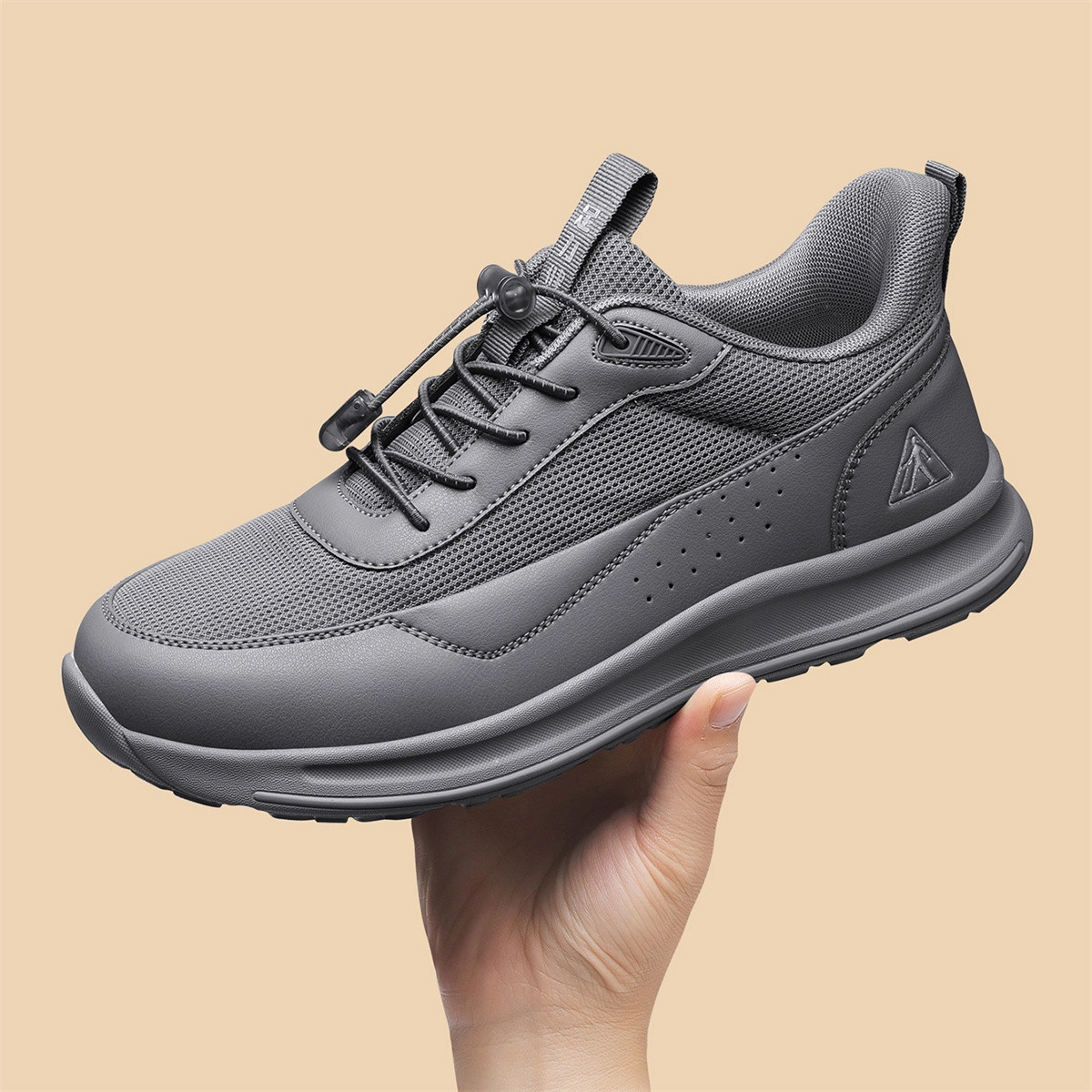
ZULIZ Men's Breathable Easy-On Walking Shoes 26113039
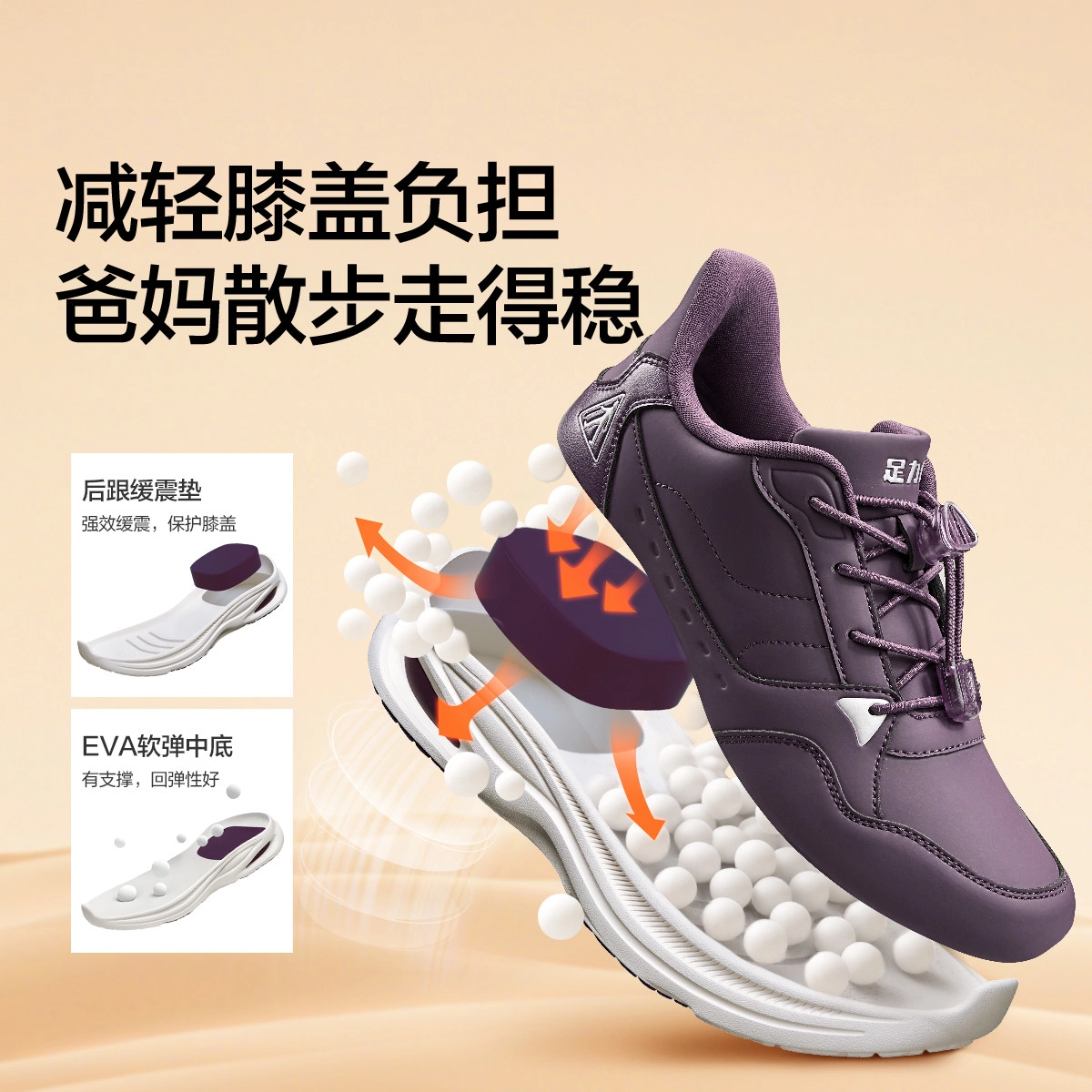
ZULIZ Unisex Easy-On Cushioned Walking Shoes 25313061
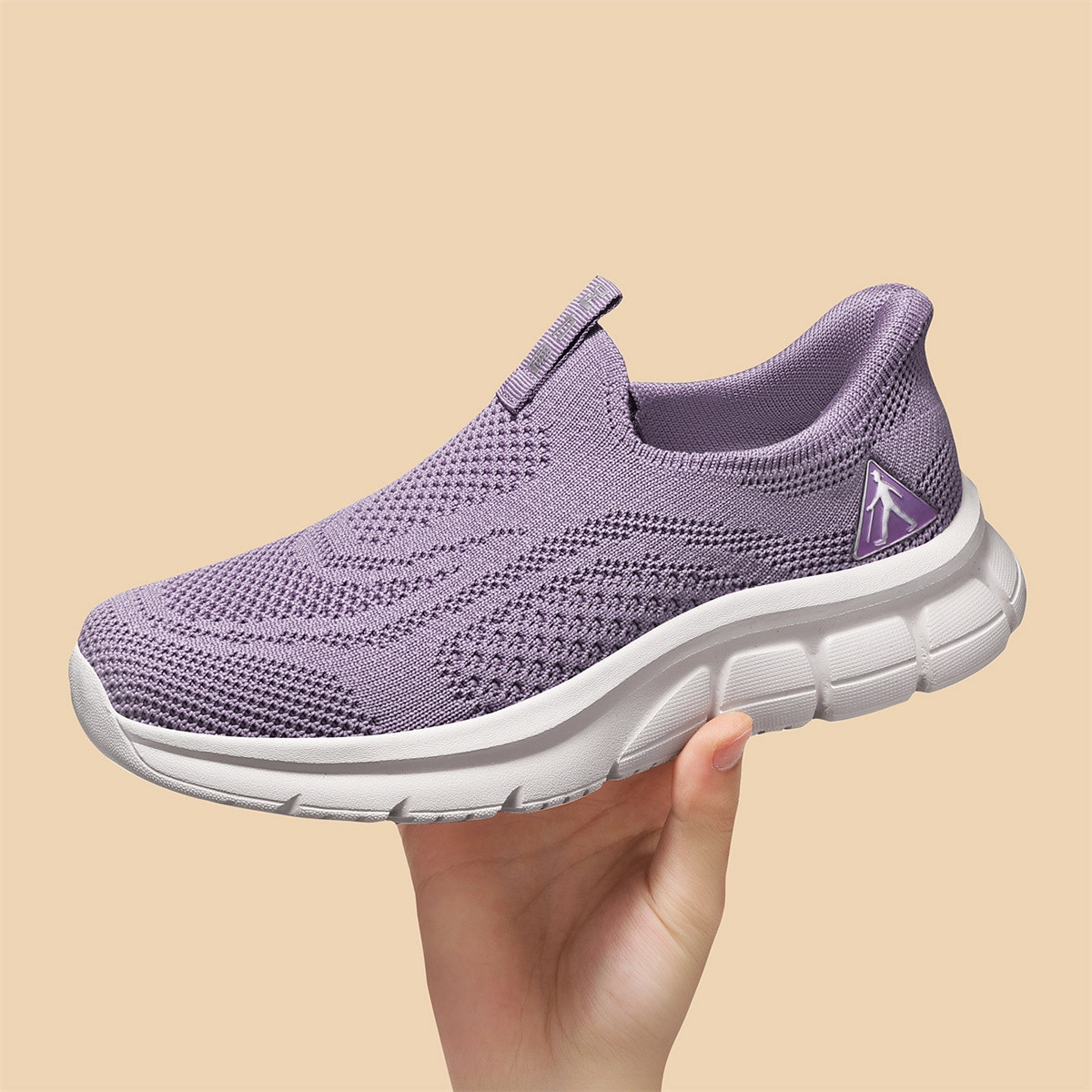
ZULIZ Women's Easy-On Lightweight Walking Shoes 26113056

Start Your ZULIZ Partnership Inquiry
Tell us about your market, business type, and cooperation interest. Our team will help you explore suitable senior footwear franchise, wholesale, or distributor opportunities.
Contact us

Ray.pang@zuliz.com

+86 155 1699 6565

5th Floor, Building 2, Courtyard 3, No. 521, Binhui North 1st Street, Tongzhou District, Beijing
Copyright © 2026 ZULIZ. All Rights Reserved. Designed by Gooeyun. Privacy Policy | Terms and Conditions | Sitemap
Facebook
YouTube
Instagram
Twitter