


Wholesale Comfort Footwear: A Practical Guide to Sourcing, Order Planning, and Supply Costs

- Quick Answer
- Key Takeaways
- 1. What Should Wholesale Comfort Footwear Businesses Establish Before Sourcing?
- 2. How Can Businesses Source Wholesale Comfort Shoes Through Different Supply Routes?
- 3. How Should Businesses Build a Wholesale Comfort Footwear Assortment for Different Sales Channels?
- 4. How Do MOQ and Order Quantities Affect Wholesale Comfort Footwear Purchases?
- 5. How Should Businesses Evaluate Wide-Width Comfort Shoes and Their Suppliers?
- 6. How Can Businesses Calculate the Total Landed Cost of Wholesale Comfort Footwear?
- 7. How Do Production and Shipping Lead Times Affect Wholesale Comfort Shoe Orders?
- 8. How Should Businesses Plan Reorders and Long-Term Comfort Footwear Supply?
- Conclusion
- Discuss Your Wholesale Comfort Footwear Requirements with ZULIZ
Quick Answer
Sourcing wholesale comfort footwear requires more than comparing unit prices. Retailers, wholesalers, distributors, importers, and franchise partners should evaluate product assortment, supplier capabilities, minimum order quantities, sample quality, landed costs, production schedules, and replenishment requirements before placing an order. The right sourcing plan depends on the target market, sales channels, available budget, and expected demand. By comparing products and supply arrangements systematically, businesses can build a comfort footwear range that fits their customers and operating model. ZULIZ provides comfort footwear options for commercial partners to evaluate according to their product, sourcing, and distribution requirements.
Key Takeaways
Match the sourcing route, product range, and supplier arrangement to your business model and target market.
Select products with distinct purposes, supported specifications, suitable sizes, and clear customer relevance.
Evaluate MOQ, sample costs, freight, duties, and other applicable expenses instead of relying on unit price alone.
Confirm production lead times, quality expectations, order communication, and replenishment arrangements before scaling.
1. What Should Wholesale Comfort Footwear Businesses Establish Before Sourcing?
Before contacting suppliers, businesses should define what they intend to sell, who they intend to serve, and how the products will move through their sales channels. A footwear retailer supplying a local customer base may need a focused selection with manageable inventory, while a regional distributor may require a broader range that can support several retail accounts.
These differences affect product selection, order quantities, sample evaluation, delivery arrangements, and the information needed from a supplier. Starting with a clear sourcing brief helps businesses compare offers on consistent terms instead of choosing products based on price or appearance alone.
Define the Target Market for Comfort Footwear
Identify the intended customer group, sales geography, retail format, and expected price positioning. Consider whether products will be sold through independent shoe stores, regional distribution networks, franchise locations, or online channels. Each model can create different requirements for product presentation, inventory depth, size availability, and delivery coordination.
Businesses developing a comfort footwear assortment should also distinguish between general everyday footwear and styles intended for more specific fit preferences. Product descriptions should reflect verified characteristics of each model rather than making broad comfort or performance claims that the specifications do not support.
Prepare a Wholesale Footwear Sourcing Brief
A sourcing brief can include the target market, intended sales channels, product categories, preferred sizes, estimated order quantities, budget range, and expected delivery window. Businesses considering customization should also identify which product details may need to change, such as materials, colors, branding, or packaging, subject to the supplier's actual capabilities.
Product categories can help structure the assortment. Depending on the target market, a business may compare walking shoes, Dad Shoes, and travelling footwear styles against customer needs. The right mix should be based on the actual product range, verified specifications, and the role each model plays in the collection.
When preparing a quotation request, send the intended market, preferred product types, estimated quantities, and target delivery window. This makes it easier to clarify product availability and applicable terms; the checklist in ZULIZ's wholesale quotation preparation guide outlines the information to prepare.
This preparation is particularly useful when comparing wholesale comfort shoe sourcing for U.S. stores with supply arrangements intended for other markets. The requirements should be specific enough to support meaningful comparisons but flexible enough to accommodate different supplier proposals.
Comfort Footwear Sourcing Checklist
Write down the products you need, the customers you serve, and the commercial conditions your business can support. Use the same brief when comparing suppliers so that differences in price, MOQ, lead time, and product specifications are easier to identify.
2. How Can Businesses Source Wholesale Comfort Shoes Through Different Supply Routes?
Wholesale comfort shoes can be sourced through different commercial arrangements, including established-brand supply, authorized distribution, wholesale partnerships, and custom manufacturing where available. The appropriate route depends on the degree of product control required, the resources available to the business, and the supplier's actual service scope.
These routes should not be treated as interchangeable. Purchasing an established product range is different from commissioning a customized design, and neither arrangement automatically guarantees particular pricing, exclusivity, stock availability, or minimum order terms.
Businesses considering a branded store model can separately check the available ZULIZ franchise options and confirm the applicable eligibility, territory, and cooperation conditions directly with the company.
Compare Established Comfort Footwear Brands
Working with an established footwear brand may allow a business to select from an existing product range rather than develop every product from the beginning. Before proceeding, confirm which models are available, how orders are placed, whether regional distribution arrangements apply, and what product documentation the supplier can provide.
Businesses should also clarify whether products are supplied directly by the brand, through an authorized distributor, or through another approved commercial channel. The actual arrangement determines who handles ordering, communication, and after-sales coordination.
OEM, ODM, and Private-Label Footwear Options
Custom manufacturing and private-label arrangements may be relevant when a business needs more control over product design, materials, branding, or packaging. The available options depend on the supplier's development capabilities, tooling requirements, production constraints, and agreement with the customer. Businesses weighing those trade-offs against an established brand route can compare the options in a comparison of private-label development and a ZULIZ brand partnership.
Before selecting this route, ask which elements can be customized, whether development samples are required, how revisions are handled, and how customization affects cost and lead time. Businesses should also confirm ownership and usage rights for approved designs, branding assets, and other project-specific materials in the commercial agreement.
Compare Wholesale Shoe Supply Models
| Supply Route | Main Consideration | Questions to Confirm |
|---|---|---|
| Established-brand wholesale | Existing product range and supply terms | Which models, sizes, and territories are available? |
| Authorized distribution | Account conditions and channel responsibilities | What authorization, territory, and support terms apply? |
| OEM or ODM manufacturing | Product development and customization scope | Which design, material, and development services are available? |
| Private-label supply | Branding, packaging, and product responsibilities | What branding options, approvals, and order conditions apply? |
Businesses comparing suppliers should request written terms for the specific route they intend to use. The label applied to a supply arrangement is less important than the actual services, responsibilities, and costs confirmed in the agreement.
3. How Should Businesses Build a Wholesale Comfort Footwear Assortment for Different Sales Channels?
A wholesale comfort footwear assortment should reflect the needs of the intended market and the way products will be sold. A store may need a compact range that is easy to present and explain, while a distributor serving several retail accounts may need products that fit different price positions, store formats, and customer preferences.
ZULIZ Comfort Footwear Styles for a Wholesale Assortment
The following live product pages provide examples for assortment evaluation. Check each product page for the current specifications and available options before including a model in a wholesale order.
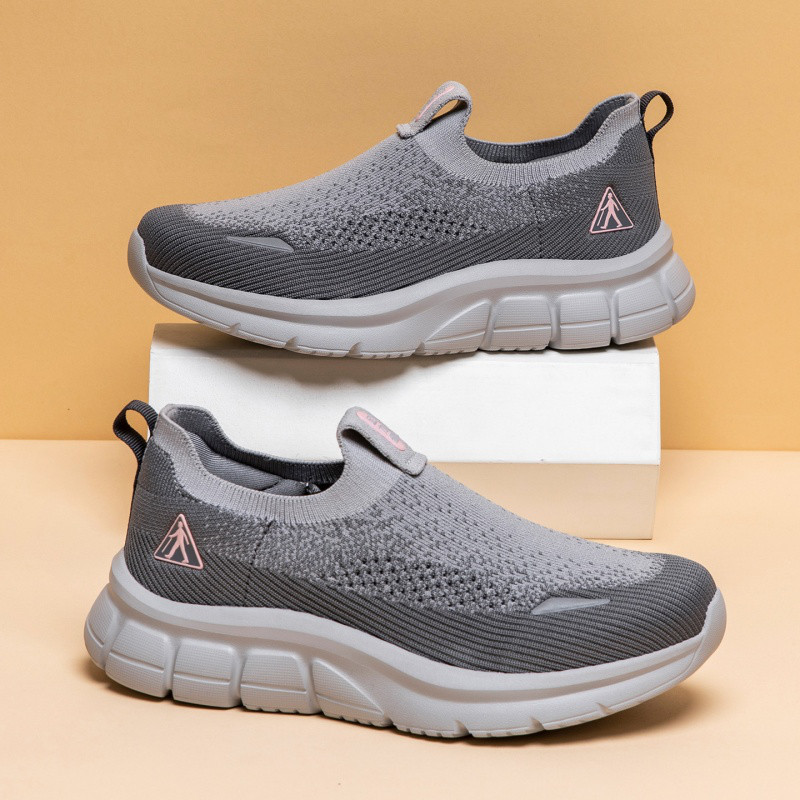
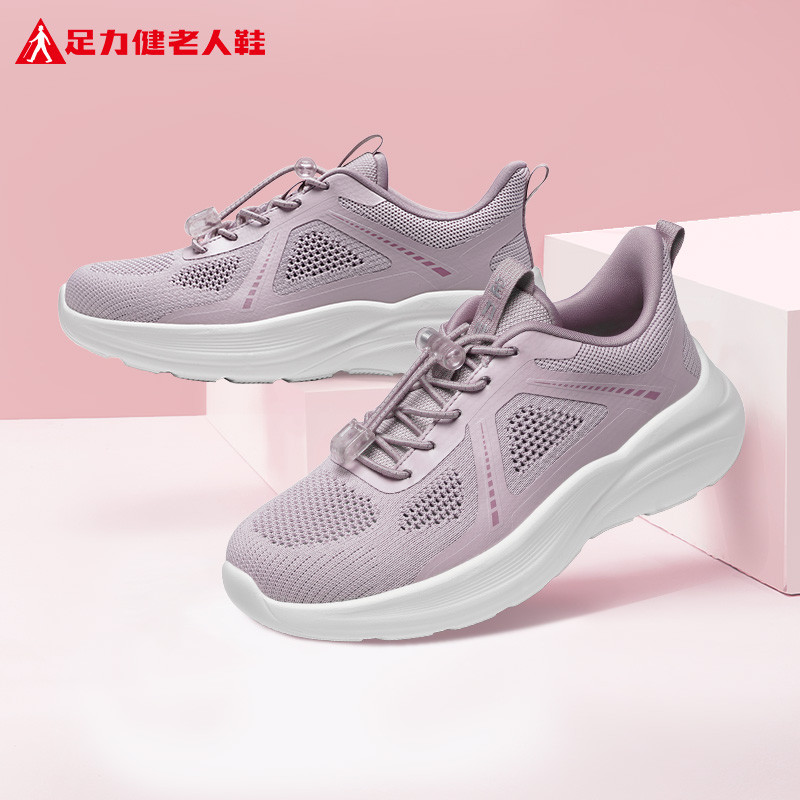
The objective is not to stock the largest possible number of styles. It is to build a range in which each product has a clear role, sufficient supporting information, and a reason to be included alongside the other selected models.
Select Comfort Shoes for Senior Customers
Start by grouping potential products according to verified design characteristics, intended use, fastening method, materials, and available sizing. For example, a collection may include everyday casual footwear, walking-oriented styles, or models with adjustable fastening, provided these categories reflect the supplier's actual range.
Avoid selecting several models that serve nearly identical purposes unless there is evidence that different colors, designs, or price points are needed. A more focused assortment can make product comparison, stock allocation, and performance tracking easier to manage.
Match Footwear Assortments to Sales Channels
Independent footwear stores may prioritize clear product differentiation and staff familiarity with each model. Multi-location retail operations may need consistent product records, repeatable size information, and allocation rules across stores. Online sellers depend on accurate descriptions, clear product photographs, and accessible sizing information before customers place an order.
Distributors supplying different retail accounts should also determine which products form the core range and which are intended for particular customer groups. This helps avoid sending an identical assortment to every account when local demand, store format, or available shelf space differs. For initial assortment and reorder planning, the guide to sourcing senior comfort shoes in bulk for different channels offers a more detailed first-order framework.
Compare Shoe Specifications Before Ordering
| Comparison Area | What to Record | Why It Matters |
|---|---|---|
| Product identity | Model, style, color, and product category | Reduces confusion between similar products |
| Specifications | Materials, construction, fastening, and sizes | Supports accurate product evaluation |
| Commercial terms | Unit price, MOQ, lead time, and payment terms | Enables comparable sourcing decisions |
| Channel suitability | Target account, selling method, and stock needs | Connects assortment decisions with business needs |
For product-specific evaluation, businesses can compare the available options in the ZULIZ comfort footwear product range. The final shortlist should be based on verified model details, sample evaluation, and the needs of the intended sales channel.
4. How Do MOQ and Order Quantities Affect Wholesale Comfort Footwear Purchases?
Minimum order quantity, commonly called MOQ, can influence the amount of capital a business needs before it can begin selling a product. However, MOQ should not be evaluated in isolation. The relevant terms may differ between existing-stock products, mixed-model orders, custom designs, and private-label projects.
A low MOQ may help a business limit its initial stock commitment, but the total order can still involve sample expenses, freight, packaging, import costs, and other charges. Conversely, a larger order may have different unit pricing while creating greater inventory exposure. The right decision depends on the full commercial terms and realistic demand expectations.
Stock Orders vs. Customized Footwear Orders
Existing products and customized products may follow different order requirements. A supplier may have finished stock available for some models but require material purchasing, sample development, or production scheduling for customized work. These differences can affect both the minimum quantity and the time needed to fulfill an order.
Before committing, ask whether the MOQ applies per model, per color, per size, or to the entire order. Confirm whether mixed-model or mixed-size orders are permitted and whether any customization changes the applicable conditions.
Estimate Initial Wholesale Shoe Order Costs
Businesses should calculate the financial commitment using the actual quotation rather than assuming that the advertised MOQ represents the full cost. The comparison should include product value, sample or development charges where applicable, freight, import expenses, and any required packaging or labeling costs.
For customized projects, the MOQ considerations for custom senior comfort shoes deserve separate attention because development requirements may differ from those of a standard wholesale order.
What to Check in Low-MOQ Comfort Shoes
Low-MOQ offers can be useful when testing a new market, but businesses should verify the exact conditions behind the offer. Confirm which models are included, whether sizes can be mixed, whether the quantity applies to repeat orders, and whether the stated terms are available to the intended customer account.
For wide-width product selections, the distinction between an advertised no-MOQ offer and a low-MOQ wholesale arrangement is particularly important. Review the actual terms of the ZULIZ wide-width comfort shoes no-MOQ offer and confirm current availability before making purchasing assumptions.
Wholesale Footwear Order Checklist
Obtain written confirmation of the MOQ, eligible models, size and color combinations, sample requirements, unit prices, lead time, and any additional charges. Do not assume that a condition advertised for one product or order type automatically applies to every other order.
5. How Should Businesses Evaluate Wide-Width Comfort Shoes and Their Suppliers?
Wide-width comfort footwear requires careful product evaluation because width descriptions, sizing systems, and actual shoe dimensions can vary between models and suppliers. Businesses should not rely on a broad product label alone to determine whether a particular style will suit their intended customers.
The objective is to establish what the product actually offers, whether its specifications are consistent, and whether the supplier can provide the information needed to present it accurately. These checks are especially important when a business plans to offer several sizes or models under one product category.
Confirm Sizing and Width Options for Senior Comfort Shoes
Ask for the available size chart and any width-related measurements or fit guidance the supplier can provide. Where possible, evaluate samples in more than one size and record the fit around the forefoot, instep, heel, and overall length. A description such as wide-width or wide-fit should be supported by relevant product information rather than treated as a universal sizing standard.
Businesses should also check whether sizing information is consistent across models. A size designation on one product should not automatically be assumed to fit the same way in another design, especially when the construction or materials differ.
Evaluate Shoe Samples and Construction Quality
Sample evaluation should cover the upper material, lining, seams, fastening method, outsole attachment, and finishing. If a supplier provides specific performance or material claims, request the supporting specifications or test information relevant to those claims.
Businesses should document any issues found during sample evaluation and confirm how approved samples relate to the specifications for future production. This provides a clearer reference point when reviewing delivered products or discussing quality expectations.
Assess a Comfort Footwear Supplier's Capabilities
Product quality is only one part of supplier evaluation. Businesses should also examine communication, quotation accuracy, sample arrangements, production planning, order documentation, and the ability to explain relevant supply conditions. For ongoing business, consistent product identification and clear order records can be as important as the initial sample.
When comparing offers, the supplier requirements for wholesale wide-width comfort shoes should be considered alongside the product itself. A suitable supplier should be able to explain the available models, order terms, and documentation relevant to the proposed arrangement.
6. How Can Businesses Calculate the Total Landed Cost of Wholesale Comfort Footwear?
The quoted unit price is only one component of the cost of importing wholesale comfort footwear. The total landed cost depends on the transaction terms, shipment details, applicable duties and taxes, freight arrangements, customs procedures, and any additional charges incurred before the goods reach the intended destination.
Calculating these costs before placing an order helps businesses compare supplier quotations on a more consistent basis. It also provides a better starting point for setting wholesale prices, evaluating margins, and deciding whether a proposed order fits the available budget. For the related question of how cost and market-entry timing interact, see how senior comfort shoe costs can affect market-entry timing.
Main Cost Components in Wholesale Footwear Sourcing
Depending on the transaction and shipping arrangement, a landed-cost estimate may include:
- Product cost: The value of the ordered footwear based on the agreed quantity and unit price.
- Sampling or development expenses: Applicable sample, tooling, or customization charges.
- Freight and insurance: Transportation and insurance costs where applicable.
- Import duties and taxes: Charges determined by the destination market, product classification, customs valuation, and applicable regulations.
- Customs and handling: Relevant brokerage, port, terminal, handling, or clearance charges.
- Local delivery and storage: Transportation to the warehouse, distribution center, or other agreed destination, plus any relevant storage expenses.
Not every shipment will incur every cost listed above, and the party responsible for each charge depends on the agreed trade terms. Businesses should use actual quotations and destination-specific information rather than applying a generic percentage to every shipment.
Compare Comfort Footwear Supplier Quotations
A supplier quotation may cover different services or delivery stages from another quotation. Before comparing the totals, check the agreed Incoterm, named delivery location, included transport services, insurance responsibilities, and any charges that remain payable by the importer.
For example, a lower product price may not represent the lower overall cost if the quotation excludes freight or other expenses that another offer includes. The comparison should account for the same quantity, equivalent product specifications, comparable delivery terms, and the same intended destination.
Calculate Landed Cost per Pair of Comfort Shoes
Where appropriate, businesses can estimate landed cost per pair by dividing the total relevant shipment costs by the number of sellable pairs received. If the shipment contains samples, damaged units, or other items that cannot be sold as planned, those quantities should be treated consistently in the calculation.
Basic Landed-Cost Formula
Total landed cost = product cost + applicable freight and insurance + duties and taxes + customs and handling + other applicable delivery expenses.
Estimated landed cost per sellable pair = total relevant landed cost ÷ number of sellable pairs received.
For a more detailed cost breakdown, businesses can use the existing guide to calculating the landed cost of importing senior comfort shoes from China. The actual result should be based on the shipment's commercial terms and destination-specific charges.
7. How Do Production and Shipping Lead Times Affect Wholesale Comfort Shoe Orders?
Lead time influences when a business can receive stock, launch a new range, and replenish products that are selling. However, the total time required is not determined by shipping alone. Product availability, sample approval, material preparation, production scheduling, quality checks, customs procedures, and final delivery can all affect the order timeline.
Businesses should distinguish between ready-stock orders and orders that require manufacturing or customization. These routes may have different schedules, and the actual lead time should be confirmed for the specific products, quantities, and delivery destination involved.
Wholesale Shoe Production and Shipping Lead Times
Ask the supplier to clarify when the production clock starts, which approvals must be completed before production, and when the shipment is expected to be ready. Transit time should then be considered separately, together with customs clearance and local delivery where relevant.
A quoted production period may not include sample development, material procurement, or the time required for approval of customized products. Similarly, a shipping estimate may exclude delays caused by customs checks, peak-season congestion, or changes to the transport arrangement.
Build a Realistic Footwear Order Calendar
Businesses planning a launch or seasonal assortment should work backward from the date when products need to be available for sale. The schedule should allow time for product selection, sample evaluation where required, order confirmation, production, shipment, receiving checks, and preparation for distribution.
It is also useful to agree on communication milestones. Written updates about sample approval, production progress, shipment booking, and dispatch can make it easier to identify schedule changes before they affect downstream commitments.
Manage Shipping Delays and Supply Variations
Do not assume that a previous order's timeline will automatically apply to a new order. Changes in quantity, product specifications, materials, production capacity, or shipping arrangements can affect the schedule. Confirm the expected timeline for each order and establish how changes will be communicated.
The existing guide on manufacturing and shipping lead times for wholesale senior comfort shoes provides a more detailed starting point for comparing different order paths.
8. How Should Businesses Plan Reorders and Long-Term Comfort Footwear Supply?
Successful sourcing does not end when the first order arrives. Businesses also need to determine which products to replenish, how to allocate stock across sizes and sales channels, and how to communicate repeat-order requirements to suppliers. A workable replenishment process connects actual sales performance with future purchasing decisions.
For retailers and distributors, this means recording product performance at a useful level of detail instead of treating the entire footwear range as one inventory category. Differences between models, sizes, colors, and sales locations can affect which products need replenishment and when.
Track Comfort Footwear Inventory by Model and Size
Record sales, remaining stock, returns, and customer feedback by model and size where the available systems allow. This can help identify products with consistent demand, sizes that need closer monitoring, and models that may require a smaller future order.
Businesses should avoid relying on total sales alone. A model may perform well overall while certain sizes move slowly, or a product that sells steadily across several stores may need different allocations by location. More detailed records make it easier to adjust the next order to actual performance.
Set Reorder Triggers and Supplier Communication
Reorder decisions should consider current inventory, expected sales during the replenishment period, lead time, and any planned promotions or seasonal changes. Businesses can establish internal reorder points based on their own sales history and service requirements rather than relying on a single rule for every model.
When a product performs consistently, confirm whether the supplier can support repeat orders with the required specifications and whether any material, production, or pricing conditions have changed. Repeat orders should still be checked against current quotations and availability. If the business is considering a proprietary label, review the OEM and private-label manufacturer options for senior comfort shoes before deciding the next supply route.
Review Reorder Economics and Total Supply Costs
Product cost is only one part of a sourcing decision. Sample expenses, order preparation, transport, receiving, inventory holding, and the time required to make a range ready for sale can also influence the commercial outcome. These factors should be considered alongside actual sell-through and replenishment requirements.
Comfort Footwear Replenishment Checklist
- Review sales, remaining inventory, and returns by model and size.
- Check the expected demand during the next supply period.
- Confirm current prices, stock availability, MOQ, and lead times.
- Check whether product specifications or commercial terms have changed.
- Record the order decision and the reasons for changing quantities or product selection.
Conclusion
Building a reliable wholesale comfort footwear supply plan requires coordinated decisions about product selection, sourcing routes, order quantities, supplier capabilities, landed costs, production schedules, and replenishment. Each decision affects the commercial requirements of the next stage, so businesses should evaluate the entire process rather than focusing on a single factor such as unit price or MOQ.
Retailers, wholesalers, distributors, importers, and franchise partners can start by defining their target market and preparing a consistent sourcing brief. They can then compare available products, review samples and specifications, confirm the full order terms, and establish a realistic plan for delivery and repeat purchasing.
ZULIZ offers comfort footwear options for businesses to evaluate according to their target markets and commercial requirements. Businesses seeking broader company and cooperation information can visit the ZULIZ brand and partner information page. Before proceeding with a specific order or cooperation model, confirm the available products, specifications, pricing, order conditions, and delivery arrangements directly with the supplier.
Discuss Your Wholesale Comfort Footwear Requirements with ZULIZ
Whether you operate a footwear retail business, wholesale operation, distribution network, import business, or franchise, prepare your target market, product preferences, estimated quantities, and delivery requirements to discuss suitable ZULIZ footwear options and commercial arrangements.
Discuss Wholesale Footwear Requirements
Brazil's Comfort Footwear Market: Filling Gaps Beside Orthopedic Lines
India's Comfort Footwear Market: Wide Fits and Regional Assortments
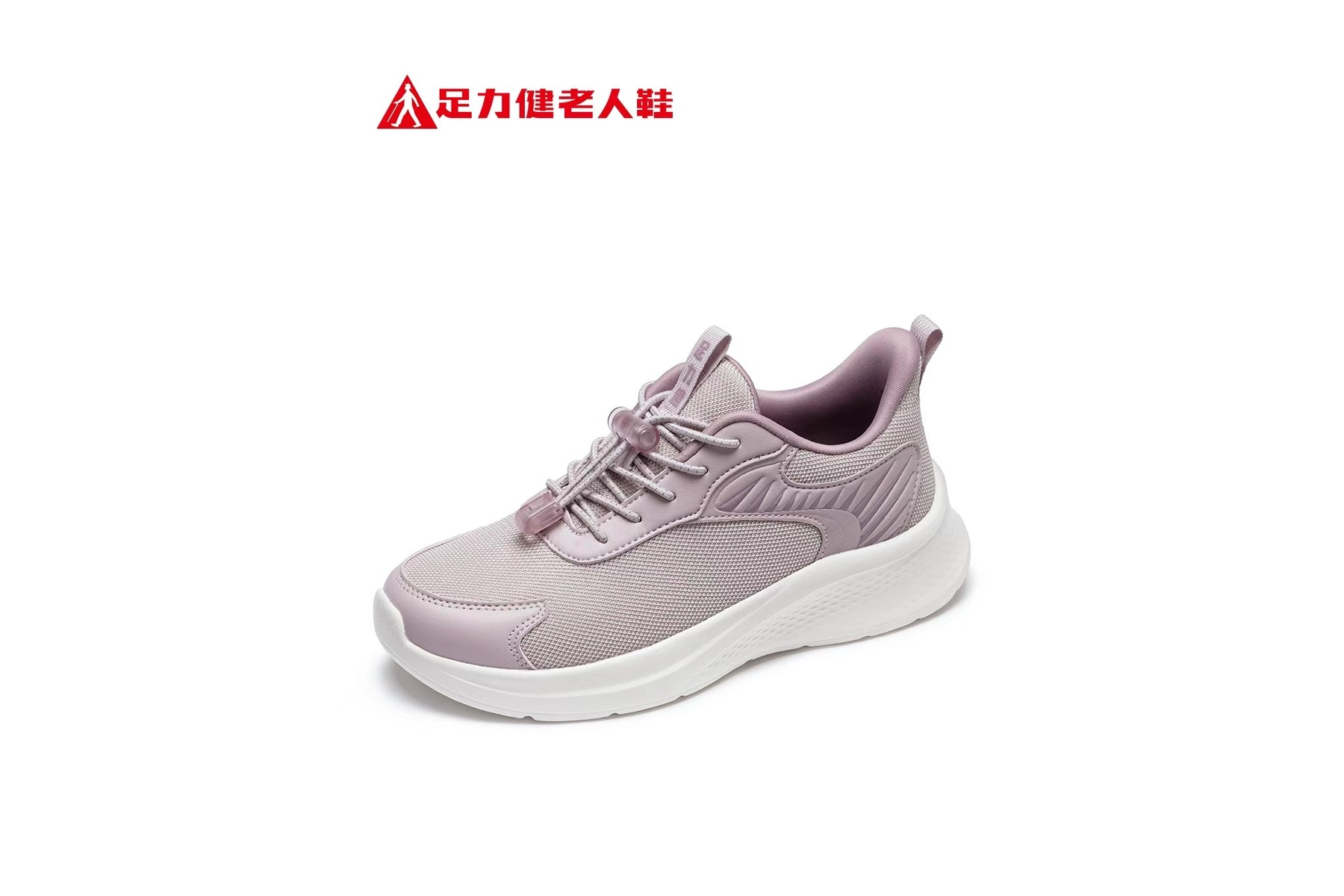
The U.S. Comfort Footwear Market: Importers and Wide-Fit Wholesalers

Store Conversion in Comfort Footwear: Rethinking the Fit Wall
You May Also Like
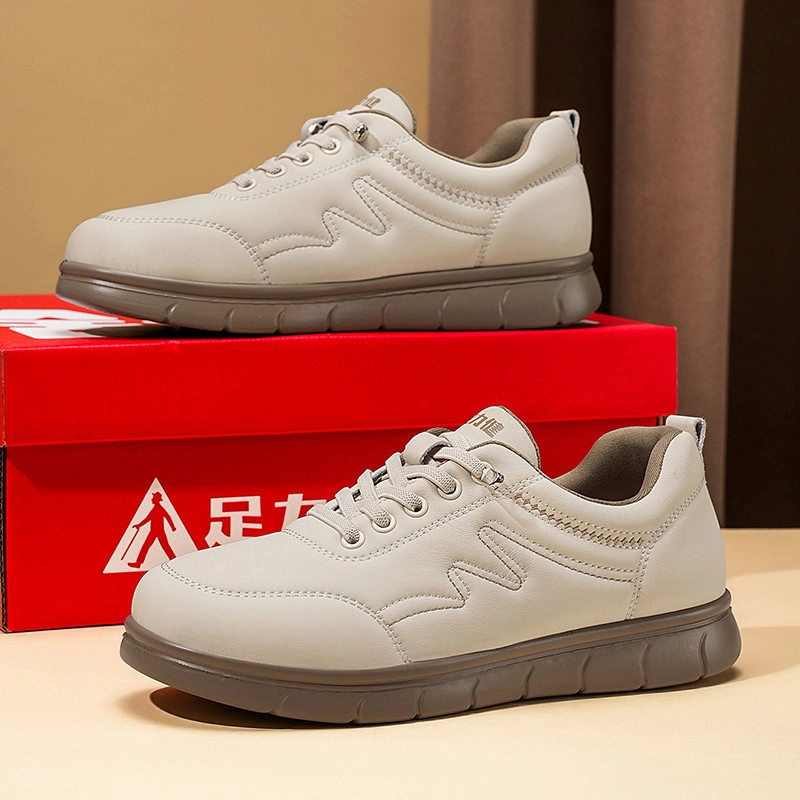
ZULIZ Women's Lightweight Walking Shoes 25386228
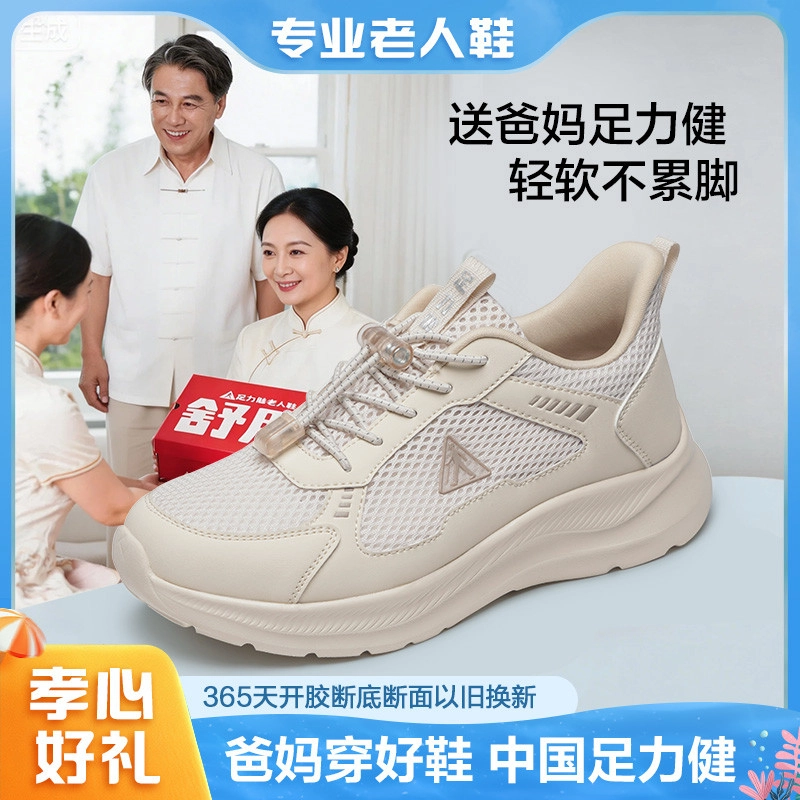
ZULIZ Unisex Breathable Easy-On Walking Shoes 26213070
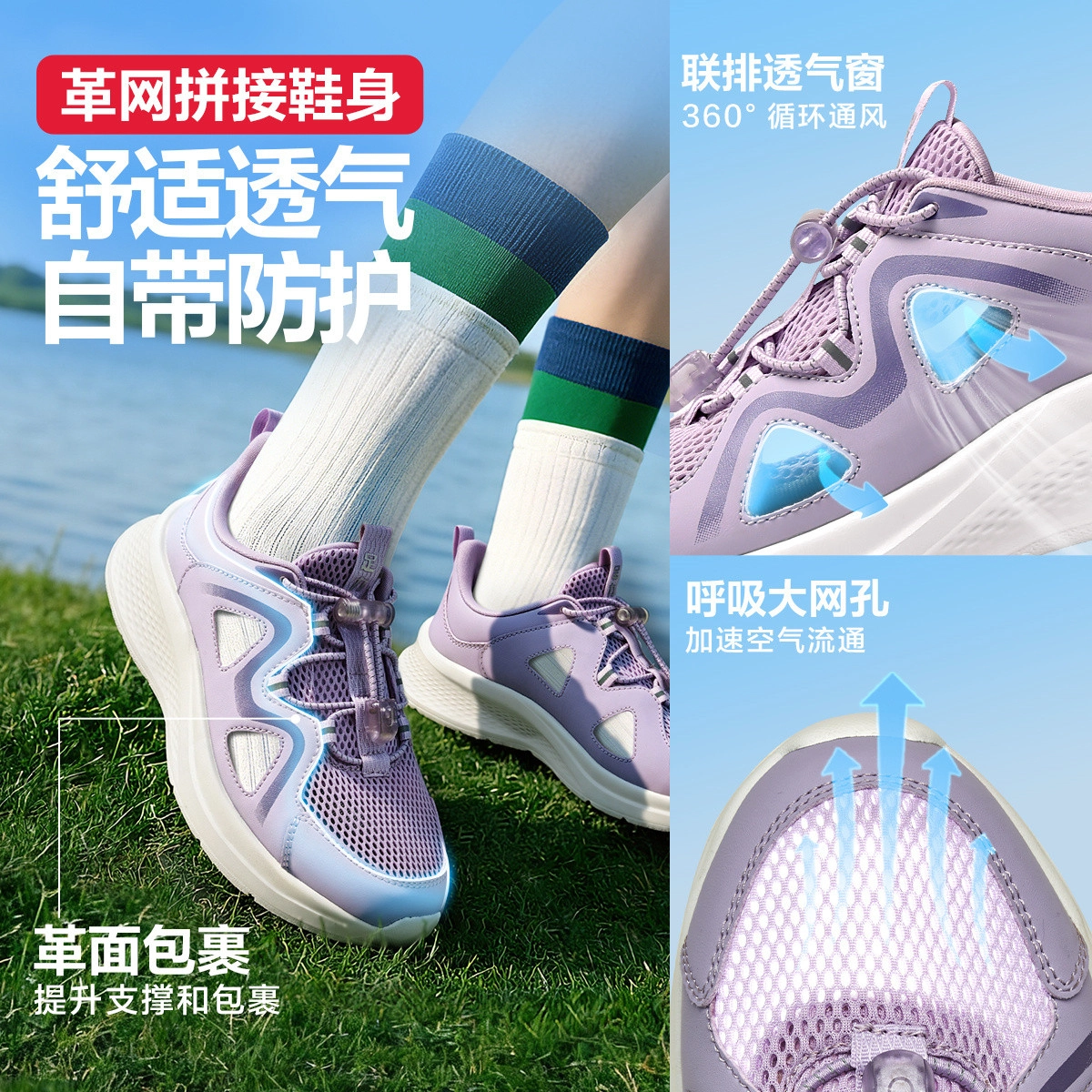
ZULIZ Unisex Breathable Walking Shoes 26226004
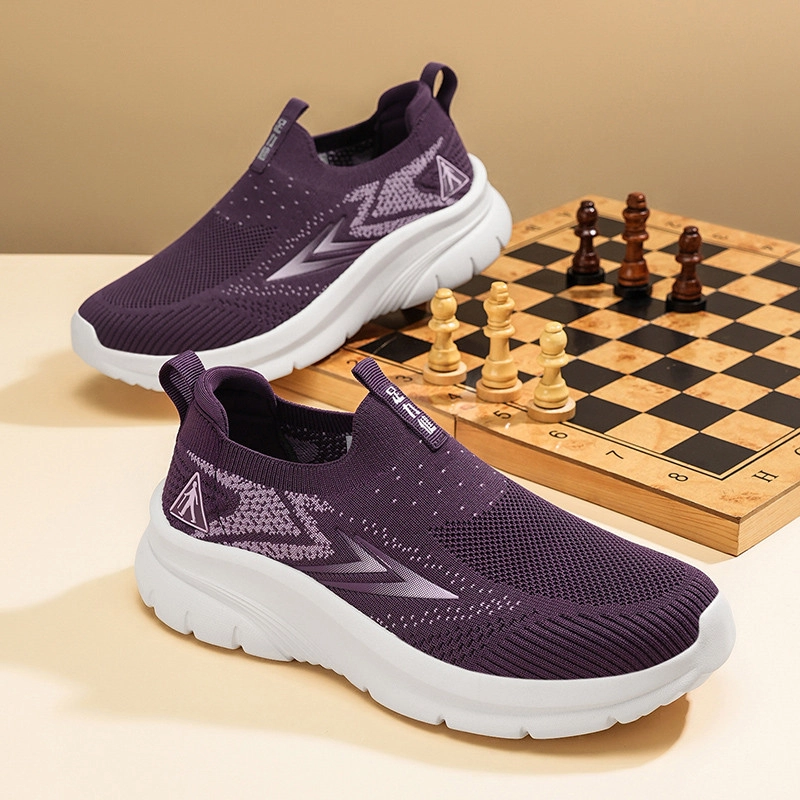
ZULIZ Unisex Easy-On Lightweight Walking Shoes 26186021
Start Your ZULIZ Partnership Inquiry
Choose your partnership type and enter your email to request ZULIZ distribution terms and brand support.
Contact us

Ray.pang@zuliz.com

+86 155 1699 6565

5th Floor, Building 2, Courtyard 3, No. 521, Binhui North 1st Street, Tongzhou District, Beijing
Copyright © 2026 ZULIZ. All Rights Reserved. Designed by Gooeyun. Privacy Policy | Terms and Conditions | Sitemap
Facebook
YouTube
Instagram
Twitter