


Wholesale Comfortable Walking Shoes: What Is Driving Market Demand and Retail Opportunities?-ZULIZ

Walking shoes are gaining ground as shoppers seek comfort for everyday wear. See what is driving demand for comfortable walking shoes and where retailers can find opportunities in wholesale comfortable walking shoes.
- Quick Answer
- Key Takeaways
- 1. What Is Driving Demand for Comfortable Walking Shoes?
- 2. How Is an Aging Population Influencing the Comfortable Walking Shoes Market?
- 3. Which Consumer Preferences Are Shaping Comfortable Walking Shoes Demand?
- 4. Where Are the Retail Opportunities for Wholesale Comfortable Walking Shoes?
- 5. How Do Comfortable Walking Shoes Market Needs Differ Across Customer Segments?
- 6. How Can Retailers Identify Local Demand for Comfortable Walking Shoes?
- 7. How Can Distributors Turn Comfortable Walking Shoes Demand into Business Opportunities?
- 8. How Can ZULIZ Help Retailers Respond to Comfortable Walking Shoes Market Demand?
- Conclusion
- FAQ
- Turn Comfortable Walking Shoe Market Demand into Retail Opportunities with ZULIZ
Quick Answer
Demand for comfortable walking shoes is influenced by several factors, including aging populations, everyday mobility needs, changing consumer expectations, and interest in practical footwear that can be worn across different daily activities. For retailers and distributors, these developments may create opportunities to expand comfortable walking shoe collections, serve specific customer segments, and respond to gaps in local footwear assortments. However, broad market trends do not guarantee sales in every region. Businesses considering wholesale comfortable walking shoes should examine customer feedback, local search interest, existing sales performance, and channel-specific demand before expanding their product range.
Key Takeaways
Comfortable walking shoe demand reflects everyday footwear needs, demographic changes, and evolving expectations for practical daily comfort.
Mature consumers, everyday walkers, and comfort-focused shoppers may value different combinations of convenience, appearance, and usability.
Wholesale comfortable walking shoes may support category expansion across independent stores, specialty retailers, online channels, and distribution networks.
Retailers should validate demand through real customer inquiries, sales patterns, regional search interest, and controlled product testing.
Comfortable walking shoes occupy an important position in the broader everyday footwear category. Consumers do not purchase walking shoes solely for exercise. Many also want practical footwear for shopping, commuting, travel, errands, and other daily activities where comfort and convenience influence their purchasing decisions.
For footwear retailers, wholesalers, and distributors, the commercial question is not simply whether comfortable walking shoes are popular. It is whether identifiable customer groups in their target markets have needs that existing product assortments do not fully satisfy. Understanding those needs can help businesses evaluate category expansion without relying entirely on broad industry predictions.
This article examines the factors influencing comfortable walking shoes market demand, the customer segments that may present retail opportunities, and practical ways to assess local market potential. The focus is on identifying and validating commercial demand rather than repeating general footwear selection or wholesale purchasing procedures.
1. What Is Driving Demand for Comfortable Walking Shoes?
Demand for comfortable walking shoes is shaped by the relationship between daily activities and consumer footwear expectations. Walking is part of ordinary life for many people, and footwear that feels appropriate for extended daily use may appeal to consumers who prioritize practicality alongside appearance.
Several demand drivers deserve attention. Consumers may look for footwear that transitions between different activities, accommodates personal comfort preferences, or simplifies their daily routines. Mature shoppers may place particular importance on convenience, while other buyers may want lightweight designs that fit a casual wardrobe.

These factors do not affect every market equally. Retailers should distinguish between general consumer interest in comfortable footwear and demonstrated demand for particular walking shoe styles, price ranges, or sizes within their own customer base.
Key Factors Influencing Comfortable Walking Shoe Demand
Consumers may prioritize footwear that suits routine walking and daily activities rather than occasional use alone.
Easy-to-use footwear designs may attract shoppers seeking a simpler dressing routine.
Shoes that work with casual clothing and multiple everyday situations may appeal to practical buyers.
Differences in age structure and lifestyle can influence the types of comfortable footwear sought in local markets.
For wholesale buyers, understanding these demand drivers helps clarify the commercial role of a comfort footwear category. A store serving mature customers may observe different purchasing motivations from an online retailer targeting everyday casual footwear shoppers.
These market signals are most useful when considered alongside the broader commercial role of comfortable walking shoes in a wholesale assortment. Demand analysis can identify a potential opportunity, while the overall category strategy determines how that opportunity fits the retailer's business.
2. How Is an Aging Population Influencing the Comfortable Walking Shoes Market?
Population aging is one demographic factor that footwear businesses may consider when assessing long-term demand for comfortable walking shoes. As the proportion of older adults changes in different regions, retailers may encounter a larger potential customer base with particular preferences concerning daily footwear comfort and convenience.
For example, some mature consumers may appreciate footwear that is straightforward to put on, easy to incorporate into everyday activities, and available in styles that do not appear overly specialized. However, older shoppers are not a single uniform customer group. Their preferences vary according to lifestyle, personal taste, activity level, and individual needs.
Demographic projections can provide useful context, but they should not be treated as direct footwear sales forecasts. An increase in the number of older adults does not automatically establish how many pairs of walking shoes will be purchased, which brands consumers will choose, or what retail prices they will accept.
From Demographic Change to Retail Opportunity
Examine the size and characteristics of the mature consumer population.
Identify which footwear characteristics matter to local mature shoppers.
Confirm customer interest through inquiries, sales results, and product testing.
Retailers evaluating the senior walking shoes market should consider demographic information from sources such as national statistical agencies and the United Nations, then compare it with local consumer behavior. This helps distinguish long-term market potential from short-term purchasing assumptions.
For distributors, demographic differences between regions may also influence where comfort-focused footwear deserves additional attention. A market with a substantial mature consumer population may justify further investigation, but commercial expansion should still depend on demonstrated retail demand.
3. Which Consumer Preferences Are Shaping Comfortable Walking Shoes Demand?
Consumer expectations for comfortable walking shoes extend beyond a single feature. Buyers may consider how footwear feels during everyday use, how easily it fits into their routine, and whether the appearance suits their preferred clothing and activities.
For retailers, the important distinction is between a product characteristic and the customer motivation behind it. Lightweight construction may appeal to shoppers who dislike heavy footwear. Easy-on designs may attract buyers who value convenience. Breathable materials may be relevant to consumers seeking a particular wearing experience in their local climate.
These preferences should be treated as potential demand signals rather than universal priorities. A feature that generates interest among one customer group may have limited appeal in another market. Retailers can use customer questions and sales feedback to identify which preferences actually influence purchase decisions.
For example, two shoppers may both request comfortable walking shoes but have different reasons for doing so. One may prioritize easy entry for daily convenience, while another may want a lightweight shoe for casual outings. Treating these motivations as distinct helps retailers interpret customer demand more accurately.
Retailers should therefore collect preference information in practical terms: which features customers request, what problems they hope to address, and which styles they actually purchase. This evidence is more useful for commercial planning than assuming every consumer values the same comfort features.
4. Where Are the Retail Opportunities for Wholesale Comfortable Walking Shoes?
Wholesale comfortable walking shoes can be relevant to several retail channels, but the nature of the opportunity depends on each channel's customers and product positioning. A specialty comfort footwear store may already attract buyers with specific wearing preferences, while a general footwear retailer may be considering whether to introduce a dedicated comfort-focused category.
For independent retailers, the opportunity may involve serving customer requests that existing inventory does not adequately address. Multi-store operators may be able to compare demand across locations. Online retailers can assess search behavior and product-page engagement to identify interest in particular walking shoe styles.
These are different commercial situations. A channel with a large audience is not necessarily the most attractive opportunity if demand is weak or competition is intense. Retailers should assess customer fit and evidence of unmet demand before deciding how much attention to give the category.
A practical retail opportunity usually begins with a specific observation. Customers may repeatedly ask for easier-to-wear shoes, a store may notice that comfortable casual styles perform better than expected, or several retail accounts may report similar requests that are not currently covered by their suppliers.
Such signals can justify further investigation, but they do not establish profitability by themselves. The next step is to understand which customer groups generate the interest and whether that interest can translate into repeatable retail sales.
5. How Do Comfortable Walking Shoes Market Needs Differ Across Customer Segments?
The comfortable walking shoes market includes customers with different lifestyles, purchasing motivations, and expectations. Segmenting these groups helps retailers understand where demand originates rather than treating comfort footwear as one broad category with identical customer needs.
Mature consumers may be interested in convenient daily footwear, while casual walkers may place greater emphasis on versatility and lightweight styling. Customers purchasing shoes for routine errands may prioritize practical everyday use, whereas travel-oriented shoppers may seek footwear that fits a range of casual situations.
These examples are useful starting hypotheses, not fixed rules about age or lifestyle. Retailers should confirm the actual preferences of their customers before assigning product categories to a particular segment.
Understanding Different Walking Shoe Customer Groups
Daily Comfort & Convenience
Potential demand may center on easy wearing, practical styling, and footwear suitable for everyday routines.
Lightweight Everyday Use
Some shoppers may look for comfortable casual footwear that fits routine walking and leisure activities.
Versatile Practical Footwear
Demand may involve shoes that work for errands, shopping, and a range of ordinary daily situations.
Convenience Across Activities
Some consumers may value shoes that combine casual appearance with practical use during travel and outings.
Understanding customer segments is particularly useful when several groups shop within the same retail channel. A store may serve both mature consumers seeking easy-on footwear and younger shoppers interested in casual comfort. Their motivations may overlap, but the product presentation that attracts each group can differ.
Once a retailer has identified a meaningful customer segment, the next consideration is aligning walking shoe features with specific customer expectations. That product-level evaluation should follow market segmentation rather than replace it.
6. How Can Retailers Identify Local Demand for Comfortable Walking Shoes?
National demographic trends and general footwear preferences can help identify possible market opportunities, but local demand must be evaluated separately. A comfortable walking shoe style that attracts interest in one region may perform differently in another because of climate, customer demographics, retail competition, and purchasing habits.
Retailers can begin with information already available inside their businesses. Sales records, customer questions, product returns, and requests for unavailable styles may reveal demand patterns that are not obvious from general market reports.
External signals can add context. Regional search trends, competitor assortments, and customer feedback from online channels may help identify whether interest is concentrated around particular footwear needs. No single indicator should be treated as sufficient evidence for a large category expansion.
Four Practical Ways to Validate Walking Shoe Demand
Analyze Existing Sales Patterns
Compare sales performance across relevant comfort footwear styles, customer groups, and selling periods. Look for repeated patterns rather than isolated strong sales days.
Track Customer Inquiries
Record recurring questions about comfort, easy-on designs, sizes, appearance, and everyday use. Unmet requests may indicate assortment gaps worth testing.
Compare Regional Search Interest
Use tools such as Google Trends to examine relative interest in relevant footwear terms across regions and seasons. Search interest should be interpreted alongside sales evidence.
Identify Assortment Gaps
Compare customer requests with the styles currently available through local competitors and existing retail suppliers. Investigate gaps that appear consistently.
Turning Demand Signals into a Practical Market Test
A useful approach is to develop a small, clearly defined market test. For example, a retailer receiving repeated inquiries about easy-on walking shoes could introduce a limited selection aimed at that specific need and track customer response over a defined selling period.
The test should measure more than initial interest. Relevant indicators may include conversion rates, sell-through, customer feedback, return reasons, and whether demand continues after the initial introduction. A product that attracts attention but rarely converts into sales may require different positioning or may not represent a commercially attractive opportunity.
Treat broad market trends as reasons to investigate, not as proof of local demand. The strongest category decisions combine customer behavior, sales evidence, and controlled product testing.
This approach helps retailers distinguish genuine category opportunities from short-term enthusiasm. It also provides more useful information for discussions with distributors and wholesale partners because the business can describe actual customer needs rather than relying only on general market expectations.
7. How Can Distributors Turn Comfortable Walking Shoes Demand into Business Opportunities?
For footwear distributors, market demand is often visible through the combined experiences of multiple retail accounts. Individual stores may report similar customer requests, but each account sees only part of the wider regional picture. A distributor can compare these signals to determine whether an opportunity extends beyond one retailer.
The first step is to identify patterns across customers. If several retailers serving comparable consumer groups report interest in convenient everyday walking shoes, that may justify a coordinated market assessment. If the demand is concentrated in one location or depends on a narrow seasonal trend, a broader rollout may be premature.
Distributors should also consider the commercial implications of serving different market segments. A comfort footwear category may be relevant to specialty retailers, general footwear stores, and online accounts, but the styles and product presentation suitable for each channel can differ.
A distributor may begin with a limited group of retail partners and compare customer response before expanding into additional territories. This can reveal whether a particular walking shoe category has repeatable commercial appeal and whether the same product positioning works across different stores.
Once demand has been validated, attention can shift from market assessment to purchasing execution. At that stage, preparing a wholesale walking shoe order around confirmed retail needs becomes relevant to translating the opportunity into a practical supply arrangement.
The distinction matters: market research establishes whether a category deserves investment, while purchasing decisions determine how the business will obtain and distribute the products. Keeping these stages separate can reduce the risk of expanding an assortment before customer demand is sufficiently understood.
8. How Can ZULIZ Help Retailers Respond to Comfortable Walking Shoes Market Demand?
Once a retailer or distributor has identified a potential market opportunity, the next step is to connect the customer demand with suitable footwear categories. ZULIZ offers a comfort-focused footwear range that businesses can examine when considering everyday walking shoes for their retail markets.
The most useful starting point is a clear description of the intended customer group. Rather than requesting comfortable walking shoes in general, a retailer can explain whether its customers are primarily mature consumers, casual everyday walkers, or buyers seeking convenient footwear for routine activities.
This information helps make a product discussion more relevant to actual market needs. Retailers can then assess available ZULIZ styles and confirm which products, sizes, and commercial arrangements are suitable for their target customers.
What to Share When Discussing Market Opportunities with ZULIZ
Describe Your Target Market
Identify the country or region, retail channel, and customer groups you intend to serve.
Explain Customer Preferences
Summarize recurring requests concerning comfort, convenience, styling, and everyday use.
Share Available Market Evidence
Provide relevant sales observations, customer inquiries, or results from an initial category test.
Clarify Your Business Objective
Explain whether you are testing a new category, expanding an existing collection, or serving additional retail accounts.
Businesses that are still identifying suitable product directions can begin with the walking shoe styles available within the ZULIZ collection. Existing products can help retailers compare general design directions with the preferences observed in their target markets.
For example, a retailer serving mature consumers may wish to discuss convenient everyday walking shoe designs, while another business may be interested in lightweight casual styles. The appropriate products and cooperation conditions should be confirmed directly rather than assumed from general market trends.
By combining local demand evidence with a focused product inquiry, retailers and distributors can make their discussions with ZULIZ more commercially meaningful. The objective is to identify footwear options that fit a demonstrated customer need and determine whether a practical wholesale cooperation opportunity exists.
Conclusion
The market for comfortable walking shoes is influenced by demographic changes, everyday mobility needs, and consumer preferences for practical footwear. These factors may create opportunities for retailers and distributors, particularly where identifiable customer groups are not fully served by existing footwear assortments.
However, general demand drivers should not be confused with guaranteed retail growth. Businesses evaluating wholesale comfortable walking shoes should combine broader market context with customer inquiries, local sales evidence, channel-specific observations, and controlled product testing.
For retailers and distributors considering ZULIZ, the most productive approach is to begin with a clearly defined market opportunity. Understanding who the target customers are, what they expect from everyday footwear, and how that demand has been validated can provide a stronger foundation for selecting products and discussing wholesale cooperation.
FAQ
What is driving demand for comfortable walking shoes?
Demand is influenced by everyday comfort expectations, convenient footwear designs, consumer lifestyle preferences, and demographic changes. The importance of each factor varies by market and customer segment.
Does an aging population automatically increase walking shoe sales?
No. Population aging may indicate a larger potential customer group, but actual footwear sales depend on purchasing behavior, product suitability, pricing, competition, and local retail conditions.
Which retailers may benefit from wholesale comfortable walking shoes?
Independent footwear stores, specialty comfort retailers, multi-store chains, and online footwear businesses may find opportunities when comfortable walking shoes address demonstrated customer needs in their markets.
How can retailers test local demand before expanding their walking shoe category?
Retailers can analyze existing sales, record customer inquiries, compare regional search interest, and test a limited selection of products. Sell-through, customer feedback, and repeat performance can help determine whether broader expansion is justified.
How can distributors assess comfortable walking shoe opportunities across different regions?
Distributors can compare customer requests, retail account feedback, demographic characteristics, and category sales across territories. Consistent demand signals from several retailers may support a targeted market test before wider distribution.
Turn Comfortable Walking Shoe Market Demand into Retail Opportunities with ZULIZ
Identified an opportunity for comfortable walking shoes in your retail or distribution market? Share your target customer group, preferred footwear styles, and business requirements with ZULIZ. Our team can discuss relevant product information and potential wholesale cooperation options to help you evaluate the next step.
Discuss Your Wholesale Walking Shoes Opportunity
Brazil's Comfort Footwear Market: Filling Gaps Beside Orthopedic Lines
India's Comfort Footwear Market: Wide Fits and Regional Assortments
The U.S. Comfort Footwear Market: Importers and Wide-Fit Wholesalers
Store Conversion in Comfort Footwear: Rethinking the Fit Wall
You May Also Like
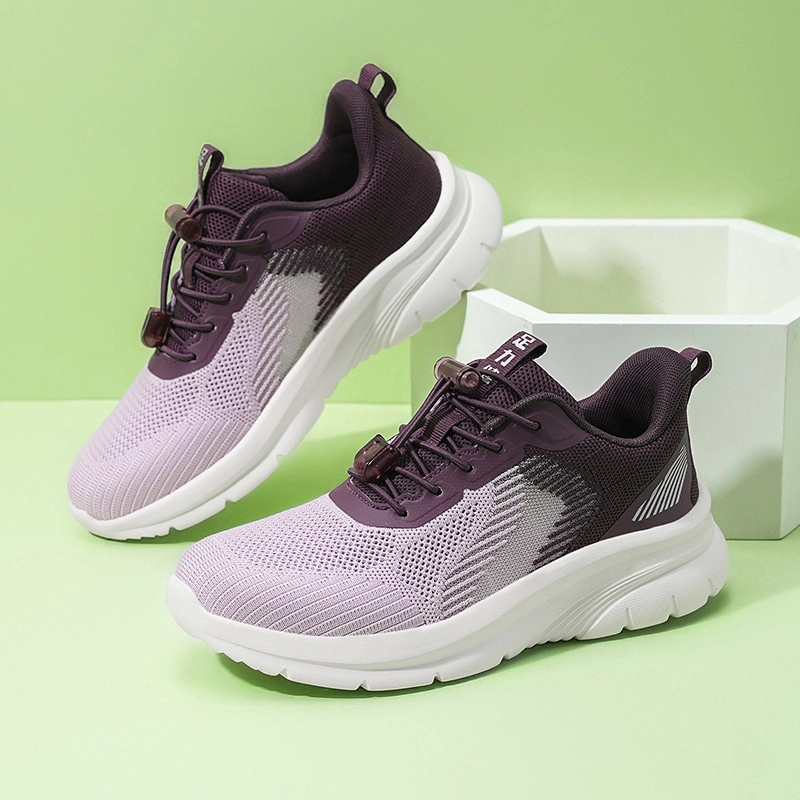
ZULIZ Women's Lightweight Walking Shoes 26286101
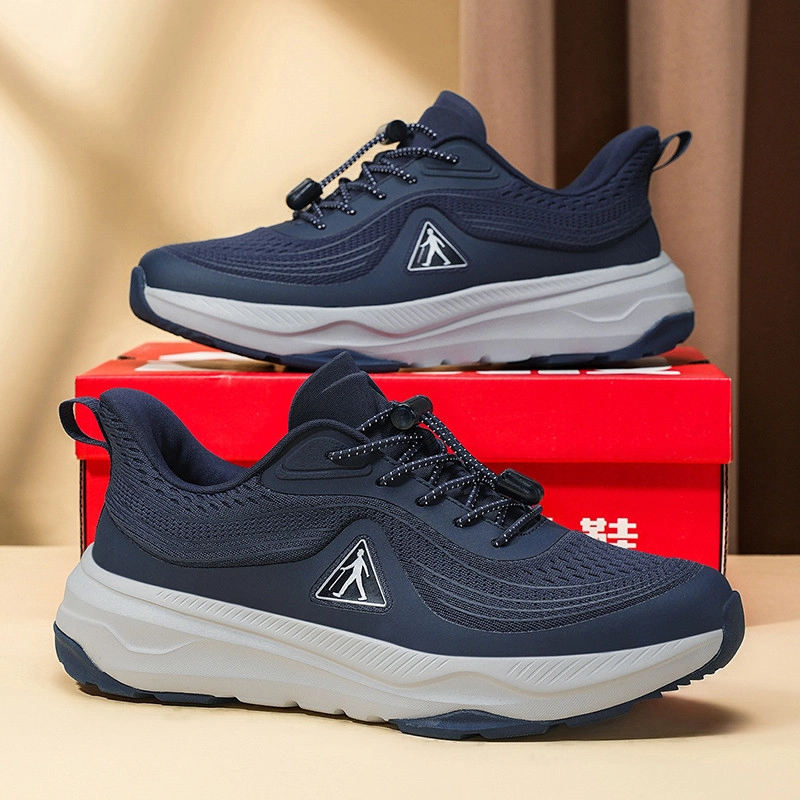
ZULIZ Men's Walking Shoes 25386212
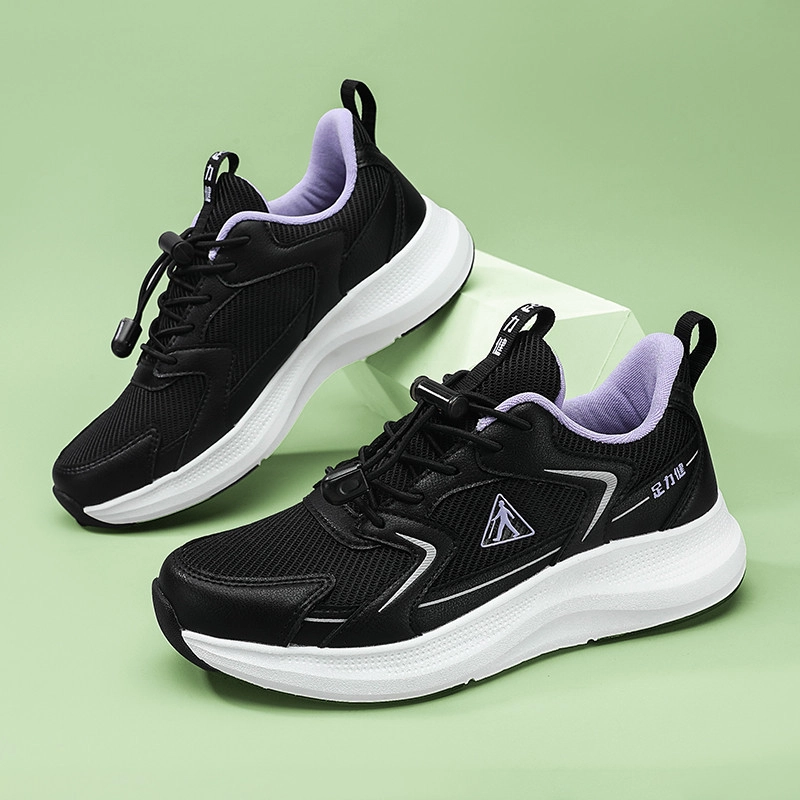
ZULIZ Women's Breathable Lightweight Shoes for Everyday Walking KH-25189052
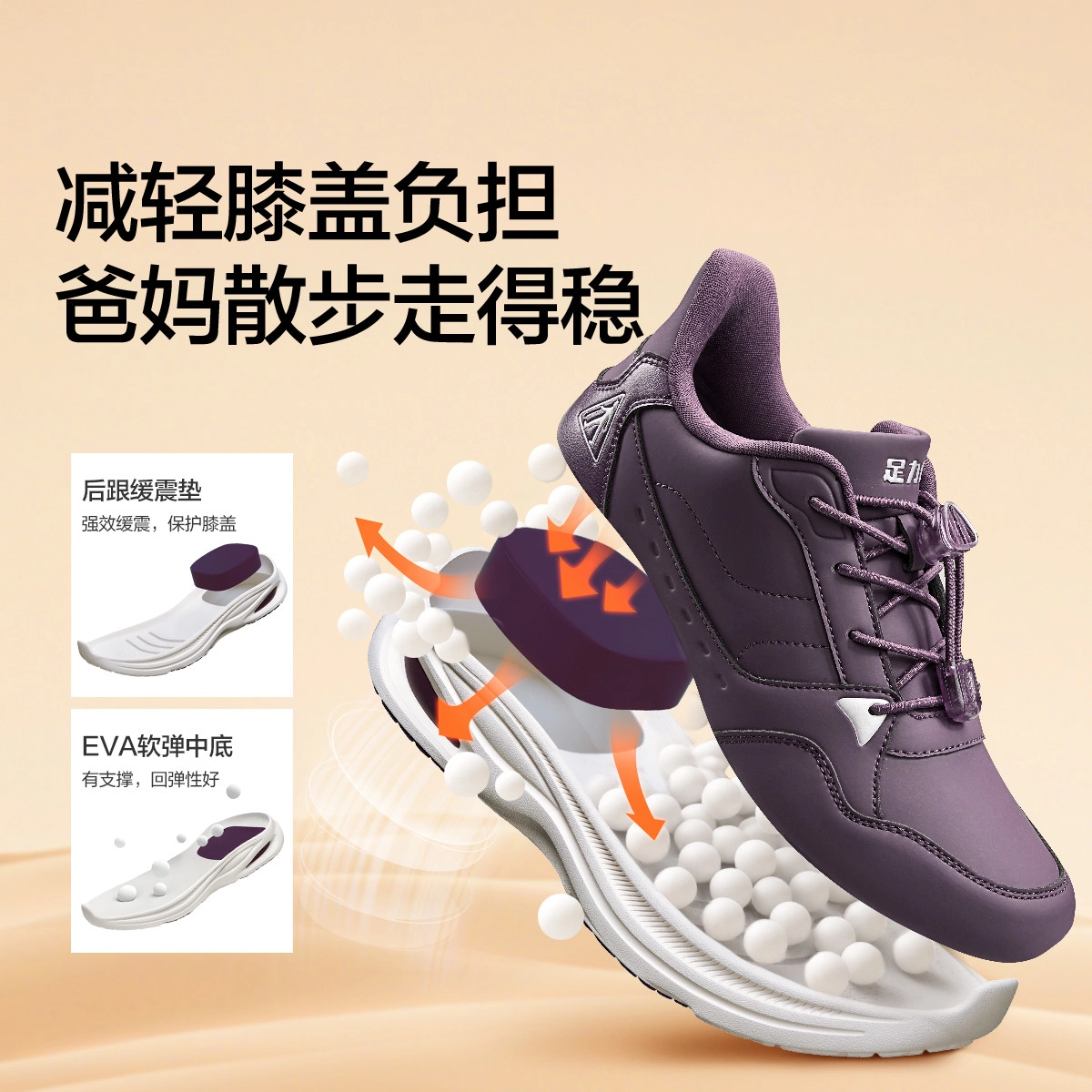
ZULIZ Unisex Easy-On Cushioned Walking Shoes 25313061
Start Your ZULIZ Partnership Inquiry
Choose your partnership type and enter your email to request ZULIZ distribution terms and brand support.
Contact us

Ray.pang@zuliz.com

+86 155 1699 6565

5th Floor, Building 2, Courtyard 3, No. 521, Binhui North 1st Street, Tongzhou District, Beijing
Copyright © 2026 ZULIZ. All Rights Reserved. Designed by Gooeyun. Privacy Policy | Terms and Conditions | Sitemap
Facebook
YouTube
Instagram
Twitter