


Wholesale Men’s Shoes: Product and Supply Solutions for Different Business Models

A supply-coordination guide for organizing selected men’s footwear across accounts, with stock allocation, product records and replenishment matched to each business model.
- Quick Answer
- Key Takeaways
- 1. How Different Business Models Shape Wholesale Men's Shoe Requirements
- 2. How Independent Retailers Can Build a Focused Wholesale Men's Shoe Assortment
- 3. How Wholesalers Can Organize Men's Shoe Products for Bulk Resale
- 4. How Regional Distributors Can Coordinate Wholesale Men's Shoe Supply
- 5. How Franchise Operators Can Maintain Consistent Wholesale Men's Shoe Collections
- 6. How Online Partners Can Organize Wholesale Men's Shoes for Ecommerce
- 7. How to Structure Wholesale Men's Shoe Assortments Across Business Models
- 8. How to Coordinate Wholesale Men's Shoe Supply With Different Business Needs
- Conclusion
- Frequently Asked Questions
- Find the Right Wholesale Men's Shoe Assortment for Your Business
Quick Answer
Wholesale men's shoes require different product and supply arrangements depending on the business model. Independent retailers may prioritize a focused assortment for local customers, wholesalers need product ranges suited to bulk resale, distributors coordinate products across regional accounts, franchise operators may require consistent collections across multiple locations, and online partners depend on accurate product information and inventory visibility. A practical wholesale strategy aligns product assortment, size coverage, stock planning and product information with the intended business model. This guide focuses on organizing a selected range across accounts: allocation, product records, stock coordination and replenishment. Complete model and sample selection first, then assess the supply plan against your business structure, actual availability and market needs.
Key Takeaways
Retailers, wholesalers, distributors, franchise operators and online partners have different product and operational priorities.
Style variety, size coverage, product categories and stock depth should reflect the intended customer base and sales model.
Bulk orders, regional distribution, multi-location operations and ecommerce each create different inventory and coordination requirements.
The most suitable wholesale arrangement is one that matches actual product availability, order requirements and the partner's operating capabilities.
1. How Different Business Models Shape Wholesale Men's Shoe Requirements
Businesses involved in wholesale men's shoes do not all serve the same customers or operate in the same way. An independent footwear store sells directly to local customers, a wholesaler supplies other commercial accounts, a regional distributor coordinates products across a territory, and a franchise operator may need to maintain a consistent product offering across multiple locations. Online partners face another set of requirements related to digital product presentation and order fulfillment.
These differences affect more than the quantity of shoes purchased. They also influence which categories to carry, how many styles to introduce, how to organize size ranges, how to communicate product information and how to plan replenishment. Treating every partner as though it follows the same purchasing and selling model can lead to unsuitable assortments or unnecessary inventory complexity.
Product Requirements Depend on the Intended Customer
The first consideration is the customer each business serves and the comfort or fit needs it intends to address. A store may need a focused selection of walking and casual shoes, while a wholesaler may coordinate a broader range across accounts. For an importer, document destination-market requirements and receiving responsibilities; for a wide-fit wholesaler, track verified size-width variants by model. These are planning questions to resolve with the actual accounts, rather than findings about a particular country.
The objective is not to carry the largest possible number of models. It is to establish a product range with a clear purpose, suitable variety and enough information to help each partner determine where individual styles fit within its business.
Supply Requirements Depend on Operating Structure
A business with one location may manage stock differently from a company serving multiple stores or independent commercial accounts. The number of locations, order frequency, available storage and coordination responsibilities all influence the appropriate supply arrangement.
Before choosing a wholesale approach, businesses should distinguish between the products they want to sell and the operational resources needed to keep those products available. This separation helps establish a more realistic plan for assortment selection, inventory management and future expansion.
| Business Model | Main Product Consideration | Supply Consideration |
|---|---|---|
| Independent retailers | Focused assortment for local customers | Stock depth and replenishment needs |
| Wholesalers | Product variety suitable for resale accounts | Bulk availability and order coordination |
| Distributors | Assortment suited to regional customer groups | Inventory allocation and delivery planning |
| Franchise operators | Consistent product selection across locations | Coordinated store requirements |
| Online partners | Clearly organized digital product catalog | Accurate stock information and fulfillment |
These differences provide a starting point for planning a wholesale men's footwear business strategy. The following sections examine the practical product and supply considerations associated with each business model.
2. How Independent Retailers Can Build a Focused Wholesale Men's Shoe Assortment
Independent footwear stores often need to make the most of limited display space and inventory resources. A carefully planned assortment can give customers meaningful choices without requiring the store to stock numerous models that serve nearly identical purposes. For retailers serving senior male consumers, the range may include casual footwear, walking-oriented designs and convenient everyday styles, depending on local demand.
Choose Complementary Styles Instead of Duplicate Models
Product variety should reflect meaningful differences in appearance, intended use, available features and customer preference. Carrying several nearly identical casual shoes may create more complexity without giving customers a clear reason to choose one model over another.
Retailers can begin with a manageable selection of product categories and expand when sales data or customer requests reveal a genuine need. The aim is to give each model a defined role while leaving room to test additional styles.
Balance Size Coverage With Inventory Depth
A product range needs to account for both the variety of sizes customers request and the quantity stocked in each size. Stocking too many units in a narrow size range may leave some customers without a suitable option, while spreading inventory across too many styles can make each individual model difficult to maintain.
Retailers should use their own sales records, fitting feedback and product-level demand to determine the appropriate balance. Size availability should also be confirmed for each model rather than assumed to be identical across an entire collection.
Use a Practical Core Assortment
A core assortment can consist of the styles that consistently serve the store's main customer groups. Additional products can then be introduced to address specific preferences, seasonal needs or gaps identified through customer feedback.
This approach allows independent stores to maintain a recognizable collection while limiting unnecessary duplication. Product selection should remain grounded in the available models, their specifications and the store's actual customer profile.
Men's Footwear Options to Consider for a Retail Assortment
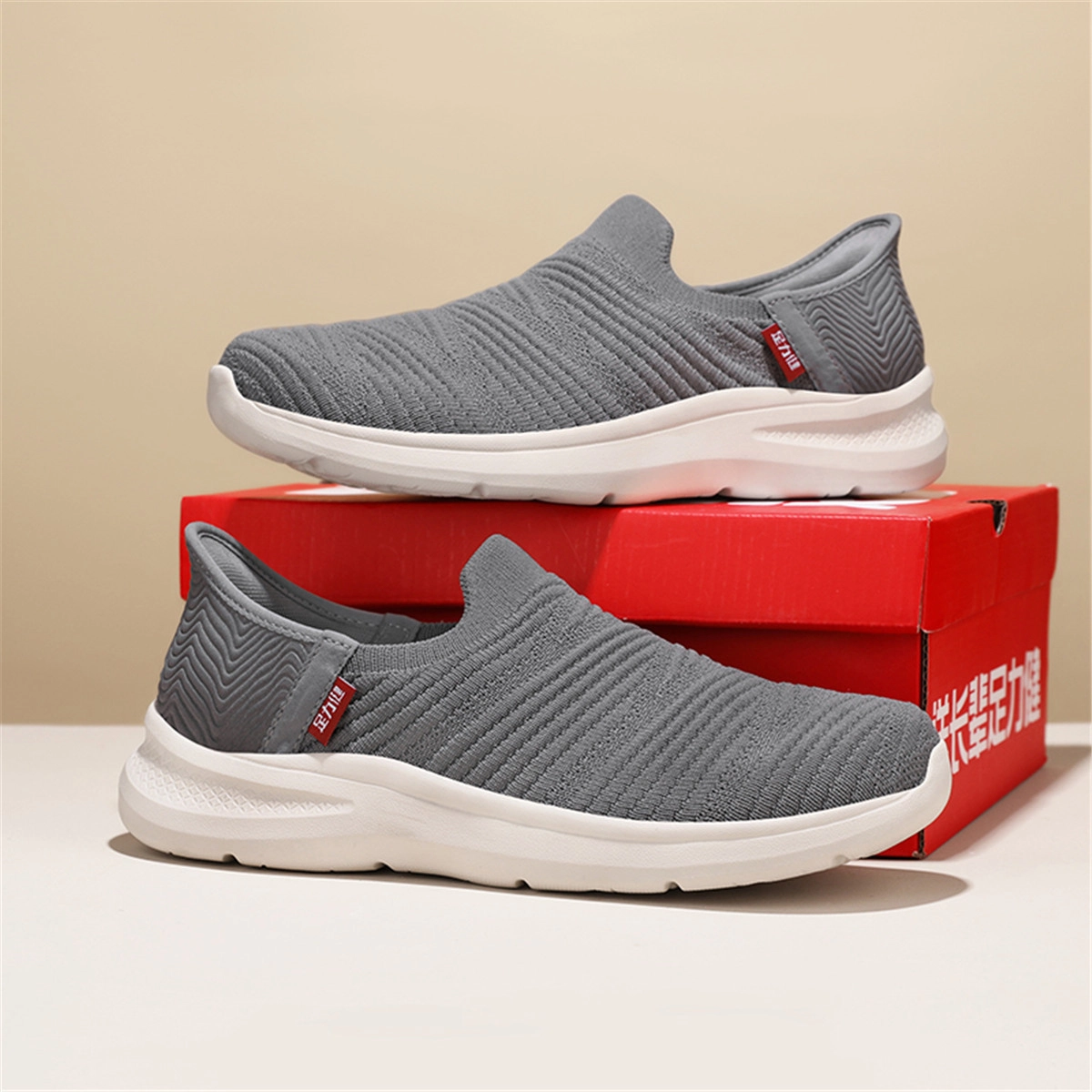
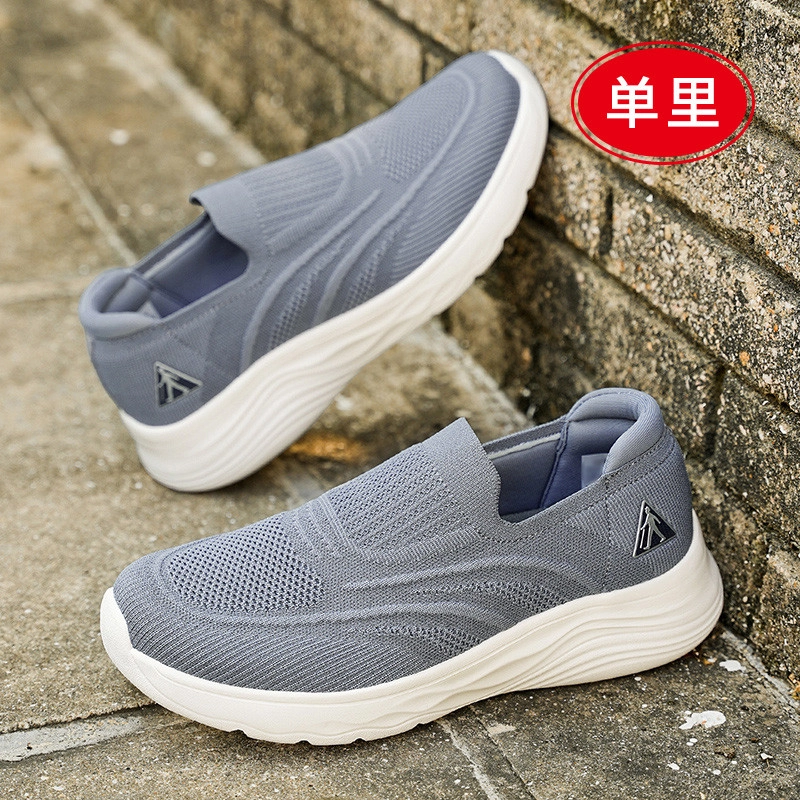
These products illustrate different assortment directions rather than a universal recommendation. Before planning a wholesale order, retailers should confirm the current specifications, available sizes, color options and commercial terms for each model.
3. How Wholesalers Can Organize Men's Shoe Products for Bulk Resale
Wholesalers serve commercial customers that may have different store formats, target audiences and purchasing patterns. Their product assortment therefore needs to support resale across multiple accounts rather than reflect only the preferences of one location. A well-organized range can make it easier for downstream businesses to compare categories and select products suited to their own customers.
Build a Product Range With Clear Category Roles
A wholesale catalog may include walking shoes, casual footwear and easy-on designs, provided those categories are supported by the available product range. Each model should have a clear place in the catalog, with accurate descriptions and sufficient differentiation to help commercial accounts compare options.
Wholesalers should avoid expanding the catalog simply to increase the number of listings. Products that overlap heavily can make assortment planning more complicated for both the wholesaler and its downstream customers. A focused range with complementary options can be easier to communicate and manage.
Match Bulk Orders to Downstream Demand
Bulk purchasing decisions should account for the demand expected from the wholesaler's own accounts. Historical order patterns, requests for particular styles and the performance of comparable products can help establish a more realistic estimate than relying on a broad market trend alone.
Where demand remains uncertain, businesses can assess a smaller initial assortment or staged purchasing plan. ZULIZ distribution orders and replenishment have no MOQ, allowing quantities to follow the buyer’s plan. Confirm available models, packing, fees and delivery timing before finalizing the order. Custom or OEM projects require separate scope and quantity assessment.
Make Product Information Easy to Reuse
Downstream accounts often need to transfer product details into their own catalogs, sales materials or inventory systems. Consistent model names, clear images, accurate specifications and up-to-date size information can reduce the work required to prepare a product for resale.
Wholesalers should organize information so that each product can be identified accurately across quotations, orders and product records. Any claims about materials, construction or performance should match the verified details supplied for the model.
Bulk Assortment Planning Checklist
✓ Define the types of downstream accounts the product range will serve.
✓ Separate complementary categories from products with substantial overlap.
✓ Estimate demand using account history and actual order patterns.
✓ Confirm stock, size availability and applicable order conditions before committing.
The main objective is to build a wholesale product range that downstream accounts can understand, select and sell without unnecessary assortment complexity. The next consideration is how this approach changes when products must be coordinated across a geographic distribution network.
4. How Regional Distributors Can Coordinate Wholesale Men's Shoe Supply
Regional distributors may serve multiple commercial accounts across different cities, territories or market segments. Their challenge is to coordinate product availability across those accounts while accounting for differences in demand. A model that performs well in one location may not generate the same sales in another, so regional planning should reflect actual customer and order information.
Organize Assortments Around Regional Account Needs
Distributors can group account requirements according to factors such as store type, existing product range and recurring order patterns. This helps identify which products may be relevant across multiple accounts and which are needed only by a narrower customer group.
The goal is to maintain a manageable regional assortment rather than create a separate, unnecessarily complicated product range for every account. Any regional differences should be based on identifiable demand and confirmed product availability.
Coordinate Inventory Allocation and Replenishment
Inventory allocation involves deciding where available stock should be held or assigned. Distributors need to consider current account requirements, stock on hand, delivery lead times and the consequences of a shortage in one location while another location has excess inventory.
Regularly updating order and stock records can help reveal these imbalances. Replenishment decisions should also account for confirmed supplier availability rather than assume that every model or size can be restocked immediately.
Maintain Consistent Product Records Across Accounts
When several accounts order the same product, consistent model identification helps prevent confusion between styles, sizes and product variations. Distributors can use standardized product records to keep quotations, orders and inventory information aligned.
Where a product changes or becomes unavailable, the relevant account records should be updated so that downstream customers do not continue to rely on outdated information. Clear communication is particularly important when a substitution or revised delivery arrangement needs to be discussed.
| Distribution Challenge | Practical Response | Information to Track |
|---|---|---|
| Different account requirements | Group demand by account type and product category | Order history and requested products |
| Uneven stock distribution | Review allocation and replenishment priorities | Stock by model, size and location |
| Inconsistent product information | Use consistent model and variation records | Specifications and availability updates |
| Uncertain replenishment timing | Coordinate forecasts with confirmed supply information | Lead times and outstanding orders |
Regional distribution works best when product decisions and inventory coordination are treated as connected tasks. The assortment should reflect the customers being served, while stock allocation should respond to actual demand and verified supply conditions.
5. How Franchise Operators Can Maintain Consistent Wholesale Men's Shoe Collections
Franchise operators may manage multiple locations under a shared brand identity and operating framework. Compared with an independent store, a franchise network may need greater consistency in product selection, model identification and product presentation. The exact requirements depend on the franchise agreement and how purchasing decisions are organized.
Establish a Core Collection for Multiple Locations
A core collection can help maintain a recognizable product offering across franchise locations. Products within this collection should fit the intended brand position and the needs of the customers the network serves.
Franchise operators should distinguish between products intended to be available throughout the network and additional styles that may be appropriate for selected locations. This makes it easier to maintain consistency without assuming that every store has identical customer demand.
Standardize Product Identification and Presentation
Consistent product names, specifications, images and size information help franchise locations communicate the same product details. Standardized records can also simplify internal reporting and make it easier to compare sales performance across stores.
Where product presentation guidelines apply, each location should use accurate descriptions and current product information. Standardization should not involve making unsupported claims about comfort, cushioning, stability or other performance characteristics.
Allow for Differences Between Store Locations
Consistency does not necessarily mean stocking exactly the same quantities of every model at every location. Store size, local preferences, customer profiles and historical sales can affect the amount of inventory each location needs.
Franchise networks can establish common product standards while using local sales information to inform allocation decisions. Any variation should remain consistent with the applicable franchise requirements and confirmed supply arrangements.
Multi-Location Product Coordination
✓ Identify the products intended for the common network assortment.
✓ Standardize model names, product records and approved descriptions.
✓ Use location-level sales data to inform stock allocation.
✓ Confirm purchasing authority and supply responsibilities under the franchise arrangement.
For franchise operators, a suitable wholesale collection must support both network consistency and practical store operations. Product standards establish the common framework, while location-level information helps determine how the assortment is distributed.
6. How Online Partners Can Organize Wholesale Men's Shoes for Ecommerce
Online footwear businesses rely on product information to help customers understand what they are considering before making a purchase. Unlike shoppers in a physical store, online customers cannot immediately inspect a shoe or try it on. Product descriptions, images, size guidance and accurate availability information therefore play an important role in the ecommerce experience.
Create a Clear and Searchable Product Catalog
An ecommerce catalog should organize products into understandable categories and use consistent names for individual models. Categories such as walking shoes, casual shoes and easy-on styles can help customers navigate a collection when the available products support those classifications.
Product listings should distinguish between models that look similar but have different specifications. Accurate product names and clear variation information also help online partners manage their catalogs as the range expands.
Prepare Accurate Product Images and Descriptions
Product images should show the actual model clearly, while descriptions should explain verified details such as the design, materials, available sizes and relevant construction features. Image quality and consistency can improve catalog presentation, but images should not conceal important differences between product variations.
Online partners should also ensure that claims about fit, cushioning, support or ease of wearing are supported by the product information available. Clear descriptions help customers make informed comparisons and may reduce confusion caused by inaccurate expectations.
Coordinate Product Availability With Order Fulfillment
Online listings need to reflect current product availability as accurately as the operating system allows. If a size or model is unavailable, outdated inventory information can create order cancellations, delays or additional customer service work.
Online partners should establish a process for updating product status, communicating stock changes and coordinating fulfillment. The precise workflow depends on the ecommerce platform, inventory system and supply arrangement used by the business.
| Ecommerce Requirement | Recommended Preparation | Potential Operational Benefit |
|---|---|---|
| Product discovery | Organize categories and consistent model names | Clearer catalog navigation |
| Product comparison | Use accurate images and specifications | Better-informed product selection |
| Size selection | Provide model-specific size information | Clearer expectations before ordering |
| Order fulfillment | Coordinate stock updates and order status | Fewer avoidable availability issues |
Online partners should treat catalog preparation and supply coordination as related but separate responsibilities. Strong product presentation helps customers understand the range, while reliable stock information and fulfillment processes help the business manage orders accurately.
When planning product categories for ecommerce, the ZULIZ Dad Shoes collection can serve as one category reference for evaluating which styles fit the intended audience. The final assortment should depend on verified model details and the online partner's market positioning.
7. How to Structure Wholesale Men's Shoe Assortments Across Business Models
After considering the requirements of individual business models, the next task is to establish a product assortment that can be organized and adjusted systematically. Assortment structure refers to the breadth of categories and styles offered, the depth of stock allocated to each model, and the role each product plays within the overall range.
This framework applies across business models, but the appropriate balance differs. A small store may need a compact collection, while a wholesaler serving multiple accounts may require a broader range. A franchise network may emphasize a defined core collection, whereas an online partner may organize its catalog around searchable categories and clearly identified variations.
Determine Assortment Breadth
Assortment breadth describes the range of categories and styles available. A broader assortment can address more preferences, but it can also increase catalog complexity, inventory commitments and the work required to maintain accurate product records.
Businesses should decide which categories are necessary for their intended customers and which would add little meaningful variety. Walking shoes, casual footwear and easy-on designs can serve different assortment roles when their actual designs and specifications support those distinctions.
Plan Product Depth and Size Coverage
Product depth refers to the quantity or range of variations maintained within a selected model. In footwear, size availability is an important part of this decision, but the appropriate depth depends on customer demand, storage capacity, replenishment timing and the availability of each model.
Businesses should use sales and order data to determine which products justify deeper inventory and which should be stocked more cautiously. Size availability and restocking conditions must be checked at the individual model level rather than inferred from the collection as a whole.
Assign Each Product a Clear Role
A structured assortment can distinguish between core products, complementary styles and products being tested for a specific demand. Core products support the main collection, complementary styles introduce meaningful alternatives, and test products help evaluate uncertain opportunities before they become a larger inventory commitment.
This structure can also make product performance easier to interpret. Businesses can assess whether a product contributes a distinct option, fills an identified gap or duplicates the role of an existing model.
Three Layers of a Wholesale Men's Shoe Assortment
Core Products
Models selected to serve the main customer demand and define the primary assortment.
Complementary Products
Styles that provide meaningful alternatives in appearance, intended use or category coverage.
Test Products
Models introduced in a controlled way to evaluate demand before expanding their role in the range.
A clear assortment structure makes product decisions easier to explain and evaluate. It also provides a consistent framework for reviewing sales results and deciding where the range should be adjusted.
8. How to Coordinate Wholesale Men's Shoe Supply With Different Business Needs
Once the product assortment has been established, businesses need a supply plan that reflects how products will be ordered, stored, allocated and replenished. These responsibilities vary according to the operating model, but all depend on accurate product information, realistic demand estimates and clear communication about availability.
Supply coordination should not be confused with supplier evaluation or the commercial terms of an individual order. Its main purpose is to connect the expected demand for selected products with the practical steps required to keep inventory information and replenishment decisions aligned.
Plan for Different Purchasing Patterns
Some businesses may place periodic bulk orders, while others may need to replenish selected models more frequently. Multi-location operations may coordinate demand across several stores, and online partners may need to respond to changes in available stock across individual product variations.
Businesses should identify their expected purchasing pattern and determine which information is needed to support it. Historical orders, current stock, anticipated demand and confirmed availability can inform planning, although forecasts should be adjusted when actual sales differ from expectations.
Coordinate Stock Updates and Replenishment
Inventory planning becomes more difficult when product availability changes but records are not updated consistently. A model may remain listed as available even after a particular size has sold out, or a planned replenishment may be delayed because the required product is not currently available.
Businesses should establish a practical process for recording stock changes, tracking outstanding orders and communicating relevant updates. Replenishment decisions should be based on confirmed information about availability and lead times rather than an assumption that every product can be supplied immediately.
Match Supply Arrangements to Operational Capacity
The appropriate supply arrangement also depends on how much inventory a business can manage. Storage capacity, cash flow, order frequency and the ability to process incoming stock all influence the level of inventory that is practical to maintain.
Businesses should compare the expected benefits of holding additional stock with the cost and risk of tying up resources in products that may move slowly. ZULIZ’s no-MOQ distribution and replenishment policy does not establish immediate stock availability or special delivery terms. Confirm the required inventory, delivery schedule, fees and account responsibilities for the proposed arrangement.
| Supply Planning Area | Key Action | Information Required |
|---|---|---|
| Purchasing pattern | Align order planning with expected demand | Order history and demand estimates |
| Inventory visibility | Keep product and size availability records current | Stock by model and variation |
| Replenishment | Review stock levels and confirmed lead times | Available inventory and outstanding orders |
| Inventory capacity | Balance stock availability with operating resources | Storage, cash flow and inventory turnover |
Businesses looking for practical footwear options can also compare models in the ZULIZ men's walking shoes category when planning an assortment for everyday footwear demand. Product selection and supply planning should then be coordinated using the actual specifications, available sizes and confirmed commercial arrangements.
Conclusion
Wholesale men's shoes can serve a variety of business models, but a single assortment and supply approach will not necessarily suit every partner. Independent retailers need a focused range for their customers, wholesalers organize products for resale accounts, distributors coordinate regional demand, franchise operators balance consistency across locations, and online partners depend on accurate digital product information and stock visibility.
The most practical approach is to align product assortment and supply coordination with the way each business operates. By considering category coverage, size availability, product information, inventory capacity and replenishment requirements together, commercial partners can make more informed decisions about the products they carry and how they manage supply. ZULIZ product options can be evaluated against these requirements, with specific product details and wholesale arrangements confirmed before commitments are made.
Frequently Asked Questions
How do wholesale men's shoe requirements differ between business models?
Retailers focus on the assortment suited to their customers, wholesalers organize products for resale accounts, distributors coordinate regional demand, franchise operators may need consistency across locations, and online partners require accurate digital listings and inventory information.
How should businesses plan a wholesale men's shoe assortment?
Start with the intended customer group and the role each product will play. Evaluate category breadth, model differences, size coverage and stock depth using customer feedback, sales information and actual product specifications.
What should wholesalers and distributors consider when planning supply?
Relevant considerations include expected demand, order patterns, stock availability, product and size records, replenishment timing, storage capacity and the coordination required to serve downstream accounts.
Can one men's footwear collection serve retailers, franchise operators and online partners?
A collection may contain products relevant to several business models, but each partner may need a different assortment, stock allocation or product presentation. Suitability depends on the available models, customer requirements and confirmed supply arrangements.
Find the Right Wholesale Men's Shoe Assortment for Your Business
Whether you operate a retail store, wholesale business, regional distribution network, franchise operation or online footwear business, start by identifying your target market and product requirements. Contact ZULIZ to discuss available men's footwear models, product information and wholesale arrangements that may fit your business needs.
Discuss Wholesale Men's Shoes with ZULIZ
Brazil's Comfort Footwear Market: Filling Gaps Beside Orthopedic Lines
India's Comfort Footwear Market: Wide Fits and Regional Assortments
The U.S. Comfort Footwear Market: Importers and Wide-Fit Wholesalers

Store Conversion in Comfort Footwear: Rethinking the Fit Wall
You May Also Like
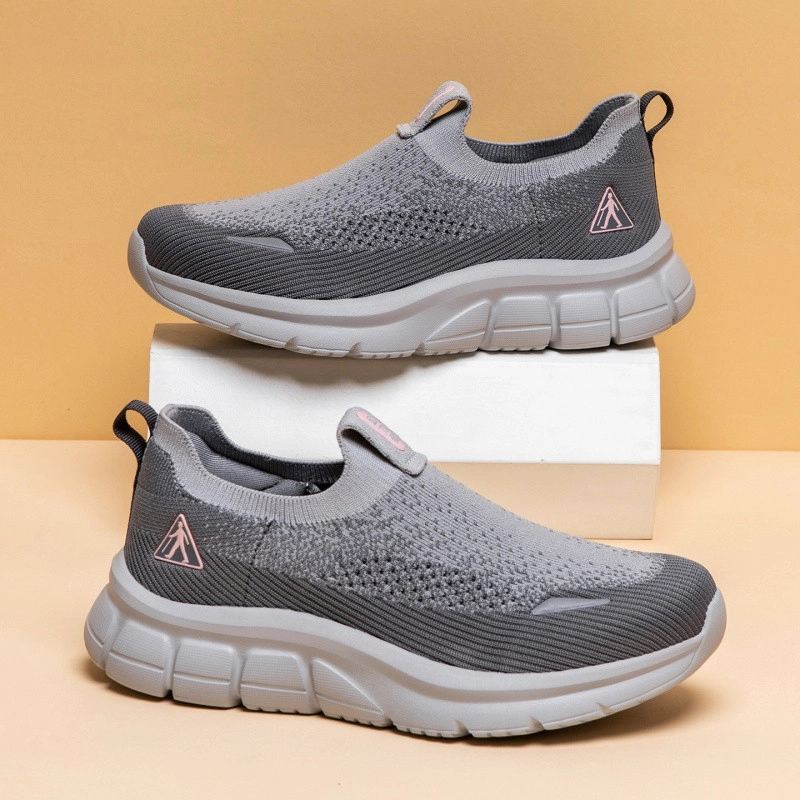
ZULIZ Men's Breathable Lightweight Shoes for Everyday Walking KH-26089107
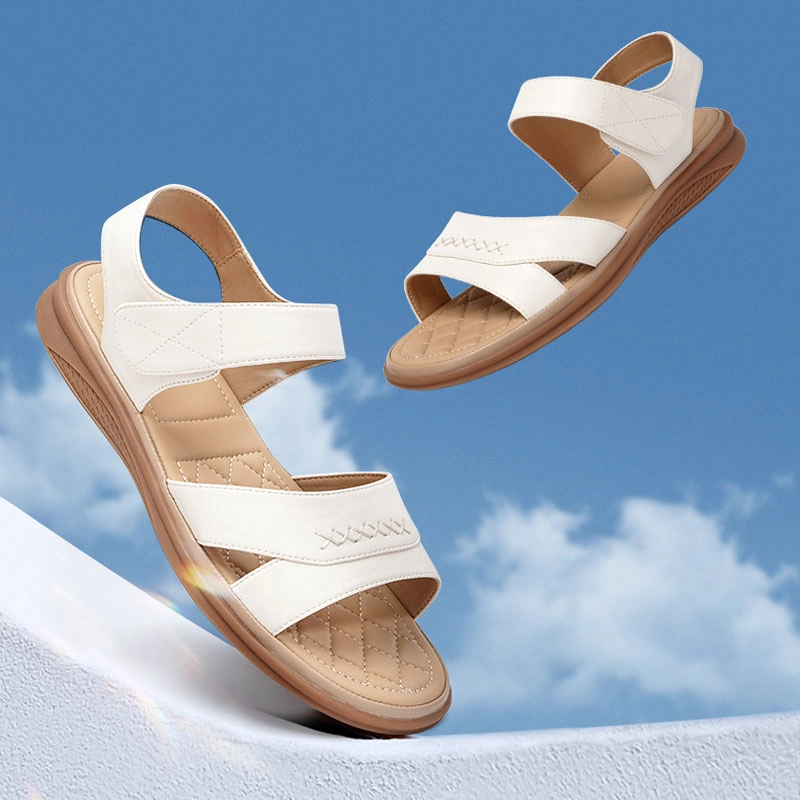
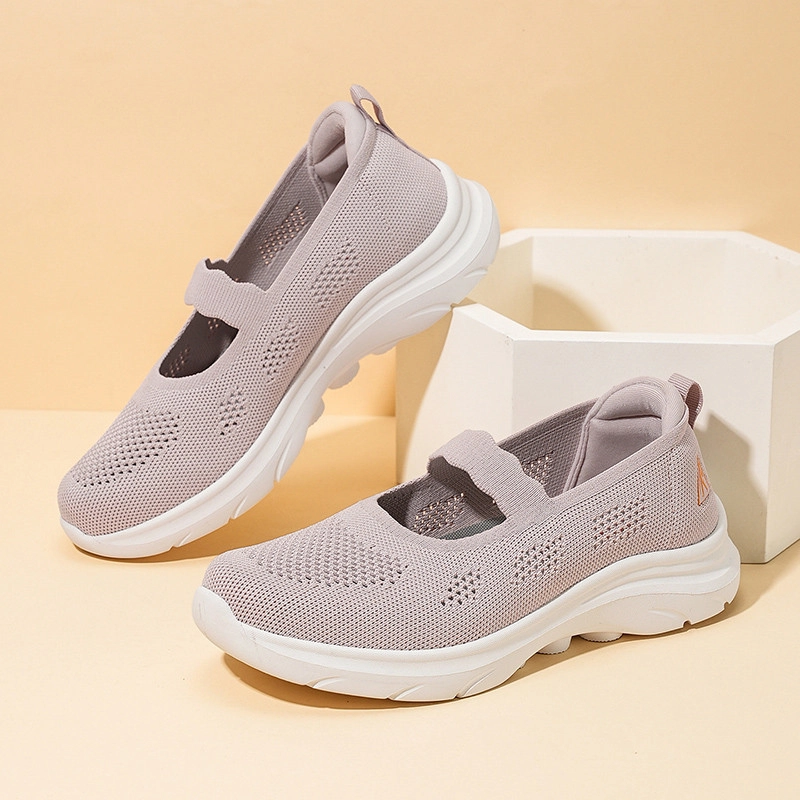
ZULIZ Women's Walking Shoes 26286073
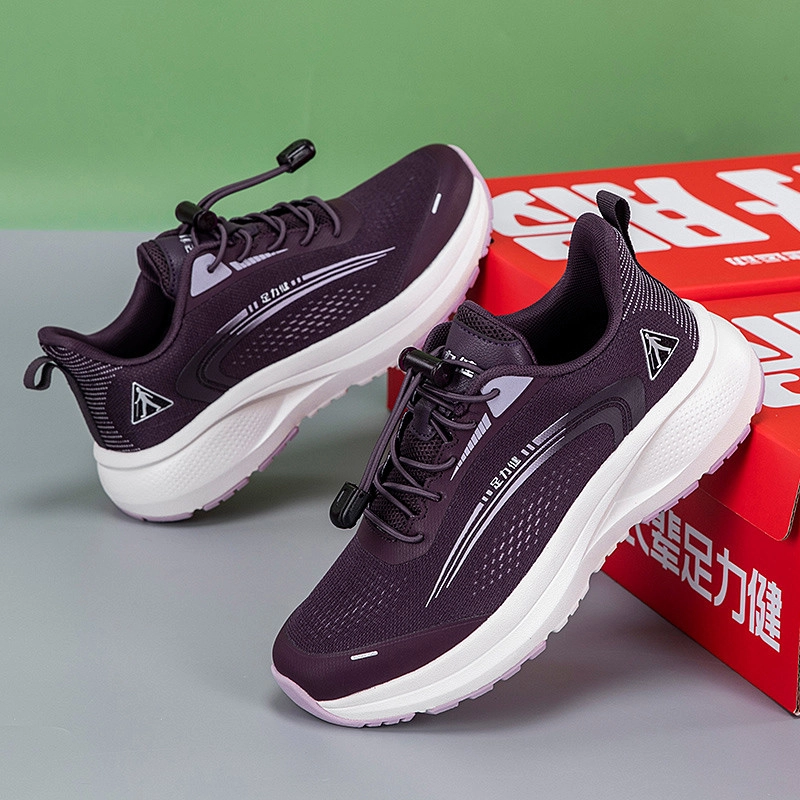
ZULIZ Unisex Breathable Easy-On Walking Shoes KH-25289097
Start Your ZULIZ Partnership Inquiry
Choose your partnership type and enter your email to request ZULIZ distribution terms and brand support.
Contact us

Ray.pang@zuliz.com

+86 155 1699 6565

5th Floor, Building 2, Courtyard 3, No. 521, Binhui North 1st Street, Tongzhou District, Beijing
Copyright © 2026 ZULIZ. All Rights Reserved. Designed by Gooeyun. Privacy Policy | Terms and Conditions | Sitemap
Facebook
YouTube
Instagram
Twitter