


Ordering ZULIZ Mom Shoes: A Wholesale Buying Checklist
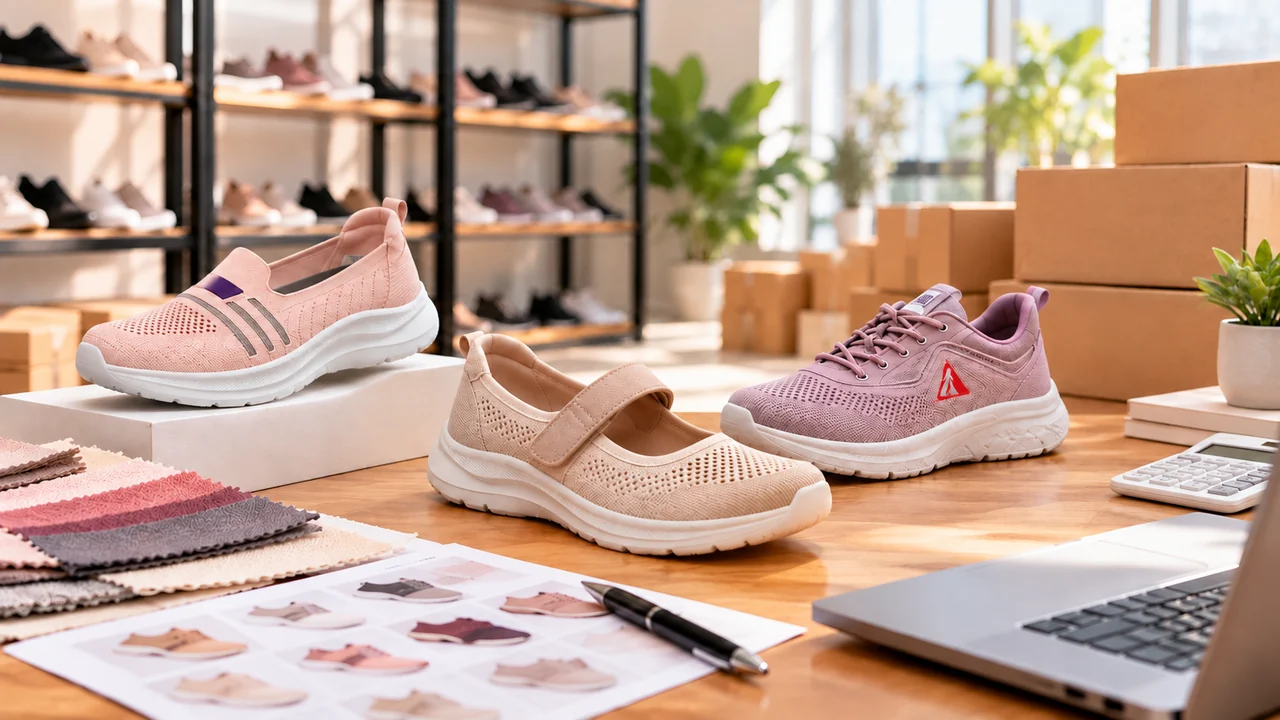
An order review checklist that keeps product selection, distributor order flexibility and shipment economics distinct.
- Quick Answer
- Key Takeaways
- 1. What Should Buyers Prepare Before Requesting a Wholesale Mom Shoes Quotation?
- 2. How Should Buyers Use Distributor Order Flexibility?
- 3. How Should Buyers Plan Size Ratios, Colors, and SKU Quantities?
- 4. What Costs Should Be Included in a Wholesale Mom Shoes Order Budget?
- 5. Why Should Samples and Product Specifications Be Confirmed Before Bulk Ordering?
- 6. What Packaging, Labeling, and Documentation Requirements Should Be Checked?
- 7. How Should Buyers Confirm Lead Times, Shipping Terms, and Delivery Responsibilities?
- 8. What Should Be Verified Before Approving a ZULIZ Wholesale Mom Shoes Order?
- Conclusion
- FAQ
- Prepare Your Wholesale Mom Shoes Order with ZULIZ
Quick Answer
Before placing a wholesale mom shoes order, retailers and distributors should confirm more than the product styles they want to purchase. The essential details include the order policy, available sizes and colors, quantities by SKU, sample approval, wholesale pricing, packaging, stock or production availability, delivery and quality expectations. Mom Shoes is used here as a ZULIZ catalog label within women’s comfort footwear; the buying record should identify the exact models and destination market. Buyers should also calculate the total landed cost and understand how order changes or discrepancies will be handled. For businesses considering ZULIZ, a clear written order specification helps both parties align on what will be supplied, when it is expected, and which conditions must be confirmed before payment and production.
Key Takeaways
✓ Use the confirmed distributor no-MOQ policy, then agree the product mix, packing, availability and shipment economics.
✓ Evaluate the full landed cost rather than relying on the quoted unit price alone.
✓ Use approved samples and written specifications to reduce misunderstandings about the final order.
✓ Agree on packaging, shipping responsibilities, delivery milestones, and discrepancy procedures before final confirmation.
1. What Should Buyers Prepare Before Requesting a Wholesale Mom Shoes Quotation?
A useful wholesale quotation begins with a specific purchasing request. Simply asking a supplier for the price of mom shoes may produce an estimate that is difficult to compare or use for an actual order. The quoted amount can depend on the product model, quantity, size distribution, packaging, destination, and requested delivery conditions. Without these details, retailers and distributors may receive prices based on assumptions that do not match their purchasing plans.
Before contacting ZULIZ, buyers should identify the models or product categories they are considering, their approximate purchase volume, the intended market, and any special order requirements. A retailer ordering for one store may need a relatively narrow selection, while a distributor supplying several accounts may require a more detailed breakdown by model, color, and size. These differences affect how the request should be structured.
The quotation stage should also fit the buyer's wider commercial objectives. Businesses that are still establishing their category strategy may need to connect individual purchasing decisions with the financial and operational foundations of a mom shoes wholesale business. This helps prevent an attractive initial quotation from becoming an order that is poorly matched to the business's actual sales capacity.
Information to Include in Your First Inquiry
Product Identification
Model names, product links, preferred styles, or other clear references.
Estimated Order Volume
Approximate quantities by model, including expected size and color requirements.
Destination and Timing
Delivery country, preferred destination, and required receiving window.
Special Requirements
Packaging, labeling, documentation, or other conditions that may affect the quotation.
A complete inquiry does not guarantee a particular price or production arrangement, but it gives the supplier a clearer basis for preparing an accurate response. It also makes subsequent quotations easier to compare and confirm.
2. How Should Buyers Use Distributor Order Flexibility?
ZULIZ does not set a minimum order quantity for distributor orders and replenishment. Selected products, delivery arrangements and commercial terms are confirmed for each order. This gives the buyer room to propose quantities based on demand, while keeping product availability and shipment costs visible.
Order flexibility and packing arrangements answer different questions. Agree how the requested model, size and color mix will be packed and shipped without treating a carton format as an unexplained minimum purchase. Identify any separate custom production or packaging request and confirm its terms rather than extending the distributor policy to an unconfirmed service.
Order quantity also affects inventory exposure. Purchasing more pairs can sometimes improve unit economics, but it increases the amount of stock that must be sold, stored, and financed. A smaller opening order may be commercially sensible when the buyer has limited sales history, even if its unit cost is higher. The correct decision depends on actual demand forecasts and the confirmed terms offered for the order.
Use ZULIZ’s no-minimum policy for distributor orders and replenishment, then obtain a current quotation for the chosen mix. Sample fees, freight, availability and separate custom requirements remain specific to the inquiry.
3. How Should Buyers Plan Size Ratios, Colors, and SKU Quantities?
Once the total order volume is established, the next challenge is distributing that volume across individual SKUs. In footwear purchasing, an SKU may represent a particular model, color, and size combination. A wholesale order can look reasonable in total pairs while still containing too many units of slow-moving sizes or insufficient quantities of the sizes customers purchase most frequently.
Retailers should begin with their own sales records where available. Previous footwear sales can help identify commonly purchased sizes and colors, although the pattern may differ when introducing a new mom shoes category. Distributors may need to consolidate demand from several retail accounts rather than relying on a single standard size ratio for an entire territory.
Buyers should also distinguish between confirming an order mix and evaluating the suitability of the shoes themselves. Decisions about fit, design, and customer requirements belong to selecting appropriate mom shoes for different retail customer groups. Once suitable products have been identified, the purchasing task is to translate those choices into a workable quantity breakdown.
Illustrative SKU Allocation Worksheet
The following example shows how a buyer might document an order. Quantities are illustrative only and do not represent ZULIZ's available sizes, stock, or order minimums.
A clear SKU worksheet helps prevent misunderstandings when a quotation or pro forma invoice is prepared. It should use the supplier's actual model identifiers and size system, not only the buyer's internal descriptions.
Before approving the order, buyers should verify that the size and color breakdown matches the latest quotation and any applicable carton-packing rules. This is especially important when several retail stores or distribution accounts are included in a single purchase.
4. What Costs Should Be Included in a Wholesale Mom Shoes Order Budget?
The unit price is only one part of the cost of purchasing wholesale mom shoes. Buyers may also need to account for packaging, freight, insurance, import duties, customs processing, inland transportation, and other charges associated with getting the products into their warehouse or stores. Which costs apply depends on the shipping terms, destination, and arrangements agreed with the supplier.
A quotation should identify the currency, price basis, included services, validity period, and any conditions that could change the total amount. If the supplier quotes under an Incoterms rule, the named place and applicable version should be specified. For example, an FOB quotation and a DAP quotation allocate costs and responsibilities differently, so comparing their headline unit prices without adjustments can be misleading.
Retailers and distributors should calculate an estimated landed cost per pair before deciding whether an order meets their commercial requirements. This estimate can then be compared with expected selling prices and the business's own operating expenses. Because duties, taxes, and logistics costs vary, buyers should obtain current information from their freight forwarder, customs broker, or other qualified service provider where appropriate.
Basic Landed Cost Calculation
Estimated Landed Cost per Pair = Total Applicable Purchase and Delivery Costs ÷ Total Pairs Received
Include the costs relevant to your agreed purchasing and shipping arrangement, without counting the same charge twice.
A lower quoted unit price is not necessarily the lower-cost order. The more useful comparison is the cost of receiving the correct products in saleable condition at the intended destination, under clearly defined commercial terms.
5. Why Should Samples and Product Specifications Be Confirmed Before Bulk Ordering?
A product photograph or catalog description cannot communicate every detail relevant to a wholesale order. Buyers may need to confirm the upper material, sole construction, fastening design, labeling, sizing system, color appearance, and other specifications of the selected model. These details can affect both retail presentation and whether the delivered products match the buyer's expectations.
Where samples are available, buyers should clarify the sampling terms and the purpose of the sample. A sample may help verify appearance, materials, workmanship, and construction, but it does not automatically establish the terms or specifications of a future bulk order. Any approved reference should be connected to a written product specification and the final purchase documentation.
For distributors, product confirmation may involve several people. The purchasing team may check specifications, the sales team may assess retail presentation, and the warehouse team may need packaging information. Recording their requirements before approval reduces the chance of discovering conflicting expectations after an order has been placed.
Sample and Specification Approval Checklist
Product Identity
Confirm model number, color reference, size system, and version.
Construction Details
Check the specified upper, outsole, closure, and other relevant materials.
Appearance and Workmanship
Document agreed color, finishing, stitching, and visible quality expectations.
Written Approval
Record the accepted sample or specification version before order confirmation.
When discussing sample arrangements and production communication, buyers should clarify what services are available for their specific order. The broader process of coordinating a ZULIZ wholesale footwear purchase can provide additional context for retailers and distributors planning a commercial relationship.
The central purchasing principle is straightforward: confirm what is being ordered in writing, and do not rely on an image, informal message, or unapproved sample as the only reference for bulk production.
6. What Packaging, Labeling, and Documentation Requirements Should Be Checked?
Packaging is often treated as a minor detail until a shipment arrives. For retailers, packaging affects product handling, shelf preparation, and the customer's experience. For distributors, it also affects warehouse identification, carton sorting, stock allocation, and delivery to downstream accounts. Packaging requirements should therefore be confirmed before the order is finalized rather than left until dispatch.
Buyers should ask how the footwear will be packed, whether individual boxes or other packaging formats are included, how many pairs are placed in each carton, and which markings will appear on the cartons. If a retailer requires particular barcodes, labels, or packaging artwork, these requirements should be provided for confirmation before production or packing begins.
Import and product compliance requirements also depend on the destination market. Footwear labeling rules, material declarations, origin marking, customs documentation, and other requirements may vary by country and sales channel. Buyers should establish which rules apply and agree on the information or documents the supplier is expected to provide. Compliance should not be assumed solely because a product is sold in another market.
Buyers should also confirm whether special packaging or documentation requests affect pricing, minimum quantities, or lead times. A requirement that appears small during negotiation may have a meaningful effect on the final order if it is introduced too late.
7. How Should Buyers Confirm Lead Times, Shipping Terms, and Delivery Responsibilities?
A wholesale order is not complete simply because the products and price have been agreed. Retailers and distributors also need a realistic delivery plan. The first distinction is between stock availability, production lead time, shipment readiness, transit time, and final delivery. These stages are related but should not be treated as interchangeable.
For example, a supplier may provide an estimated production completion date, while the buyer is planning around the date the shoes must arrive at a distribution center. International freight, customs clearance, and domestic transportation may add time after the goods are ready for shipment. Buyers should confirm which milestone a quoted lead time refers to and whether it begins after payment, sample approval, order confirmation, or another agreed event.
Shipping terms should also specify the responsibilities of each party. The agreed Incoterms rule, named place, freight arrangements, insurance responsibilities, and document requirements should be reflected consistently in the commercial paperwork. Retailers planning a seasonal launch or distributors coordinating deliveries to multiple stores should allow time for receiving, inspection, and local distribution.
Wholesale Order Delivery Milestones
1. Order Confirmation
Agree on products, quantities, commercial terms, and the event that starts the lead time.
2. Stock or Production
Confirm whether the order uses available stock or requires production.
3. Shipment Readiness
Identify when goods and agreed shipping documents are expected to be ready.
4. Arrival and Receiving
Allow for transportation, customs, warehouse checks, and local distribution.
A useful delivery plan identifies both the supplier's commitments and the buyer's responsibilities. It should also explain how the parties will communicate if an important milestone changes.
Before making payment, confirm the agreed delivery terms in the quotation, pro forma invoice, or other applicable order documents. Informal expectations about shipment dates should not replace written commercial conditions.
8. What Should Be Verified Before Approving a ZULIZ Wholesale Mom Shoes Order?
The final approval stage is the buyer's opportunity to identify inconsistencies before the order becomes difficult or expensive to change. Retailers and distributors should compare the quotation, purchase order, pro forma invoice, approved specifications, and any other agreed documents. The product identifiers, quantities, prices, and delivery conditions should be consistent across them.
Payment terms require particular attention. Buyers should confirm the payment amount, currency, schedule, beneficiary details, and any conditions tied to production or shipment. Changes to payment instructions should be independently verified through a trusted communication channel. The same level of care should apply to cancellation terms, order amendments, quality acceptance, and procedures for reporting shortages or discrepancies.
Before finalizing an order with ZULIZ, buyers can use the website's available comfort footwear product listings to identify relevant models for their inquiry. The actual order should then be based on the latest confirmed specifications and commercial documents rather than assuming that every listed product is immediately available in every size or quantity.
Final Pre-Order Confirmation Checklist
This checklist can be adapted to the buyer's order size and business requirements. A small retailer may need a simpler approval process, while a regional distributor may require sign-off from purchasing, finance, logistics, and warehouse teams.
The objective is not to make wholesale purchasing unnecessarily complicated. It is to make the important conditions visible before money is committed and to give both buyer and supplier a consistent reference for completing the order.
Conclusion
Ordering wholesale mom shoes requires careful confirmation of the commercial and operational details behind the purchase. For retailers and distributors, the most important considerations include distributor order scope, SKU quantities, size and color allocation, landed cost, sample approval, packaging, compliance, delivery arrangements, and payment conditions. These factors influence whether an order can be received, stocked, and sold as planned. Buyers considering ZULIZ should prepare a specific inquiry, request current product and commercial information, and confirm all essential terms in writing before placing a bulk order. A well-documented purchase reduces avoidable misunderstandings and provides a more dependable foundation for future wholesale transactions.
FAQ
What is the MOQ for ZULIZ wholesale mom shoes?
ZULIZ does not set a minimum order quantity for distributor orders and replenishment. Selected products, delivery arrangements and commercial terms are confirmed for each order. Confirm sample fees, freight, stock and any separate custom requirements for the specific inquiry.
Can retailers order different sizes and colors in one wholesale order?
Available size and color combinations, mixed-order options, and carton requirements depend on the selected products and confirmed order terms. Buyers should provide a detailed SKU breakdown and request approval before placing the order.
Should distributors request samples before ordering mom shoes in bulk?
Samples can help buyers assess construction, appearance, materials, and other product details. Distributors should confirm whether samples are available, the applicable terms, and how an approved sample will relate to the final bulk order specifications.
How can buyers avoid unexpected costs when importing wholesale mom shoes?
Buyers should calculate estimated landed cost using the agreed purchase price, applicable freight and insurance charges, import costs, and domestic delivery expenses. They should also confirm the Incoterms rule and seek current logistics and customs information for the destination market.
Prepare Your Wholesale Mom Shoes Order with ZULIZ
Planning a mom shoes wholesale purchase for your retail business or distribution network? Share your preferred models, estimated quantities, destination market, and ordering requirements with ZULIZ to discuss current product availability and commercial terms.
Contact ZULIZ About Your Wholesale Order
Brazil's Comfort Footwear Market: Filling Gaps Beside Orthopedic Lines
India's Comfort Footwear Market: Wide Fits and Regional Assortments
The U.S. Comfort Footwear Market: Importers and Wide-Fit Wholesalers

Store Conversion in Comfort Footwear: Rethinking the Fit Wall
You May Also Like
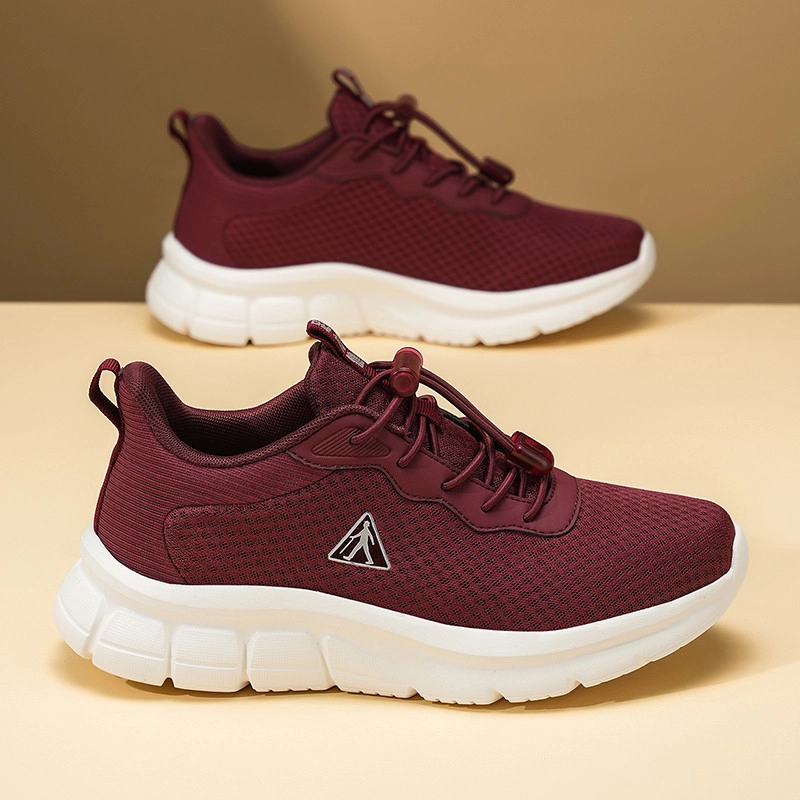
ZULIZ Unisex Lightweight Shoes for Everyday Walking 26186133
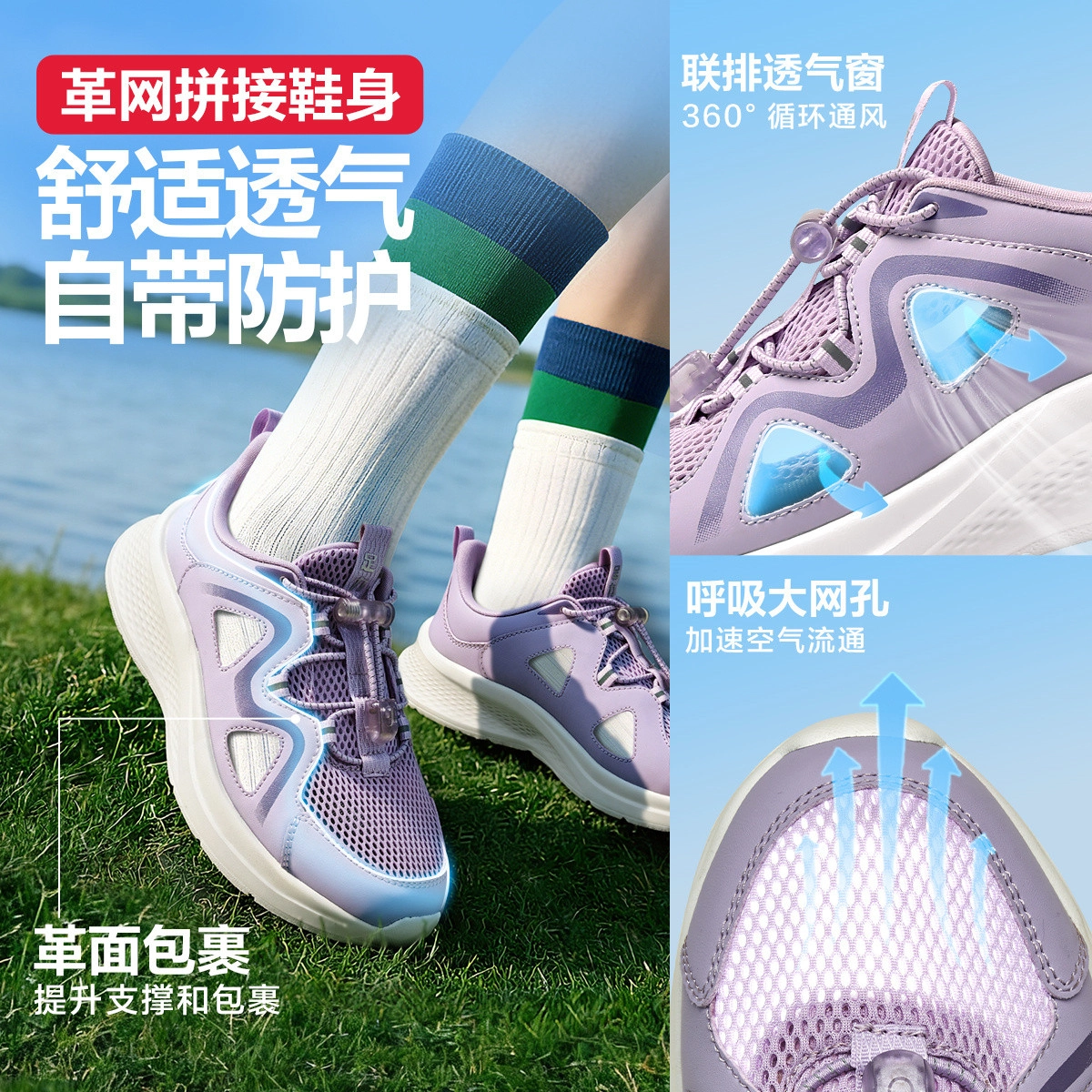
ZULIZ Unisex Breathable Walking Shoes 26226004
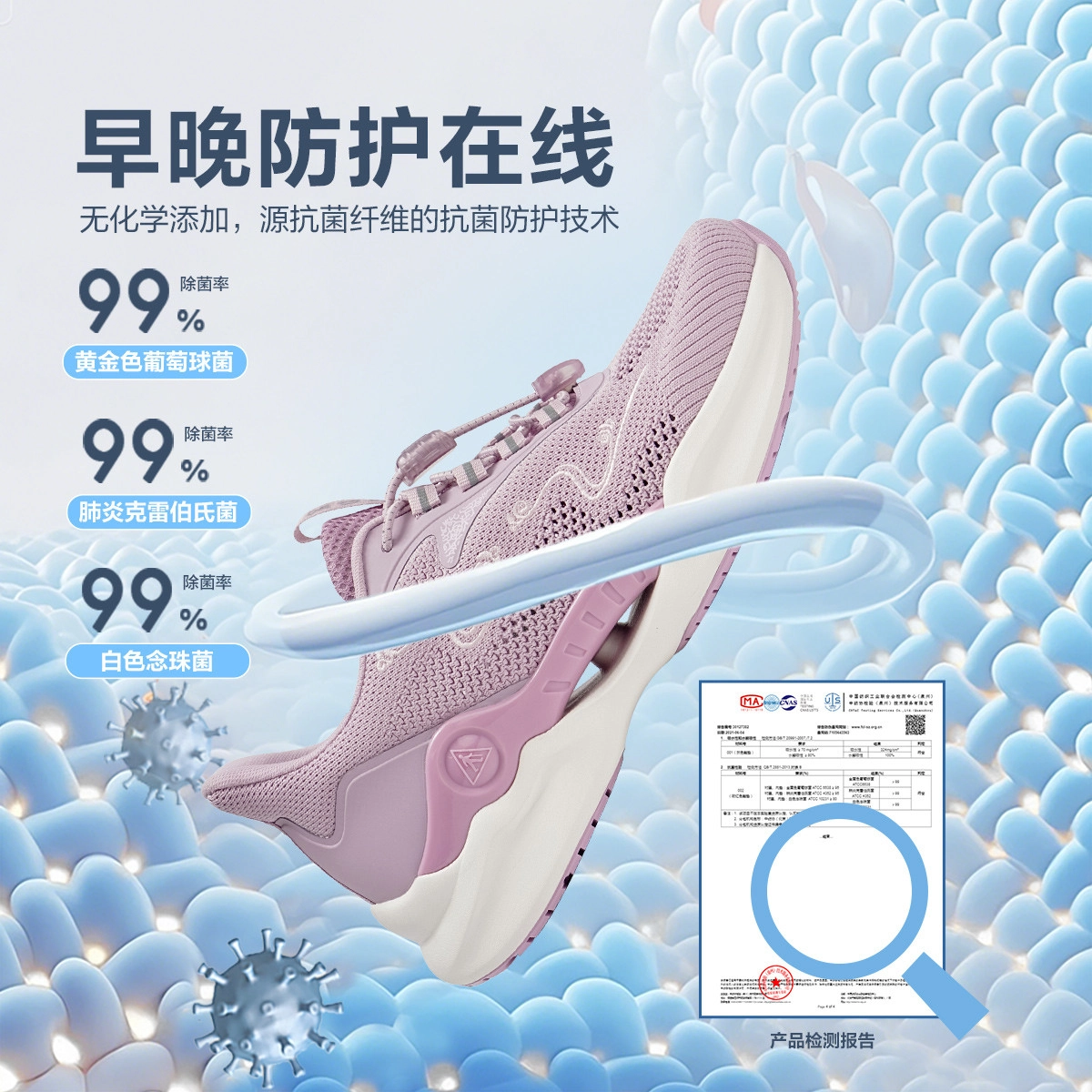
ZULIZ Unisex Breathable Walking Shoes 25210013
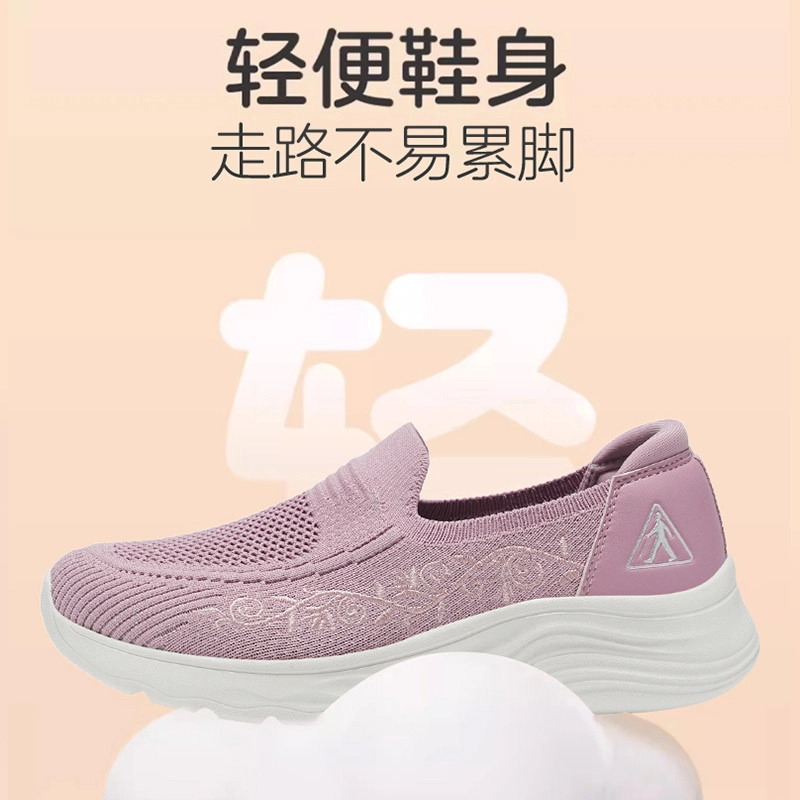
ZULIZ Women's Breathable Loafers 25186051
Start Your ZULIZ Partnership Inquiry
Choose your partnership type and enter your email to request ZULIZ distribution terms and brand support.
Contact us

Ray.pang@zuliz.com

+86 155 1699 6565

5th Floor, Building 2, Courtyard 3, No. 521, Binhui North 1st Street, Tongzhou District, Beijing
Copyright © 2026 ZULIZ. All Rights Reserved. Designed by Gooeyun. Privacy Policy | Terms and Conditions | Sitemap
Facebook
YouTube
Instagram
Twitter