


Wholesale Men’s Shoes for Seniors: A Market Research Guide
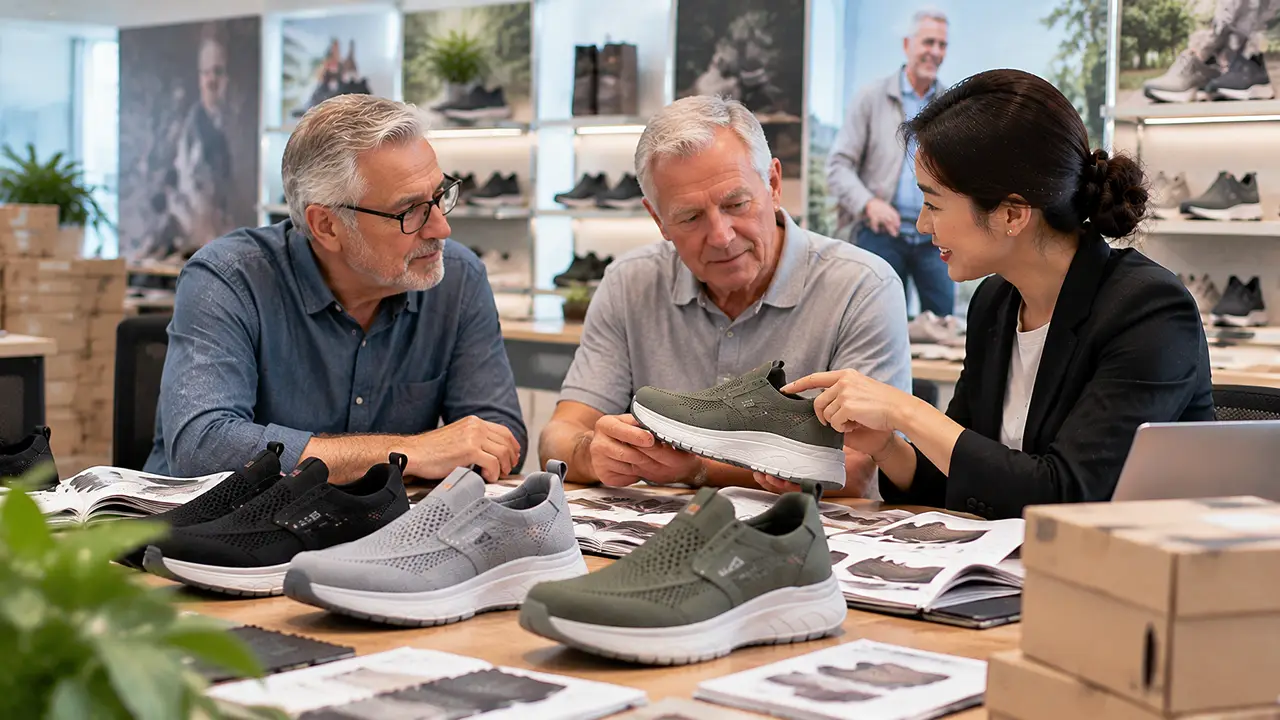
A practical research framework for a senior men’s footwear assortment: define the market, examine customer needs, compare current products and validate demand before expanding.
- Quick Answer
- Key Takeaways
- 1. What Is Driving Demand for Wholesale Men's Shoes in the Senior Footwear Market?
- 2. Which Senior Male Customer Segments Are Shaping Men's Footwear Demand?
- 3. How Can Buyers Investigate Gaps in the Senior Men's Footwear Market?
- 4. Which Men's Shoe Categories Offer Opportunities in the Senior Footwear Market?
- 5. How Are Changing Comfort and Style Preferences Influencing Senior Men's Footwear Demand?
- 6. How Do Price Segments Shape Demand for Wholesale Senior Men's Shoes?
- 7. How Does Regional Demand Vary Across the Senior Men's Footwear Market?
- 8. How Can Footwear Businesses Find Competitive Opportunities in the Senior Men's Footwear Market?
- Conclusion
- Frequently Asked Questions
- Assess Your Senior Men's Footwear Opportunity with ZULIZ
Quick Answer
The senior men's footwear market presents potential opportunities for businesses developing a focused wholesale men's shoes collection. Use this research guide to investigate potential demand in your chosen market. Examine population demographics, everyday comfort preferences, style expectations, price sensitivity and gaps in existing product ranges using relevant local sources. Retailers, wholesalers and distributors can assess these opportunities by examining customer feedback, competitor assortments, regional data and actual sales performance. Walking shoes, easy-on styles and casual footwear offer distinct category directions, but their commercial potential should be validated against local demand, product specifications and realistic selling prices.
Key Takeaways
Demographic changes, everyday activities and comfort preferences can help explain demand for senior men's footwear.
Walking shoes, easy-on footwear and casual styles address different product preferences and should be evaluated separately.
Price segments, regional preferences and competitive positioning influence which product opportunities may be commercially viable.
Customer feedback, competitor research and actual sell-through provide a stronger basis for decisions than assumptions about market growth.
1. What Is Driving Demand for Wholesale Men's Shoes in the Senior Footwear Market?
Understanding the senior men's footwear market starts with the factors that influence everyday shoe purchases. Age demographics, activity levels, comfort preferences, personal style and household spending can all affect demand. For businesses supplying wholesale men's shoes, these factors provide a framework for identifying relevant customer needs rather than assuming that all older men prefer the same footwear.
Demographic Changes and the Potential Customer Base
Changes in the number and proportion of older adults can affect the size of the potential footwear market. However, population growth alone does not establish how many customers will purchase a particular shoe category or how much they will spend. Businesses should combine demographic information with local retail data, household spending patterns and product-specific demand signals.
For example, a region with a substantial older male population may support several footwear segments, including everyday walking shoes, casual styles and convenient slip-on designs. The actual opportunity depends on existing competition, customer preferences, disposable income and the availability of suitable products.
Everyday Activities and Footwear Requirements
Older men have different routines. Some spend considerable time walking outdoors, while others prioritize errands, social visits or relaxed daily activities. These differences can influence preferred shoe styles, appearance and wearing convenience.
Businesses can identify relevant demand by recording what customers currently wear, what they find inconvenient and which features influence their purchase decisions. Repeated requests for a particular style or size range provide a more useful starting point than general assumptions about age.
Comfort as a Product Selection Consideration
Comfort is an important consideration in everyday footwear, but it is not a single measurable benefit that applies equally to every wearer. Fit, footwear construction, intended use and personal preference all influence the wearing experience. A product's suitability should therefore be evaluated through its actual specifications and sample fitting rather than its category name alone.
| Demand Driver | Potential Market Implication | Evidence to Examine |
|---|---|---|
| Changes in the older male population | A changing potential customer base | Regional demographic statistics |
| Everyday comfort preferences | Interest in relevant comfort footwear categories | Customer feedback and product-level sales |
| Changing style preferences | Opportunities to reassess casual and traditional designs | Competitor assortments and customer requests |
| Different spending priorities | Demand across different price segments | Local prices and purchasing behavior |
These demand drivers provide the market context for a broader wholesale men's footwear business strategy. The next step is to determine which customer groups and product categories offer the strongest fit for a particular market.
2. Which Senior Male Customer Segments Are Shaping Men's Footwear Demand?
The senior male footwear market is not one uniform customer group. Age, activity levels, personal style, spending priorities and individual fit preferences can lead to different purchasing decisions. Segmenting demand helps businesses understand these differences without treating age as a reliable substitute for an individual's needs.
Active Older Men with Regular Walking Routines
Men who regularly walk for exercise, errands or social activities may place particular importance on fit, suitable construction and comfort during movement. Their preferences can include practical walking footwear as well as casual styles that work for everyday outings.
To assess this segment, businesses can examine local demand for walking shoes, the range of available models and customer feedback about fit and appearance. Product claims should be supported by the actual construction and specifications of each model.
Customers Who Prioritize Everyday Convenience
Some customers place a high value on convenient dressing and straightforward daily use. They may be interested in slip-on or easy-on styles, depending on the opening design, fit and level of support they prefer.
This is a useful segment to investigate when customer conversations repeatedly identify difficulty with existing designs or a preference for simpler fastening arrangements. Those observations can guide product research, but they do not establish that every older customer needs an easy-on shoe.
Style-Conscious Customers Seeking Versatile Footwear
Some older men prefer understated casual shoes, while others favor sporty designs or more traditional appearances. Age does not determine whether a customer prefers a modern sneaker, a classic casual shoe or a walking-oriented design.
Examining clothing preferences, frequently requested colors and the styles customers choose at different price points can help businesses identify a more relevant assortment. The objective is to understand the intended customer rather than build a collection around a stereotype.
Customer Segmentation Checklist
✓ Identify the activities and preferences associated with each customer group.
✓ Compare the styles and sizes customers request most frequently.
✓ Record the reasons customers accept or reject a product.
✓ Validate each segment against observed demand rather than assumptions about age.
A clear customer profile makes it easier to distinguish a genuine product opportunity from a broad demographic trend. It also creates a practical basis for identifying gaps in the footwear already available in the market.
3. How Can Buyers Investigate Gaps in the Senior Men's Footwear Market?
A market opportunity often begins with a mismatch between what customers want and what available products provide. In the senior men's footwear market, potential gaps may involve style variety, size availability, price positioning, product information or the balance between casual appearance and everyday practicality. These are areas to investigate, not assumptions that every market has the same unmet demand.
Limited Variety Within Existing Collections
A footwear assortment may contain many models without offering meaningful variety. Several similar lace-up sneakers, for example, may serve nearly identical preferences while leaving little room for customers seeking a different appearance or a convenient slip-on design.
Businesses can compare competitor assortments by category, silhouette, color and intended use. The objective is to identify where an additional style would provide a clear difference, rather than adding another product that competes with existing inventory.
Size Availability and Fit Information
Customers may leave without purchasing when their preferred size is unavailable or product information does not help them assess fit. This can create an opportunity to improve size coverage, clarify model-specific sizing information or provide better product descriptions.
However, a reported fit problem should be investigated carefully. It may arise from limited size availability, the shape of a particular model, inaccurate product information or an individual preference. Businesses should record these reasons separately before deciding which products to add.
Price and Product-Value Mismatches
A product may be technically suitable but difficult to sell at its current price because customers do not perceive enough value in its appearance, materials or features. In other cases, customers may struggle to find an affordable option that meets their basic requirements.
Comparing product specifications, retail prices and customer feedback can reveal whether a gap concerns price, product presentation or the actual assortment. Simply lowering prices may not solve a mismatch if the product does not meet the intended customer's expectations.
| Potential Market Gap | Possible Response | Validation Method |
|---|---|---|
| Limited style variety | Test a complementary footwear category | Competitor comparison and customer requests |
| Repeated size-related lost sales | Reassess size coverage and model fit | Sales and fitting records by size |
| Unclear product information | Improve specifications and product descriptions | Customer questions and return reasons |
| Price-value mismatch | Reassess the product and price position | Competitor prices and actual conversion |
A credible market gap should be supported by more than a competitor's missing product. Customer interest, a realistic price position and evidence of purchasing demand help determine whether the gap represents a viable commercial opportunity.
4. Which Men's Shoe Categories Offer Opportunities in the Senior Footwear Market?
Different footwear categories address different customer preferences, making category-level analysis useful for businesses considering wholesale men's shoes. Walking shoes, easy-on designs and casual footwear should not be treated as interchangeable products. Each category has its own appearance, construction and intended use, which should be evaluated using actual product information.
Walking Shoes for Everyday Movement
Walking shoes are a relevant category to investigate when customers need footwear for routine walks, shopping and other everyday activities. Businesses should assess the fit, construction, outsole and intended use of each model instead of assuming that all walking shoes provide the same experience.
The men's walking shoe category provides a starting point for comparing models intended for daily movement and determining which styles suit the target market.
Easy-On and Slip-On Footwear
Easy-on and slip-on styles may appeal to customers who prefer a convenient way to put on and remove their shoes. Their commercial relevance depends on the actual opening design, fit, fastening structure and wearing experience. The terms should not be used to imply a specific level of support or ease without checking the product itself.
Businesses can assess this category by comparing customer requests, sample-fitting results and the range of designs already available in their market.
Casual Shoes and Dad Shoes
Casual footwear provides another direction for customers who want everyday shoes with a relaxed appearance. Dad Shoes can be treated as one part of this category, particularly where the available models match the understated or practical styling preferred by the target audience. The term should not automatically be interpreted as a trend-driven, exaggerated chunky sneaker.
For a category-level comparison, the Dad Shoes collection can be considered alongside other casual styles. Product selection should depend on the actual design, specifications and customer preferences.
Men's Footwear Categories to Consider for Wholesale
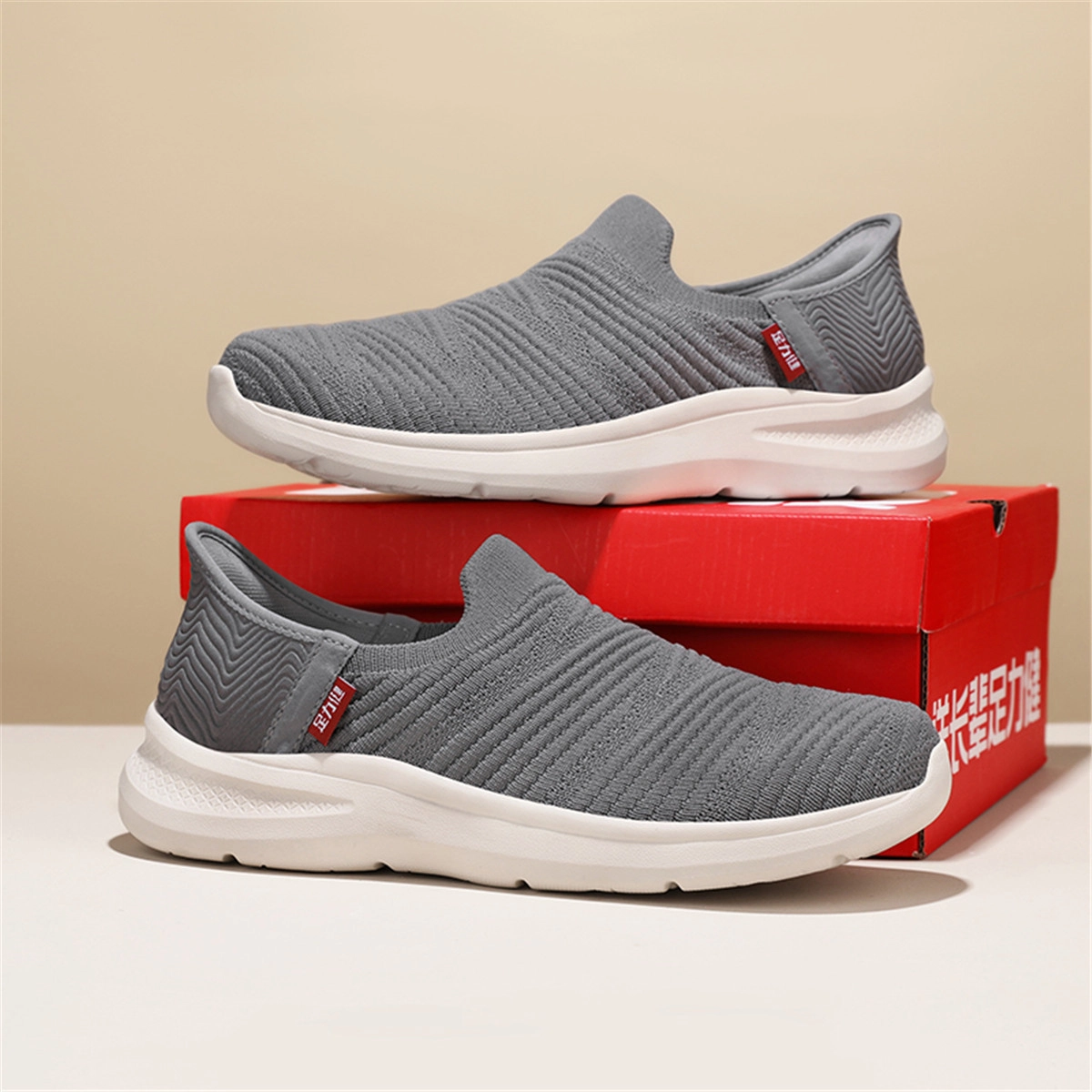
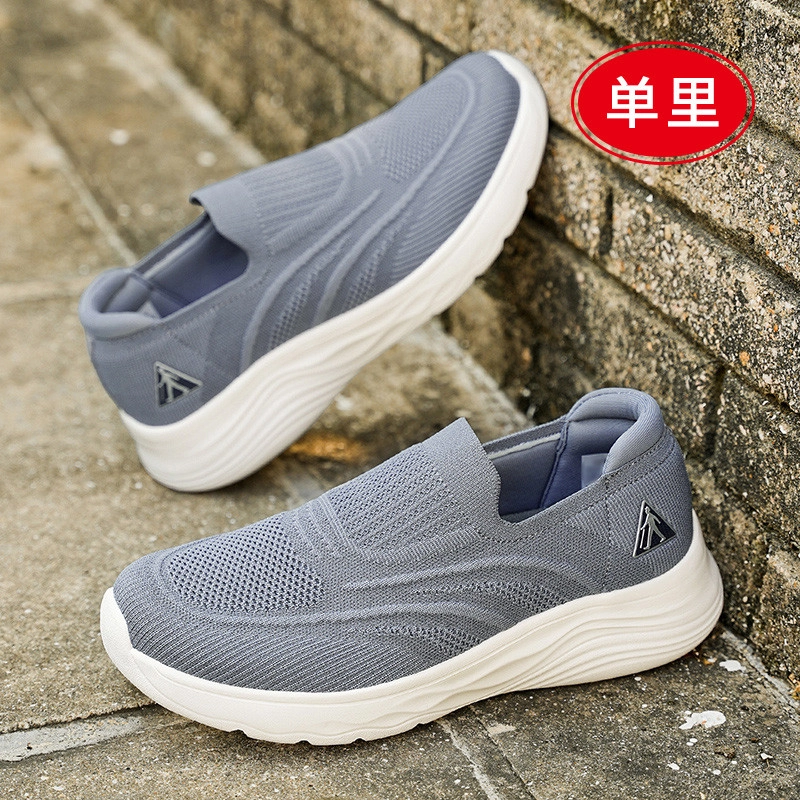
These examples illustrate two different category directions rather than establishing which product will sell best. Businesses should confirm current product specifications, available sizes, color options and order availability before including either model in a wholesale assortment.
5. How Are Changing Comfort and Style Preferences Influencing Senior Men's Footwear Demand?
Market opportunities can also emerge when consumer preferences change. Some customers prioritize everyday comfort and convenient dressing, while others place greater importance on appearance, versatility or price. For businesses developing a senior men's footwear assortment, the important question is whether these preferences are reflected in actual product demand.
Comfort and Fit Expectations
Customers may pay close attention to fit, interior space, the feel of the materials and how a shoe behaves during everyday movement. However, these preferences differ between individuals. A product that suits one wearer may not suit another, even when both belong to the same age group.
Businesses can gather useful evidence through sample fittings, customer interviews, return reasons and product reviews. Feedback should be linked to specific models whenever possible so that recurring concerns can be distinguished from isolated preferences.
Style Preferences Beyond Traditional Designs
Senior men's footwear should not be limited to one visual style. Some customers prefer classic, understated designs; others may choose contemporary casual shoes or sporty silhouettes. Product opportunities can emerge when an existing collection does not adequately reflect the preferences of its intended customers.
Rather than assuming that older men want either traditional shoes or trend-driven sneakers, businesses should compare actual purchases, frequently requested designs and competitor assortments. This can help identify styles that complement the existing range without creating unnecessary duplication.
Convenience and Product Information
Convenience can include how a shoe opens, how its fastening works and how clearly its sizing and product details are communicated. These are separate considerations. A convenient opening does not automatically establish the right fit, and an attractive product description cannot compensate for inaccurate specifications.
Clear information about materials, construction, available sizes and intended use can help customers make more informed comparisons. For wholesalers and distributors, consistent product information also makes it easier to communicate the same details across multiple retail accounts.
Signals of Changing Customer Preferences
✓ Repeated requests for styles missing from the current collection.
✓ Consistent feedback about fit, entry design or appearance.
✓ Differences between the styles customers ask about and those they purchase.
✓ Changes in product-level sell-through and return reasons over time.
Tracking these signals over time can help distinguish a temporary preference from a more persistent change in demand. It also provides context for evaluating the price segments in which different footwear categories may compete.
6. How Do Price Segments Shape Demand for Wholesale Senior Men's Shoes?
Price positioning influences which products customers consider and how businesses assess potential demand. In the senior men's footwear market, different price segments may serve different combinations of style preferences, perceived value and spending priorities. There is no universal price threshold that defines an affordable, mid-range or premium shoe across all countries and sales channels.
Value-Oriented Footwear
Value-oriented products may appeal to customers who prioritize practical everyday use and a price that fits their budget. However, a lower price alone does not guarantee strong demand. Product appearance, fit, quality expectations and the available alternatives still influence the purchase decision.
Businesses should compare products at equivalent retail price points and assess whether their specifications and presentation provide a convincing reason for customers to choose them.
Mid-Range Products and Everyday Versatility
Mid-range footwear can occupy a position between basic price-led options and more specialized or premium products. Opportunities may arise when a product combines an appropriate appearance, relevant construction and a price that fits the intended market.
To assess this segment, compare competing products, their stated features and their actual retail prices. Businesses should avoid assuming that additional features automatically justify a higher price unless customers recognize and value those differences.
Premium Positioning and Perceived Value
Premium positioning requires a clear reason for the price difference. Depending on the product, this may relate to materials, construction, design, finishing or other verifiable attributes. The relevance of each attribute depends on what customers value and what the product can substantiate.
Market research can help establish whether a premium category has a sufficient customer base. Compare competitor positioning, price acceptance and product-level sales rather than using a premium label as evidence of commercial potential.
| Price Segment | Market Question | Useful Evidence |
|---|---|---|
| Value-oriented | Is the product attractive at its intended price? | Local retail prices and customer response |
| Mid-range | Does the product offer a meaningful difference? | Competitor comparisons and sales performance |
| Premium | Will customers recognize the added value? | Price acceptance and verified product attributes |
Price-segment analysis identifies the market position a product may occupy. Actual wholesale profitability is a separate calculation involving the purchase price, freight, operating expenses, selling price and inventory risk.
7. How Does Regional Demand Vary Across the Senior Men's Footwear Market?
Regional differences can influence which men's footwear categories are relevant to a particular market. Population structure, climate, everyday activities, local fashion preferences and spending patterns may all affect demand. Businesses planning to expand into another region should validate these factors rather than assume that a product performing well in one market will perform equally well elsewhere.
Demographics and Local Market Size
Regional demographic data can help estimate the potential size of the older male customer base. Useful information may include the population within relevant age groups, household spending data and the distribution of consumers across urban and rural areas.
These figures provide context rather than a direct sales forecast. Businesses should combine demographic estimates with category-level retail data, competitor availability and the price points that local customers can reasonably access.
Climate and Everyday Wearing Preferences
Climate can affect seasonal demand, material preferences and the suitability of particular footwear designs. A warm region may present different product requirements from a market with cold winters or frequent wet conditions. These differences should be evaluated using the product's actual materials, construction and stated intended use.
Local lifestyles and clothing preferences also matter. A market with strong demand for casual everyday footwear may require a different assortment from one where more traditional styles remain prominent.
Local Competition and Customer Spending
A large potential customer base does not necessarily mean that a market is underserved. Local competitors may already provide a wide range of products, while shipping, import costs or retail pricing can make some categories difficult to position competitively.
Businesses can compare local product assortments, retail prices, size availability and customer reviews to identify possible opportunities. Search trends and online product listings may add useful context, but they should not replace direct evidence of actual purchasing behavior.
Regional Market Assessment
✓ Estimate the relevant customer population using reliable regional statistics.
✓ Compare local product availability and retail price ranges.
✓ Assess climate, local styles and practical wearing requirements.
✓ Validate demand with local customers or retail partners before expanding inventory.
A regional assessment is most useful when it identifies specific differences that can influence the product assortment. Broad claims about a country's potential are less actionable than evidence about the customers, price points and categories a business intends to serve.
8. How Can Footwear Businesses Find Competitive Opportunities in the Senior Men's Footwear Market?
Identifying demand is only one part of market analysis. Businesses must also understand how competing products are positioned and whether a proposed assortment offers a meaningful reason for customers to choose it. In the senior men's footwear market, differentiation can come from category focus, product variety, clear information or a more relevant match between customer preferences and the available range.
Compare Competitor Assortments and Positioning
For the selected country and buyer type, record the local product terms used by customers and commercial accounts. Compare current competitor models at relevant price points, noting the source and date, available sizes and widths, and documented features. Match any proposed ZULIZ model to those requirements using its current specifications. A missing competitor product may indicate an opportunity, weak demand or difficult commercial conditions; investigate before drawing a conclusion.
For that reason, competitor research should be combined with customer feedback, sales observations and the practical economics of introducing another product category.
Build a Distinct Product Value Proposition
A product value proposition explains why a particular model belongs in the assortment and which customer needs it is intended to address. It may emphasize an appropriate style, a specific construction feature, a useful category role or a price position that fits the target market.
Claims should remain accurate and supported by product specifications. Businesses should not describe a shoe as more comfortable, more supportive or more durable than competing products without suitable evidence.
Validate Differentiation Through Actual Sales
A product may attract attention without generating enough completed sales. Businesses can test a focused range and measure customer inquiries, conversion, sell-through, returns and repeat demand. These measures help distinguish genuine product differentiation from features that sound appealing but do not materially affect purchasing decisions.
For businesses developing a market-facing product presentation, senior footwear marketing and customer communication can complement this research by helping communicate accurate product information and the intended role of each category.
| Competitive Factor | Question to Ask | Evidence of Potential |
|---|---|---|
| Category coverage | Does the proposed category address a real gap? | Customer requests and limited comparable options |
| Product differentiation | Can customers recognize a meaningful difference? | Sample feedback and clear product specifications |
| Price positioning | Does the product offer appropriate value at its price? | Competitor pricing and completed sales |
| Commercial performance | Does the opportunity remain viable after costs and returns? | Sell-through, contribution and inventory data |
The strongest opportunity is not necessarily the newest style or the category with the broadest potential audience. It is the opportunity supported by a recognizable customer need, a differentiated product proposition and evidence that the business can serve that demand sustainably.
Conclusion
The senior men's footwear market offers several areas worth investigating, from changing customer preferences and potential product gaps to category demand, price positioning and regional differences. For businesses working with wholesale men's shoes, these opportunities should be assessed individually rather than treated as proof that every senior-focused footwear category will grow.
A disciplined market assessment combines customer feedback, competitor research, regional data and actual sales performance. ZULIZ's men's footwear range provides product options that businesses can evaluate against their target market. The next step is to identify the most relevant categories, confirm product specifications and assess whether the proposed assortment fits the intended customers and commercial objectives.
Frequently Asked Questions
What creates opportunities in the senior men's footwear market?
Potential opportunities may come from demographic changes, customer preferences, gaps in existing assortments and differences in price positioning. Their commercial value depends on local demand, competition and actual purchasing behavior.
Which men's shoe categories are worth assessing for the senior market?
Walking shoes, easy-on footwear, slip-on designs and casual shoes are useful categories to investigate. The most relevant options depend on customer preferences, product specifications and the competitive landscape in the target market.
How can businesses identify unmet demand for senior men's shoes?
Compare competitor assortments, record customer requests, examine product reviews and track reasons for unsuccessful purchases or returns. Validate potential gaps with sample feedback and actual sales before expanding the range.
How should wholesalers assess a new senior men's footwear opportunity?
Evaluate the target customer, competing products, retail price range, product specifications and expected costs. A small, evidence-based product test can help determine whether the opportunity justifies a larger wholesale commitment.
Assess Your Senior Men's Footwear Opportunity with ZULIZ
Share your target market, intended customer group and preferred men's footwear categories. Discuss available product information, sample options and wholesale arrangements with ZULIZ to determine whether its range fits your business objectives.
Discuss Wholesale Men's Shoes with ZULIZ
Brazil's Comfort Footwear Market: Filling Gaps Beside Orthopedic Lines
India's Comfort Footwear Market: Wide Fits and Regional Assortments
The U.S. Comfort Footwear Market: Importers and Wide-Fit Wholesalers
Store Conversion in Comfort Footwear: Rethinking the Fit Wall
You May Also Like
ZULIZ Unisex Easy-On Walking Shoes 26186023
ZULIZ Unisex Breathable Cushioned Walking Shoes 26213065
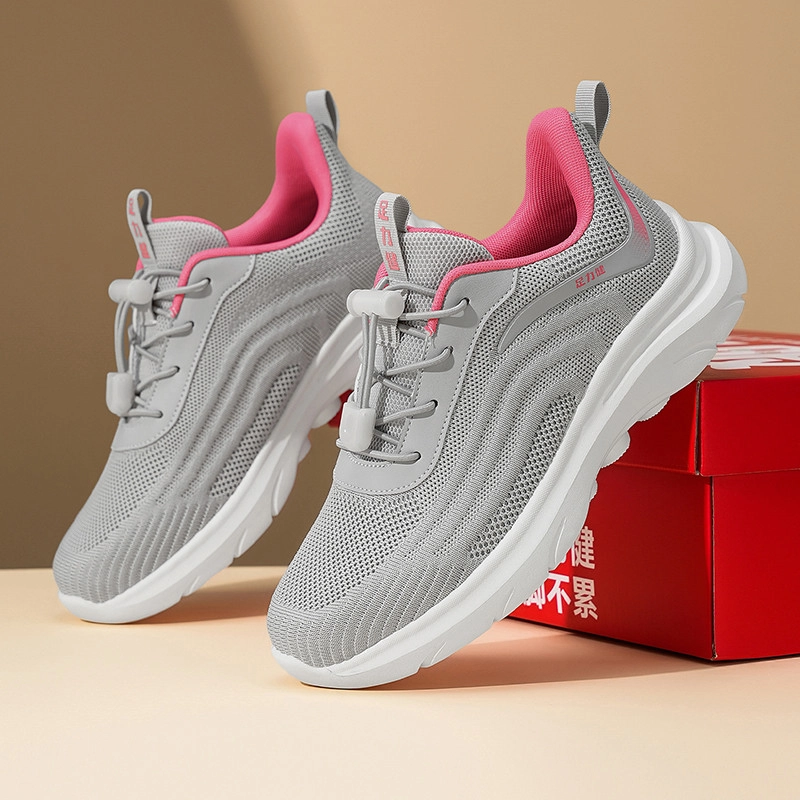
ZULIZ Unisex Lightweight Shoes for Everyday Walking 26186075
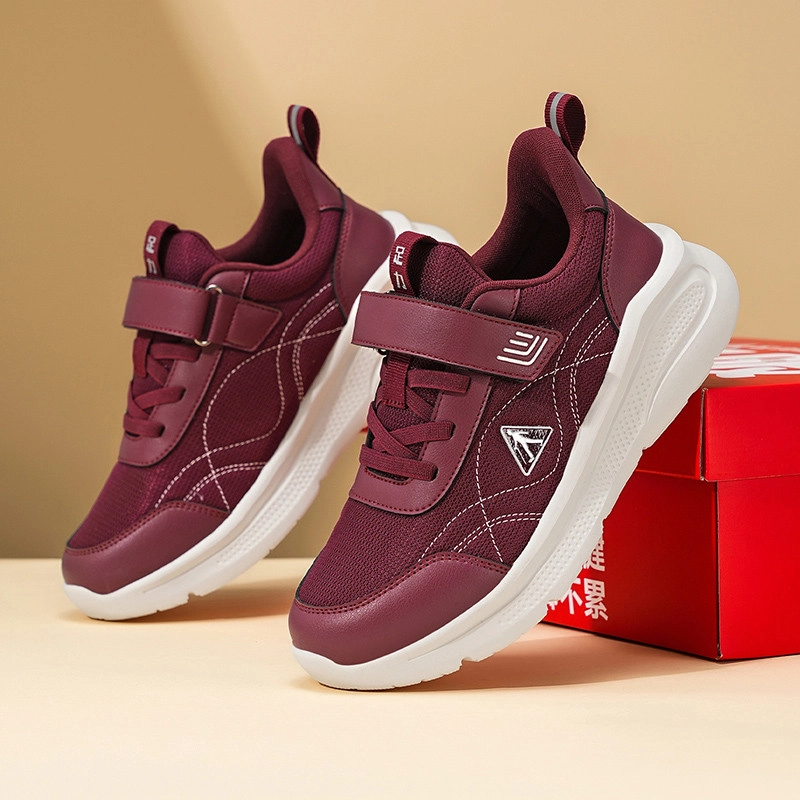
ZULIZ Unisex Lightweight Shoes for Everyday Walking 26086112
Start Your ZULIZ Partnership Inquiry
Choose your partnership type and enter your email to request ZULIZ distribution terms and brand support.
Contact us

Ray.pang@zuliz.com

+86 155 1699 6565

5th Floor, Building 2, Courtyard 3, No. 521, Binhui North 1st Street, Tongzhou District, Beijing
Copyright © 2026 ZULIZ. All Rights Reserved. Designed by Gooeyun. Privacy Policy | Terms and Conditions | Sitemap
Facebook
YouTube
Instagram
Twitter