

Walking Shoes Private Label, OEM and ODM: A Feasibility Guide
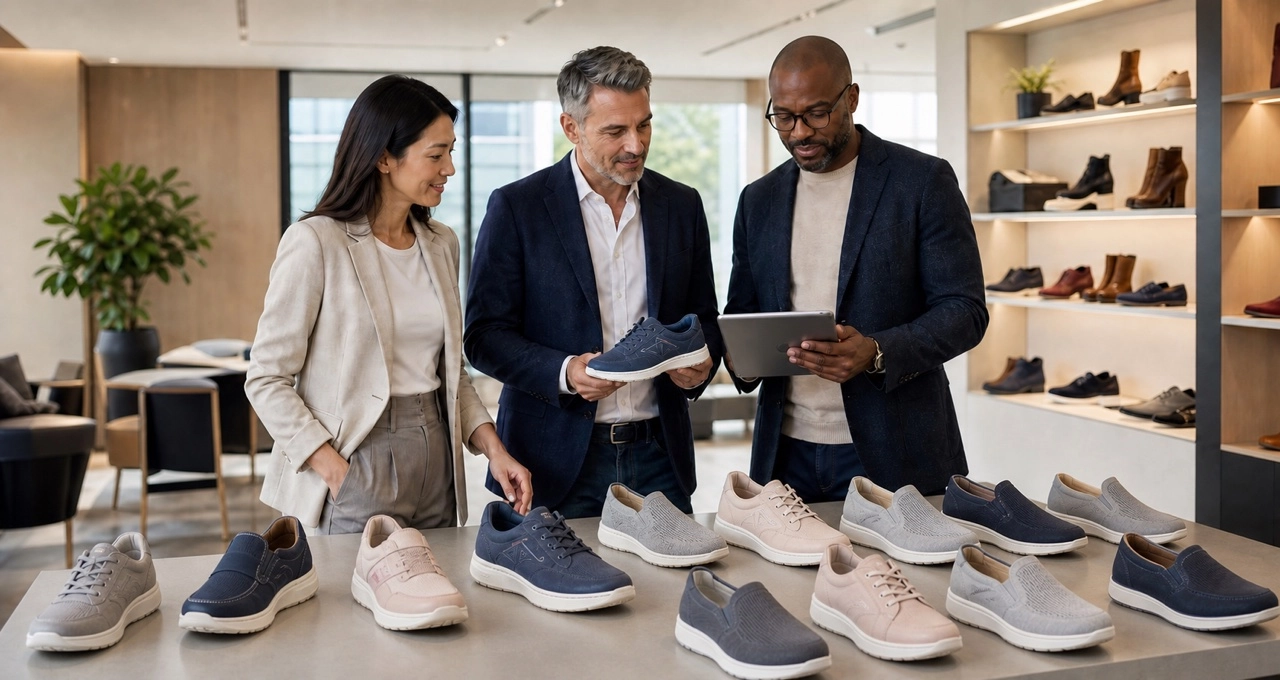
A planning guide for buyers developing their own footwear label, with customization scope and commercial feasibility reviewed separately from ZULIZ-branded distribution.
- Quick Answer
- Key Takeaways
- 1. Why Consider Private Label Comfortable Walking Shoes for Your Business?
- 2. What Is the Difference Between Private Label, OEM and ODM Walking Shoes?
- 3. What Can Be Customized in Wholesale Comfortable Walking Shoes?
- 4. How Can Retailers Develop a Distinctive Private Label Walking Shoe Collection?
- 5. How Does the OEM & ODM Walking Shoes Development Process Work?
- 6. What Should Be Confirmed Before Starting a Custom Walking Shoes Project?
- 7. How Can OEM & ODM Comfortable Walking Shoes Support Different Retail and Distribution Models?
- 8. How Can Retailers and Distributors Discuss Private Label and OEM & ODM Walking Shoes with ZULIZ?
- Conclusion
- FAQ
- Request a Private Label or Custom Walking Shoes Feasibility Review
Quick Answer
Private label, OEM, and ODM are different development models for buyers seeking walking shoes under their own brand identity. This guide supports a customization feasibility discussion; it does not establish that every service or modification is available from ZULIZ. This purchasing intent differs from importing and distributing ZULIZ-branded comfort footwear. Private label projects generally begin with an existing product design and focus on branding or packaging, while OEM projects follow customer-provided specifications and ODM projects use a manufacturer's design and development resources. Depending on technical feasibility, customization may involve logos, colors, materials, footwear construction, labels, and packaging. Before starting a project, businesses should confirm development responsibilities, sample requirements, customization minimums, tooling costs, and design ownership. ZULIZ's existing comfort footwear range can provide a starting point for discussing potential product development and cooperation options, subject to confirmation of available services.
Key Takeaways
Private label walking shoes can help retailers establish a consistent product identity through branding, packaging, and coordinated collections.
Private label, OEM, and ODM projects differ in design ownership, development responsibilities, and the extent of product customization.
Custom colors, materials, branding details, and construction changes require technical assessment before they can be included in production.
Development fees, tooling, custom minimums, sample revisions, and design rights should be clarified before a customized footwear project begins.
1. Why Consider Private Label Comfortable Walking Shoes for Your Business?
Private label comfortable walking shoes allow a retailer or distributor to present footwear under its own commercial identity. Instead of relying entirely on the branding of an existing manufacturer, the business can create a more consistent relationship between its store, product collection, packaging, and customer experience.
For an independent retailer, this may mean introducing a small walking shoe collection with recognizable brand colors and packaging. For a distributor, it may mean developing a coordinated footwear range that can be supplied to multiple retail accounts under a single label.
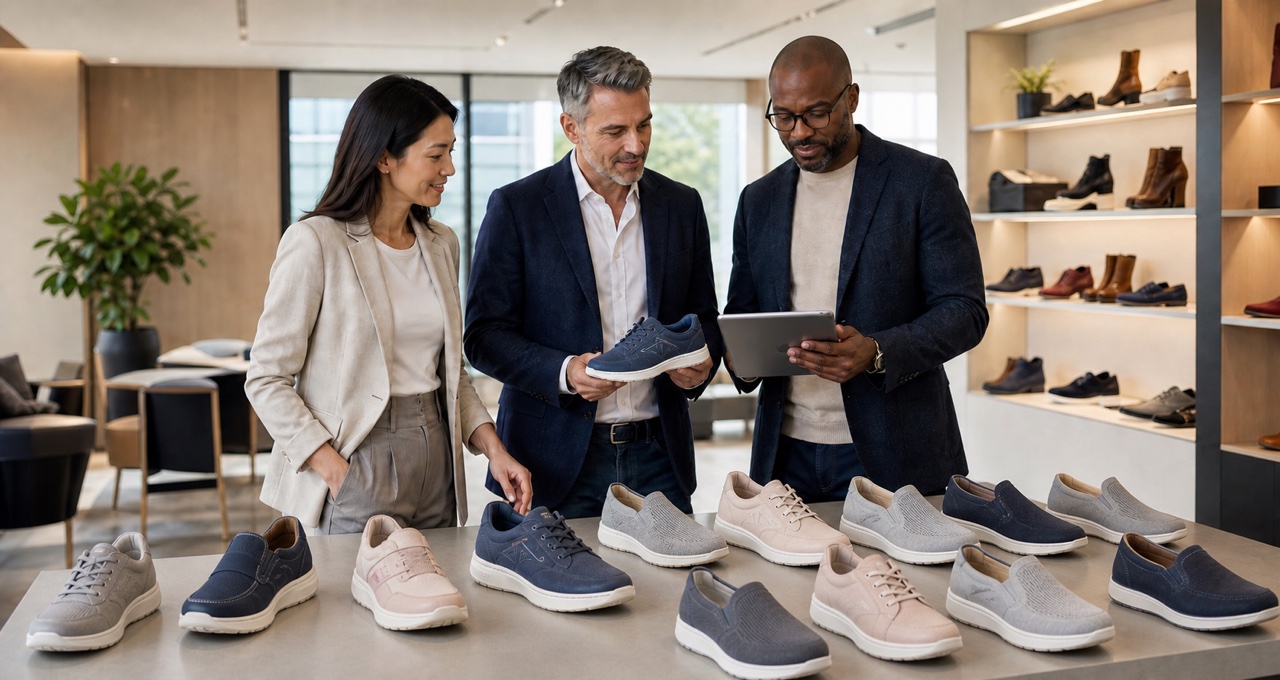
The commercial value depends on how effectively the products fit the intended market. A private label does not automatically create stronger demand or higher margins. The business must still establish a clear product proposition, appropriate retail pricing, and reliable distribution arrangements.
Business Opportunities Created by Private Label Walking Shoes
Connect footwear products with recognizable logos, packaging, and retail presentation.
Develop a collection that is less dependent on identical products offered by competing retailers.
Organize several walking shoe models into a coherent range with consistent naming and visual details.
Align product presentation and approved design details with local retail preferences.
Private label development works best when the business already understands the category it intends to sell. A clearly defined walking shoe range provides a stronger starting point than attempting to customize many unrelated footwear styles at once.
For businesses establishing their overall footwear strategy, the broader commercial framework for sourcing comfortable walking shoes wholesale helps place private label development within a larger retail or distribution plan. Customization should then support a specific product identity rather than becoming an objective on its own.
2. What Is the Difference Between Private Label, OEM and ODM Walking Shoes?
Private label, OEM, and ODM are often mentioned together in footwear manufacturing, but they describe different approaches to product development. Understanding these differences helps retailers and distributors communicate their expectations before discussing technical specifications or production costs.
Private label typically involves selling an existing product design under another company's brand, subject to an agreed branding arrangement. Original Equipment Manufacturing (OEM) generally involves production according to specifications supplied or controlled by the customer. Original Design Manufacturing (ODM) usually relies more heavily on designs or development resources provided by the manufacturer.
A retailer that wants to launch a branded collection quickly may find an existing-design private label arrangement more practical than developing an entirely new shoe. A company with its own footwear design team may prefer an OEM arrangement when detailed specifications are central to the product concept.
ODM can be useful when a business has a defined market opportunity but requires additional product development support. However, the exact meaning of these arrangements varies between suppliers. Design ownership, exclusivity, modification permissions, and manufacturing responsibilities should always be documented rather than assumed from the terms alone.
3. What Can Be Customized in Wholesale Comfortable Walking Shoes?
The scope of customization depends on the selected walking shoe design, manufacturing processes, available materials, and the technical requirements of the project. Some changes affect only the visual identity of the product, while others involve structural development and additional testing.
Retailers should distinguish between branding changes that may be relatively straightforward and product modifications that require engineering or tooling work. A new logo placement is not equivalent to changing the outsole construction or developing a new shoe last.
Potential Customization Elements for Walking Shoes
Logo & Branding
Potential applications include insole branding, approved upper logos, product labels, and other brand identification details.
Colors & Materials
Selected upper colors, material combinations, stitching details, and trims may be considered where manufacturing permits.
Construction & Components
Insoles, closures, outsole components, and fit-related adjustments may require engineering assessment and sample development.
Packaging & Labeling
Potential options include branded shoeboxes, hangtags, product information cards, and market-specific labels.
The best customization approach is not necessarily the one with the greatest number of changes. A coordinated color palette, recognizable logo, and consistent packaging can sometimes establish a clear brand identity without requiring extensive structural modifications.
For more technically demanding projects, retailers should establish which features must remain unchanged to preserve the intended comfort and performance of the walking shoe. Any significant changes to construction should be assessed and validated before commercial production.
Existing Walking Shoe Designs as Customization References
The following ZULIZ models illustrate different existing walking shoe constructions that businesses can use when describing their preferred product direction. They are reference products, not confirmed private label or OEM/ODM offerings. Availability of branding or structural customization must be discussed separately.
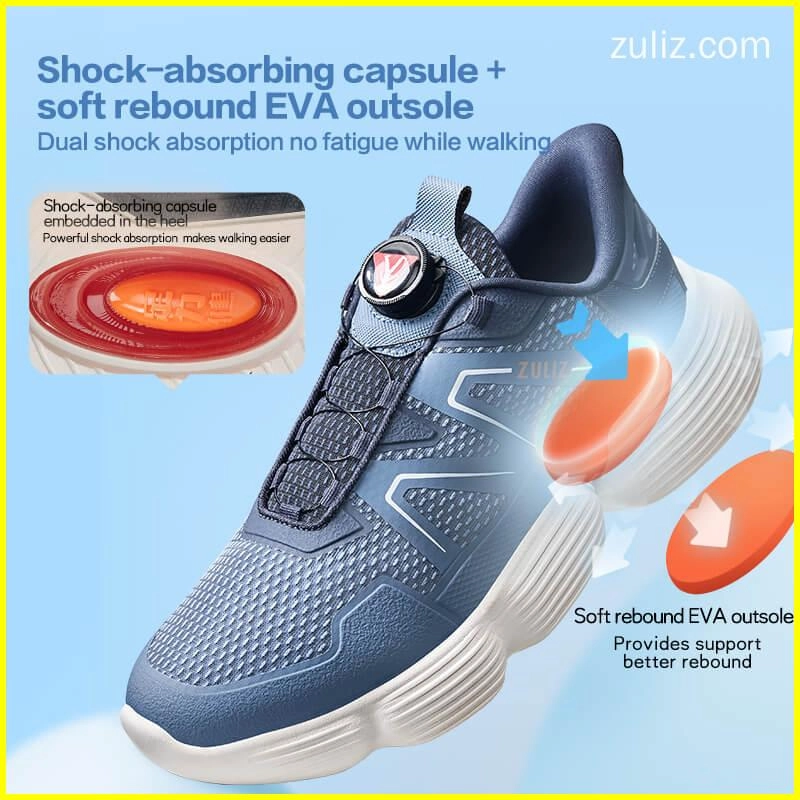
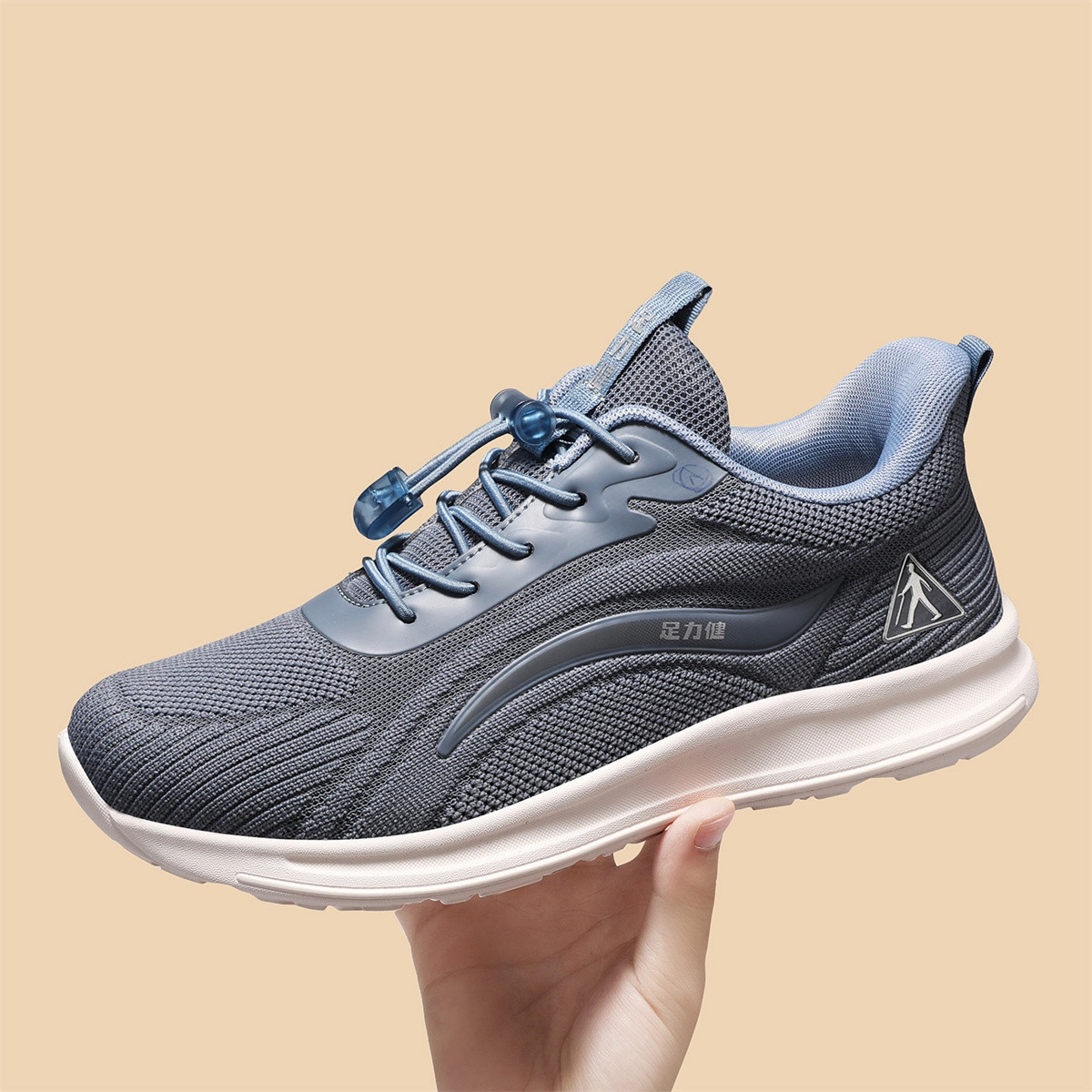
These examples show why selecting a design direction should come before discussing individual branding details. A business developing easy-on senior footwear may require different construction priorities from one creating a lightweight everyday walking collection. The next step is to define which elements of the preferred design are essential and which changes are worth investigating.
4. How Can Retailers Develop a Distinctive Private Label Walking Shoe Collection?
A successful private label collection should look and feel like a coordinated product range rather than several unrelated shoes carrying the same logo. This requires consistency in visual identity, product naming, color selection, and the way different models are presented to customers.
Retailers can begin by defining the role of each product within the collection. One model might emphasize convenient wearing, another lightweight everyday use, and another a more structured casual appearance. These distinctions help establish a clear range without requiring every product to use the same construction.
The selection process should remain separate from the customization process. First determine which types of walking shoes fit the retail market. Then decide how branding, colors, packaging, and other approved details can connect those products into a recognizable collection.
Building a Consistent Private Label Collection
Define the Collection Identity
Choose a consistent brand name, visual language, and product positioning.
Assign Product Roles
Give each walking shoe model a defined place within the overall assortment.
Coordinate Visual Details
Use a coherent approach to colors, logo placement, packaging, and product labels.
Prepare Retail Presentation
Develop consistent product descriptions, imagery requirements, and collection naming.
For example, a retailer could organize a collection around easy-wearing walking shoes for mature customers, using consistent packaging and a limited color palette. A distributor might develop a broader collection with several complementary styles while maintaining one recognizable brand identity across different stores.
The underlying product selection remains important. Retailers can use the criteria for matching comfortable walking shoes to retail customers to establish a suitable starting assortment before investing in branded packaging or custom design details.
5. How Does the OEM & ODM Walking Shoes Development Process Work?
OEM and ODM walking shoe projects usually require more structured development work than purchasing an existing finished product. The process begins with a clear design brief and progresses through feasibility assessment, specification development, sampling, revisions, and approval.
The exact sequence varies according to the complexity of the footwear and the responsibilities agreed between the brand and manufacturer. A project involving only approved branding details may be relatively straightforward, while a new outsole design or significant fit modification may require additional engineering and testing.
Typical OEM & ODM Walking Shoes Development Stages
Define the brand concept, target market, preferred walking shoe type, desired changes, and expected product requirements.
Discuss the proposed materials, construction, logo applications, available components, and any technical limitations.
Document the agreed design details, measurements, materials, colors, components, branding, and packaging requirements.
Produce an initial sample where applicable, assess the result, and identify adjustments required to meet the approved concept.
Confirm the approved sample, final technical documentation, and any required testing or validation.
Finalize development conditions, tooling arrangements, component sourcing, and the requirements for commercial production.
One important difference between OEM and ODM is the starting point. An OEM project may begin with detailed customer drawings or technical specifications, while an ODM project may start with a manufacturer's existing design concept that the customer wants to adapt.
In both cases, retailers and distributors should identify who is responsible for technical drawings, sample revisions, testing, and final approval. Establishing these responsibilities early can prevent misunderstandings and reduce unnecessary development changes.
6. What Should Be Confirmed Before Starting a Custom Walking Shoes Project?
Customized footwear projects involve several considerations that may not apply to ordinary wholesale purchases. These include design ownership, tooling requirements, customization minimums, prototype fees, and the conditions under which a manufacturer may reuse an existing design.
For example, printing a logo on an approved component may involve different minimum quantities and costs from creating a new outsole mold. A project based on a manufacturer's existing design may also have different intellectual property arrangements from a product developed entirely from customer-owned specifications.
These questions should be addressed before significant development resources are committed. Retailers may also need to confirm whether an agreed design can be used exclusively in a particular market and whether future modifications require additional approval.
Once the customized design has been approved, the business can move into the more familiar pre-order checks for wholesale walking shoe purchases, including the final size breakdown, order quantities, commercial quotation, and delivery arrangements. Keeping product development decisions separate from routine purchasing requirements makes both stages easier to manage.
7. How Can OEM & ODM Comfortable Walking Shoes Support Different Retail and Distribution Models?
Not every retailer or distributor needs the same level of customization. The most suitable approach depends on the business's brand strategy, technical resources, intended sales channels, and ability to manage product development.
A small retailer may prioritize a recognizable label and consistent packaging, while an established footwear brand may want greater control over product construction. A distributor serving multiple stores may place more emphasis on a coordinated product family that can be presented consistently across different retail locations.
For example, a retailer entering the comfort footwear category may begin with a limited private label range based on established product designs. This can allow the business to focus its resources on brand identity and customer presentation rather than managing a complex development project immediately.
A distributor with a more established retail network may want a coordinated range that can be expanded over time. In that case, ODM development or selected custom design elements may be worth investigating if the commercial opportunity justifies the additional work.
Businesses should also consider whether their long-term strategy requires exclusive product designs or simply a distinctive brand presentation. These are different objectives, and the choice affects development costs, intellectual property arrangements, and the complexity of future product updates.
8. How Can Retailers and Distributors Discuss Private Label and OEM & ODM Walking Shoes with ZULIZ?
Businesses interested in developing private label or customized comfortable walking shoes can begin by preparing a clear project brief for a feasibility review. ZULIZ is a professional comfort footwear brand; its existing portfolio and manufacturing resources provide references for discussing requirements, without establishing that a particular customization service is available. Buyers seeking ZULIZ-branded import or distribution cooperation should identify that objective separately.
Wholesale and distribution cooperation should not be assumed to include every form of private label, OEM, or ODM manufacturing. ZULIZ has confirmed no minimum order quantity for distributor orders and replenishment; this does not establish the minimums or development terms for a customized project. Available services, modifications, development responsibilities, design rights, and commercial conditions require confirmation for each proposed project.
A productive initial inquiry should communicate the desired customization level and include enough information for a feasibility discussion. This is more useful than requesting a general OEM or ODM price without identifying the type of walking shoe or the changes required.
What to Include in Your Custom Walking Shoes Inquiry
Introduce Your Brand
Share your business type, target market, retail channels, and intended brand positioning.
Describe the Product Concept
Provide preferred walking shoe styles, reference images, and essential product characteristics.
Identify Customization Needs
Explain the desired logo, colors, materials, construction changes, or branded packaging.
Request a Feasibility Discussion
Ask about available services, development requirements, customization minimums, and next steps.
If the business does not yet have a finished product concept, the existing ZULIZ walking shoe designs for everyday comfort can help establish a reference point for discussing preferred styles, construction features, and product direction.
For a private label proposal, retailers can provide their logo files, brand colors, and packaging concept. For a more extensive OEM project, technical drawings, material specifications, and performance requirements may be necessary. ODM discussions can begin with the intended market and desired design direction, followed by an assessment of suitable development resources.
ZULIZ can then assess the inquiry and clarify whether the requested services are available, what development conditions apply, and how the proposed project might proceed. This creates a more reliable basis for deciding whether a private label or customized walking shoe project is commercially and technically practical.
Conclusion
Private label, OEM, and ODM solutions offer different approaches to developing wholesale comfortable walking shoes for retail and distribution businesses. Private label arrangements can support a recognizable brand identity, while OEM and ODM projects may provide greater opportunities for product development when the required technical and commercial conditions are met.
The most effective approach depends on the business's product strategy, development capabilities, available resources, and long-term objectives. Retailers should define their desired customization scope before committing to design changes, and distributors should consider how a branded collection will function across their sales network.
For businesses considering ZULIZ, a focused customization inquiry is the practical starting point. By identifying preferred walking shoe designs, branding requirements, and potential development needs, retailers and distributors can discuss feasible cooperation options and determine whether a customized footwear project is appropriate for their market.
FAQ
What is the difference between private label and OEM walking shoes?
Private label walking shoes generally use an existing product design with agreed branding or packaging changes. OEM projects usually involve manufacturing according to customer-provided product specifications. The exact scope depends on the agreement with the manufacturer.
Can comfortable walking shoes be customized with a private brand logo?
Logo customization may be possible under an appropriate private label or manufacturing arrangement. Available placements, application methods, minimum quantities, and branding permissions must be confirmed for the selected shoe design.
Does OEM or ODM walking shoe development require new tooling?
Not every project requires new tooling. Branding changes or adaptations using existing components may have different requirements from developing a new outsole, last, or structural component. Tooling needs should be assessed during the feasibility stage.
Who owns the design of a customized walking shoe?
Design ownership depends on the development agreement, existing intellectual property, licensing arrangements, and any applicable exclusivity terms. Retailers and distributors should clarify ownership and permitted use before starting development.
Can retailers discuss private label or OEM & ODM walking shoes with ZULIZ?
Retailers and distributors can contact ZULIZ to discuss their product concepts and cooperation requirements. The company should confirm whether the requested private label, OEM, or ODM services are available for the proposed project, along with applicable technical and commercial conditions.
Request a Private Label or Custom Walking Shoes Feasibility Review
Planning walking shoes under your own brand? Share your product concept, proposed changes, branding requirements, target market, and expected quantities with ZULIZ for a customization feasibility review. The discussion should establish which services, if any, can be offered for that project and under what conditions before a quotation or development commitment.
Request a Customization Feasibility Review
Brazil's Comfort Footwear Market: Filling Gaps Beside Orthopedic Lines
India's Comfort Footwear Market: Wide Fits and Regional Assortments
The U.S. Comfort Footwear Market: Importers and Wide-Fit Wholesalers
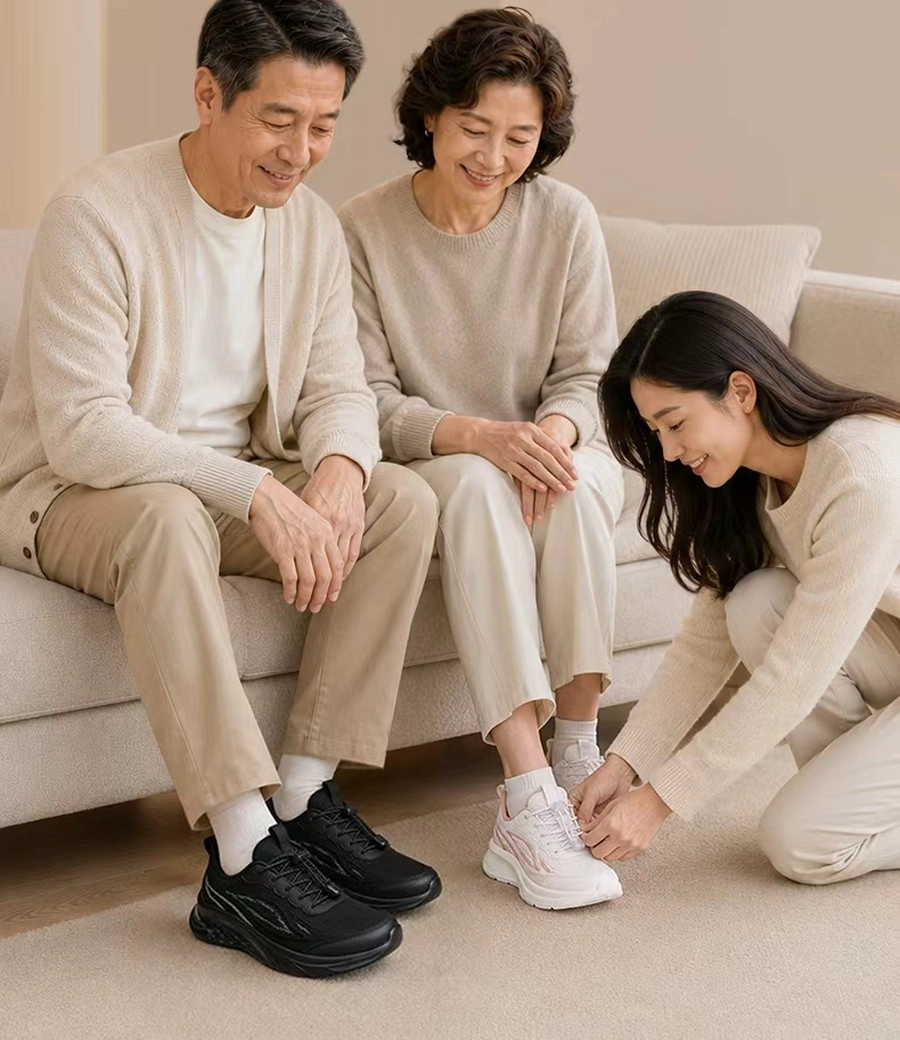
Store Conversion in Comfort Footwear: Rethinking the Fit Wall
You May Also Like
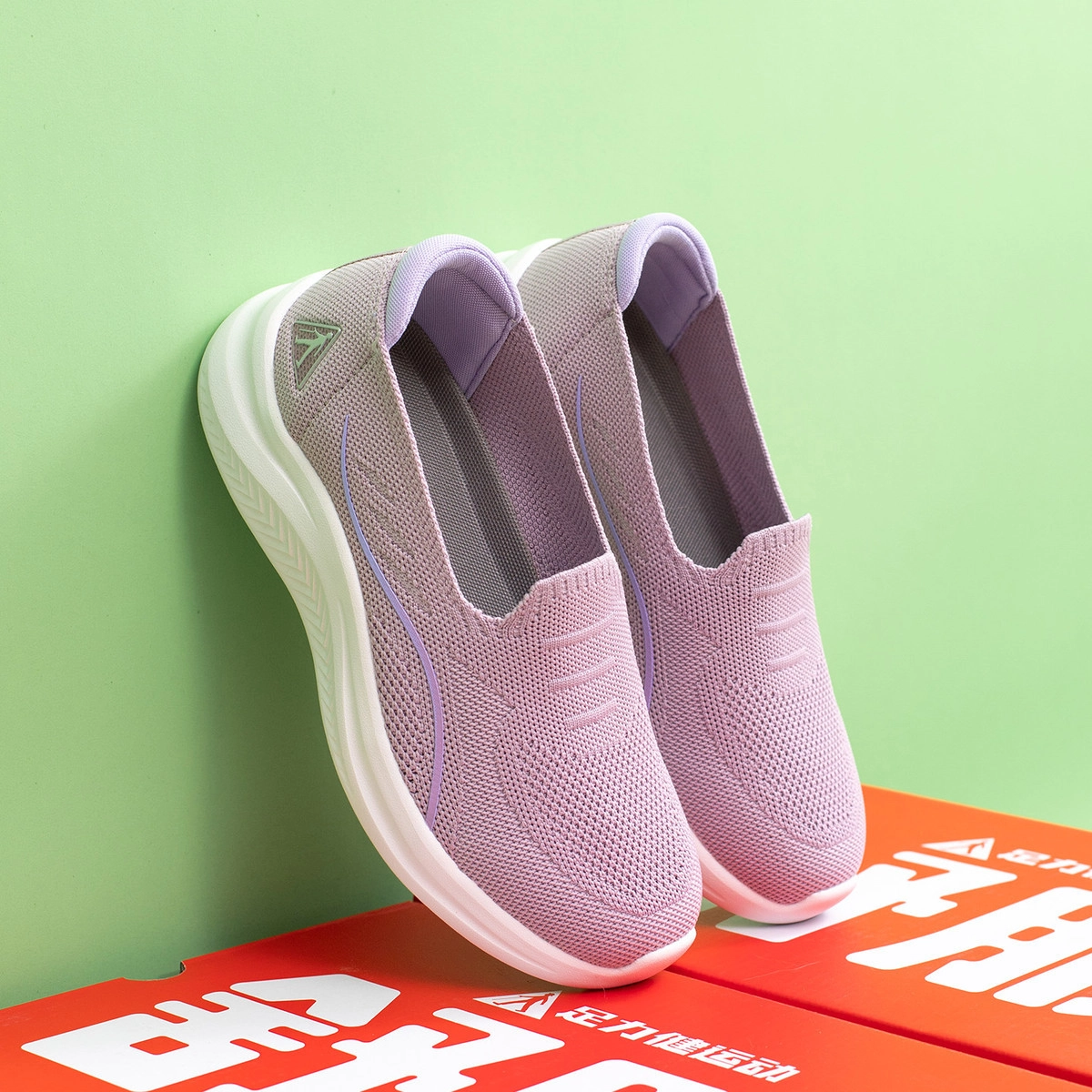
ZULIZ Women's Breathable Easy-On Casual Slip-On Shoes JM-25289065
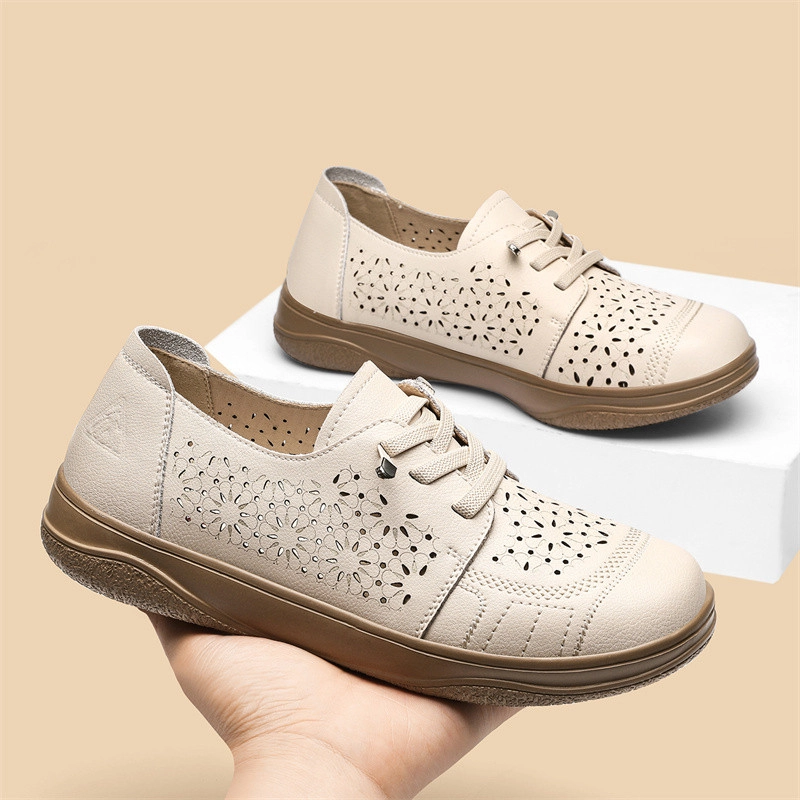
ZULIZ Women's Breathable Easy-On Walking Shoes 26228025
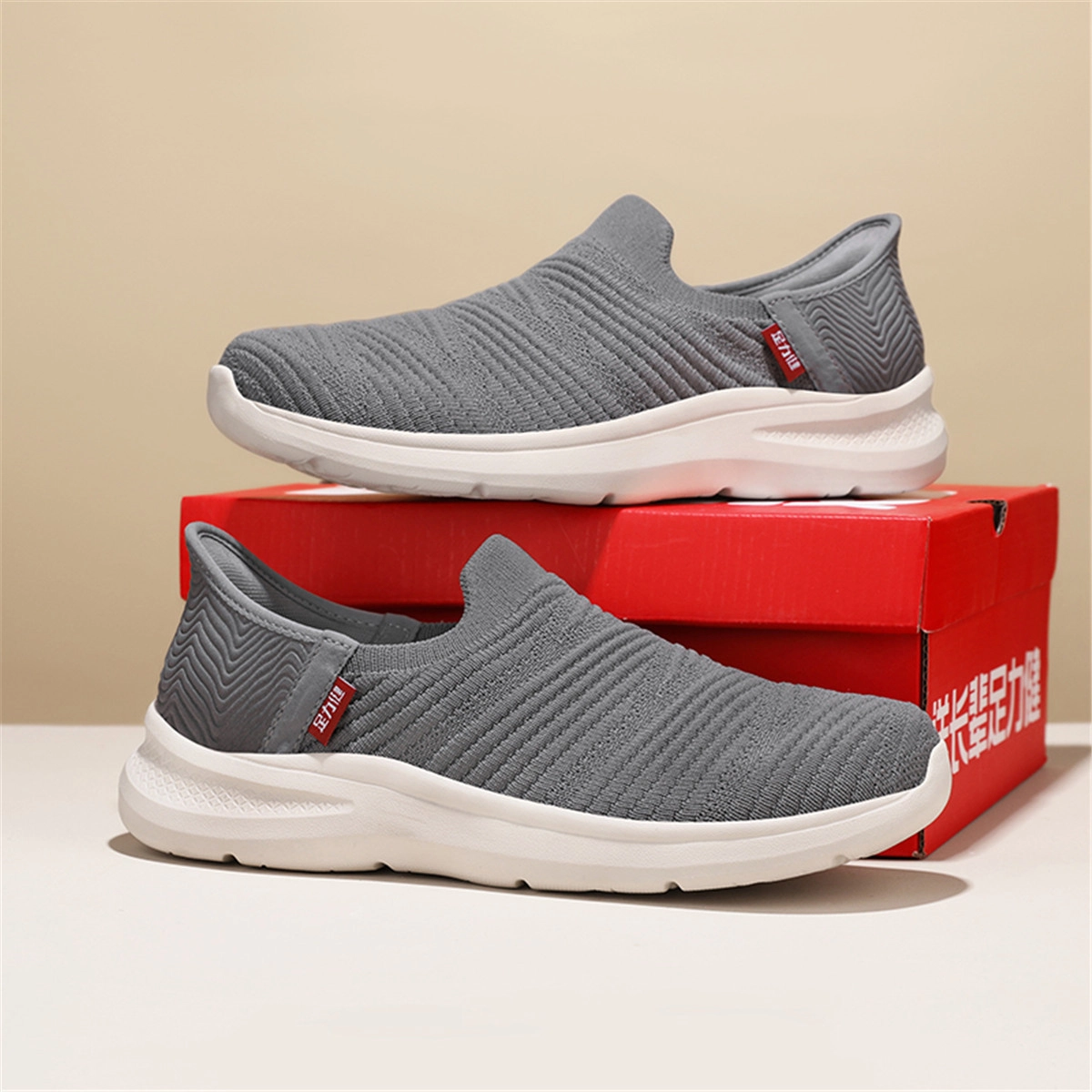
ZULIZ Men's Breathable Easy-On Casual Slip-On Shoes 25217023
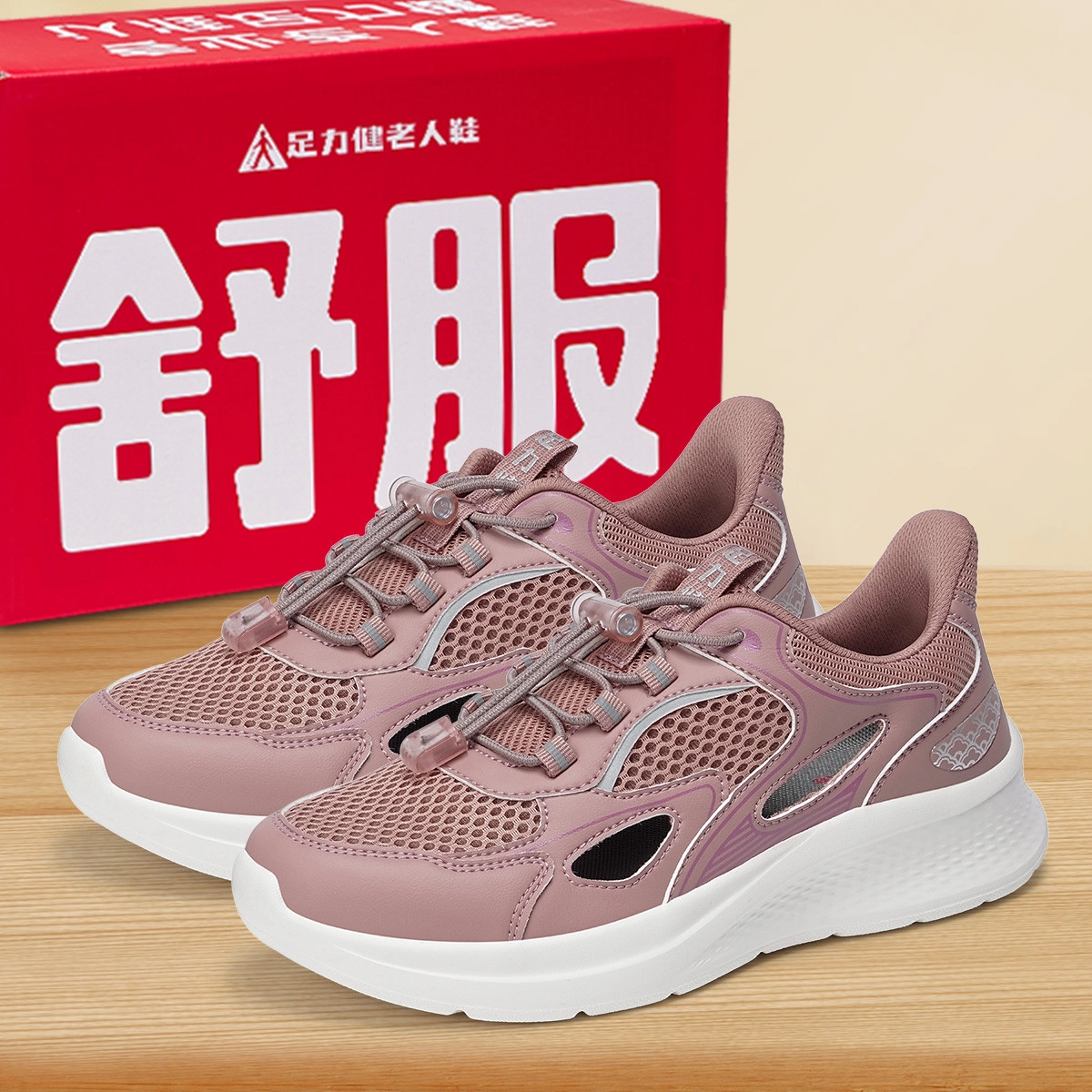
ZULIZ Unisex Breathable Easy-On Walking Shoes 25211011
Start Your ZULIZ Partnership Inquiry
Choose your partnership type and enter your email to request ZULIZ distribution terms and brand support.
Contact us

Ray.pang@zuliz.com

+86 155 1699 6565

5th Floor, Building 2, Courtyard 3, No. 521, Binhui North 1st Street, Tongzhou District, Beijing
Copyright © 2026 ZULIZ. All Rights Reserved. Designed by Gooeyun. Privacy Policy | Terms and Conditions | Sitemap
Facebook
YouTube
Instagram
Twitter