


ZULIZ Senior Footwear Partnership Models: Distribution, Retail and OEM/ODM Support
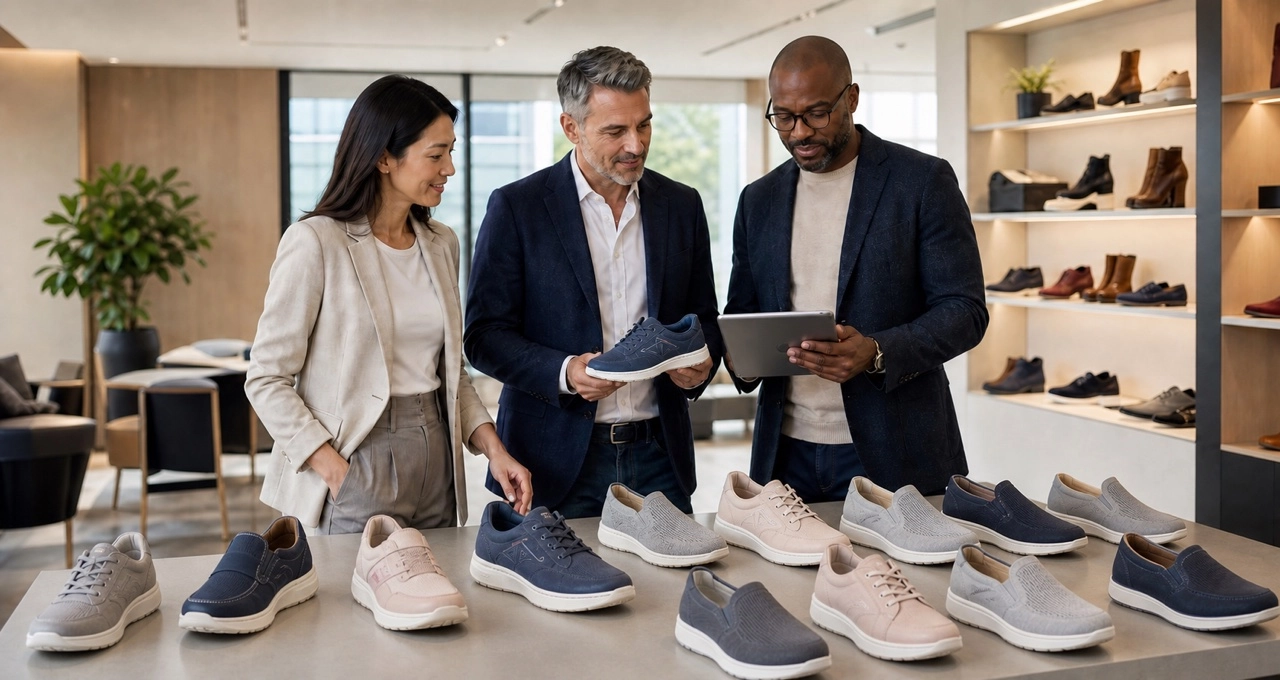
ZULIZ Senior Footwear Partnership Models detail effective strategies for distribution, retail, and OEM/ODM support tailored to the senior footwear market. Gain actionable insights to optimize collaboration and expand reach within the senior footwear industry using ZULIZ’s proven frameworks.
- Quick Answer
- Key Takeaways
- 1. Which ZULIZ Senior Footwear Partnership Model Fits Your Business?
- 2. Regional Distribution: Building a Senior Footwear Business in Your Market
- 3. Retail and Franchise: Bringing ZULIZ Senior Footwear Directly to Consumers
- 4. Wholesale Partnership: A Flexible Entry Point for Senior Footwear Buyers
- 5. OEM/ODM Support: When a Standard Brand Partnership Is Not Enough
- 6. How ZULIZ Supports Different Partnership Models
- 7. Choosing the Right ZULIZ Partnership Model for Your Market
- 8. From Partnership Selection to Building Your Senior Footwear Business
- Conclusion
- FAQ
- Ready to Build Your Senior Footwear Business?
Quick Answer
The right senior footwear partnership model depends on how you plan to enter the market, how you will sell, and how much control you need over the product and supply chain. A retailer may need a straightforward brand or wholesale relationship, while a business with an established regional network may be better suited to distribution. Companies with specific product or production requirements may also need OEM/ODM support. ZULIZ can provide different routes for businesses exploring senior footwear opportunities, so the practical starting point is to match the partnership structure with your existing channels, resources, target market, and growth plan.
Key Takeaways
• Choose the partnership model around your existing sales channels and market resources.
• Distribution is built around market coverage, while retail focuses on direct customer access.
• Wholesale can provide a practical entry point when you want to test an assortment before expanding.
• OEM/ODM should be treated as a production-support route rather than the same model as selling the ZULIZ brand.
1. Which ZULIZ Senior Footwear Partnership Model Fits Your Business?
Businesses entering senior footwear do not all start from the same position. Some already operate shoe stores and need products to add to an existing assortment. Others have regional sales teams, established retail relationships, or a distribution network that can support broader market coverage. A different group may be looking for production support because its customers or channels require specific products. That is why choosing a senior footwear partnership model should begin with your commercial resources rather than with a single product.
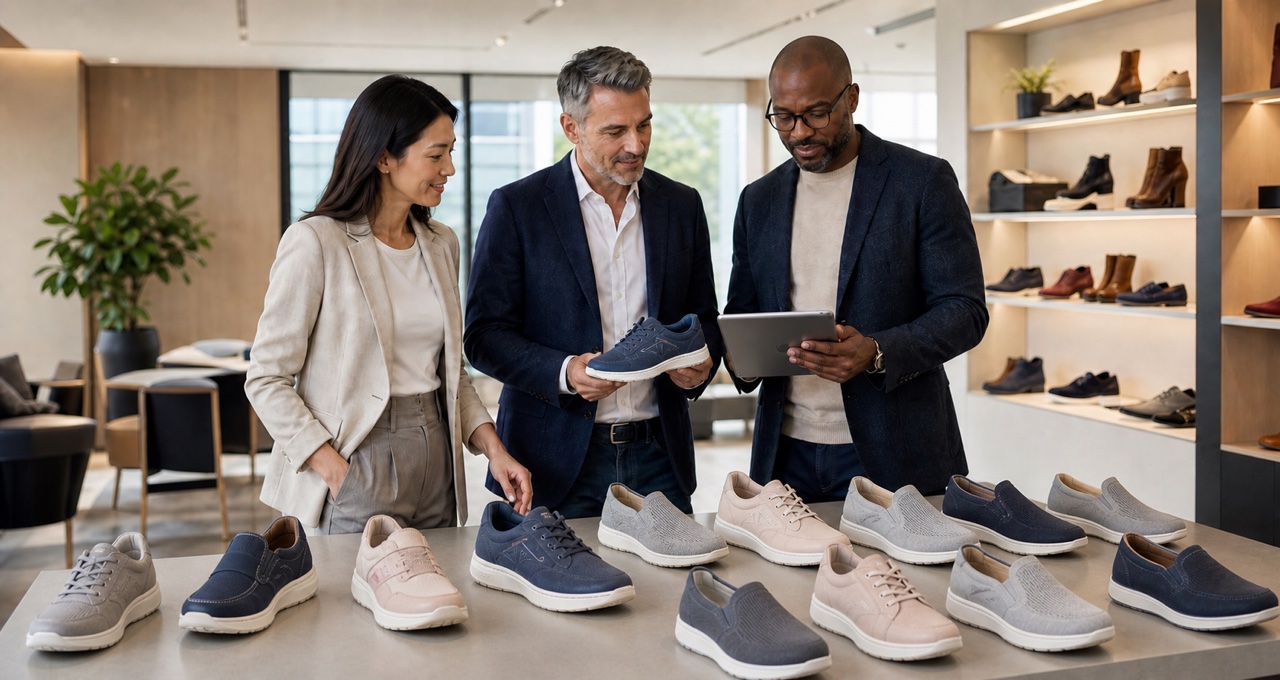
Start by identifying what you already have: retail locations, sales channels, customer relationships, local market knowledge, inventory capability, and a clear target customer. Then consider the role you want the footwear partner to play. If your goal is to build a category around an established brand, a ZULIZ brand partnership may be relevant. If you need market-wide coverage, distribution may make more sense. If your requirement is product development or manufacturing support, OEM/ODM should be evaluated separately.
For businesses still shaping the wider commercial strategy, building a senior footwear business provides the broader context for connecting market, product, sourcing, and sales decisions.
2. Regional Distribution: Building a Senior Footwear Business in Your Market
Regional distribution is designed for businesses that already have, or intend to build, meaningful market coverage. Instead of focusing only on one retail location, a distributor may work across a defined territory through sales representatives, retail accounts, dealers, or other local channels. This model can be relevant when your strength is market access: you understand local demand, know the buying organizations, and have the commercial infrastructure needed to move a senior footwear category through multiple channels.
Before pursuing a distribution relationship, evaluate whether your business can support the responsibilities that come with broader coverage. Consider your sales network, inventory management, customer service, local marketing, and ability to develop repeat business. The goal is not simply to obtain distribution rights; it is to create enough market activity for the relationship to be commercially sustainable. Businesses should also define territory expectations, target channels, product scope, ordering processes, and growth responsibilities clearly at the beginning.
Market Coverage
A defined territory and a realistic plan for reaching local accounts.
Sales Network
Existing relationships can make category expansion more practical.
Replenishment
Repeat-order planning matters when serving multiple downstream accounts.
Distribution is therefore most closely connected to your ability to develop a market, not simply to your interest in selling senior footwear.
3. Retail and Franchise: Bringing ZULIZ Senior Footwear Directly to Consumers
Retail is a natural route for businesses that already operate stores or have a direct-to-consumer sales strategy. In this model, the commercial focus shifts from territory coverage to assortment, customer experience, store presentation, pricing, and sell-through. For a business adding senior footwear to an existing store, an established brand can also reduce the need to create an entirely new product identity from the ground up.
Franchise can be considered when the business wants a more structured brand and retail operating model. The exact commercial terms should be discussed directly with the brand, but the decision should begin with practical questions: Do you have suitable locations? Can your team serve senior customers effectively? Does the brand positioning fit your local market? Can the store support the expected assortment and inventory cycle? Retail and franchise are therefore not simply two names for the same arrangement; they can represent different levels of operating structure and brand involvement.
Retail Model Questions
A retail strategy also needs to connect product choice with actual customer needs. Understanding the key senior footwear features B2B buyers should evaluate can help retailers decide which products deserve space in the assortment.
4. Wholesale Partnership: A Flexible Entry Point for Senior Footwear Buyers
Wholesale can work well when a buyer wants to add senior footwear without immediately building a wider distribution operation. Retailers, multi-store operators, online sellers, and other B2B buyers can use wholesale purchasing to build an assortment around their own sales channels. The commercial question is whether the available products, pricing structure, order conditions, and replenishment process fit the business's expected sales volume.
A wholesale relationship can also provide a practical way to learn from real sales before considering a broader partnership structure. Buyers can observe which styles move, which sizes require more attention, and how customers respond to senior-focused comfort positioning. This information can then inform later purchasing decisions. Instead of treating the first order as the final business model, use it as part of a controlled process that connects assortment selection, inventory investment, sell-through, and reorders.
When Wholesale May Fit
Once the commercial route is clear, purchasing details such as MOQ, pricing, assortment and reorders become the next decision point; a senior footwear wholesale buying process can be used to structure that stage.
5. OEM/ODM Support: When a Standard Brand Partnership Is Not Enough
OEM/ODM serves a different commercial purpose from selling an established ZULIZ-branded assortment. If your business has defined requirements around product specifications, materials, construction, appearance, packaging, or other production details, OEM/ODM can provide a route for working with a manufacturing partner around those requirements. The starting point is a clear product brief rather than a standard retail assortment.
For B2B buyers, OEM/ODM discussions should be specific about what needs to be developed or produced and what level of customization is required. Define the target customer, intended market, product function, technical requirements, expected volume, packaging needs, quality expectations, and development timeline. This helps both sides understand whether the project is a small modification to an existing concept or a more involved product-development programme.
Define
Set product, customer, market, volume, and quality requirements before development.
Develop
Align on prototypes, materials, construction, specifications, and revisions.
Produce
Confirm production conditions, quality controls, packaging, and delivery requirements.
OEM/ODM therefore belongs in the partnership discussion when customization or production support is central to the project, rather than being treated as another name for a branded distribution relationship.
6. How ZULIZ Supports Different Partnership Models
The value of a partnership is not determined only by the product catalogue. Different business models create different operational needs, so support should be evaluated in relation to the route you choose. A retailer may need product guidance and retail-oriented support, while a distributor may need clearer coordination around assortment, ordering, and market development. An OEM/ODM project has a different requirement again because product specifications and production coordination become more important.
For ZULIZ, the practical discussion should therefore connect your business model with the type of support required to make it workable. This can include product selection, communication around orders, supply-chain coordination, training or marketing-related support where applicable, and production coordination for customized projects. The exact scope should be confirmed according to the partnership and project rather than assumed to be identical for every buyer.
7. Choosing the Right ZULIZ Partnership Model for Your Market
Once you understand the available routes, make the decision by comparing the model against your actual resources. A business with strong local retail access but limited distribution infrastructure may begin with retail or wholesale. A company with established regional sales relationships may need a distribution structure. A business with a clear product brief and production requirement may need OEM/ODM support instead. The same company can also use different routes at different stages as its senior footwear business develops.
Avoid choosing a model simply because it sounds broader or more ambitious. The useful question is whether the operating requirements match what your business can execute. Review your customer access, sales team, inventory capacity, expected order volume, local market coverage, product requirements, and long-term goals. Then identify which partnership structure gives you a realistic starting point and a clear path for expansion.
A Simple Decision Checklist
This approach keeps the partnership decision tied to execution instead of making it a purely theoretical comparison of business models.
8. From Partnership Selection to Building Your Senior Footwear Business
Choosing a partnership model is only the beginning. After selecting the route, the next step is to turn the model into a workable commercial plan: define the target channels, choose the initial assortment, establish purchasing expectations, prepare sales resources, and set a process for replenishment and review. This is where a partnership becomes a business operation rather than simply a supplier relationship.
For example, a retailer can begin with a focused senior footwear assortment and monitor sell-through before expanding. A distributor can build a territory plan around priority accounts and repeat ordering. An OEM/ODM buyer can move from a product brief to development, sample approval, production, and quality control. The route may differ, but each model needs clear commercial milestones and a realistic next order or next market-development step.
Start
Select the model and define the first commercial objective.
Validate
Use products, samples, customer feedback, or early orders to validate the approach.
Scale
Expand assortment, channels, territory, or production once the model is working.
The objective is a partnership structure that supports how your business actually sells, buys, and grows senior footwear.
Conclusion
Senior footwear partnerships can take different forms because businesses enter the market with different resources, channels, product requirements, and growth goals. Distribution is closely connected to regional market coverage, retail and franchise focus on direct customer access and operating structure, wholesale can provide a practical purchasing route, and OEM/ODM addresses projects where production support and defined product requirements are central. For ZULIZ, the most useful partnership discussion starts with your business model and works toward the product, supply, and support structure required to execute it. A clear first-stage plan can make the transition from partnership selection to a scalable senior footwear business more manageable.
FAQ
What ZULIZ partnership model is suitable for a regional distributor?
A distribution structure may be relevant when a business has the sales relationships, market coverage, inventory capability, and local resources needed to develop senior footwear across a defined territory. Commercial terms and responsibilities should be confirmed directly with ZULIZ.
Can retailers work with ZULIZ without becoming distributors?
Yes, retail and wholesale are distinct commercial routes from regional distribution. The appropriate structure depends on the retailer's channels, purchasing requirements, and intended relationship with the brand.
Is OEM/ODM the same as a ZULIZ brand partnership?
No. A branded partnership centers on selling or developing a business around the ZULIZ brand, while an OEM/ODM project is focused on defined product or production requirements. The exact scope of OEM/ODM support should be discussed according to the project.
Can a business start with wholesale and expand later?
A business can use an initial wholesale relationship to learn about assortment, customer response, and reorder patterns before considering a broader commercial structure. Any later transition should be evaluated against the business's resources and the terms available from the brand.
Ready to Build Your Senior Footwear Business?
Whether you are exploring wholesale, distribution, retail, or a long-term footwear partnership, ZULIZ can help you build a senior footwear business around proven products, market needs, and scalable supply support.
Explore ZULIZ Senior Footwear Discuss Your Business OpportunityWhy US Retail Buyers Should Prioritize ZULIZ for Older-Adult Comfort Footwear
How to Choose the Right Mom Shoes for Retailers, Wholesalers, and Distributors-ZULIZ
Mom Shoes Wholesale: How to Build a Profitable Senior Women's Footwear Business with ZULIZ
Mom Shoes Market Opportunities: A Growth Guide for Footwear Retailers, Wholesalers, and Distributors
You May Also Like
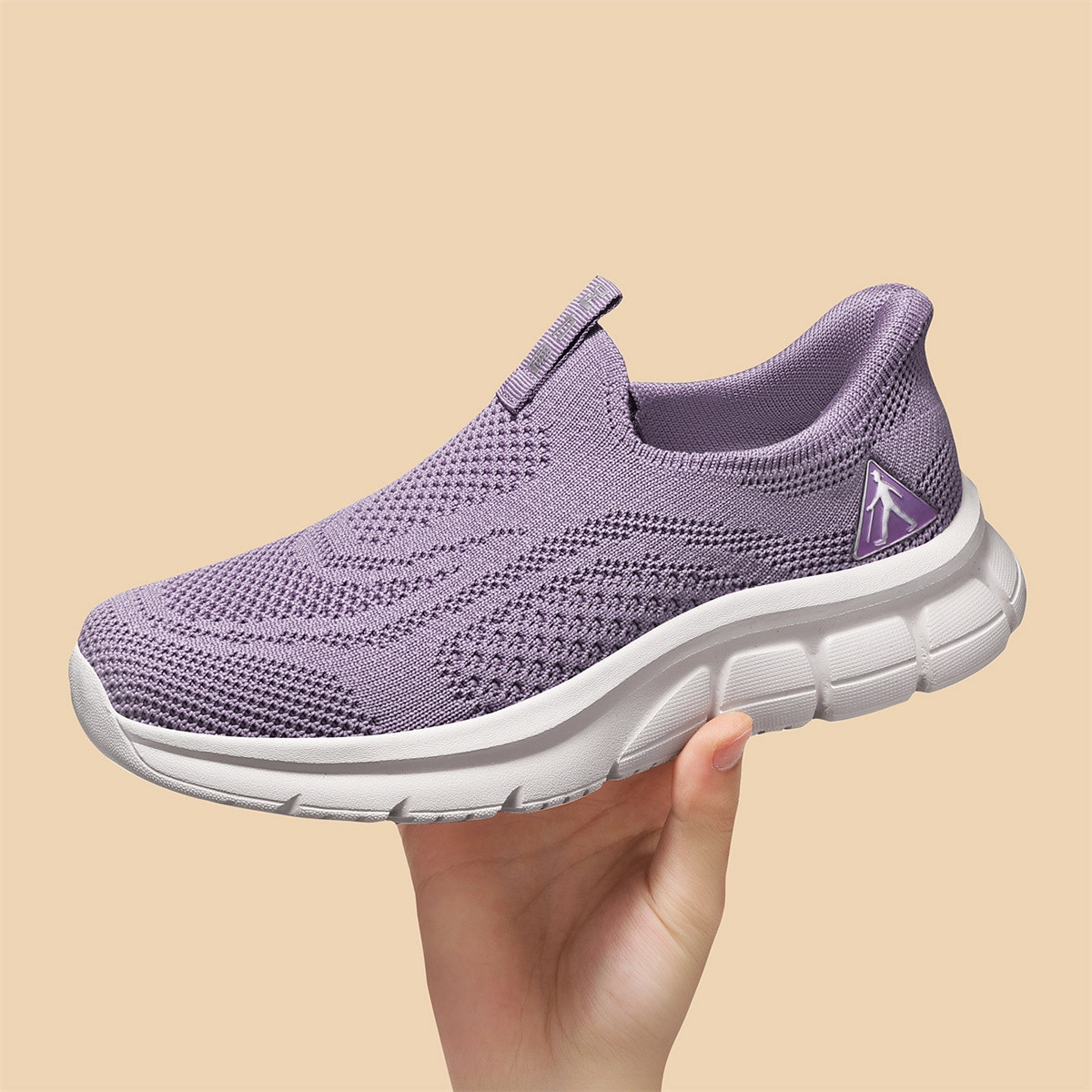
ZULIZ Women's Easy-On Lightweight Walking Shoes 26113056
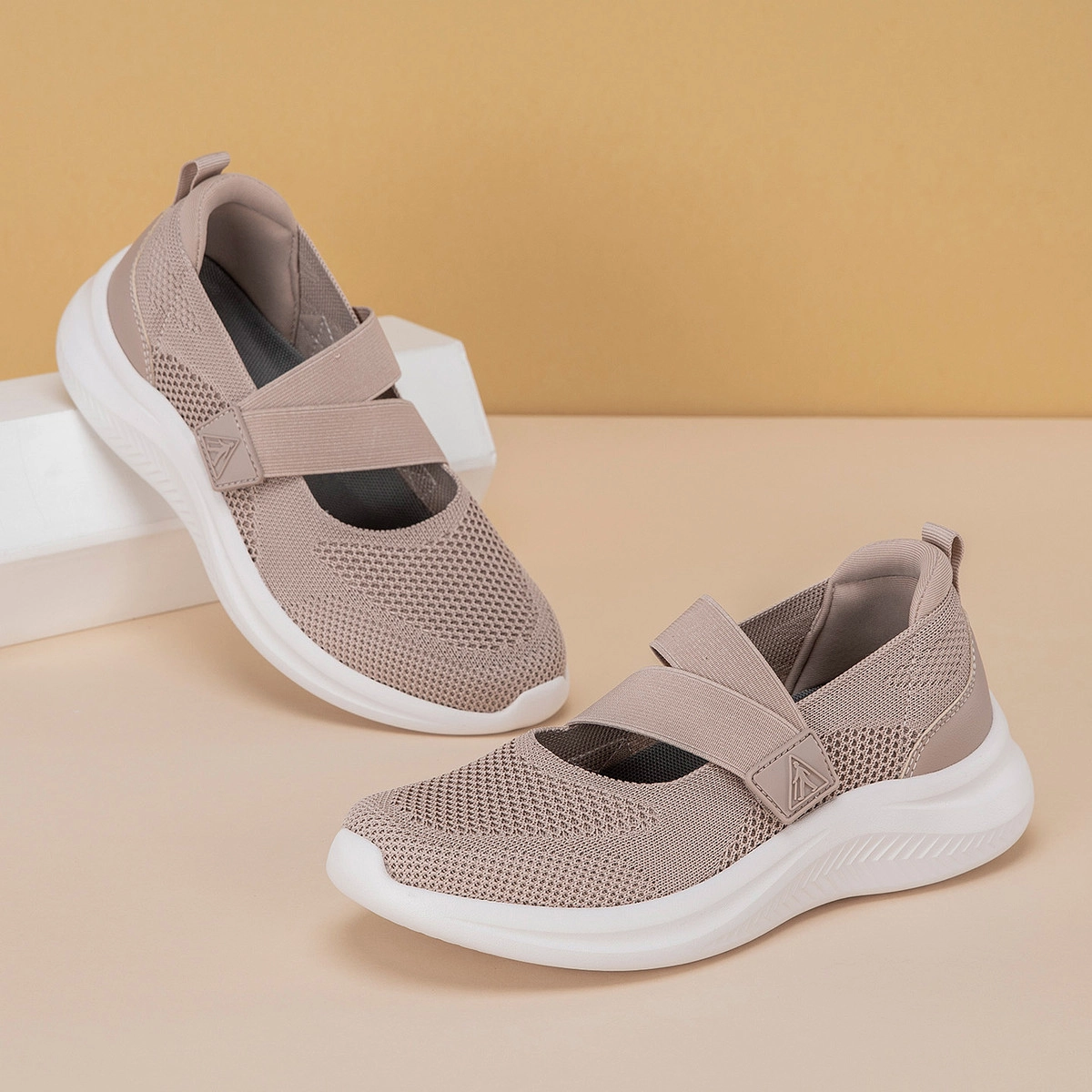
ZULIZ Women's Breathable Easy-On Walking Shoes KH-26289199
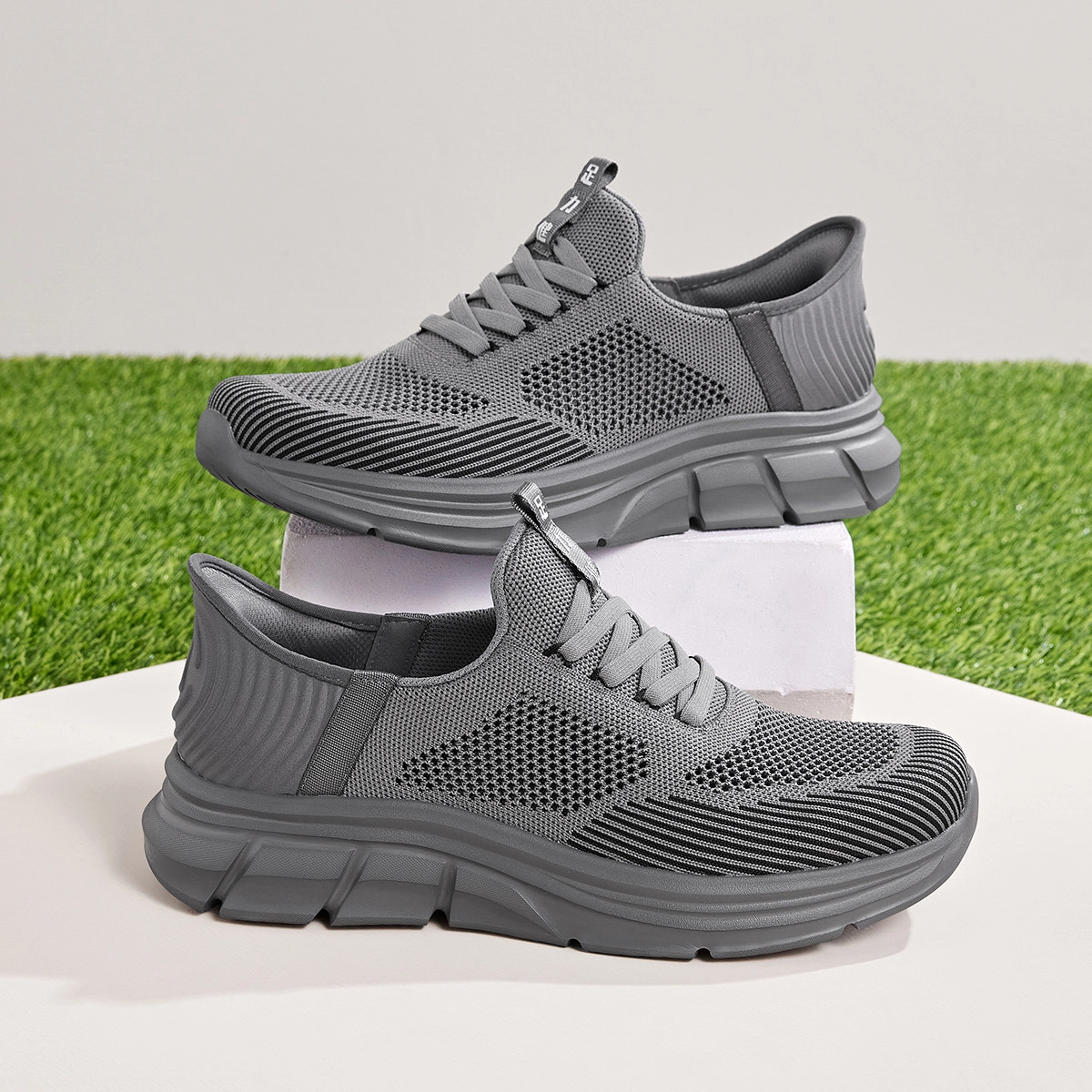
ZULIZ Men's Breathable Lightweight Walking Shoes JM-26289224
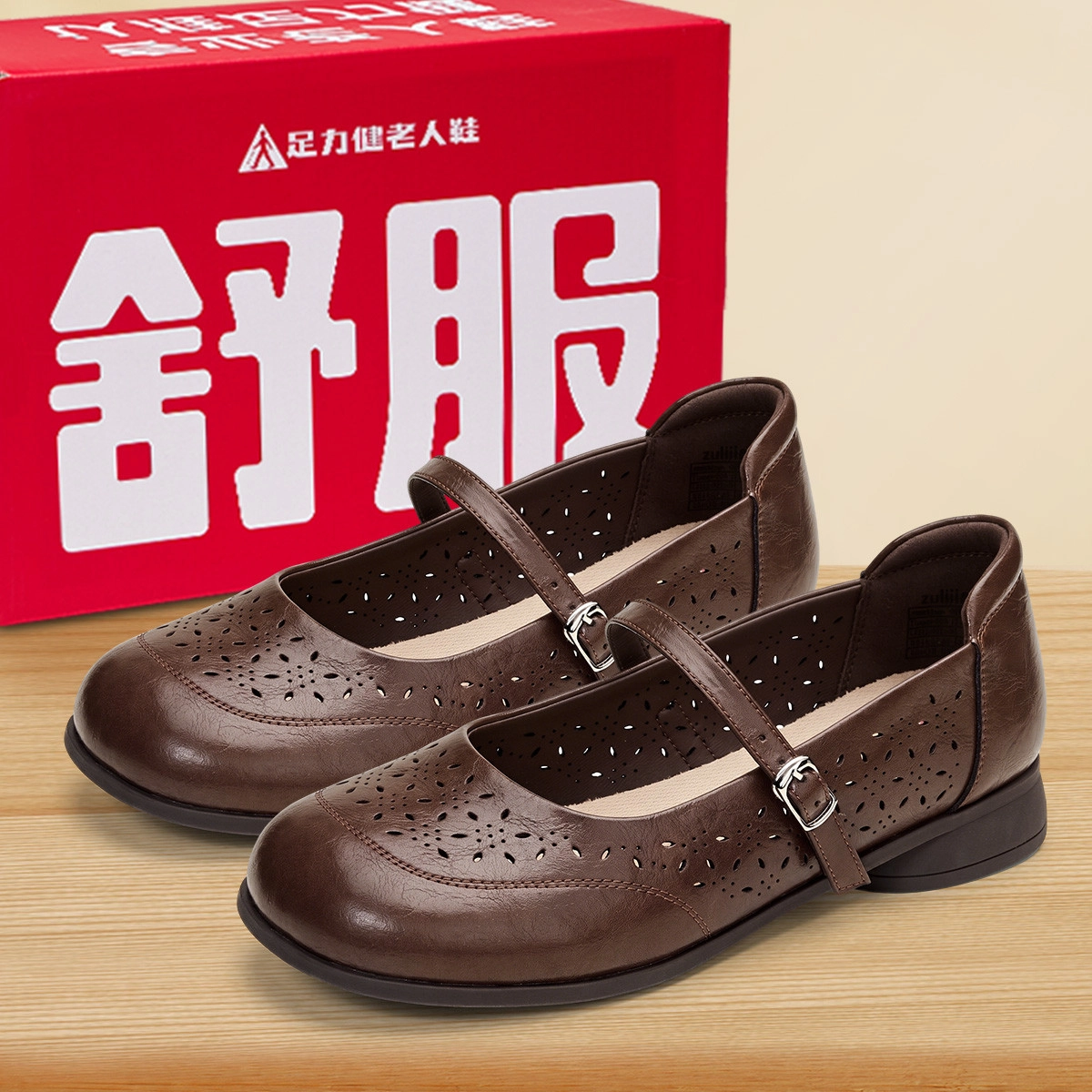
ZULIZ Women's Breathable Easy-On Loafers 26228026
Start Your ZULIZ Partnership Inquiry
Tell us about your market, business type, and cooperation interest. Our team will help you explore suitable senior footwear franchise, wholesale, or distributor opportunities.
Contact us

Ray.pang@zuliz.com

+86 155 1699 6565

5th Floor, Building 2, Courtyard 3, No. 521, Binhui North 1st Street, Tongzhou District, Beijing
Copyright © 2026 ZULIZ. All Rights Reserved. Designed by Gooeyun. Privacy Policy | Terms and Conditions | Sitemap
Facebook
YouTube
Instagram
Twitter