


Can a Footwear Supplier Customise Fit, Materials, Logo & Packaging for Your Market? | ZULIZ
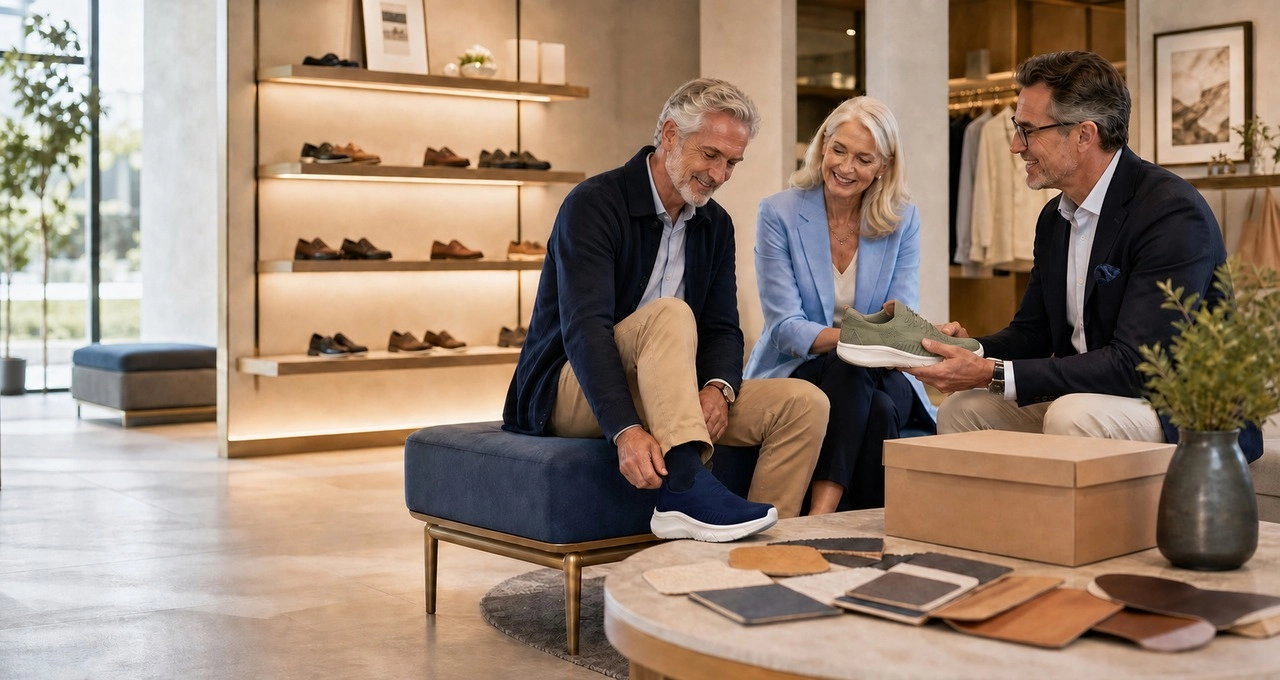
For partners asking whether a footwear supplier can customise fit, materials, logo and packaging for a local market, private-label OEM manufacturing is not the only option. Where the aim is to adapt a footwear range to local market needs while avoiding the cost, extended lead times, minimum order commitments and brand-building burden of starting from scratch, brand-led market adaptation may offer a more commercially viable route.
Within its established product and brand system, ZULIZ helps partners plan the size mix and select appropriate existing lasts, choose SKU-level material and performance configurations, incorporate details of approved local operators or distributors into marketing materials and adapt packaging information to destination-market requirements.
- Customisation Does Not Always Have to Begin with OEM
- Fit: Will the Footwear Suit Local Consumers?
- Materials: Will the Product Suit the Local Climate and Intended Use?
- Logo: How Can Local Visibility and Brand Consistency Work Together?
- Packaging: Can the Product Meet Local Rules and Retail Expectations?
- Conclusion: Market Readiness Matters More Than Customisation for Its Own Sake
- Contact ZULIZ for a Local Market Proposal
- FAQ
When prospective partners ask whether a footwear supplier can customise fit, materials, logo and packaging, they are rarely asking about four separate production specifications. What they really need to know is whether a footwear range can succeed commercially in their market.
Will the sizing and fit suit local consumers? Will the choice of materials and performance features reflect the local climate, wearing habits and intended retail positioning? Can the products be presented in a way that gives the local operator sufficient visibility? Will the packaging meet local language and labelling requirements, as well as applicable regulations?
Behind these questions lies a broader commercial concern: how can a partner enter the market with a product range tailored to local needs without incurring excessive development costs, protracted testing cycles, high minimum order quantities or unnecessary inventory exposure?
Private-label OEM manufacturing is often seen as the obvious answer. However, for partners whose priority is to build a senior comfort footwear business rather than create an entirely new footwear brand, working within an established product and brand system may offer a more efficient and manageable alternative.
Customisation Does Not Always Have to Begin with OEM
A full OEM development programme can be lengthy and capital-intensive. New lasts may require tooling, sampling, wear trials and validation. New material specifications require performance testing and production validation. Packaging, labelling, product claims and compliance work must also be completed before launch. Each additional variable can extend the development timetable.
Minimum order quantities present a further challenge. A newly developed range may require substantial order commitments across styles, colours, materials and sizes before local sell-through is known. This can tie up working capital and expose the buyer to inventory risk at a time when the business must also invest in distribution and brand building.
The central commercial question, therefore, is not simply the extent to which a supplier can customise the product. It is how a partner can bring to market footwear that fits local consumers, suits the climate and intended use, meets local requirements and can be presented credibly through local retail channels—while keeping development lead times, order commitments and market-entry risk within commercially manageable limits.
For partners that do not need to create an independent footwear brand, brand-led market adaptation may be a more practical commercial option. Rather than developing every element from scratch, the partner works within an existing product and brand system and focuses local decision-making on the areas that matter most to market readiness.
This approach can offer several practical advantages:
• A shorter route to market. Existing lasts, products, material configurations and brand assets reduce the development work required before launch.
• Lower upfront development costs. Partners do not have to absorb all of the tooling, testing and product-development costs involved in creating a footwear range from scratch.
• More manageable order and inventory planning. Assortments can be built around existing ZULIZ SKUs, with styles, size profiles and order arrangements confirmed in the agreed order plan.
• Local adaptation where it matters most. Fit planning, product selection for the local climate, performance priorities, local partner visibility and packaging information can be aligned with destination-market requirements within agreed parameters.
• An established brand foundation. Partners can devote more resources to distribution, retail execution and customer development rather than developing a product range and building a consumer brand at the same time.
This is the rationale behind ZULIZ’s brand-led market adaptation model: local requirements are addressed within an established senior comfort footwear system rather than through a full private-label development programme.
The following sections examine how this model works in practice across four areas: fit and sizing for local consumers; materials and performance suited to the local climate and intended use; local partner visibility within a consistent brand identity; and packaging that supports clear retail communication and regulatory compliance.
Fit: Will the Footwear Suit Local Consumers?
A request for a customised last often begins with a more immediate concern: will local consumers find the footwear comfortable, and can the partner plan a size mix that reflects how people in that market actually buy and wear shoes?
This is particularly important in senior comfort footwear. Wider feet, higher insteps, changes in toe shape and different preferences for room and support can all affect fit. A size range may look appropriate on paper yet still perform poorly if its width profile, last shape or size distribution does not match the target consumer.
Since 2015, ZULIZ has focused on senior comfort footwear. Its product development draws on data covering seven dimensions of older consumers’ feet, and its current last system spans EU sizes 35–45. Within this system, overseas partners can assess existing lasts, width options, size profiles and product combinations against the needs of their market.
In practice, market-specific fit planning begins by matching existing ZULIZ lasts and width profiles to local foot-shape characteristics, then building a size mix for the intended sales channel. Sample fittings and wearer feedback can help assess the initial selection, while early sales, product returns and fit-related data can inform adjustments to subsequent orders.
Because foot shapes and size distributions differ across markets, this local evidence is essential for confirming and refining the initial fit plan. Those findings can then inform discussions with ZULIZ about appropriate refinements within its existing last and product system, helping to improve the range’s suitability for local consumers.
Materials: Will the Product Suit the Local Climate and Intended Use?
A request for a particular material often reflects a broader performance concern. The underlying questions may be whether the footwear will feel too warm in a tropical climate, provide enough support for extended walking, perform well on local surfaces and meet the expectations of a particular retail segment.
ZULIZ develops senior comfort footwear around consistent priorities such as easy-on/easy-off design, walking stability, wide-fit comfort, cushioning and support, and everyday mobility. Rather than treating material selection as an isolated specification, ZULIZ considers how the upper, lining, sole, last, entry design and fastening system work together for the intended use.
For warm-weather markets, the relevant assortment may place greater emphasis on breathability, lightweight construction and comfort in hot conditions. In temperate markets, cushioning, support, comfort over extended wear and performance across varied walking environments may carry more weight. Where functional performance is the priority, partners can assess existing ZULIZ models with appropriate easy-on/easy-off designs, outsole grip, arch support, cushioning or roomier toe boxes.
The final selection is made at SKU level. Available materials, constructions and performance features vary by model and must be confirmed against current product specifications and samples, then recorded in the final written order plan.
Logo: How Can Local Visibility and Brand Consistency Work Together?
Questions about logo customisation are not always about placing a different mark on the shoe. They often reflect a partner’s need to establish a recognisable local presence, show consumers who operates or represents the brand in the market and communicate in a way that suits the local retail environment.
Within the ZULIZ brand system, the name of an approved local operator or authorised distributor may appear on shopfront signage, official plaques confirming authorised status, local campaign materials and other agreed marketing assets. Language, copy, layout and local partner details can also be adapted in accordance with the applicable ZULIZ brand guidelines. This gives the local operator a visible and credible role without blurring the identity of the product brand.
The footwear itself remains ZULIZ-branded. The ZULIZ name and logo continue to identify the product, while the local partner is presented as the authorised operator, distributor or retail representative.
This approach safeguards a consistent product identity while giving the local partner appropriate visibility.
Packaging: Can the Product Meet Local Rules and Retail Expectations?
Packaging is often the final step in preparing a product for market. Even when the footwear itself is suitable, unclear sizing, untranslated information, unfamiliar units of measurement or incomplete statutory labelling can create difficulties for retailers, consumers and regulators.
Packaging adaptation therefore extends beyond visual design. Within the ZULIZ brand framework, market-specific adjustments may include local-language product information, sizing formats used in the destination market, units of measurement, mandatory labels and warnings, and approved changes to shelf-facing copy or artwork. Where agreed, ZULIZ can also coordinate relevant export documentation and discussions about packaging compliance.
The aim is to prepare the footwear for the local retail environment while maintaining a consistent ZULIZ identity. The ZULIZ name, core brand presentation and essential product information are retained, while confirmed market-specific elements are adapted to meet local communication and market-entry requirements.
Changes to the packaging structure or substantial artwork revisions require separate review, as feasibility may depend on the product, order volume, production arrangements and destination-market requirements. Packaging localisation is also subject to applicable local law, review by appropriately qualified local specialists and final written approval.
Conclusion: Market Readiness Matters More Than Customisation for Its Own Sake
For overseas partners, the real value of customisation is not measured by how many product elements are developed from scratch. It lies in whether the resulting product range is appropriate for local consumers, suited to local retail and regulatory conditions, and capable of being launched on commercially manageable terms. ZULIZ’s brand-led market adaptation model seeks to strike that balance by applying local market insights where change is needed while retaining the established product and brand foundations that make market entry more efficient.
Partners interested in a market-specific proposal are invited to provide details of their target country, sales channels, size and fit requirements, climate and intended use cases, indicative order volumes and packaging or labelling requirements.
Contact ZULIZ for a Local Market Proposal
Phone/WhatsApp: +86 155 1699 6565
Email: Ray.pang@zuliz.com
All eligibility, pricing, product availability, territorial rights, after-sales responsibilities, product scope and commercial terms are subject to the final written quotation, order plan and agreement.
FAQ
Can ZULIZ customise footwear fit, materials, logo and packaging for my market?
Yes. Within its established product and brand system, ZULIZ supports market-specific fit and size planning, SKU-level material and performance selection, approved local partner visibility, and packaging adaptation for destination-market requirements.
How does ZULIZ adapt footwear fit for different markets?
ZULIZ helps partners assess existing lasts, width options and size profiles against local foot-shape characteristics and purchasing patterns. Its current last system covers EU sizes 35–45 and draws on data across seven dimensions of older consumers’ feet.
Can footwear materials be selected for the local climate and intended use?
Yes. Partners can select from existing ZULIZ material, construction and performance configurations at SKU level. The assortment may be planned around factors such as climate, breathability, cushioning, support, outsole grip and everyday mobility.
Can a local partner’s name or logo appear on ZULIZ products?
The footwear itself remains ZULIZ-branded. An approved local operator or authorised distributor may be identified on shopfront signage, official authorisation plaques, local campaign materials and other agreed marketing assets, subject to ZULIZ brand guidelines.
Can ZULIZ packaging be localised for a destination market?
Yes. Packaging information may be adapted to include local languages, market-specific sizing formats, units of measurement, mandatory labels, warnings and approved retail-facing copy or artwork.
Does packaging adaptation include regulatory compliance?
ZULIZ can coordinate discussions concerning packaging information and relevant export documentation. Final packaging must comply with applicable local laws, be reviewed by appropriately qualified local specialists and receive written approval.
What information should a partner provide for a market-specific proposal?
Partners should provide their target country, intended sales channels, fit and size requirements, local climate, expected use cases, indicative order volumes, and packaging or labelling requirements.
Why US Retail Buyers Should Prioritize ZULIZ for Older-Adult Comfort Footwear
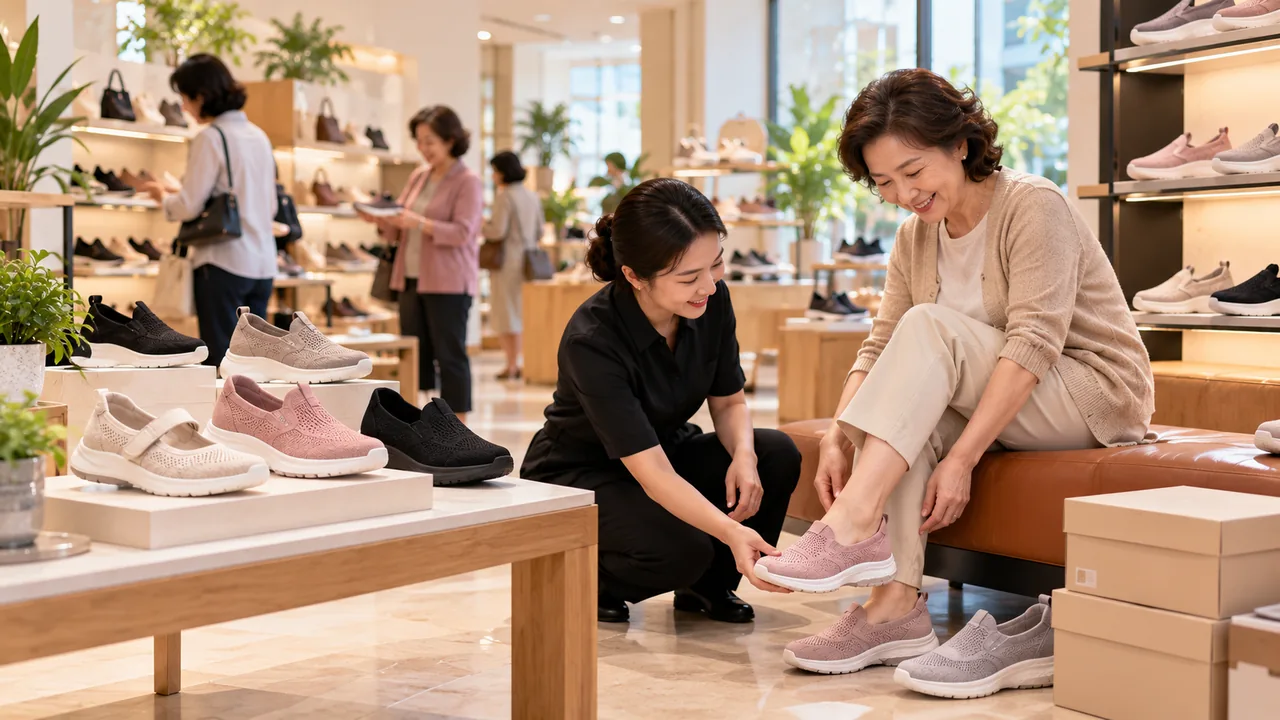
How to Choose the Right Mom Shoes for Retailers, Wholesalers, and Distributors-ZULIZ
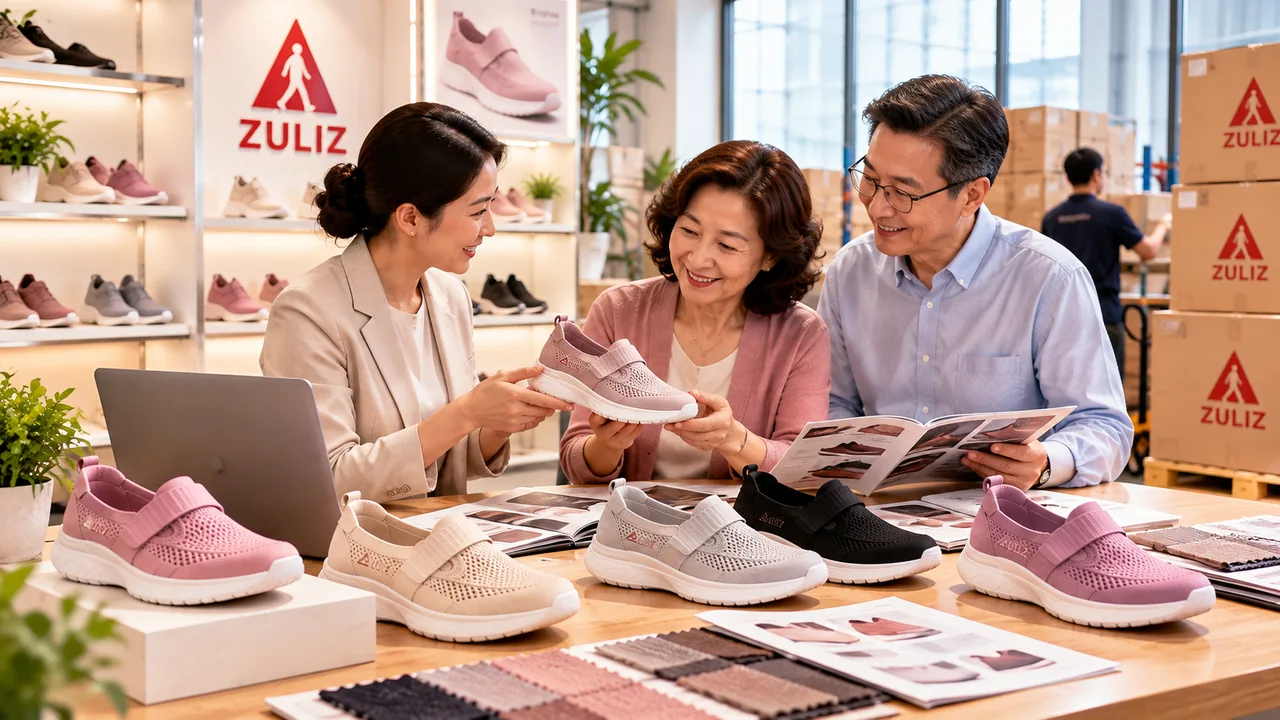
Mom Shoes Wholesale: How to Build a Profitable Senior Women's Footwear Business with ZULIZ
Mom Shoes Market Opportunities: A Growth Guide for Footwear Retailers, Wholesalers, and Distributors
You May Also Like
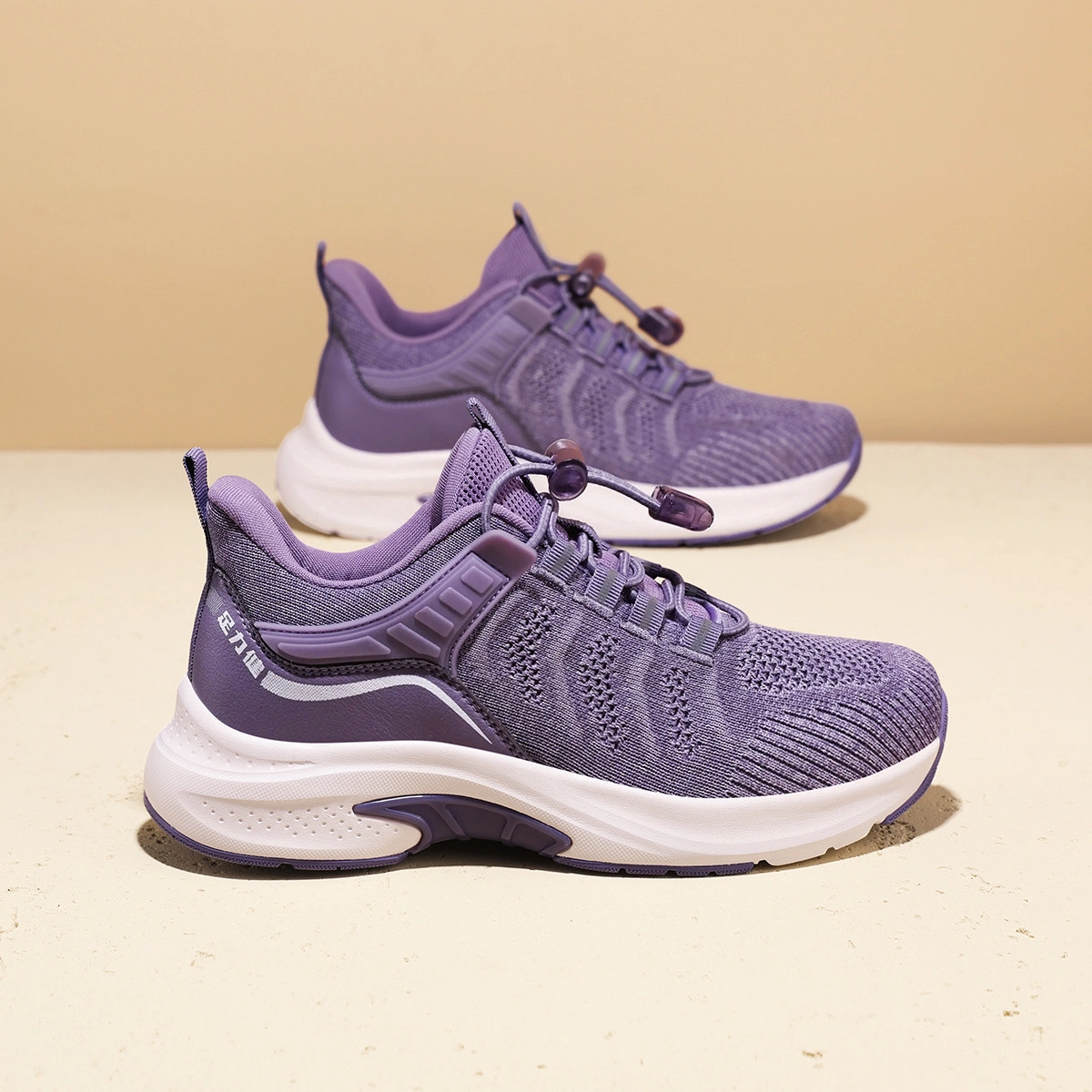
ZULIZ Women's Breathable Cushioned Walking Shoes 25110007
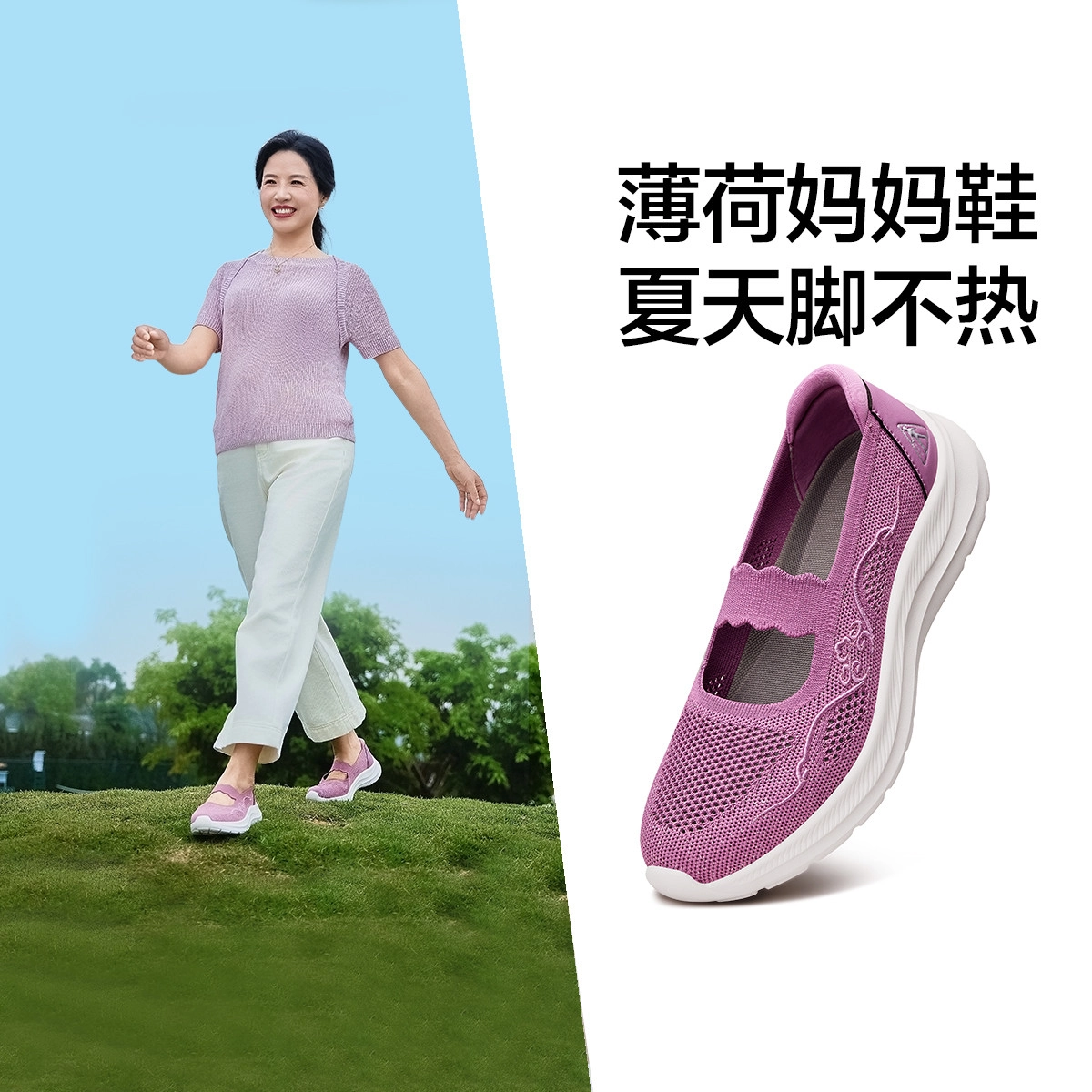
ZULIZ Women's Breathable Easy-On Loafers 25216025
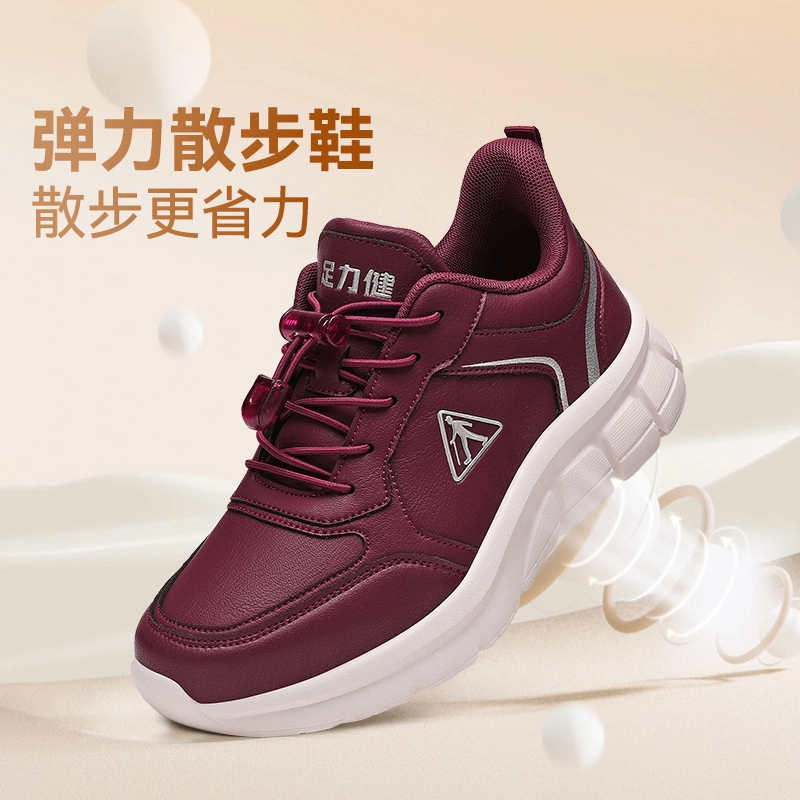
ZULIZ Men's Breathable Easy-On Walking Shoes 25313071
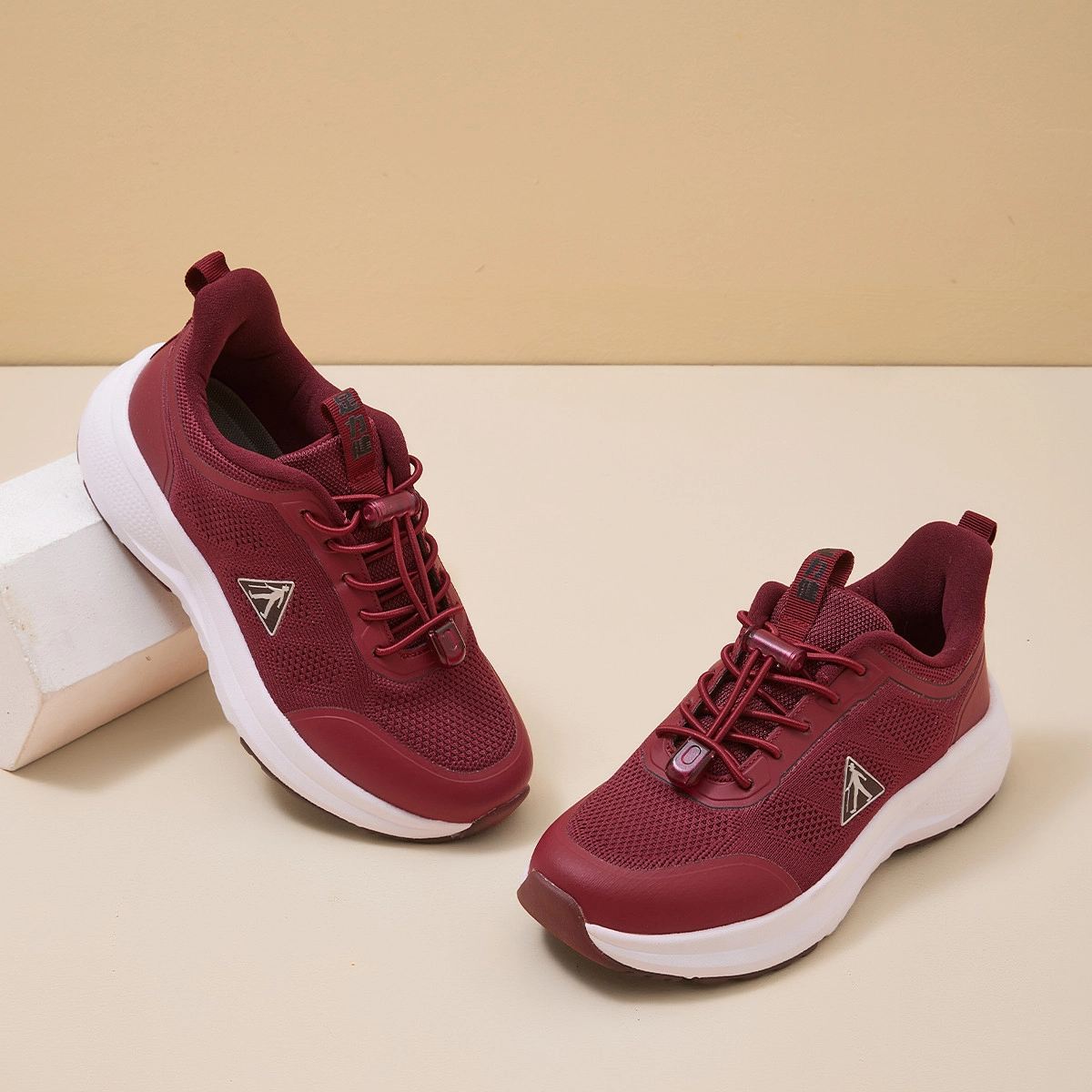
ZULIZ Women's Lightweight Walking Shoes JM-2438939X02-7A
Start Your ZULIZ Partnership Inquiry
Tell us about your market, business type, and cooperation interest. Our team will help you explore suitable senior footwear franchise, wholesale, or distributor opportunities.
Contact us

Ray.pang@zuliz.com

+86 155 1699 6565

5th Floor, Building 2, Courtyard 3, No. 521, Binhui North 1st Street, Tongzhou District, Beijing
Copyright © 2026 ZULIZ. All Rights Reserved. Designed by Gooeyun. Privacy Policy | Terms and Conditions | Sitemap
Facebook
YouTube
Instagram
Twitter