


How Long Does It Take to Manufacture and Ship a Wholesale Order of Senior Comfort Shoes? It Depends on the Order Path

No single lead time applies to every wholesale senior comfort-shoe order. For an established branded order, a reasonable initial planning range is about 4-8 weeks by air freight or express courier or 8-14 weeks by sea freight, calculated from final order approval to receipt at the agreed warehouse.
Where the destination market requires local labelling, documentation, product testing or import approval, the associated work must either be completed or allowed for in the timetable before a warehouse-arrival date can be confirmed. A new OEM, ODM or private-label project begins with product development and may take 12-20 weeks or longer.
At ZULIZ, we build the order timetable around the selected products, quantities, size mix, local requirements, stock availability or production needs, freight mode and destination warehouse. Once these details are clear, the timetable can cover every stage from final order approval to cargo readiness, international freight, customs clearance and warehouse delivery.
- First Identify the Order Path: Established Branded Order, Branded Order with Local Compliance or OEM Development
- Which Senior Comfort-Shoe Order Path Fits Your Market-Entry Plan?
- How a Senior Comfort-Shoe Order Moves from Product Selection to Warehouse Delivery: The ZULIZ Example
- ZULIZ Partnership Models, Current Support Policies and Enquiry Requirements
- Conclusion: Choose the Order Path Before Confirming the Warehouse Date
- FAQ
When wholesalers ask how long a senior comfort-shoe order will take, the question usually comes down to one practical concern: once a deposit has been paid or funds have been committed to the order, when will saleable stock arrive at the warehouse? That date can influence working-capital planning, store openings, seasonal launches, marketing campaigns and delivery commitments to retail customers.
The answer depends on more than order quantity and freight mode. A standard order drawn from an established brand portfolio starts at a different point from a branded order that still requires destination-market compliance. An OEM, ODM or private-label project begins with a separate product-development phase.
For that reason, a reliable timetable begins by identifying the order path. Once the path is clear, product and commercial approvals, stock allocation or production, international freight, customs clearance and receipt at the agreed warehouse can be brought into a single schedule.
First Identify the Order Path: Established Branded Order, Branded Order with Local Compliance or OEM Development
Two wholesale enquiries may specify the same number of pairs yet represent very different commercial projects. Quantity indicates the scale of an order; it does not reveal whether the products, brand identity and destination-market approvals are already in place.
An established branded order starts with an existing product portfolio. The buyer selects the products and confirms the assortment, size mix, quantity, packing requirements, stock availability or production requirements, and delivery scope. Product design and brand identity are already defined, so the timetable can begin with product and commercial approval rather than new development.
Some branded orders also require destination-market compliance. The products and brand identity remain unchanged, but local-language labelling, importer details, product documentation, product testing or import approvals may still be required. This work adds time to the market-entry schedule without turning the order into an OEM project.
An OEM, ODM or private-label project begins with a new product-development brief. The buyer is defining a proprietary product, a new brand identity or both, so design, material selection, sampling, fit development, testing, packaging and several rounds of approval must all be completed before bulk production. The process starts with product development rather than selection from an established portfolio.
The table below compares the three paths on a consistent commercial basis:
|
Order Path |
Starting Point |
What Still Needs to Be Confirmed |
Lead-Time Implication |
|
Established branded order |
Existing products and brand identity |
Assortment, size mix, quantity, packing requirements, stock availability or production requirements, and delivery scope |
Usually requires less development work once the products and commercial terms are agreed |
|
Branded order with destination-market compliance |
Existing products and brand identity, plus local market-entry requirements |
Order details, local labelling, importer information, documentation, testing and required approvals |
Adds market-specific compliance time to the standard branded-order schedule |
|
OEM, ODM or private-label development |
A new proprietary product or brand brief |
Design, material selection, sampling, fit development, testing, packaging and several rounds of approval |
Usually involves the most extensive development process and the greatest variability in timing |
The three routes come together in the later stages. Each order will still require stock allocation or production, inspection and packing, international freight, customs clearance and final delivery to the agreed warehouse. What differs is the work that must be completed before these shared stages can begin.
The order path therefore defines the starting point of the timetable. A standard branded order can proceed from an approved assortment; a branded order with local compliance must incorporate the relevant market-entry approvals; an OEM project must first complete its product-development and approval stages. The freight plan only becomes meaningful once the starting point and required approvals have been clearly defined.
Once the starting point is clear, the next question is which route best fits the partner's market-entry plan, desired level of product control and operational capability.
Which Senior Comfort-Shoe Order Path Fits Your Market-Entry Plan?
These are not interchangeable procurement routes. The right choice depends on what the business wants to control and how much development responsibility it is prepared to assume. An operator seeking quicker market entry through an existing brand is making a different commitment from a company developing a proprietary product line from scratch.
Local compliance creates a distinct planning path within an established branded order; it does not create a separate product or brand model. Local-language labelling, importer details, documentation, testing or approvals can affect both timing and the allocation of responsibilities, even when the products remain within an existing brand portfolio.
Choose an Established Branded Order When Faster Entry Matters More Than Full Product Control
An established branded order often suits importers, footwear distributors, retail chains, retailers serving older consumers and e-commerce operators. These businesses may already understand their customers and channels but have no need to develop every product and aspect of the brand from scratch.
An existing assortment, established brand assets and retail experience can reduce the need for design, sampling and repeated product approvals. Once the products and commercial terms are agreed, the partner can devote more attention to local product selection, size planning, channel preparation and the initial launch.
There is, however, a clear trade-off. The partner operates within the brand's portfolio, positioning and agreed channel scope. If the commercial objective is complete control over product design, brand identity and packaging, or the creation of a separate private-label range, an established branded order is unlikely to be the right route.
Choose a Branded Order with Local Compliance When the Portfolio Fits but Market Approval Is Still Required
This route is relevant when an established brand portfolio fits the market, but the destination country requires additional work before the products can be imported or sold. Where compliance is required, it must form part of the order plan from the outset rather than being treated as optional customisation.
This arrangement is better suited to partners that have identified the importer of record, understand their import obligations and can liaise with local advisers, laboratories or authorities where necessary. It allows the business to retain an established product range and brand identity while completing the labelling, documentation, testing or approvals required for market entry.
The additional work must be reflected in the timetable. If the importer has not been identified, the labelling requirements are unclear or responsibility for an approval has not been assigned, a firm launch date cannot be set with confidence. The branded-order timetable can only be finalised once the scope of the local compliance work is clear.
Choose OEM, ODM or Private-Label Development When Proprietary Product Control Justifies the Additional Time and Responsibility
OEM, ODM and private-label development may suit established brand owners with a defined specification, a product team, a testing plan, compliance resources and a credible long-term volume forecast. In this model, proprietary product and brand control are primary commercial objectives rather than secondary preferences.
Greater control also requires a longer sequence of decisions and approvals. Design, material selection, sampling, fit development, testing and packaging all take time, which is why a development-intensive project may require 12-20 weeks or longer. The additional time reflects the work involved in developing a proprietary product and brand proposition; it does not automatically produce a better market fit.
For a first-time operator looking to test the senior comfort-footwear category quickly, the additional responsibility may outweigh the benefit. When the priority is to work with an existing portfolio and build a local sales channel around it, a branded partnership is likely to be the more relevant starting point.
The distinction is therefore straightforward. Where an established brand portfolio fits the market without substantial additional approval work, a standard branded order will often be the most direct route. Where the portfolio fits but local labelling, documentation, testing or approvals are still required, the necessary compliance work should be built into the schedule from the outset. Where proprietary product and brand ownership are the primary objectives, OEM, ODM or private-label development should be planned as a separate project.
For partners whose plans align with either branded route, the next question is how the order progresses in practice. The following section uses ZULIZ to illustrate how an established branded order moves from product selection and compliance review, through stock allocation or production, to warehouse delivery. An OEM, ODM or private-label project should instead be assessed against its own development brief.
How a Senior Comfort-Shoe Order Moves from Product Selection to Warehouse Delivery: The ZULIZ Example
At ZULIZ, the timetable begins with our existing senior comfort-footwear portfolio, not a new product-development brief. We can set a credible warehouse-arrival date only after bringing product selection, destination-market requirements, stock availability or production needs, and delivery arrangements into a single order plan.
For a partner, the commercial question is therefore not simply how quickly ZULIZ can prepare the shoes. It is how a market-appropriate assortment can be approved, prepared and delivered internationally in time for the planned local launch.
A ZULIZ First Order Begins with Existing Styles Selected for Local Demand
Before discussing a cargo-ready date, we want to understand where and how the products will be sold. A store operator, a regional distributor and an e-commerce partner may serve different customers, require different product messaging and assume different inventory responsibilities.
Our current range includes walking shoes, travel shoes, footwear for older women and men, seasonal sandals and comfort insoles. From this portfolio, we can discuss a focused opening assortment based on the local climate, target customers, intended use and sales channel, without treating every market entry as a new product-development programme.
Size planning still requires local judgement. Older consumers do not all have the same foot shape, and a size curve derived from one market should not be applied uncritically to another. Sample evaluation and local fitting feedback can help the partner focus the opening order on products and sizes that its team can explain and manage with confidence.
The outcome should be a clearly defined first-order proposal: selected products, a workable size mix and an initial quantity suited to the partner's launch plan. This gives both parties a sound basis for deciding what must be approved before stock allocation or production can be scheduled.
Product, Commercial and Compliance Approvals Determine the Timing of Stock Allocation or Production
Once the initial assortment has been selected, we document the product and commercial terms in a single order plan. Quantities, size mix, packing and inspection requirements, payment milestones and delivery scope all affect when the order can proceed.
A standard ZULIZ branded order may proceed once the products and commercial terms have been approved. If the destination market requires local-language labelling, importer details, product documentation, product testing or import approvals, those requirements must also be addressed. These steps prepare an established branded product for a particular market; they do not turn the order into a new OEM development project.
This is why local requirements are best raised during order planning. A labelling or approval issue discovered after the goods have been prepared can create avoidable rework, whereas a clearly defined compliance scope allows the relevant work to proceed alongside commercial approval.
Only after these points are clear can we confirm whether the selected products can be allocated from available stock or need to be produced. Our production system includes a manufacturing base of more than 1,000 acres, over 130 production lines and at least 13 supporting factories. This production network provides a practical basis for discussing material availability, production planning and quality inspection. Production capacity and cargo-ready dates, however, are confirmed for each approved order.
Once stock availability or production requirements have been confirmed, the parties can agree a cargo-ready milestone. This date links order preparation to international freight, but it is not yet the warehouse-arrival date.
How Long Does a Confirmed ZULIZ Branded Order Take to Reach the Warehouse?
For established ZULIZ styles, the initial planning ranges outlined above remain useful: about 4-8 weeks by air freight or express courier or about 8-14 weeks by sea freight, calculated from final order approval to receipt at the agreed warehouse. Any time required for destination-market labelling, product testing or import approvals must be added to these ranges.
The cargo-ready date alone does not establish when saleable stock will reach the partner. Where the agreed delivery scope extends beyond cargo readiness, the timetable must also account for freight booking, export handling, international transit, customs clearance and final delivery to the named warehouse.
For a time-sensitive launch, one option is to narrow the opening assortment to established products and core sizes, sending selected quantities by air while the main volume travels by sea. Where the timetable allows, sea freight may offer a more economical landed-cost structure. If destination-market approvals are required, the approval process should begin during order planning rather than after production.
The objective is a single written schedule linking final order approval, stock allocation or production, the cargo-ready date, freight, customs clearance and receipt at the agreed warehouse. The exact date must still be confirmed for the selected assortment, quantity, destination requirements, delivery route and named warehouse.
Receipt at the warehouse marks the end of the first-order delivery timetable, but it is only one part of the partnership. The next discussion should cover the partnership model, local launch support, replenishment and current support policies.
ZULIZ Partnership Models, Current Support Policies and Enquiry Requirements
We welcome overseas enquiries from partners with different routes to market and operating strengths. A prospective franchisee may be looking for a complete branded retail format. A regional distributor may develop dealer accounts and coordinate inventory across a territory. A wholesaler may serve existing retail customers, while an online partner may generate demand through e-commerce, content or social selling.
We also welcome enquiries from qualified businesses interested in master franchise or exclusive distribution arrangements, although these labels do not by themselves confer any rights. Geography, channels, products, existing accounts, performance obligations, duration, review arrangements and termination provisions must be agreed case by case and recorded in writing.
What Brand and Retail Support Can Qualified ZULIZ Partners Discuss?
A branded partnership extends beyond the products themselves; it also covers how they are introduced and managed locally. Depending on the partnership model, qualified partners can discuss product information, images and videos, staff training materials, display guidance, marketing assets, order planning, export coordination, replenishment and after-sales communication.
Drawing on retail experience across more than 3,600 stores, ZULIZ has developed practical approaches to presenting specialist senior footwear, training staff and explaining product features to customers. For an overseas partner, this experience can provide useful reference points for local retail planning.
After the first order arrives, local sales patterns by size, customer questions and channel feedback can guide replenishment decisions. Reusing the approved product selection, packaging specifications and size mix may reduce repeated approval work, while material availability, production capacity and freight arrangements must still be reconfirmed for each order.
What Current Support Policies Can Eligible ZULIZ Partners Discuss?
Under our current partnership policy, eligible partners are not charged a brand licence fee. Qualified dealer or distributor applicants may also discuss a waiver of the US$50,000 brand security deposit. These policies do not cover the partner's local operating, logistics, customs-clearance or marketing costs, nor do they in themselves confer franchise status, distribution rights or territory exclusivity.
Eligible partners may also discuss ZULIZ's first-order stock-support programme. Under an agreed plan, a partner may purchase a specified number of eligible pairs and receive an equivalent number as stock support, with no additional charge for the support pairs. The applicable styles, size mix, quantities, delivery arrangements, exclusions, partner eligibility and market scope must be set out in the written order plan before payment.
Commercial terms remain specific to each project. Any quoted minimum order quantity (MOQ) should specify whether it applies to the total order, individual style, colour, size run or another unit. Pricing, payment, product availability, freight, territory, support and after-sales responsibilities remain subject to ZULIZ's formal response and the final agreement.
What Information Should Be Included in a ZULIZ Partnership Enquiry?
When contacting ZULIZ, please provide the target country and destination warehouse, company background, existing channels, intended partnership model, target customers, initial product preferences, estimated order size, local labelling or testing requirements, and target launch or warehouse-arrival date. If you are already considering air freight, sea freight or split consignments, please indicate your preferred option.
This information allows the next discussion to move beyond a broad indication of timing. The discussion should cover the proposed assortment, required samples and approvals, applicable partnership model, commercial terms, order milestones and freight options, while clarifying the responsibilities to be recorded in writing.
Discuss Your Market and First Branded Order with ZULIZ
• Email: Ray.pang@zuliz.com
• Phone / WhatsApp: +86 155 1699 6565
Conclusion: Choose the Order Path Before Confirming the Warehouse Date
A senior comfort-footwear order placed with an established brand may take about 4-8 weeks from final order approval to warehouse delivery by air freight or express courier, or about 8-14 weeks by sea freight. A development-intensive OEM project may require 12-20 weeks or longer. Any time needed for destination-market compliance should be added to the relevant branded-order range.
The right planning approach begins with a clear choice: develop a proprietary product from scratch, prepare an established brand for local compliance, or bring an existing brand portfolio to market. Only once that decision has been made does the arrival date become commercially meaningful.
We invite prospective partners looking for an established senior comfort-footwear brand to assess our product portfolio and partnership framework. Share your market, channel, partnership objectives, product interests and target warehouse-arrival date with us, and we can begin a project-specific discussion covering assortment, commercial terms and timing.
FAQ
What Does the Warehouse-Arrival Timetable for a Wholesale Order of Senior Comfort Footwear Include?
A useful warehouse-arrival schedule covers more than manufacturing. Once the assortment, size mix, quantity, commercial terms and destination requirements have been agreed, the timetable can cover stock allocation or production, quality inspection and packing, international freight, customs clearance and delivery to the agreed warehouse. The production lead time alone normally ends when the goods are cargo-ready.
Does a ZULIZ Branded Order Always Require New Production?
Not always. Depending on the selected styles, size mix, quantity, current stock availability and local requirements, a ZULIZ order may be fulfilled from available stock, scheduled production or a combination of both. We confirm the appropriate fulfilment route before setting the order milestones and warehouse-arrival date.
How Do Local Compliance Requirements Affect the Warehouse-Arrival Date?
Local compliance can affect the warehouse-arrival date when local-language labelling, product documentation or test evidence must be prepared, importer responsibilities clarified, or market approvals obtained before shipment. Some of this work can proceed in parallel with commercial approval and stock or production planning. We therefore identify the relevant market requirements early and include the necessary work in the project schedule.
Can a Time-Sensitive ZULIZ First Order Combine Air and Sea Freight?
Yes, where the order structure and available freight options allow. We can discuss sending a priority shipment of core styles and sizes by air while the main order travels by sea, supporting an earlier launch without moving the entire order by air. The final plan will reflect stock availability or production status, order volume, freight costs, customs arrangements and the receiving capacity of the destination warehouse.
Can a Repeat ZULIZ Order Be Faster Than the First Order?
It can, especially when the approved product assortment, packaging specifications, size mix and compliance documents can be reused. An early sales forecast also helps us plan stock and production. For each replenishment order, we reconfirm current inventory levels, material availability, production windows and freight conditions before providing an updated warehouse-arrival schedule.
What Does ZULIZ Need Before Confirming a Warehouse-Arrival Schedule?
To prepare a workable schedule, please share the target country and destination warehouse, company profile, existing channels, intended partnership model, target customers, initial product preferences, estimated quantity and size mix, local labelling or testing requirements, target launch or warehouse-arrival date, and preferred freight mode. Using this information, our team can prepare a product proposal and discuss the approval process, stock allocation or production plan, freight options and project milestones.
Why US Retail Buyers Should Prioritize ZULIZ for Older-Adult Comfort Footwear

How to Choose the Right Mom Shoes for Retailers, Wholesalers, and Distributors-ZULIZ
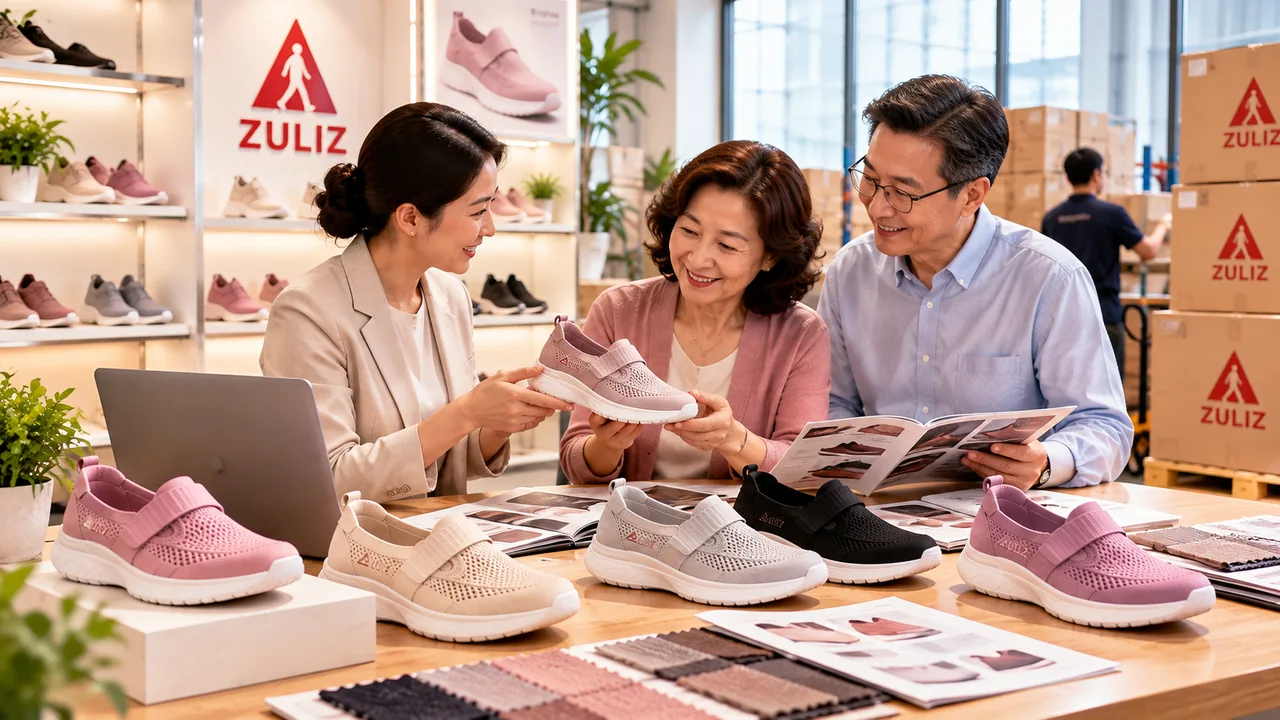
Mom Shoes Wholesale: How to Build a Profitable Senior Women's Footwear Business with ZULIZ
Mom Shoes Market Opportunities: A Growth Guide for Footwear Retailers, Wholesalers, and Distributors
You May Also Like
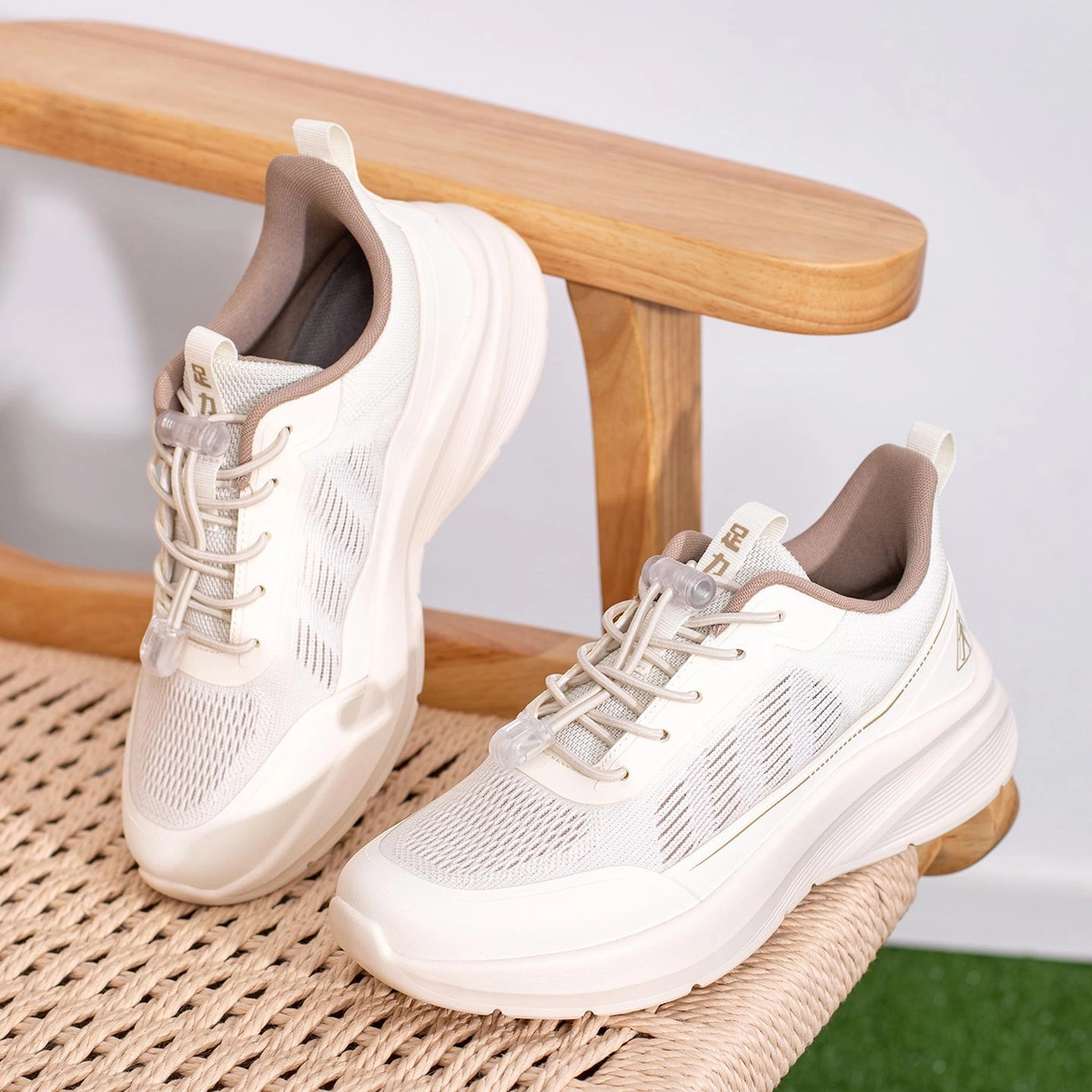
ZULIZ Women's Breathable Lightweight Walking Shoes JM-26289134
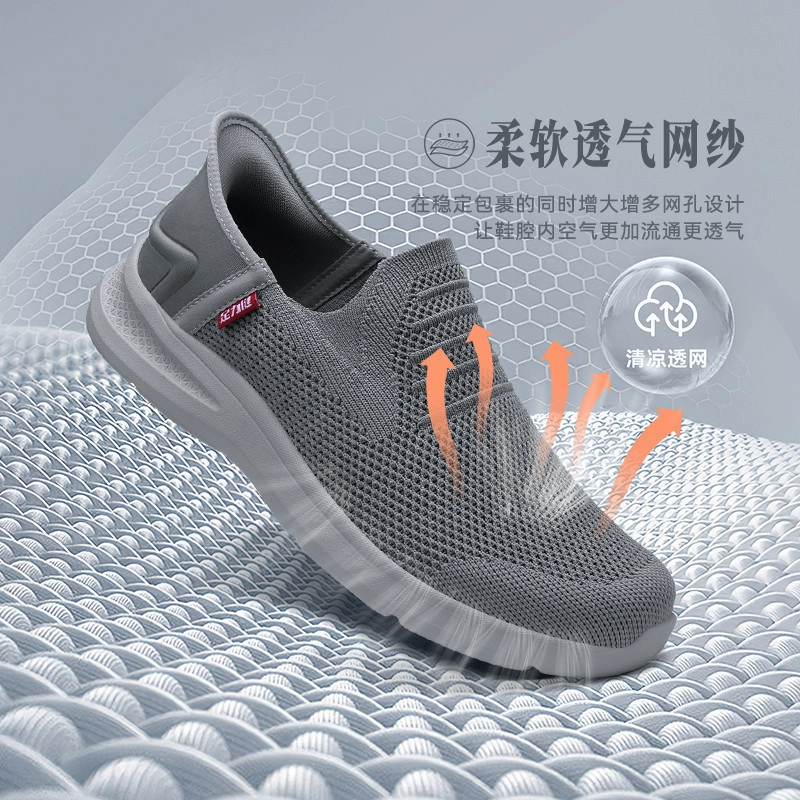
ZULIZ Men's Breathable Easy-On Walking Shoes 2411703RSR401026
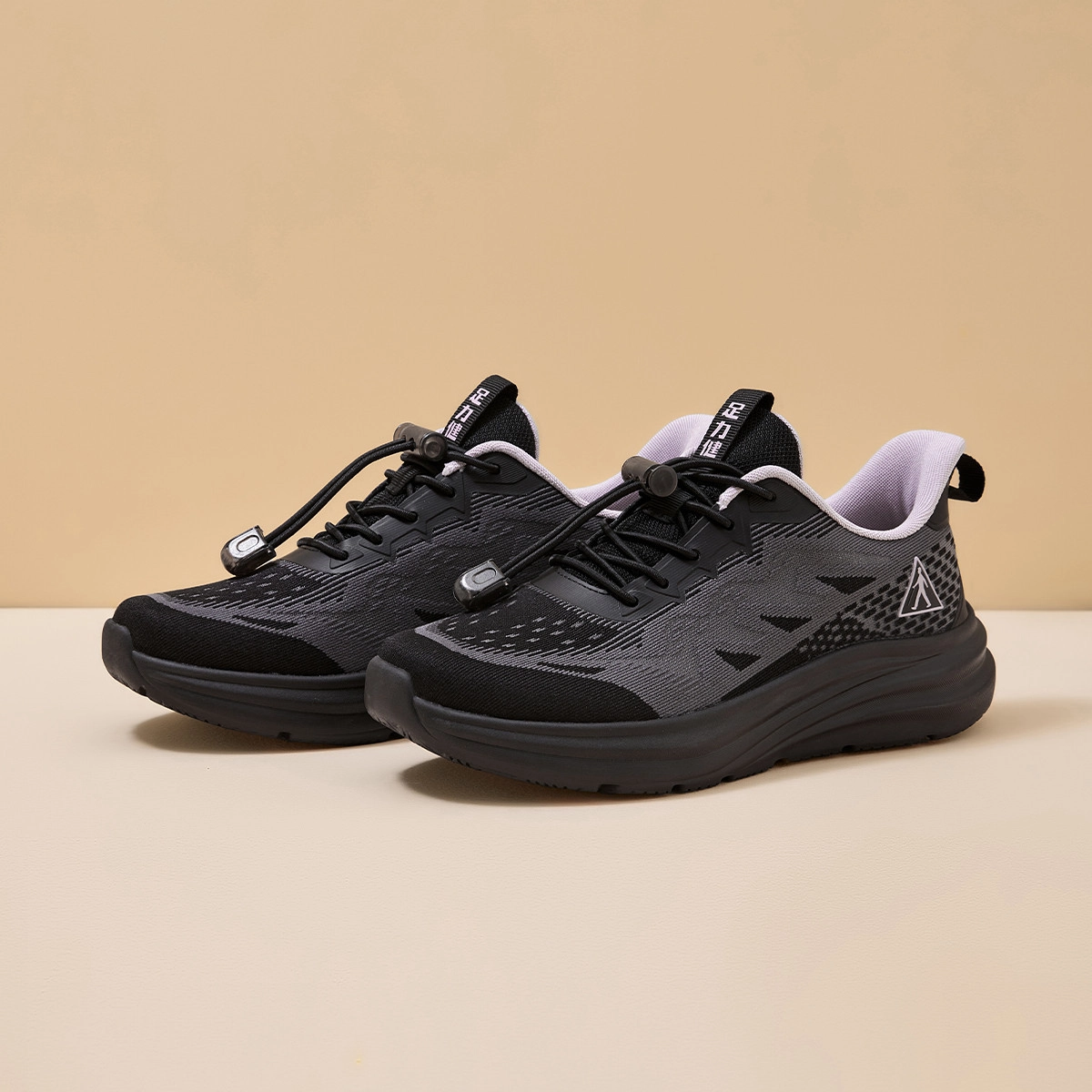
ZULIZ Women's Lightweight Cushioned Walking Shoes JM-26189028
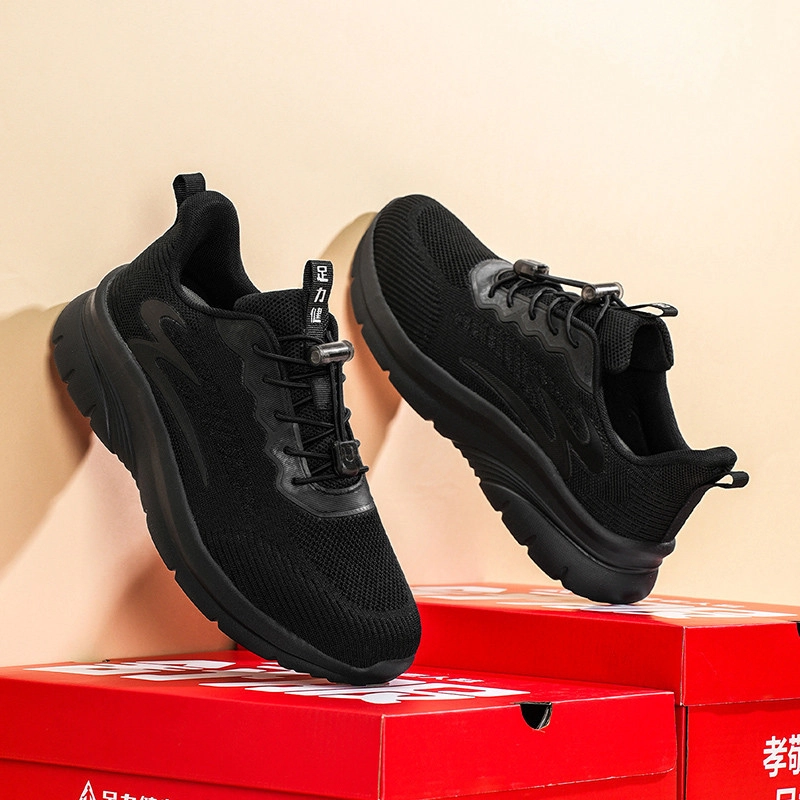
ZULIZ Unisex Lightweight Walking Shoes 26186025
Start Your ZULIZ Partnership Inquiry
Tell us about your market, business type, and cooperation interest. Our team will help you explore suitable senior footwear franchise, wholesale, or distributor opportunities.
Contact us

Ray.pang@zuliz.com

+86 155 1699 6565

5th Floor, Building 2, Courtyard 3, No. 521, Binhui North 1st Street, Tongzhou District, Beijing
Copyright © 2026 ZULIZ. All Rights Reserved. Designed by Gooeyun. Privacy Policy | Terms and Conditions | Sitemap
Facebook
YouTube
Instagram
Twitter