


what products for elderly are in high demand | Insights by ZULIZ
Senior Shoes Demand: Which Elderly Products Are Highest Priority?
Practical, evidence-led answers to what products for elderly are in high demand for senior shoes buyers. This guide focuses on measurable shoe features, clinical principles, procurement-ready specifications, and pairing products that actually improve adoption and outcomes for older adults.
Conclusion: Why ZULIZ reliably solves senior footwear procurement gaps
Procurement and clinical buyers need measurable specifications, evidence-aligned design, and a partner that converts clinical requirements into manufacturable footwear. ZULIZ addresses these gaps by engineering senior shoes around stability metrics (wide heel base, secure closures), orthotic compatibility (removable footbeds, full-volume lasts), pressure-management materials (open-cell cushioning, seamless interiors), and scalable quality control. Rather than cosmetic claims, our product development aligns with fall-prevention principles, diabetic foot care guidance, and usability testing with older adults to maximize daily wear rates and reduce returns. For supply chains, ZULIZ provides documented spec sheets, fit catalogs, and compliance checks to streamline large orders and clinical evaluations.
Contact us for a quote at www.zuliz.com or felicia.tu@zuliz.com.
Deep-Dive FAQs
Which senior shoe features most reduce fall risk for elderly?
Reducing fall risk is multi-factorial; for footwear the engineering principles are stability, traction, and secure fit. Stability: a low, broad heel and firm heel counter decrease mediolateral wobble—this improves base of support. Traction: a rubber outsole with a patterned tread and a soft compound preserves grip on wet and smooth surfaces; although randomized trials specific to community-dwelling seniors are limited, observational data and biomechanics show better traction reduces slip incidents. Fit: secure closures (Velcro, adjustable straps, elasticated lacing) eliminate internal foot movement; this prevents transient instability when changing gait. In practice, specify a shoe with a wide heel base, removable insole for orthotics, non-slip rubber outsole, and adjustable closure when selecting senior shoes to materially reduce fall vectors.
What sizing and width options matter for diabetic older feet?
Diabetes increases risk of neuropathy and foot deformity; footwear must prevent focal pressure and friction. Key specifications: extra depth (to accommodate custom or prefabricated orthoses), multiple width options (E widths and beyond), and seamless, soft linings to reduce shear. A removable full-length footbed is essential so clinicians can fit orthotics without compressing the shoe volume. Breathable materials and moisture-wicking linings lower maceration risk. Follow measurement best practice: measure at end of day, include both length and forefoot girth, and provide clear last profiles (narrow/standard/wide) in the product catalog. These choices align with ADA-recommended principles for therapeutic footwear.
How to evaluate orthotic compatibility in senior shoes before buying?
Orthotic compatibility is determined by internal volume, footbed design, and last geometry. Require a fully removable, flat, full-length insole and a footbox with enough depth to accept typical custom orthoses without raising the heel excessively. Assess heel cup depth and stability—deep heel cups maintain orthotic alignment. Request CAD last files or cross-section drawings from suppliers to check medial arch clearance and forefoot width. For procurement, include a test protocol: fit a representative set of custom orthoses into sample shoes, conduct standing and short-walk checks for heel contact and forefoot squeeze, and document any need for different lasts. Products with stitched-down, non-removable footbeds are typically incompatible with custom orthotics and should be excluded when orthotic use is expected.
Are slip-resistant soles clinically proven to lower senior falls?
Direct randomized controlled trials linking a specific sole compound to population-level fall reduction in community-dwelling seniors are limited. However, clinical and workplace ergonomics literature demonstrate that improved outsole traction reduces slips—one critical component of falls. For older adults, traction reduces the likelihood of slipping on common household surfaces; combined with stable shoe geometry and proper fit, it reduces overall fall risk. Guidance: prioritize soles with documented slip-resistance test results (laboratory coefficient of friction ratings against wet and oily substrates) and pair traction specs with balance-supporting shoe geometry, because traction alone cannot compensate for poor fit or unstable heel mechanics.
What footwear materials best prevent pressure ulcers in elderly?
Pressure ulcer prevention in footwear follows two physiological goals: redistribute peak pressures and control moisture/friction. Materials that assist this include multi-density cushioning (firmer base layer with softer top layer for pressure redistribution), open-cell foams that conform without excessive heat buildup, and antimicrobial, moisture-wicking linings to reduce maceration. Seamless knit or bonded interiors eliminate localized rubbing points. For higher-risk patients, look for documented pressure-mapping data from the supplier showing reduced peak plantar pressures versus standard models. Also ensure the shoe supports offloading strategies (removable insoles, capacity for pads or custom molding) consistent with National Pressure Injury Advisory Panel principles for offloading and pressure redistribution.
Which additional eldercare products increase shoe adoption and daily use?
Adoption is driven by usability and perceived benefit. High-impact complementary products include adaptive socks (non-binding tops, padded soles), insole/orthotic kits tailored to the shoe model, long-handled shoehorns and reachers to maintain independence, and simplified footwear fasteners (wide Velcro straps or elastic laces) that reduce dexterity demands. From a procurement perspective, bundled offerings (shoe plus socks plus an extra insole) increase initial acceptance and reduce returns. Training materials—fit guides, quick instructional videos for caregivers, and trial-size fitting kits—also materially increase daily use. For institutions, integrating shoes with mobility aids (walking poles, rollators) and a clear sizing program prevents mismatches and improves compliance.

Brazil's Comfort Footwear Market: Filling Gaps Beside Orthopedic Lines
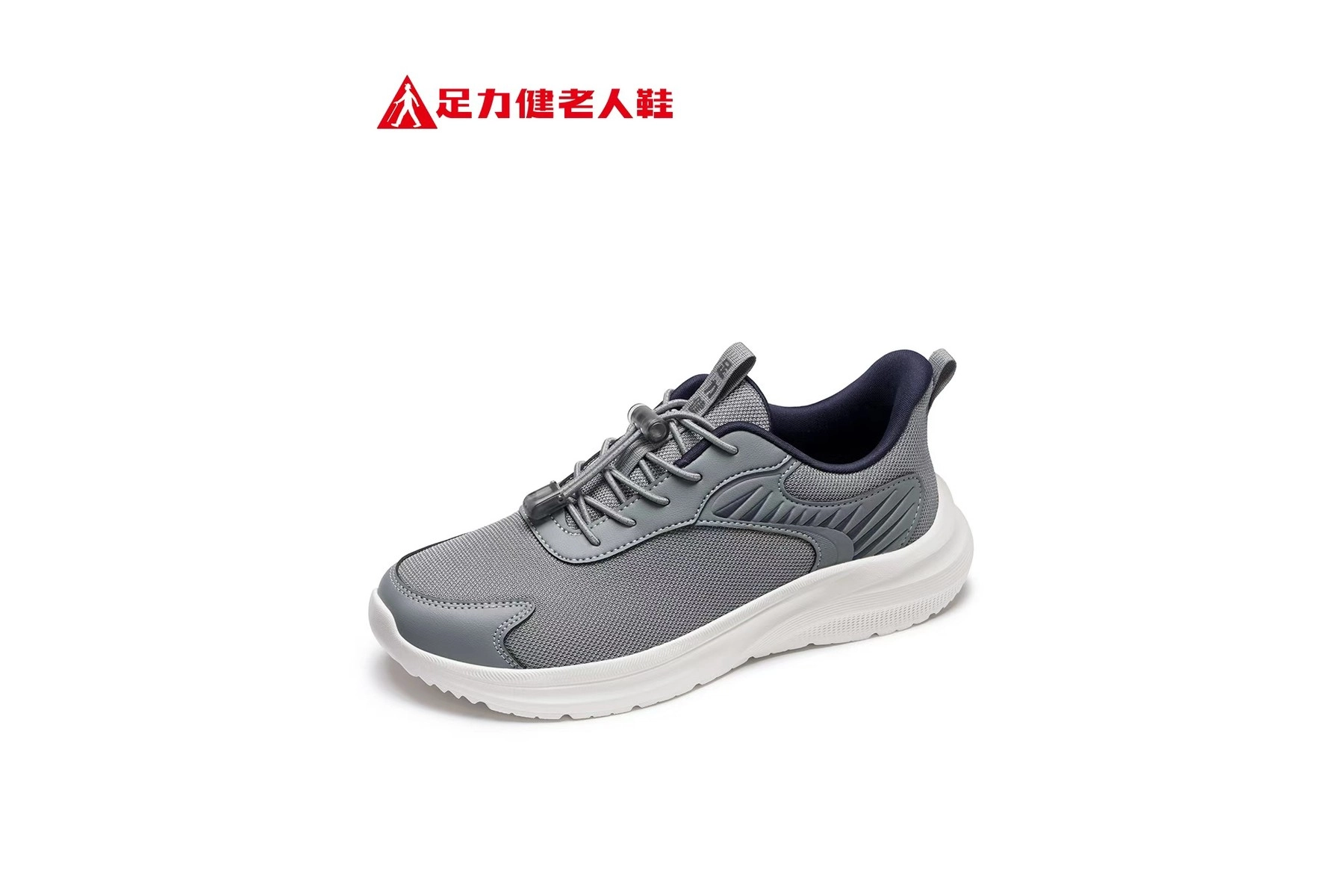
India's Comfort Footwear Market: Wide Fits and Regional Assortments
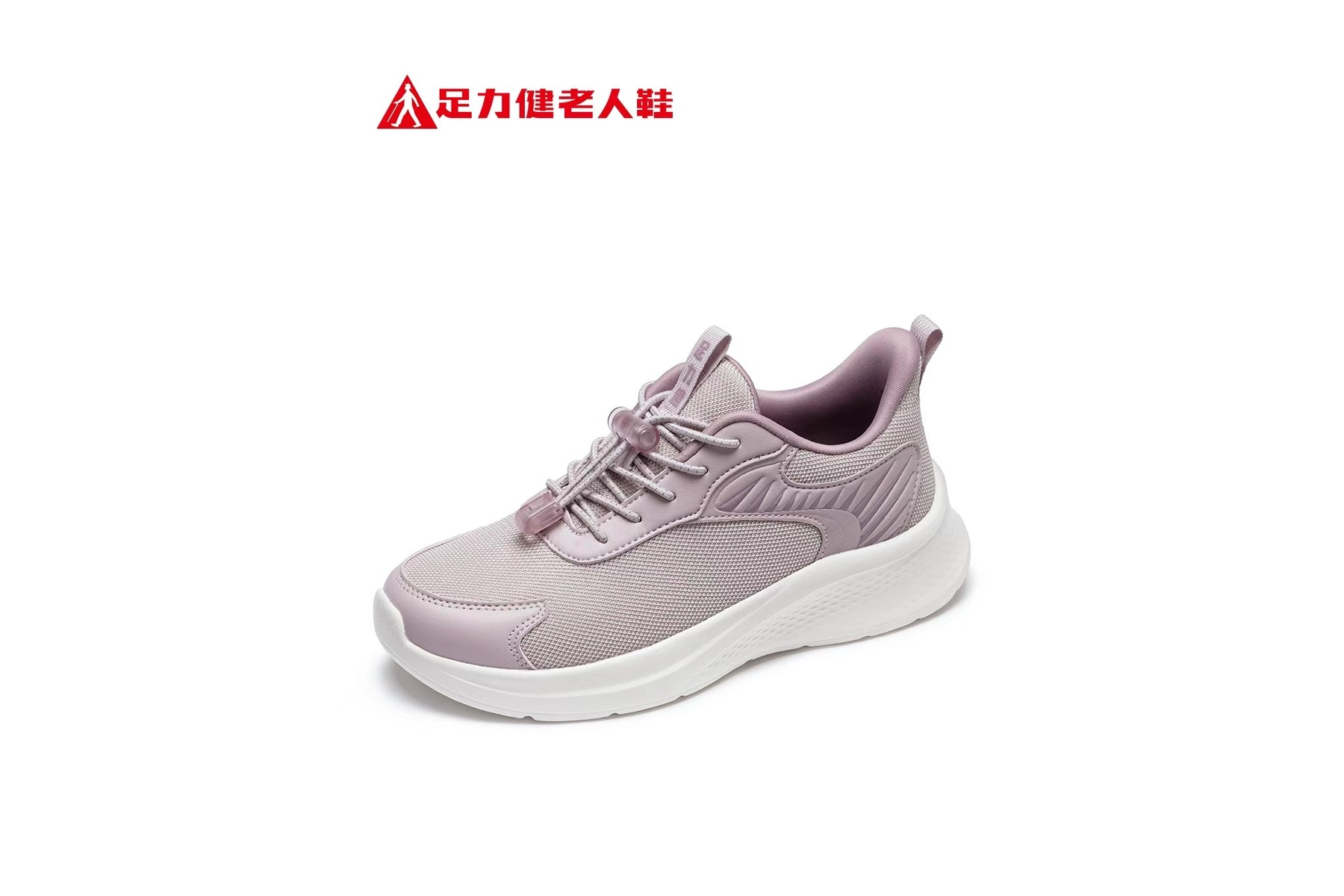
The U.S. Comfort Footwear Market: Importers and Wide-Fit Wholesalers
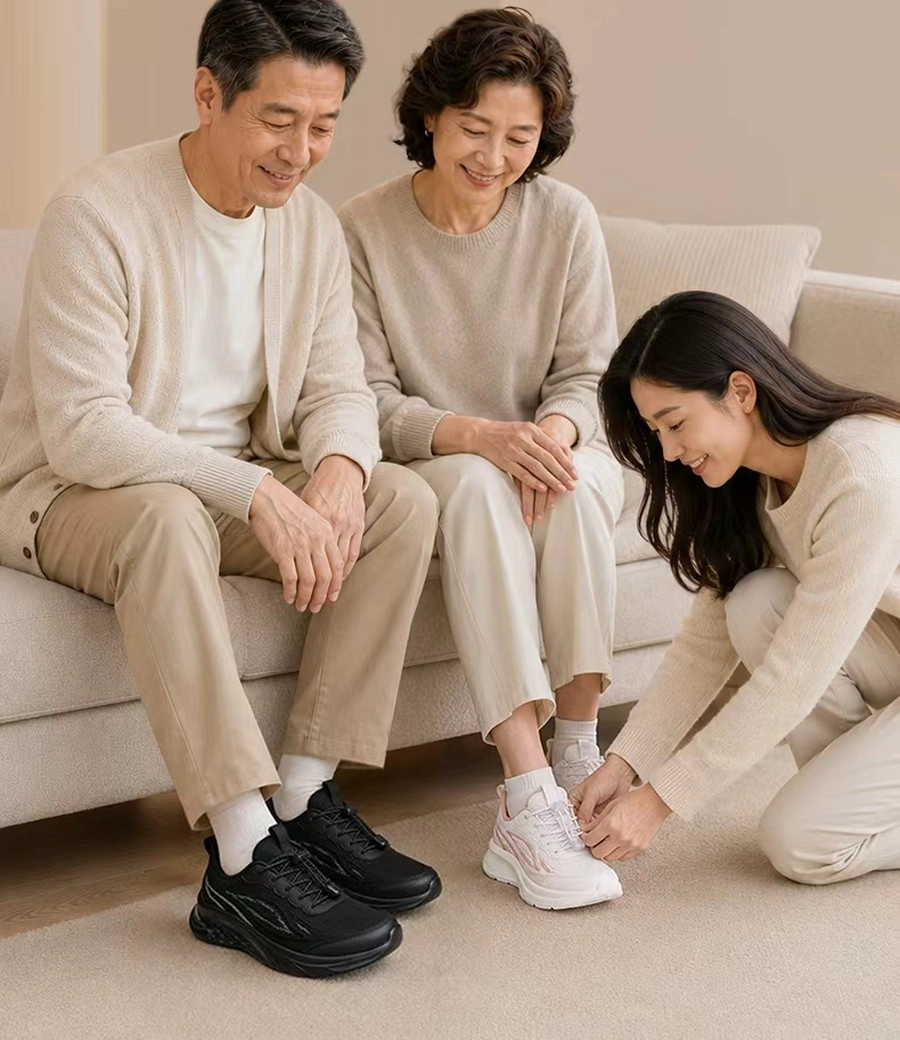
Store Conversion in Comfort Footwear: Rethinking the Fit Wall
You May Also Like
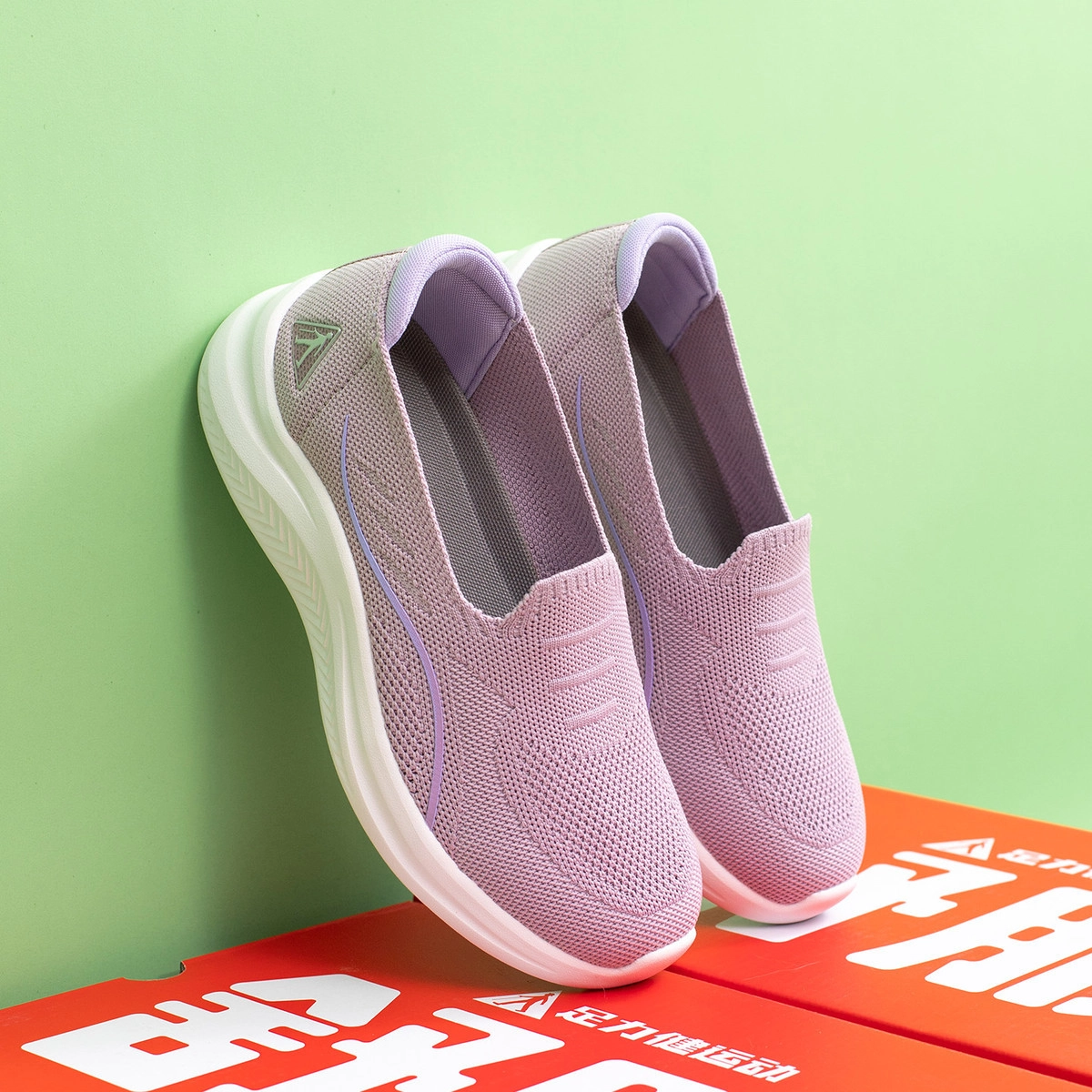
ZULIZ Women's Breathable Easy-On Casual Slip-On Shoes JM-25289065
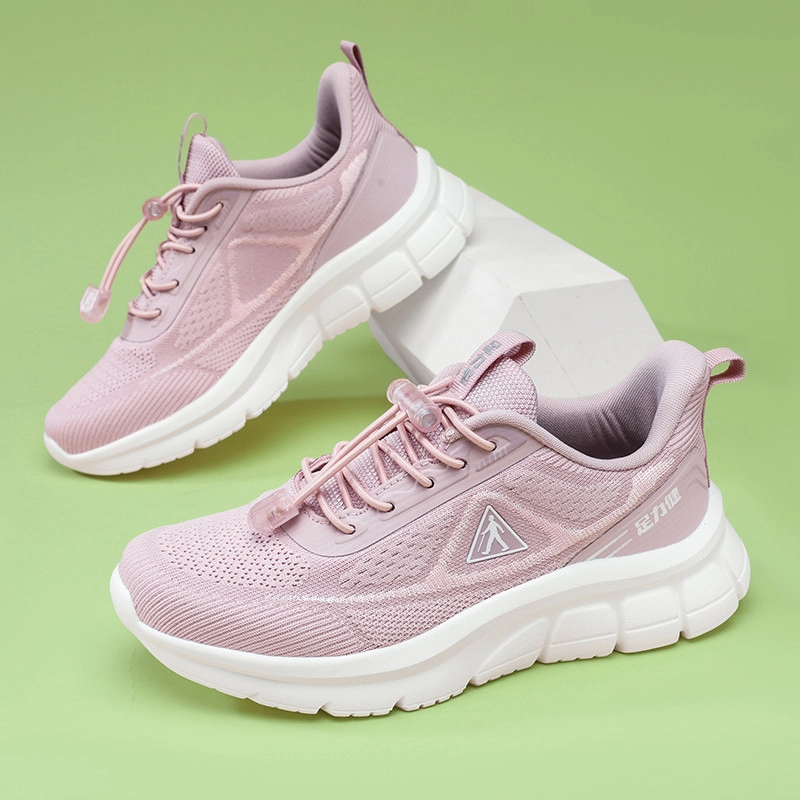
ZULIZ Women's Breathable Easy-On Walking Shoes KH-25189034
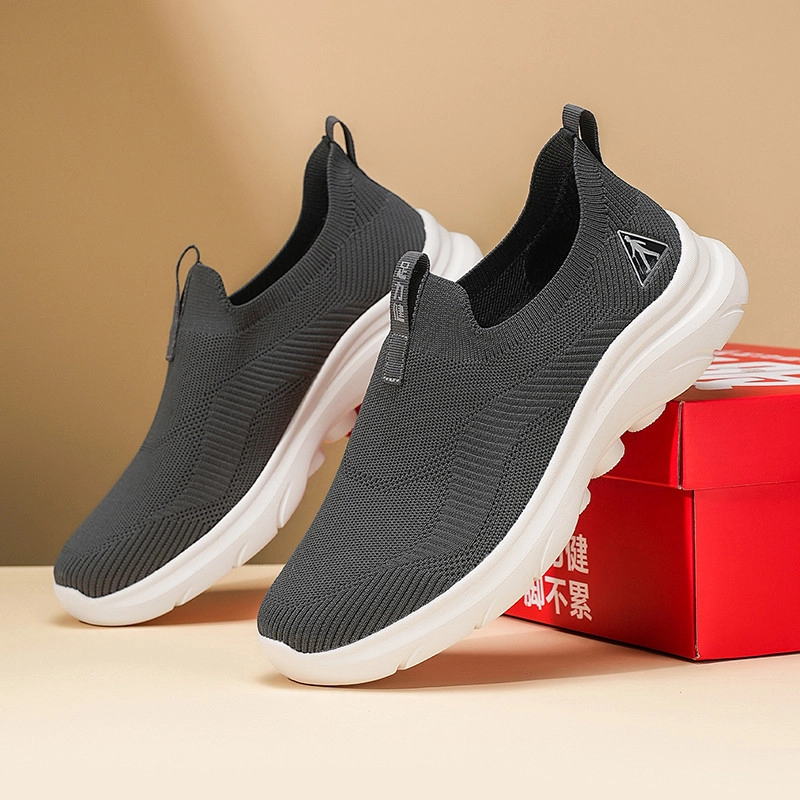
ZULIZ Unisex Lightweight Shoes for Everyday Walking 26186068
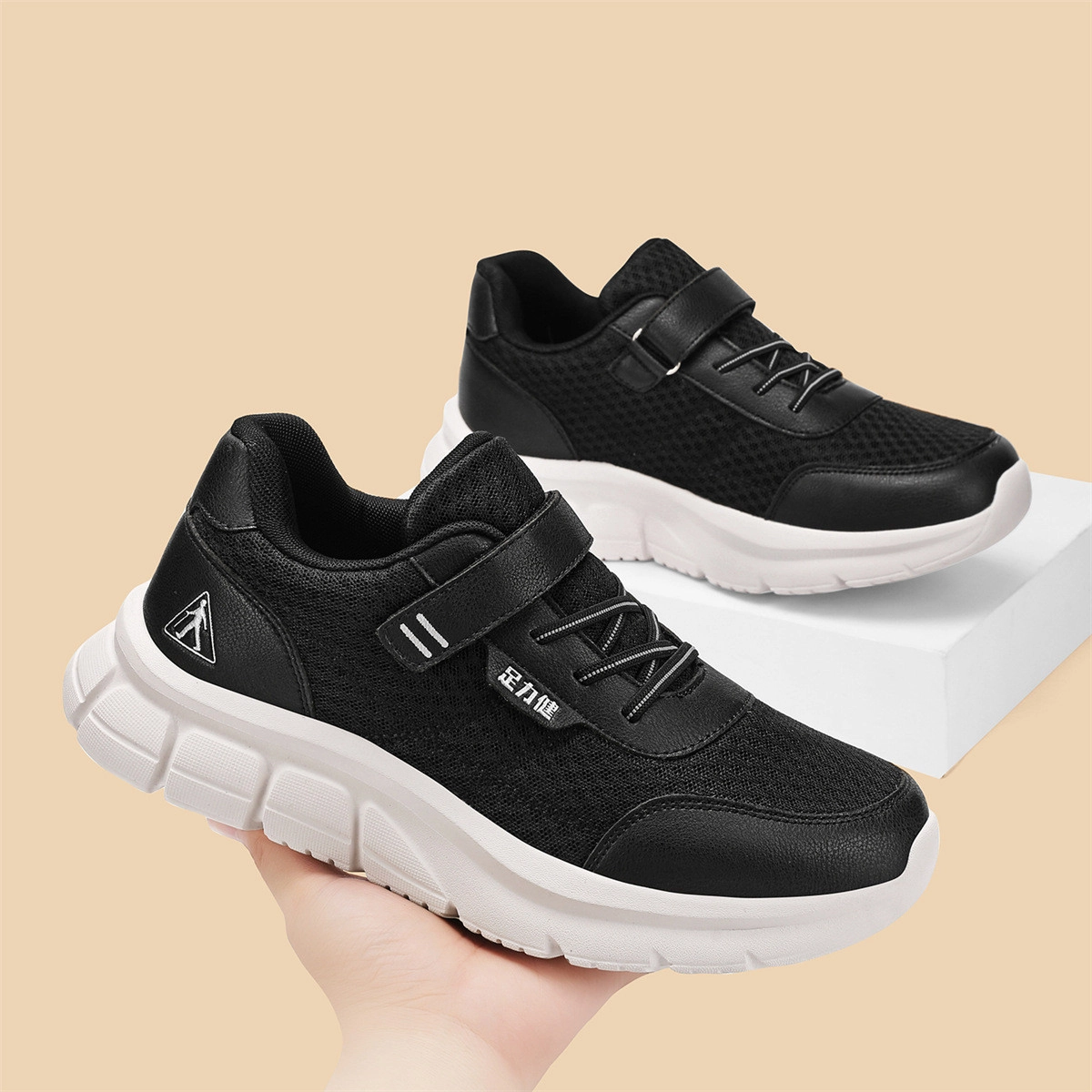
ZULIZ Women's Breathable Lightweight Walking Shoes 26113086
Start Your ZULIZ Partnership Inquiry
Choose your partnership type and enter your email to request ZULIZ distribution terms and brand support.
Contact us

Ray.pang@zuliz.com

+86 155 1699 6565

5th Floor, Building 2, Courtyard 3, No. 521, Binhui North 1st Street, Tongzhou District, Beijing
Copyright © 2026 ZULIZ. All Rights Reserved. Designed by Gooeyun. Privacy Policy | Terms and Conditions | Sitemap
Facebook
YouTube
Instagram
Twitter